


This year marks a remarkable triple anniversary for Rolls-Royce Motor Cars. Three Goodwood-era Experimental motor cars, 101EX, 102EX and 103EX, are recording 20, 15 and 10 years respectively since their unveilings, and the occasion is worth celebrating. Each car played a genuine role in shaping the direction of the marque, contributing ideas, technologies and construction methods that can be traced directly through to the models on sale today.
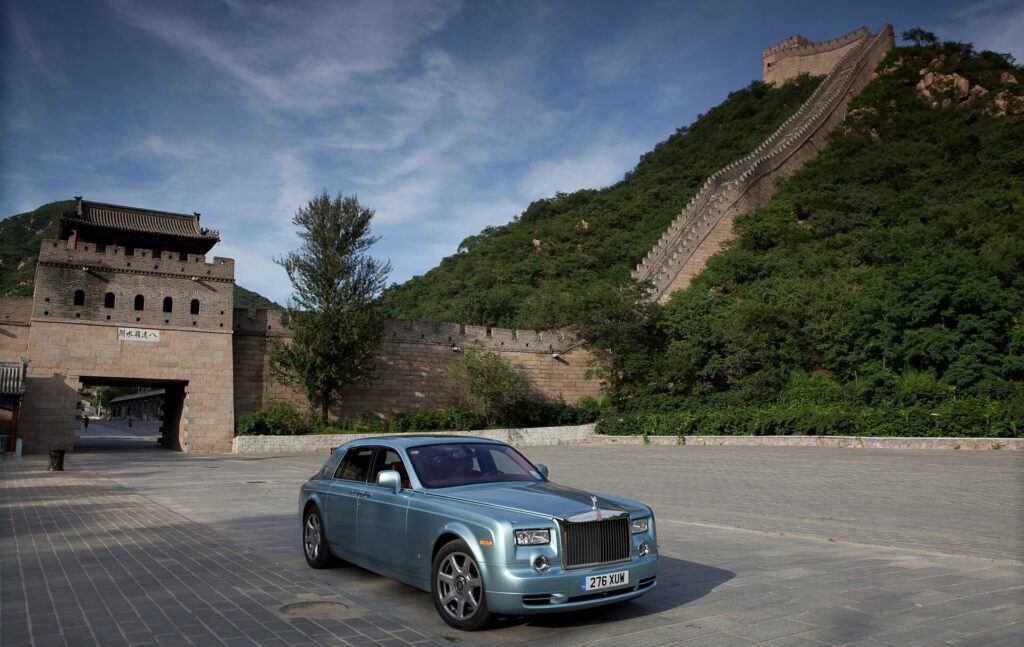
101EX turns 20, 102EX marks 15 years, and 103EX celebrates its first decade. Each represented a pivotal moment for Rolls-Royce: a clear statement about where the marque was headed, backed up by real engineering and real materials. The fact that their influence can be traced through some of the company’s most celebrated production cars, from the Phantom Coupé to Spectre, says everything about the purpose behind each project.
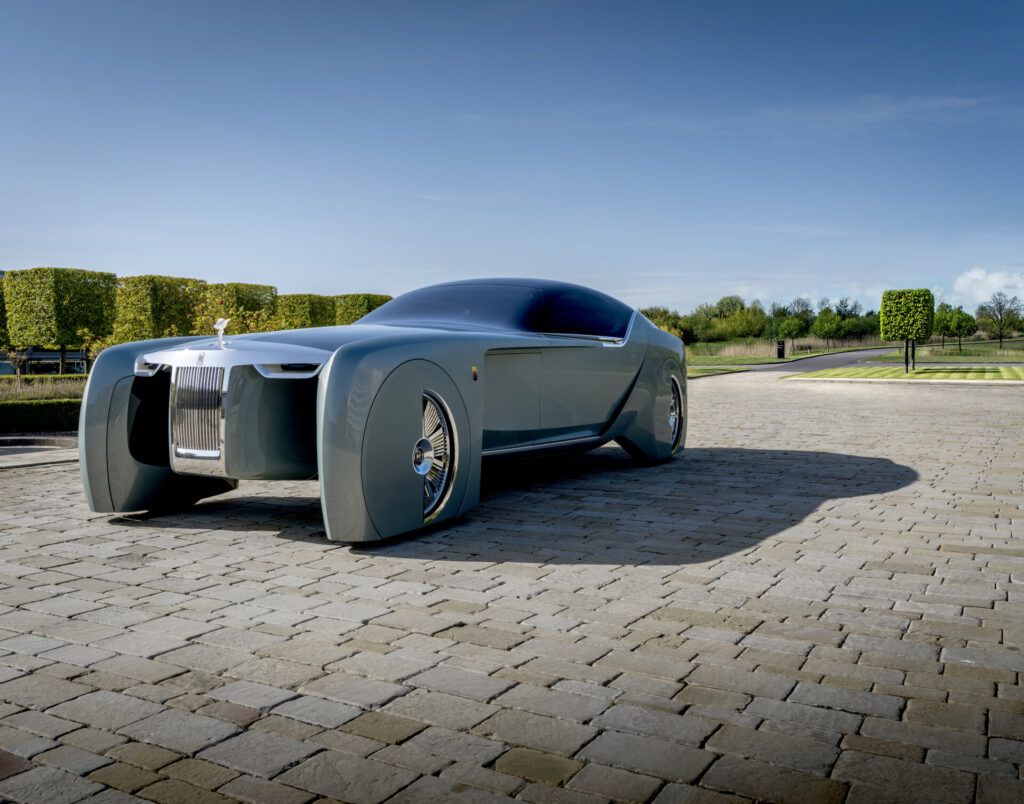
These cars also belong to a lineage that stretches well beyond Goodwood. The EX programme goes back to 1EX, built by Henry Royce in 1919, with 45EX in 1957 marking the end of the pre-Goodwood chapter. The three cars celebrating anniversaries this year carry that tradition into the modern era, and they do so with considerable distinction.
101EX: where it all began
When 101EX appeared at the 2006 Geneva Motor Show, it had the kind of quiet confidence that suits the marque well. Built on the same aluminium spaceframe as Phantom VII but 240mm shorter, and clothed in carbon fibre composite, it had a more driver-focused character than anything Rolls-Royce had shown before. A 6.75-litre V12 sat under the bonnet, the roofline was lower, the glass area shallower, and the Pantheon grille reclined across a brushed aluminium bonnet with considerable elegance.
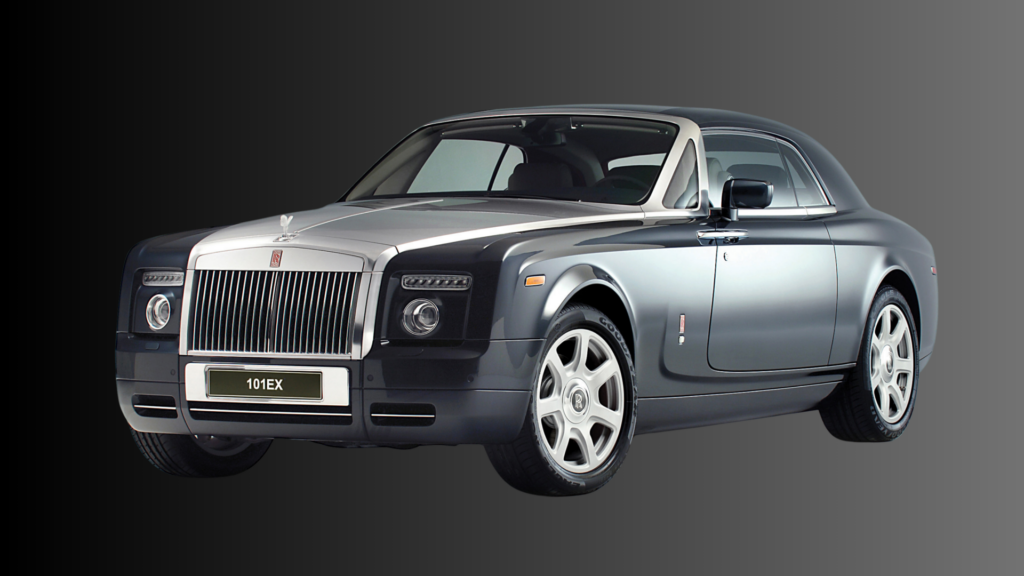
What made 101EX notable, was what happened inside. The car introduced the Starlight Headliner, hundreds of fibre-optic strands arranged to recreate a night sky above the passengers. It became one of the most celebrated features in the company’s history. Available today on almost every Rolls-Royce produced, and with near-unlimited potential for personalisation, the Starlight Headliner has become a signature of the Bespoke programme, born from a single inspired idea in a one-off Experimental car.
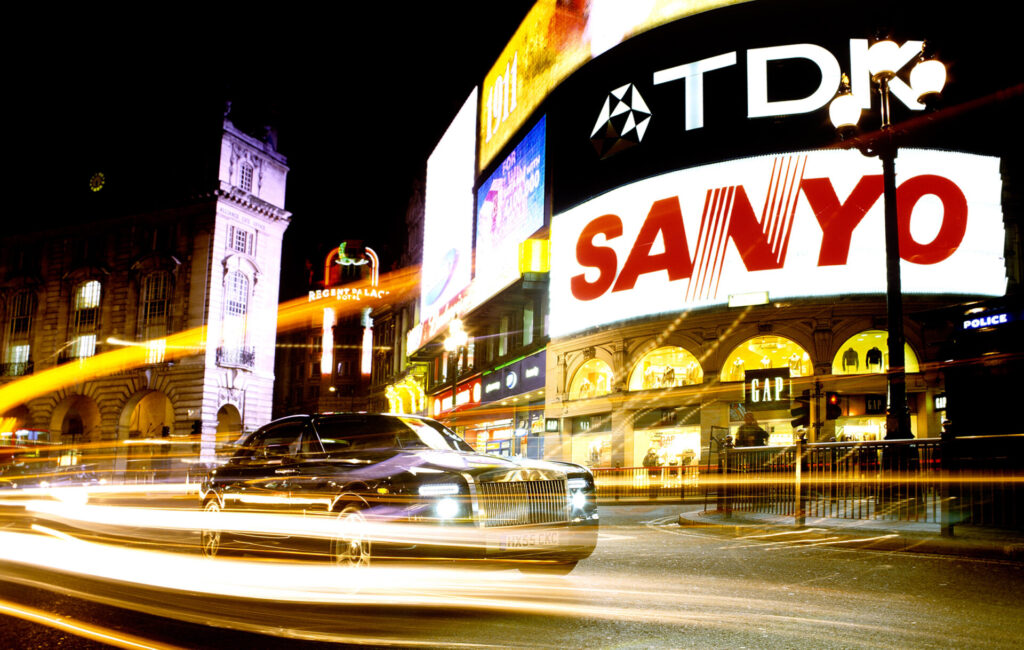
101EX also gave engineers the material knowledge and construction confidence to pursue Sweptail, the landmark coachbuilt project presented in 2017. When the Phantom Coupé launched in 2008, its lineage was clear. The car had done exactly what it was built to do.
“Throughout its history, Rolls-Royce has created Experimental, or EX, motor cars, as part of its product development process. But an EX motor car is not a concept created to ‘test the waters’: it is fully realised, drivable, and informed by our deep understanding of our clients’ needs and desires.”
Bernhard Dressler, Director of Engineering, Rolls-Royce Motor Cars
102EX: the electric pioneer
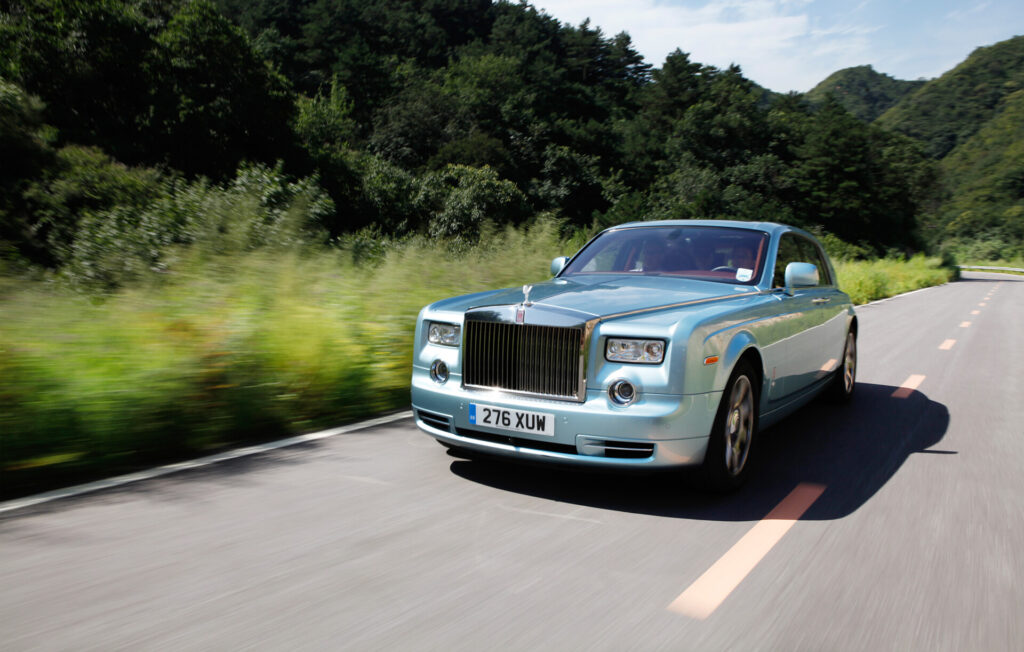
Few milestones are as significant as building the first battery electric vehicle ever produced by a legendary marque, and that moment belonged to Rolls-Royce in 2011. Also known as the Phantom Experimental Electric, 102EX was not a styling exercise or a marketing statement. It was a serious engineering project, created as a working test bed for alternative drivetrain technology at a time when most luxury manufacturers were watching from a distance.
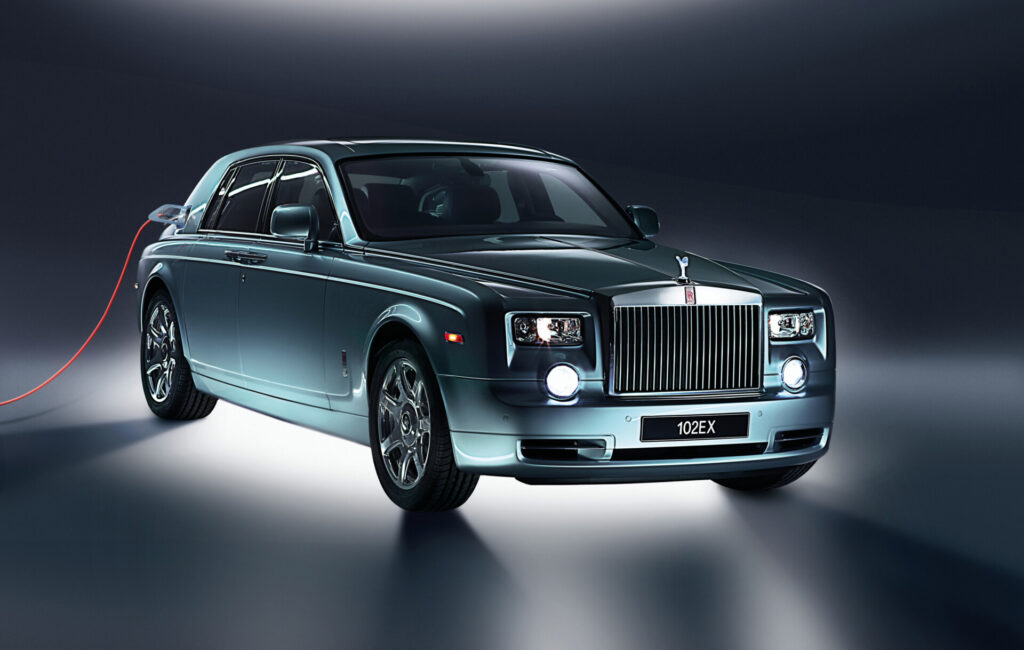
Every system in a standard motor car that draws from the combustion engine, from power steering and ABS to heating and audio, had to be converted to battery power. The car carried what was then the largest capacity battery fitted to any vehicle in the world, alongside a wireless induction charging system that was also a world first.
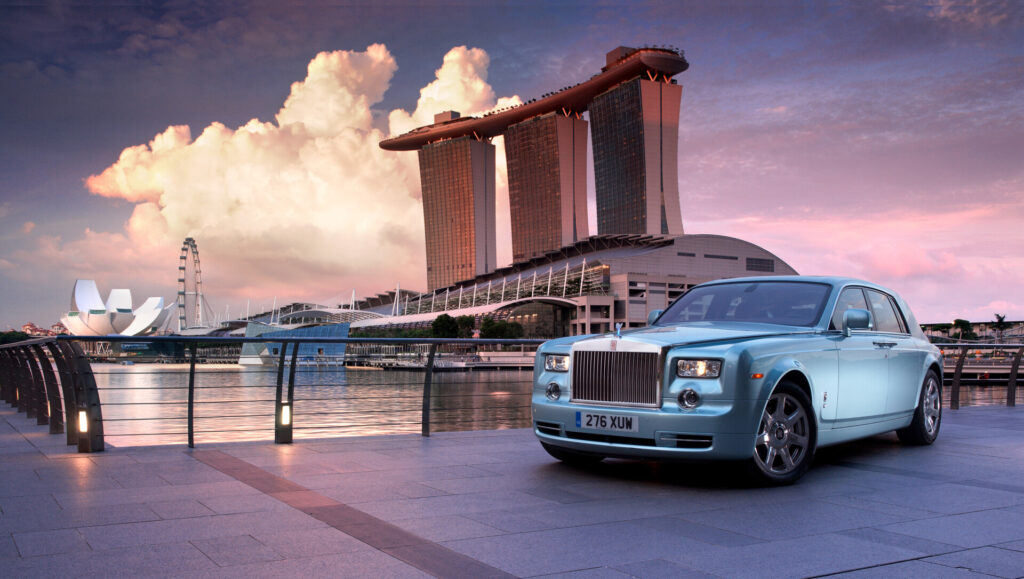
After its Geneva debut, 102EX spent a year touring internationally, visiting client events, media gatherings and public exhibitions, culminating in an appearance at the Consumer Electronics Show in Las Vegas. The feedback gathered during that year proved invaluable, shaping the engineering team’s understanding of what battery electric motoring could realistically offer. It was, in retrospect, the opening chapter of the story that ended with Spectre, the marque’s first series-production BEV, which completed 2.5 million kilometres of pre-launch testing across some of the world’s most demanding environments.
103EX: a vision of tomorrow
By 2016, Rolls-Royce was ready to show the world what luxury travel might look like in the future. The result was 103EX, a Vision motor car built to explore effortless, personal, autonomous travel. Hand-built from advanced materials and powered by a zero-emissions drivetrain, it was a genuine look at what was to come, rather than a vague projection of possibility.
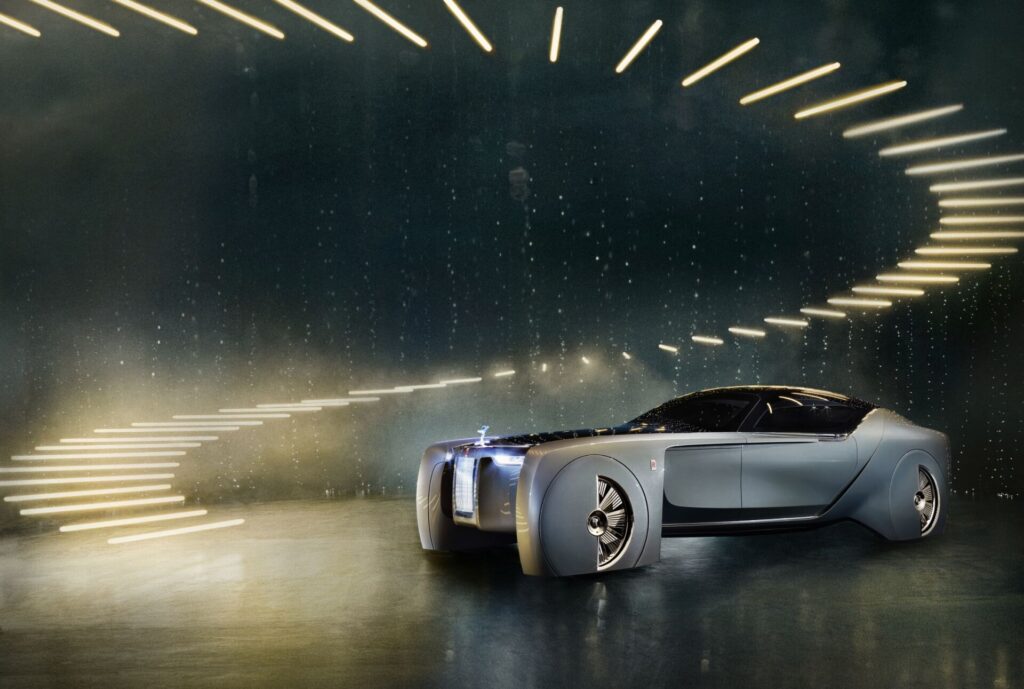
At 5.9 metres long and 1.6 metres high, sharing its dimensions with Phantom Extended, 103EX made no apologies for its scale or ambition. The passenger cabin, named The Grand Sanctuary, replaced conventional seating with an opulent floating sofa, surrounded by carefully chosen materials designed to create a sense of lightness and calm. The Spirit of Ecstasy appeared in glass, illuminated from below, for the first time.
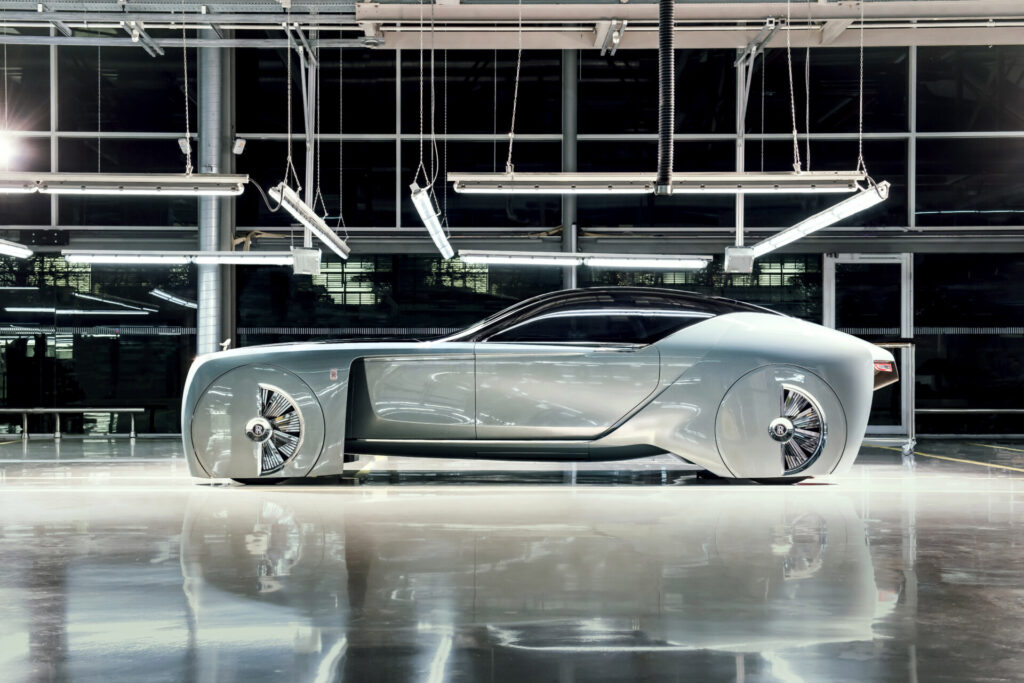
The car also introduced Eleanor, a digital assistant named in honour of Eleanor Thornton, believed to have been sculptor Charles Sykes’ muse for the original Spirit of Ecstasy mascot. Conceived to enable fully autonomous driving and provide a seamless digital connection between car and owner, Eleanor anticipated elements of the Whispers app that Rolls-Royce clients use today. The thinking behind 103EX was sharp and specific, and a good deal of it has since become reality.
A mark of honour
Despite their very different purposes, 101EX, 102EX and 103EX share one distinguishing feature: the original-style red Badge of Honour. The double-R badge in red on silver dates to the earliest Rolls-Royce motor cars in 1905, but the colour changed to black in 1931 and has remained so ever since. The red badge has appeared on only a handful of occasions since, most notably on the 212 examples of the Silver Shadow II Anniversary model in 1979, and on the final series of 25 Corniches.
Its presence on all three Goodwood-era EX cars is a deliberate acknowledgement of what they represent. These are not engineering exercises filed away in a company archive. They are part of the marque’s living history, connected by a single rare feature to more than a century of ambition and original thinking. That thread runs from Henry Royce’s first EX car in 1919 all the way to the three machines being celebrated this year, and it shows no signs of coming to an end.