



Across much of Europe, younger buyers are being priced out of home ownership. In Western capitals like London, Dublin, Amsterdam and Stockholm, property prices have long outpaced wage growth. In the UK, homes now average more than 9x annual income, according to the Office for National Statistics.
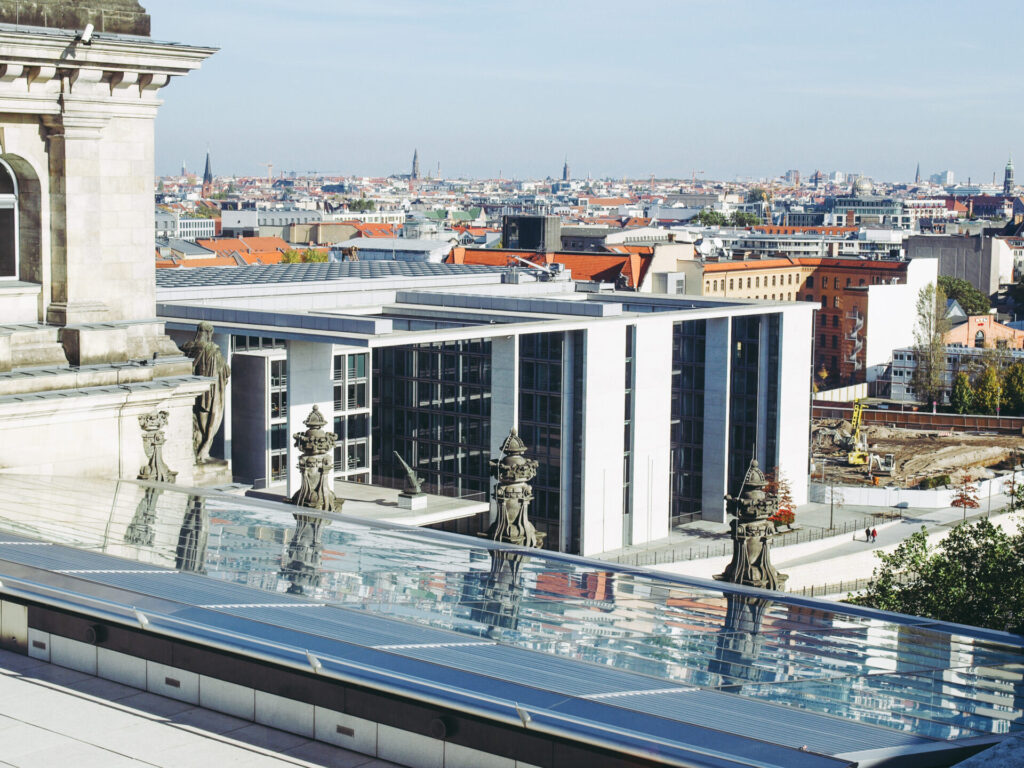
Much of Southern Europe, once a refuge from high housing costs, now faces similar challenges. In Lisbon, prices have more than doubled in the past decade, and in some districts rents already exceed local incomes. From north to south, once-accessible markets are now globally priced, leaving first-time buyers and small investors struggling to gain a foothold. While these countries remain economically strong and attractive, they have become increasingly inaccessible to those seeking a first step on the ladder or hoping to make real estate work as a long-term investment.
As these patterns harden, a new dynamic is emerging. A handful of countries in Central, Eastern and Southern Europe once on the margins of investor interest are becoming focal points for a different kind of buyer; cost-conscious, globally mobile, and increasingly priced out at home. For those looking not just to buy, but to invest through rentals, second homes or diversification these markets are beginning to offer real returns.
Poland: The Region’s Investment Anchor
Poland is perhaps the most mature of these markets. Its economy has grown steadily over the past decade and is forecast to expand by about three per cent in 2025, outperforming much of the EU. Cities like Warsaw and Kraków have become tech and finance hubs, with rising wages and solid infrastructure.
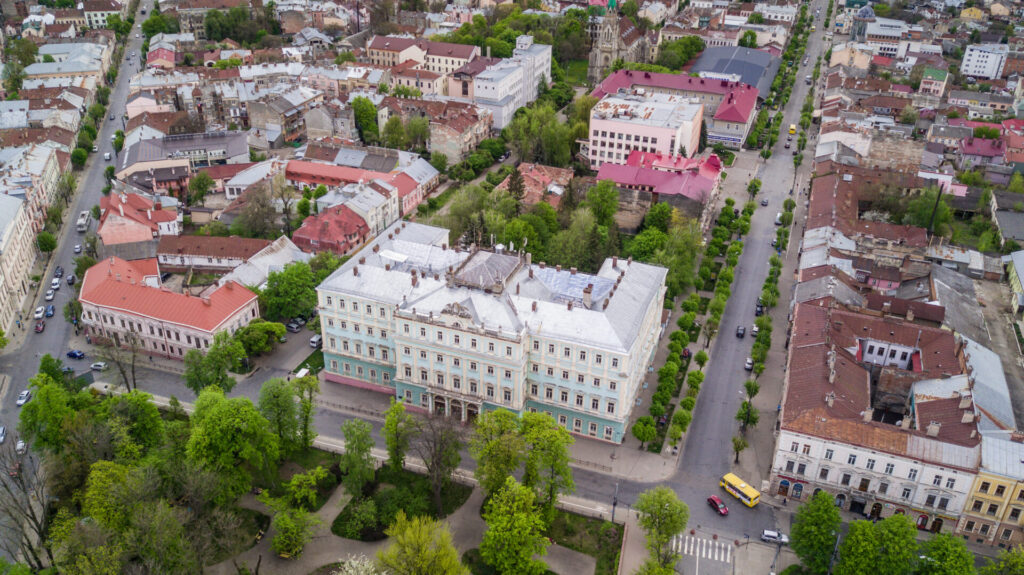
Poland now accounts for over half of all real estate investment in Central and Eastern Europe, according to EU data. Average gross rental yields in Warsaw still hover around six to seven per cent hard to find in most Western capitals. Foreign ownership is straightforward, and transaction costs are low, making it a transparent and accessible option for international buyers.
Slovakia: The Understated Eurozone Contender
Slovakia offers a quieter but equally stable path in. A Eurozone member with a strong industrial base, it has benefited from decades of EU integration and development funding. Prices in Bratislava remain well below those in Vienna or Prague, yet rental yields are often higher, typically above 6%.
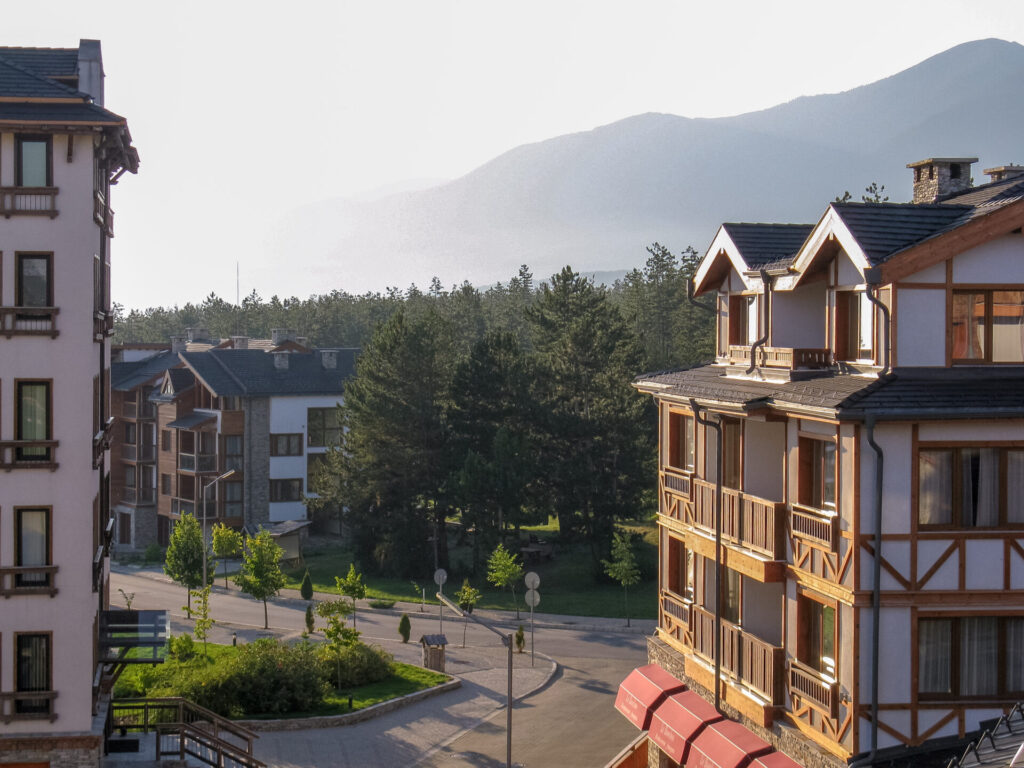
Crucially, housing costs for locals are still low. Only about 6% of urban households spend more than 40% of their income on housing, compared to over 20% in some Western capitals. That leaves room for appreciation without squeezing local demand a positive sign for long-term investors.
Estonia: Technology-Enabled Property Investment
In Estonia, the appeal is more about technology and transparency than price alone. Its digital infrastructure is among the most advanced in Europe, with e-residency and online property transactions now common. Apartment prices in Tallinn rose by 7 to 11% year-on-year in early 2024, with growing interest from foreign buyers, especially remote workers and younger investors seeking safety, efficiency and value.
While yields are lower than in Central Europe, Estonia’s strong public finances, clear regulation and ease of doing business make it attractive for low-friction, long-term ownership.
Montenegro: The Pre-Accession Advantage
Montenegro, though not yet in the EU, is firmly on the path to joining, and investors are already positioning accordingly. All accession chapters are open, and legal alignment is well underway. Historically, property prices in new EU entrants have surged in the years around accession. Montenegro uses the euro and offers full ownership rights to foreign buyers.
According to our member, Golden Group – Astra Real Estate, property prices have risen 12–15% in the past two years, with strong demand from Germany, the UK, and the Middle East. Gross rental yields in Kotor and Budva average 6–7%, supported by record tourist arrivals, while coastal homes remain 30–40% cheaper than in Croatia.
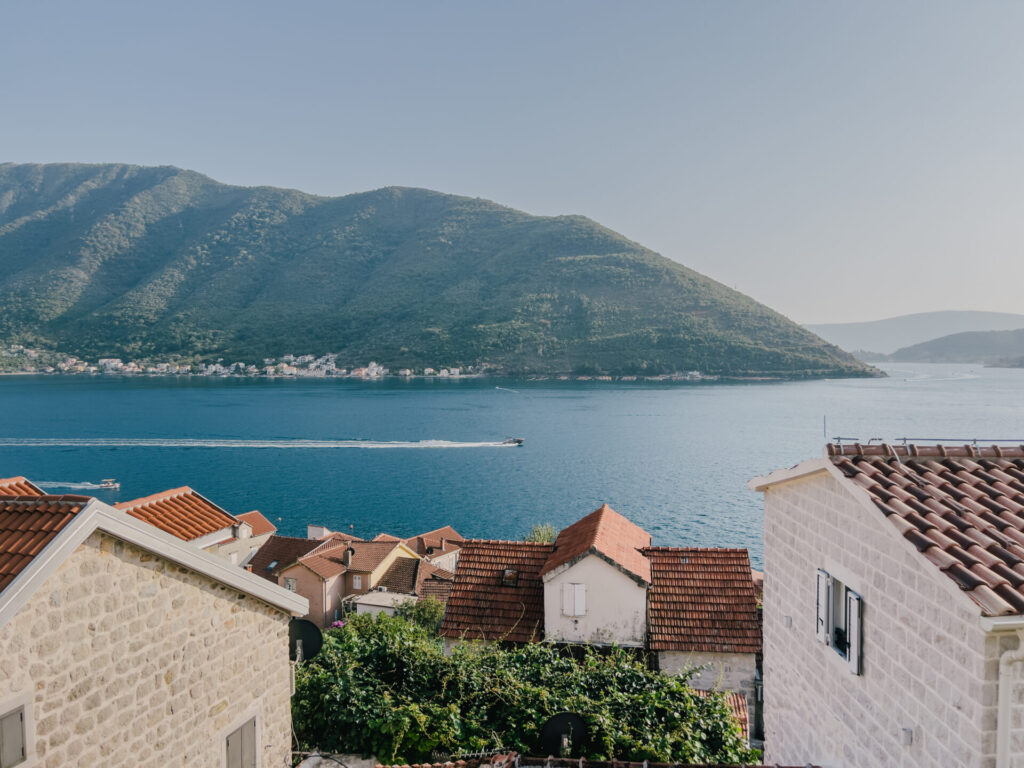
Beyond the coast, the northern town of Kolašin has emerged as a booming market, fueled by new ski resorts, improved highway access, and the construction of high-class hotels and resorts. This combination of coastal and mountain opportunities, affordability, and EU accession prospects makes Montenegro one of the region’s most compelling early-entry markets.
Infrastructure is improving fast, with airport upgrades and highways backed by EU and Chinese investment. High-end developments like our member Porto Montenegro have boosted its profile, adding to its appeal as a premium but accessible coastal market. For those seeking a holiday let, second home or long-term growth, it offers an early-stage market with direction.
“Our buyers now come from more than 40 nationalities, a clear sign of the destination’s global pull and the confidence investors place in its long-term growth”
David Margason, Managing Director, Porto Montenegro
A Shift in Investment Strategy
The common thread across these markets isn’t just affordability. It’s access. Access to stable, investable property environments with room to grow. Access to legal and financial systems increasingly aligned with the broader EU. And for many priced out elsewhere, access to a first serious chance at ownership whether to live, rent or build value over time.
That’s not to say Western Europe is no longer worth considering. For buyers with significant capital, cities like Paris, Barcelona or Amsterdam will always hold appeal. But for younger buyers, first-time investors, or those looking to generate yield rather than store wealth, the smart move may lie further afield.
The next phase of Europe’s property story is unfolding not at its centre, but at its edges. And the window for early entry may not stay open for long.
About the Author: Chris Dietz serves as President of Global Operations at Leading Real Estate Companies of the World, overseeing the organisation’s international expansion and member network across multiple continents. With extensive experience in global property markets, he advises investors and developers on emerging opportunities and market dynamics across Europe, Asia, and the Americas.