


Authentic Lebanese coastal cuisine in the captivating beauty of the Palace Gardens
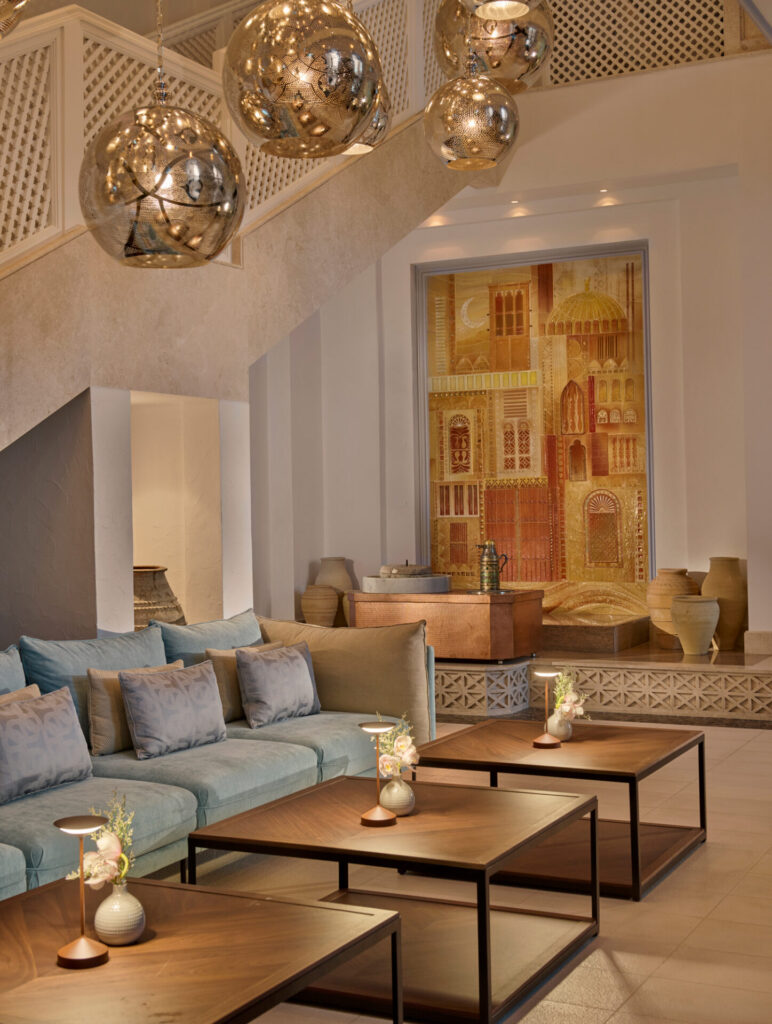
Lebanese Terrace is the newest addition to the impressive collection of restaurants at Emirates Palace Mandarin Oriental, bringing the exquisite flavours and culinary traditions of Lebanon to one of Abu Dhabi’s most iconic settings. Led by Chef de Cuisine Gilber Sakr, the restaurant draws on the rich tapestry of Lebanese coastal cuisine, recreating the charm of a traditional Lebanese terrace within the captivating beauty of the palace grounds. The two-storey venue features intricate aquamarine walls, olive trees, and stained-glass windows that transport diners to the Mediterranean shores, whilst carefully curated Levantine dishes reflect both heritage and Chef Gilber’s personal connection to his homeland.
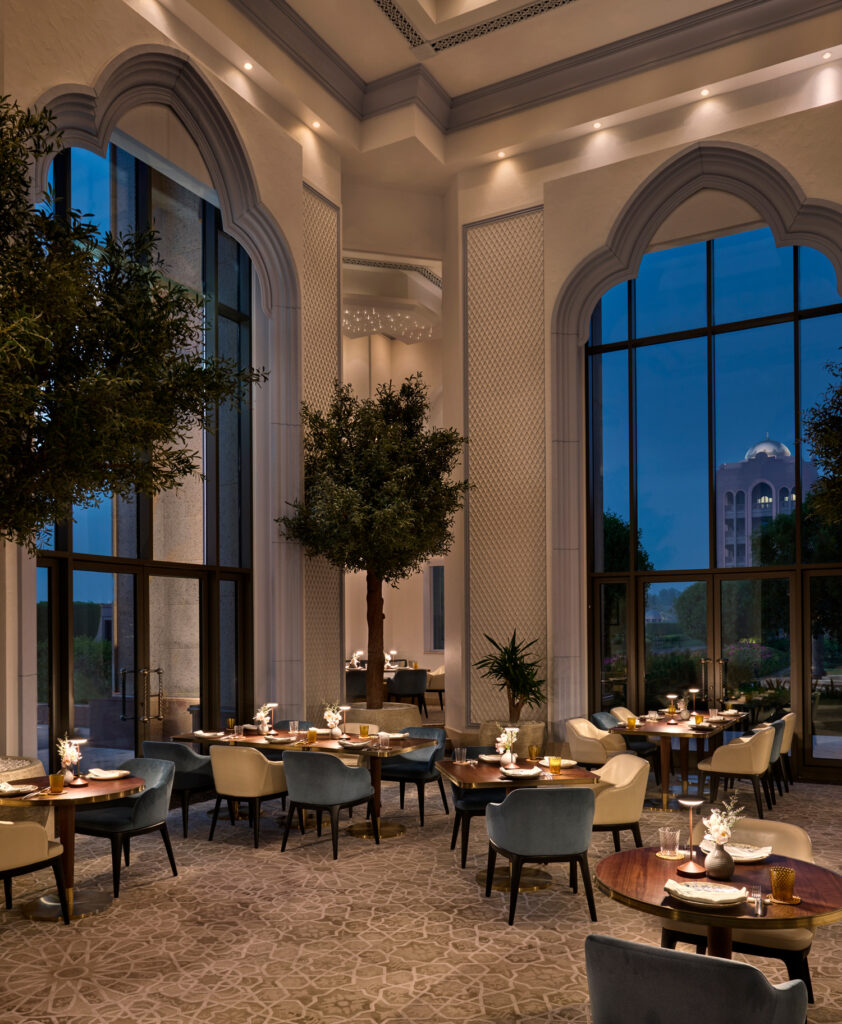
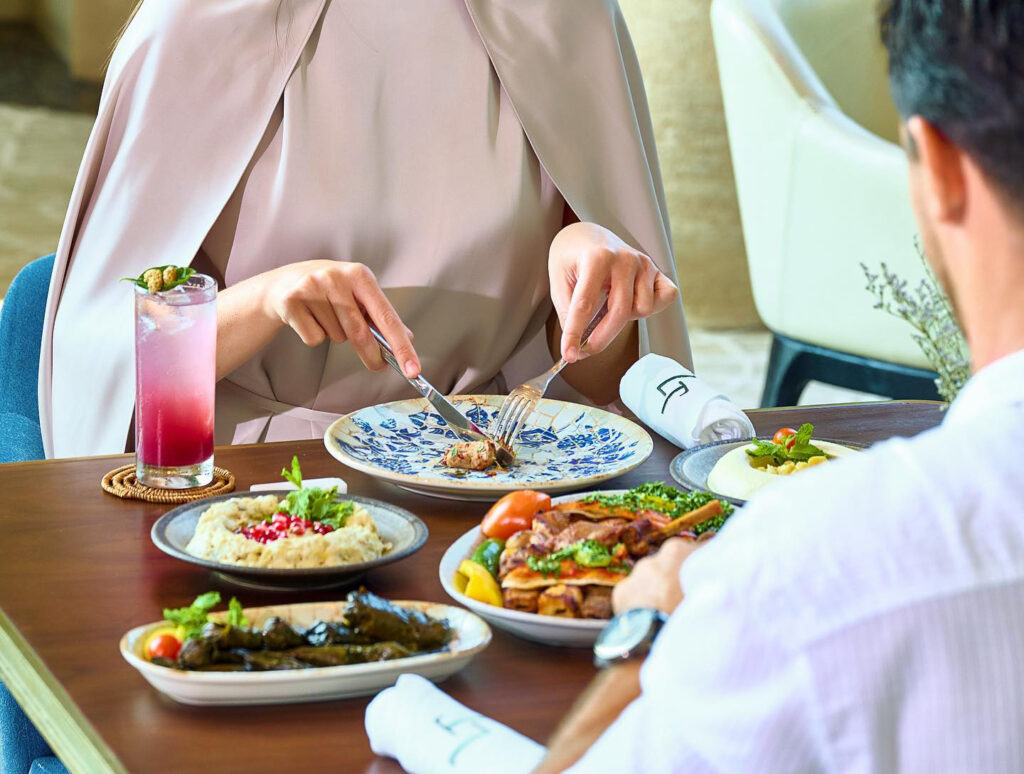
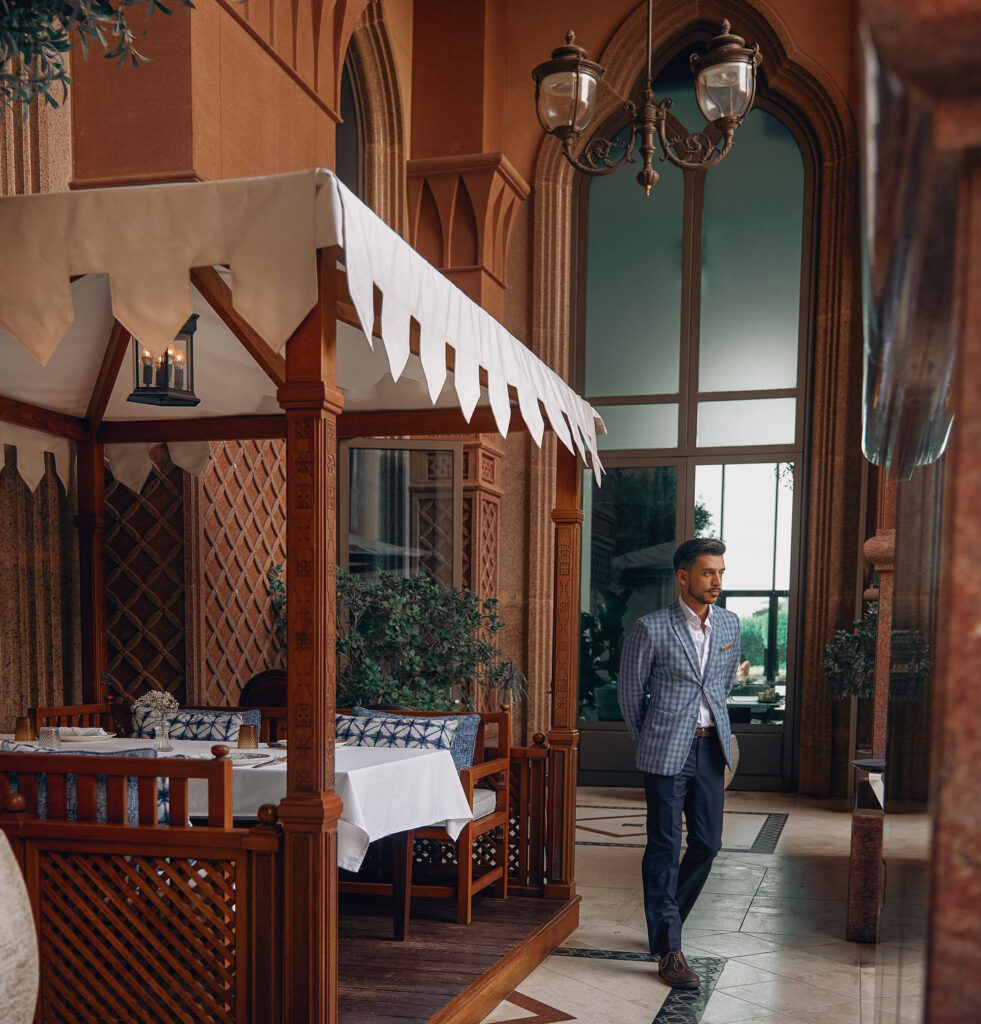
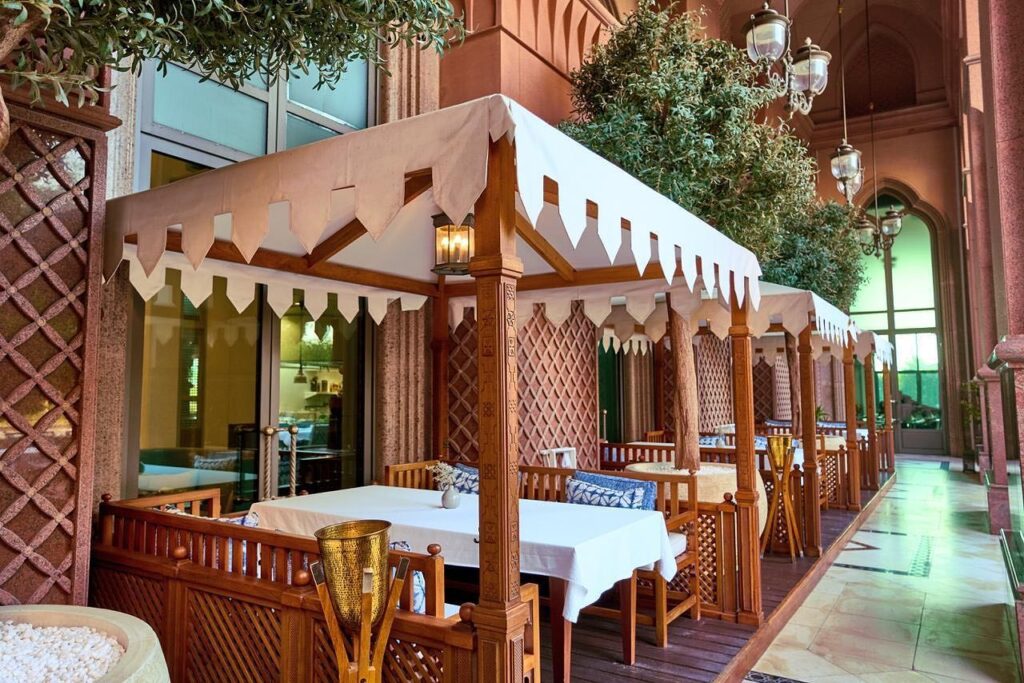
We dined on a pleasantly cool evening, seated in one of the outdoor booths where fire elements provided warmth and atmosphere. The setting felt immediately transportive, the kind of space that makes you forget you’re in a hotel restaurant. The warm and inviting atmosphere, coupled with soaring greenery and decorated ceilings, created an environment perfect for lingering over mezze and grilled meats. Indoor and outdoor seating areas accommodate up to 220 guests combined, yet our section felt intimate rather than crowded, with enough space between tables for conversation to remain private.
The starters
We began with fattoush, the classic Levantine salad that seems simple until you taste one made properly. Tomato, cucumber, and lettuce formed the base, dressed with lemon juice, olive oil, and sumac powder. The vegetables were impeccably fresh, cut to sizes that allowed each component to be tasted individually whilst creating harmony on the fork. The sumac provided that distinctive tangy note that makes fattoush recognizable, whilst the olive oil was fruity without being overpowering. Crisp pieces of toasted pita, added just before serving, retained their crunch, providing textural contrast to the vegetables.

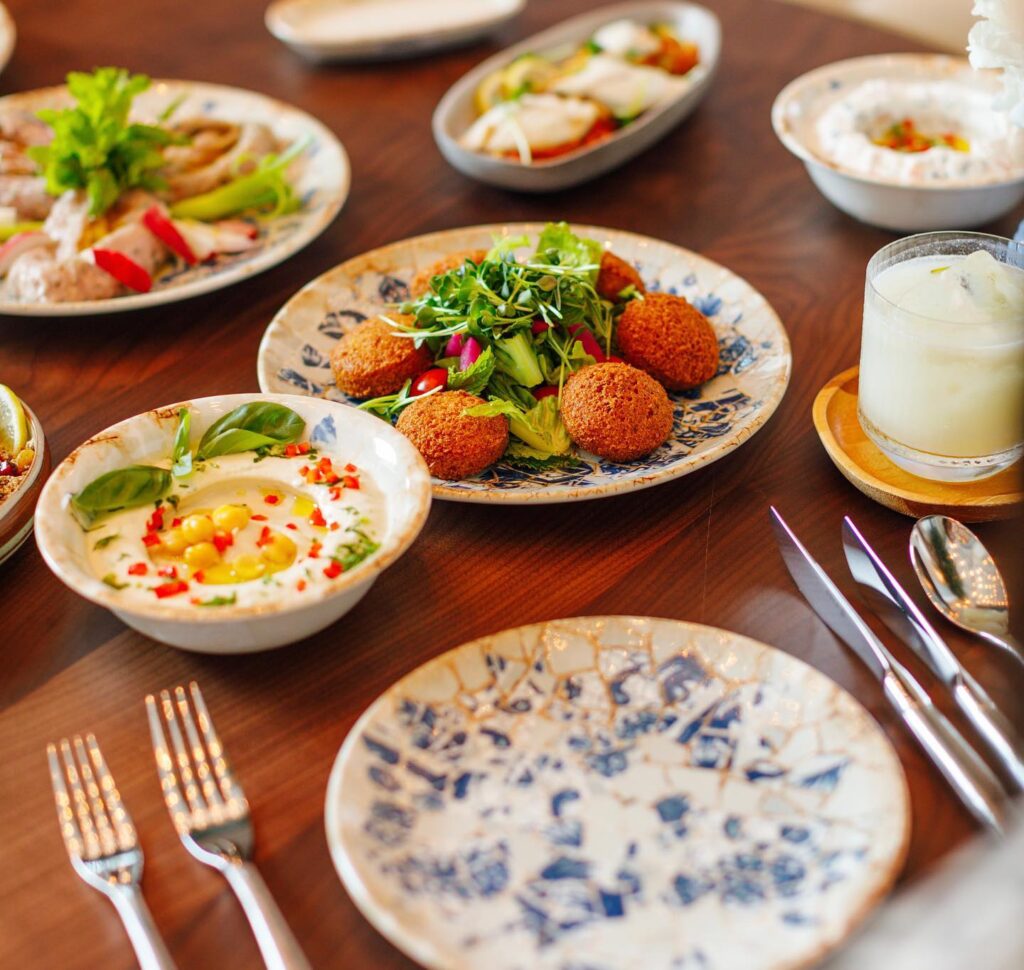
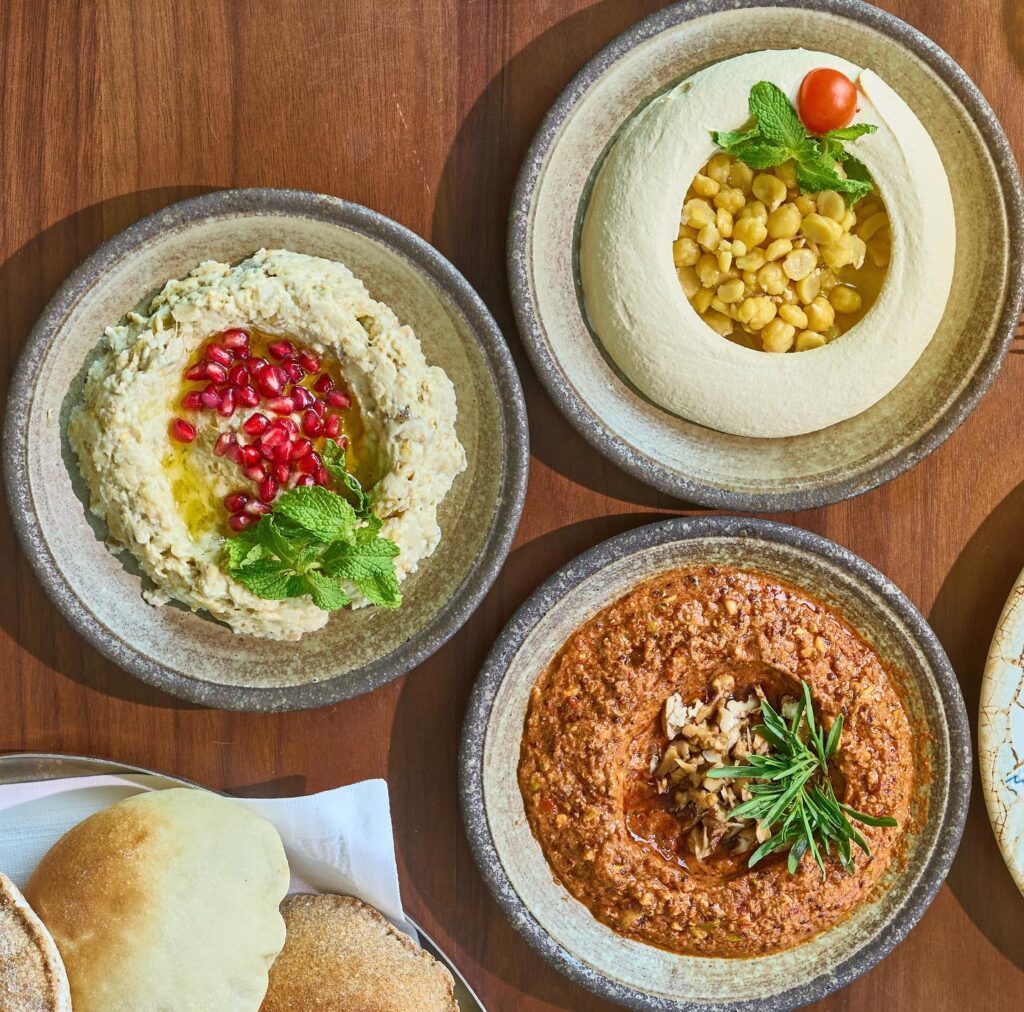
The hummus arrived alongside, a dish so ubiquitous that excellence often goes unnoticed whilst mediocrity is quickly forgiven. This was excellent. The purée of chickpeas with tahini and lemon achieved the proper balance between nutty richness from the tahini and bright acidity from the lemon. The texture was silky smooth without being pasty, with enough body to hold its shape on the plate but yielding immediately to the bread. We could taste the quality of the tahini, which made all the difference. A drizzle of olive oil on top and a sprinkle of paprika completed a dish that proved how elevated simplicity can be when executed with care.
The main course
For our main, we ordered the assorted seafood platter, a generous selection of grilled lobster tail, jumbo prawns, hammour, and salmon served with grilled vegetables. This was the kind of dish that announces the kitchen’s capabilities immediately. The char-grilling had been executed with precision, achieving proper caramelisation without any trace of bitterness or burnt flavour.
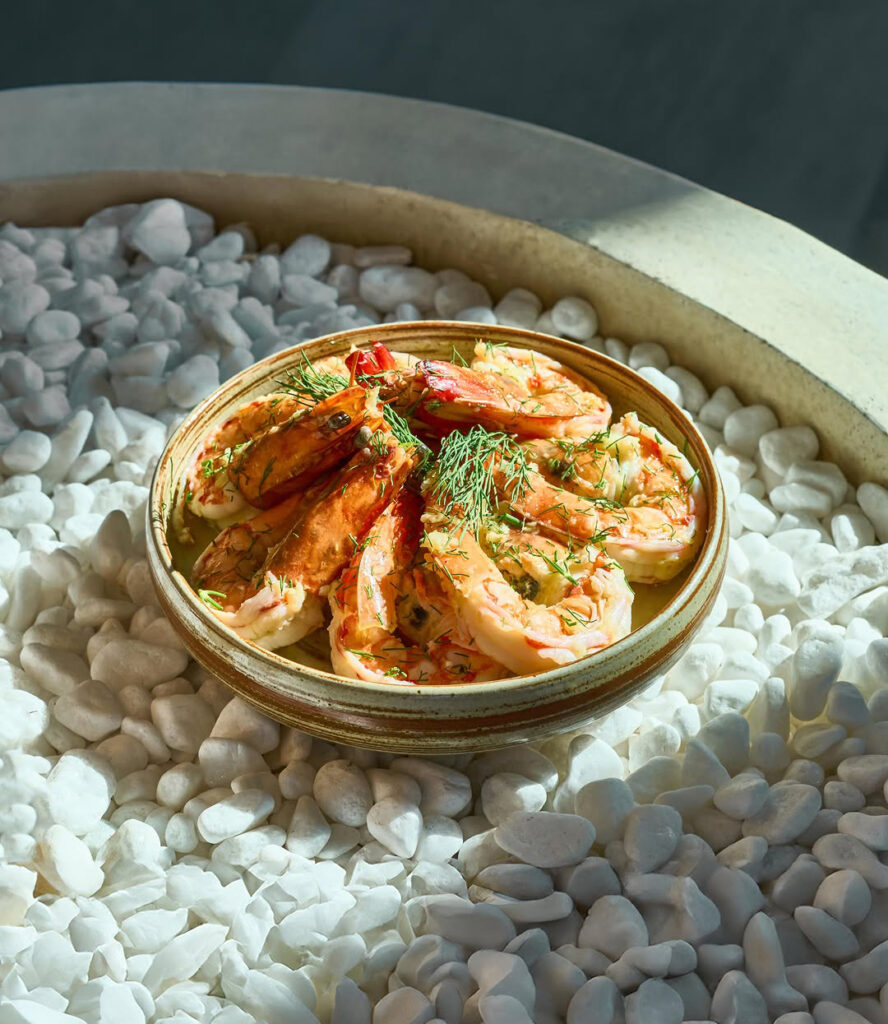
The lobster tail arrived perfectly cooked, the meat opaque and tender with a slight spring when bitten. Too often, lobster is either undercooked and translucent or overcooked and rubbery. This was neither. The char added complexity to the sweet, delicate flesh without overwhelming it. Jumbo prawns, similarly treated, had developed a lovely crust whilst remaining juicy inside. The hammour, a local fish prized throughout the Gulf, had firm white flesh that held together on the grill whilst developing those attractive char marks. The salmon, richer and oilier than the other seafood, provided contrast, itsfattiness enhanced rather than masked by the grilling.
Grilled vegetables accompanied the seafood, not as an afterthought but as genuine components of the dish. Bell peppers, courgettes, and tomatoes had been grilled until soft and slightly caramelised, their natural sugars concentrated by the heat. These weren’t limp, steamed vegetables thrown on a plate. They’d been treated with the same care as the seafood.
The accompaniment
We added an order of crispy chilli and garlic potato, which proved inspired. Fried potato cubes arrived golden and crisp, tossed with green coriander and chilli that provided heat without overwhelming. The potatoes were fluffy inside with a substantial crust, the kind that requires proper temperature control and patience. Fresh coriander added brightness, whilst the chilli built gradually, warming rather than burning. This was the sort of side dish that could easily steal focus from the main, yet somehow complemented the seafood perfectly.
The dessert
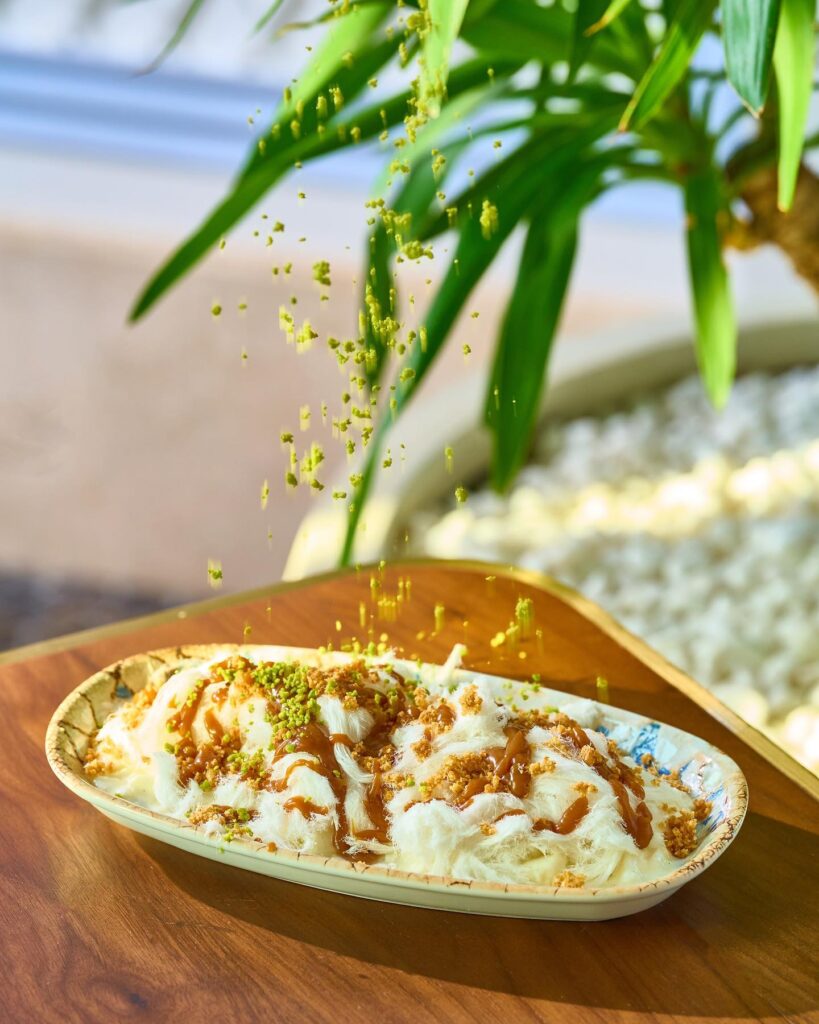
Gazleyah, or cotton candy, concluded the meal in a way we hadn’t anticipated. Muhalabia, a traditional Middle Eastern milk pudding, was presented with cotton candy and caramel sauce. The muhalabia itself was delicate, with a subtle sweetness and creamy texture that melted on the tongue. The cotton candy, which could have been a gimmick, actually worked, dissolving into sugary wisps that combined with the caramel sauce to create layers of sweetness and texture. This was playful without being frivolous, unexpected without being bizarre. It felt like a dish with roots in tradition that had been given a contemporary twist, which suited the restaurant’s overall approach.
The setting and atmosphere
Lebanese Terrace succeeds in creating an environment that feels authentically Lebanese whilst sitting firmly within the Emirates Palace grounds. The design elements work together rather than competing. Olive trees provide vertical interest and shade, their silvery leaves catching the light. Stained-glass windows filter the sunlight during day service, creating patterns on the tables. The aquamarine walls reference the Mediterranean without being literal or heavy-handed.
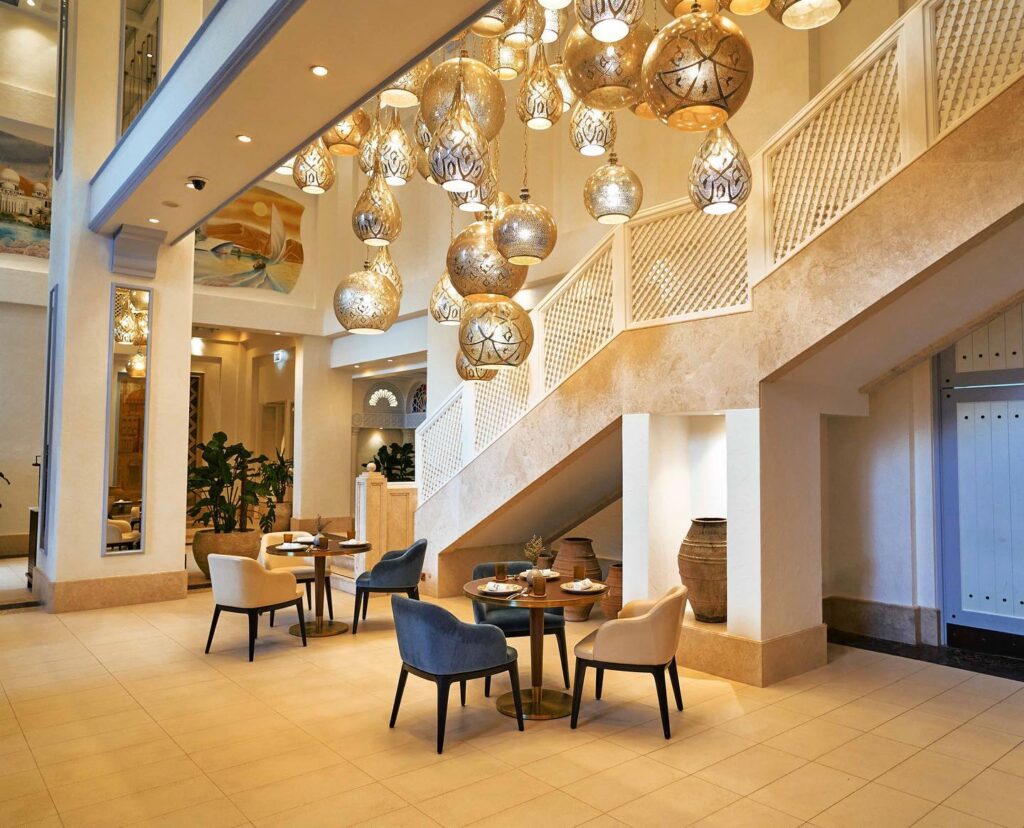
The outdoor booths where we sat proved ideal for the temperature that evening. Fire elements provided warmth as the sun set and temperatures dropped, creating cosy pockets of heat without making the space feel enclosed. The booth design allowed us to face each other comfortably whilst maintaining some privacy from neighbouring tables. Service staff could approach easily without hovering, and the sightlines to the kitchen and bar kept things feeling connected to the larger restaurant.
The beverage programme
The cocktail menu focuses on Lebanese wines and arak, the traditional anise-flavoured spirit that pairs beautifully with mezze. We tried a selection of cocktails alongside our meal, each incorporating Middle Eastern flavours and ingredients. The mixologists clearly understood the cuisine, creating drinks that complemented rather than competed with the food. From crisp whites to robust reds, the wine selection represents both passion and craftsmanship, with bottles chosen to pair naturally with the cuisine’s bold flavours and spices.
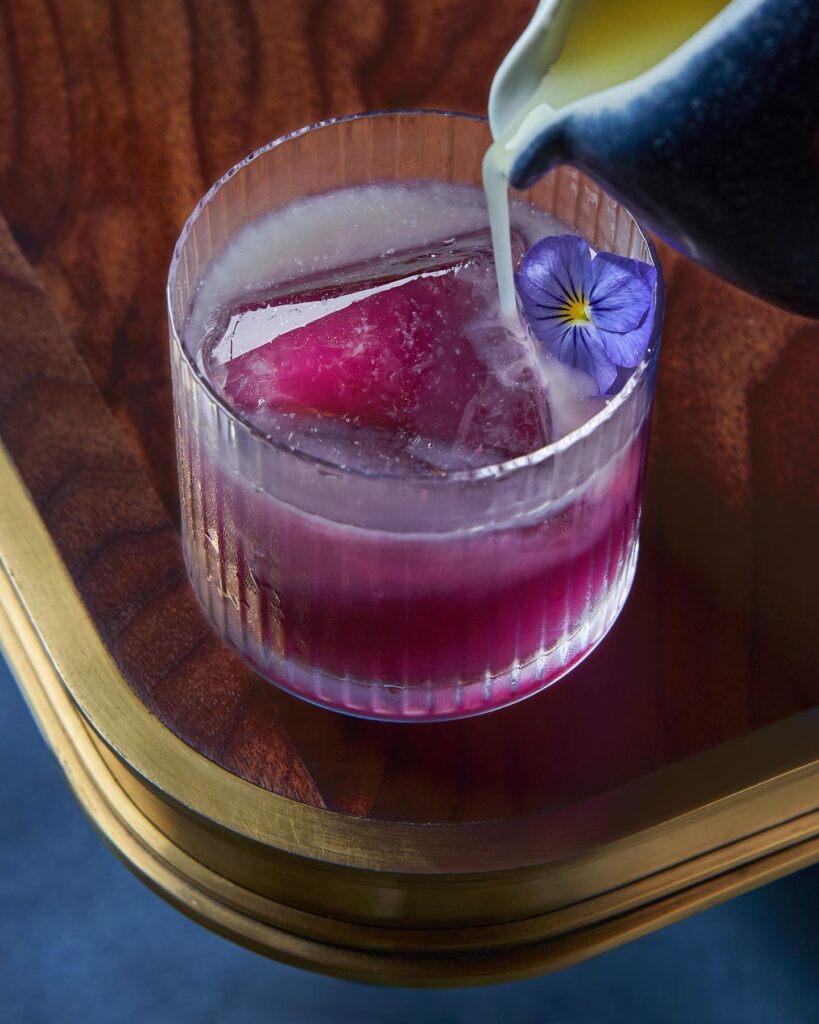
Fresh juices and traditional teas round out the beverage offerings. The attention paid to these non-alcoholic options felt genuine rather than perfunctory, with fresh ingredients and proper preparation elevating what could have been an afterthought into something worth ordering.
Understanding Chef Gilber’s approach
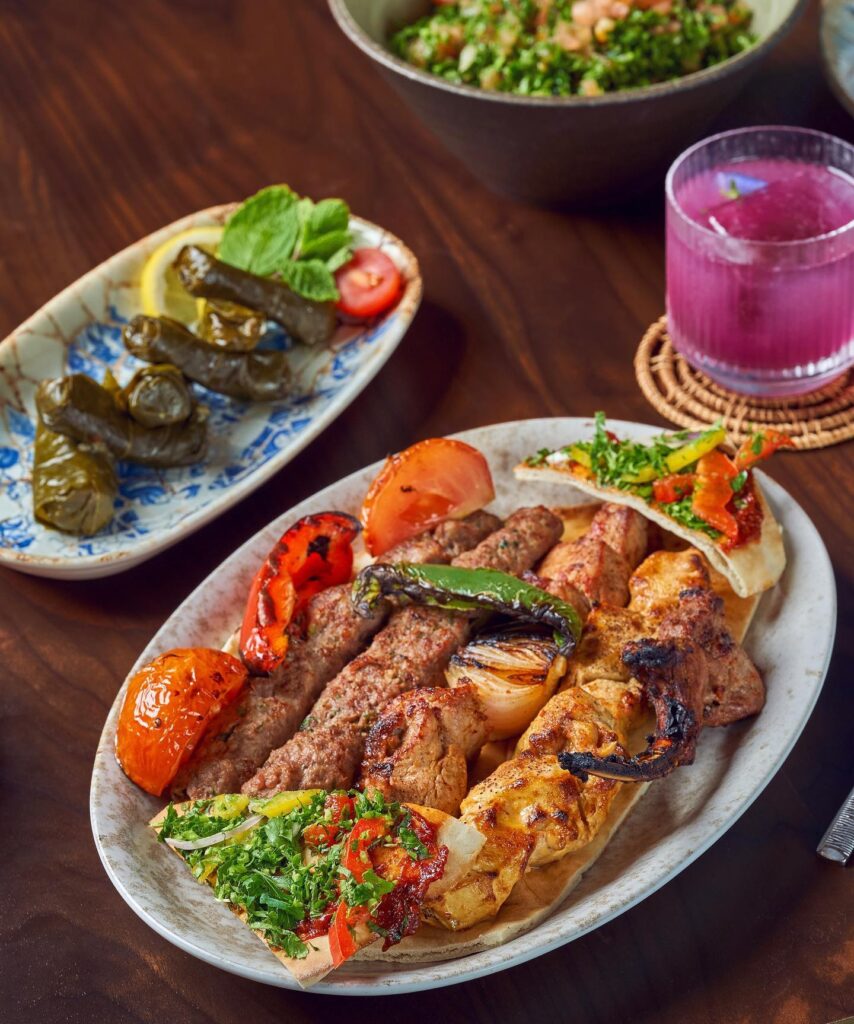
Chef Gilber Sakr’s love for his Lebanese homeland comes through in every dish. This isn’t fusion cooking or modern reinterpretation. It’s traditional Lebanese cuisine prepared with excellent ingredients and proper technique. The menu features charcoal-grilled meats, seafood platters, and mezze that follow established recipes whilst allowing quality ingredients to shine.
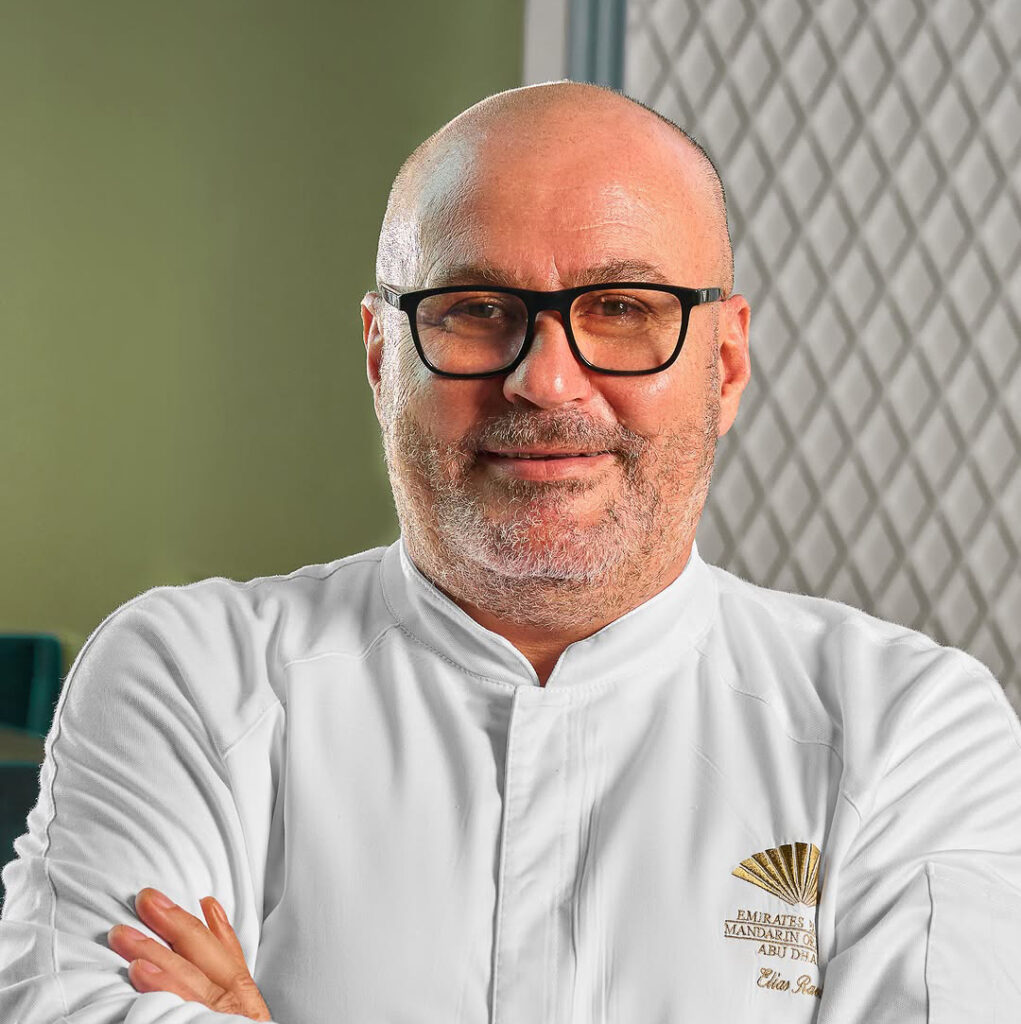
The kitchen uses the freshest available produce, preparing dishes like Hummus Bel Habak, Cabbage rolled with Castaletta, Kafta Bel Habak, and Ashta Bel Moukasarat daily. This commitment to freshness means the menu can shift slightly based on what’s available, though the core offerings remain consistent. It’s an approach that respects both the cuisine’s traditions and the reality of seasonal availability.
The service
Throughout the evening, our servers proved knowledgeable about the menu without being rehearsed or robotic. When we asked about ingredients or preparation methods, we received clear, detailed answers. Recommendations felt genuine rather than scripted, based on what we’d ordered and enjoyed rather the popular dishes.
Pacing was handled well, with enough time between courses to enjoy what we’d eaten without waiting so long that momentum was lost. Water glasses stayed filled, used plates were cleared promptly, and new courses arrived at the right temperature. This might sound basic, but consistency across these fundamentals separates good service from mediocre, and Lebanese Terrace delivered consistently.
The verdict
Lebanese Terrace brings authentic Lebanese coastal cuisine to Emirates Palace with genuine skill and care. The setting transports you to the Mediterranean whilst remaining distinctly part of the palace grounds. Chef Gilber Sakr’s cooking honours Lebanese traditions without being constrained by them, allowing quality ingredients and proper technique to create dishes that feel both familiar and special.
The assorted seafood platter alone justifies a visit, with char-grilling executed at a level that many restaurants aspire to but few achieve. The mezze selections, from the silky hummus to the bright fattoush, prove that simple dishes become extraordinary when done properly. Even the playful dessert, which could have been merely theatrical, worked beautifully.
For anyone seeking Lebanese cuisine in Abu Dhabi, Lebanese Terrace deserves serious consideration. This is cooking rooted in tradition, executed with skill, and served in an environment that enhances rather than distracts. We left satisfied, impressed, and already planning our return to explore more of the menu. The wild herbs and spices scents transported us to Mediterranean shores, whilst the setting reminded us we were somewhere genuinely special.