


Porsche has unveiled the 975 RSE, its next-generation Formula E contender built to the sport’s new GEN4 regulations. With 816 PS on tap, permanent all-wheel drive and top speeds approaching 335 km/h, this is the most capable electric race car the Stuttgart marque has ever built. It also happens to arrive in the year Porsche Motorsport celebrates its 75th anniversary, and as the reigning Formula E Manufacturers’ World Champion. Timing, as ever, is everything.
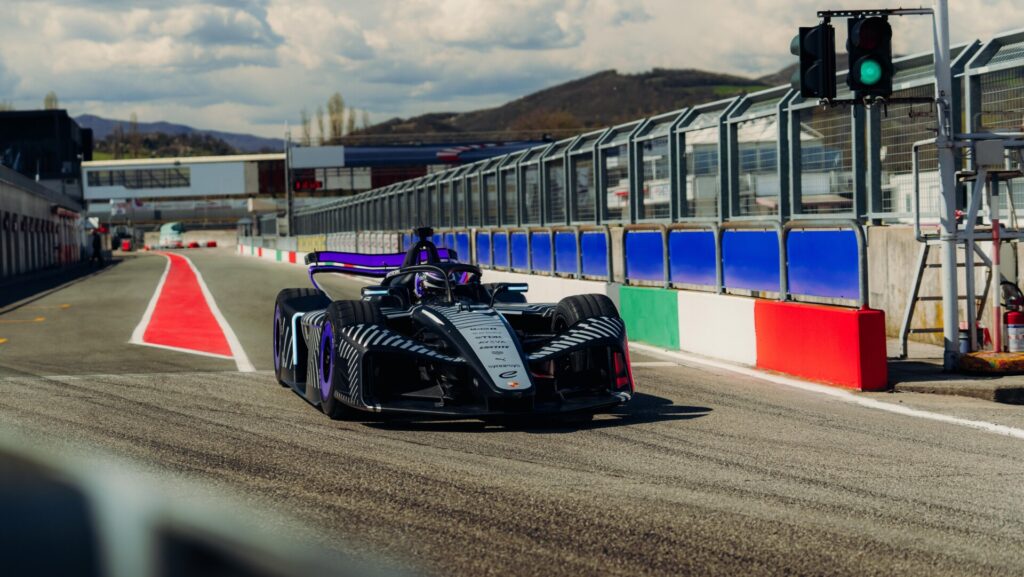
“The GEN4 shows how far electric vehicles have evolved. When the championship started in 2014, every driver needed two cars per race. One battery alone was not enough to cover the full race distance. Those days are long gone. Since 2024, we have been developing a race car that puts us on the level of Formula 2 cars. EVs are not only catching up with the standards we are used to; their strengths are becoming increasingly evident – on the track and on the road.”
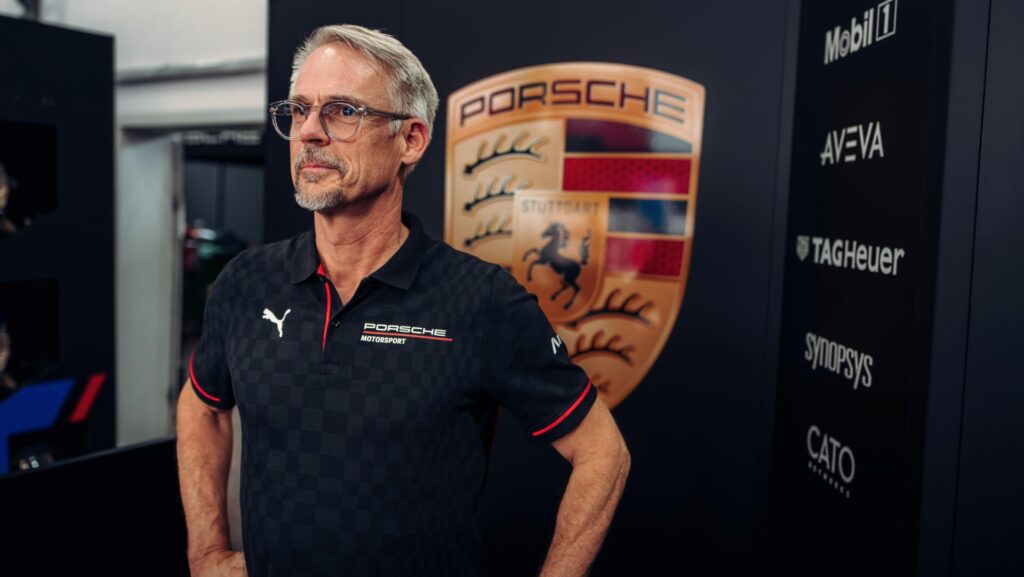
Thomas Laudenbach, Vice President Motorsport, Porsche AG
When Formula E launched in 2014, drivers required two cars per race because a single battery could not last the distance. Porsche has now presented it’s solution, the 975 RSE, and it is the clearest demonstration of how far the technology has come.

The 975 RSE complies with the fourth generation of Formula E regulations, known as GEN4, and is set to make its race debut in December. Its name is a nod to the 75th anniversary of Porsche Motorsport in 2026, a milestone that the brand is marking with what it describes as its most extensive Formula E hardware package to date.
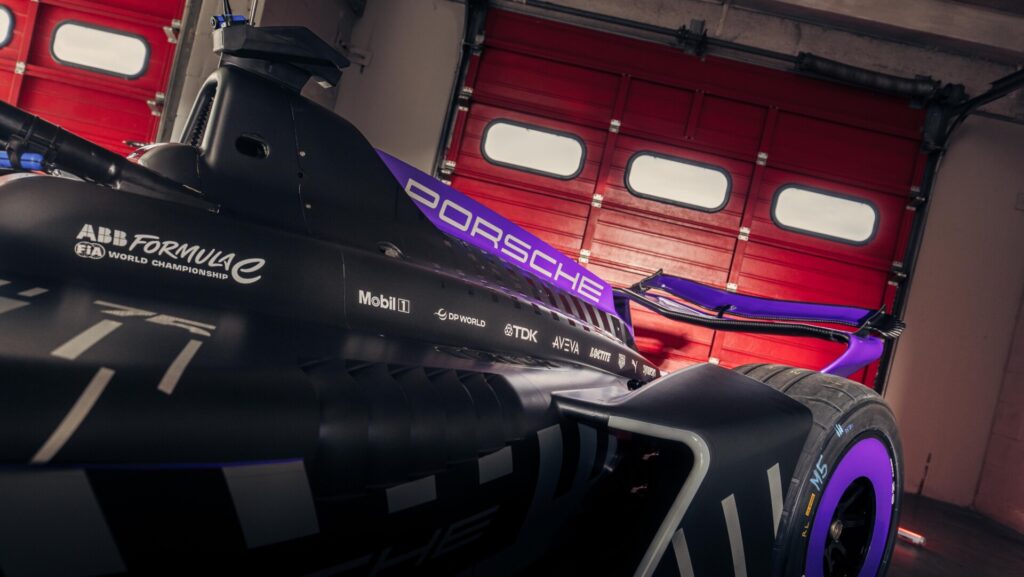
The car follows the 99X Electric, which has been Porsche’s most successful Formula racing car to date, having claimed four world championship titles across the past three seasons. The 99X will contest its final race at the London season finale in August. Then the baton passes.
816 PS from a standing start
The numbers attached to the GEN4 generation are pretty impressive. In standard racing trim, the 975 RSE produces 450 kW (612 PS). Activate Attack Mode and that rises to 600 kW, or 816 PS. The car reaches 100 km/h in approximately 1.8 seconds, and the team expects top speeds of up to 335 km/h. For context, that places it in the same performance bracket as Formula 2.
Permanent all-wheel drive comes as standard, paired with Bridgestone tyres developed specifically for the GEN4 car. Each driver receives two sets per race weekend, with a third allocated for double-header events. A dedicated set of wet-weather rubber is available for heavy rain, with a second set permitted on double-header weekends.
The aerodynamics argument
For the first time in the championship’s history, aerodynamic downforce plays a meaningful role in how a Formula E car handles. Combined with new tyres and all-wheel drive, the result is considerably higher cornering speeds than any previous generation of the car has been capable of.
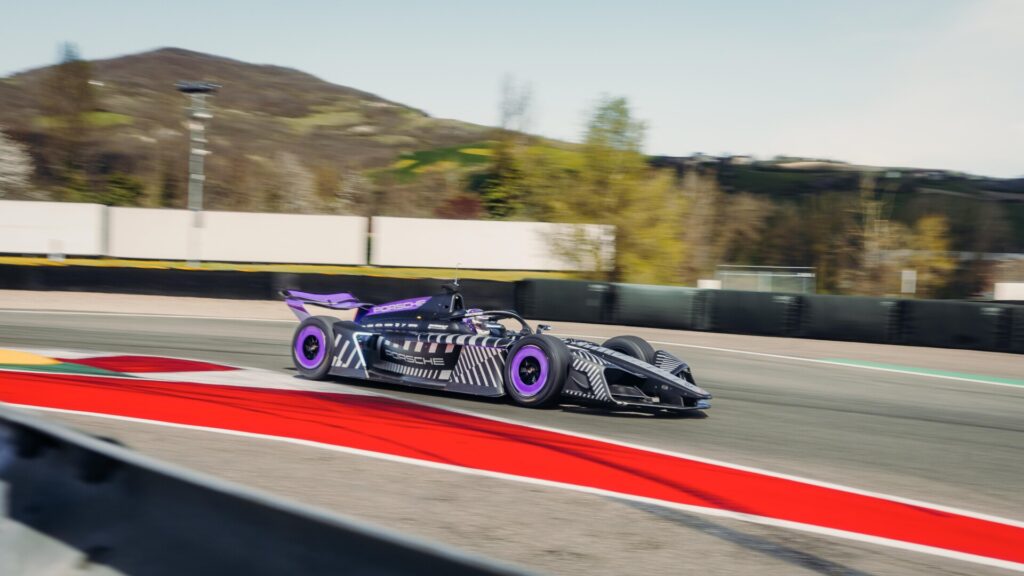
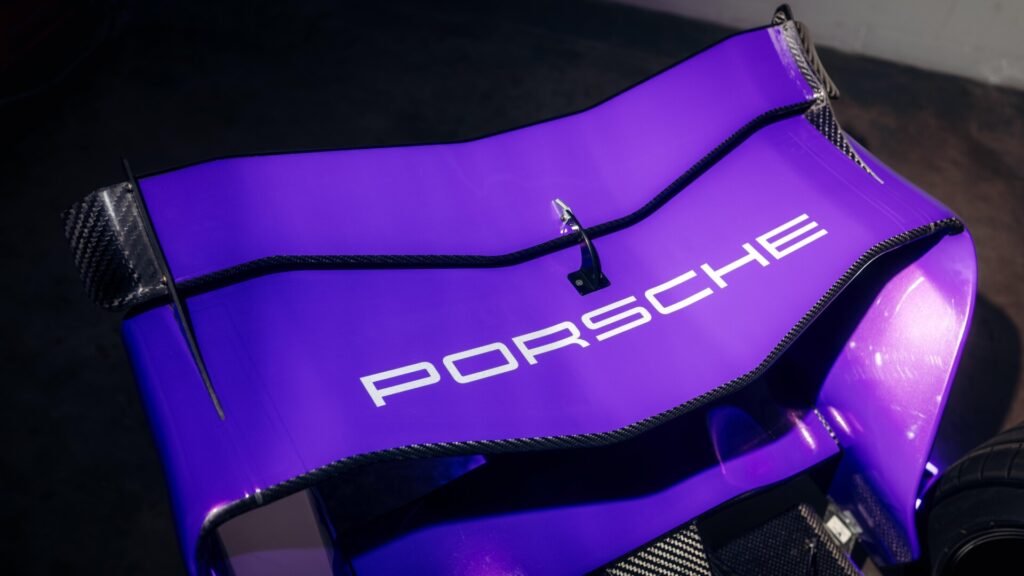
Porsche uses two distinct aerodynamic packages. Races call for a low-downforce configuration, reducing drag and preserving energy. Qualifying, where energy management is less critical, uses a high-downforce setup that generates up to 150 per cent more downforce than the previous GEN3 Evo car. It is a considered approach to a discipline where efficiency and outright speed are not always the same thing.
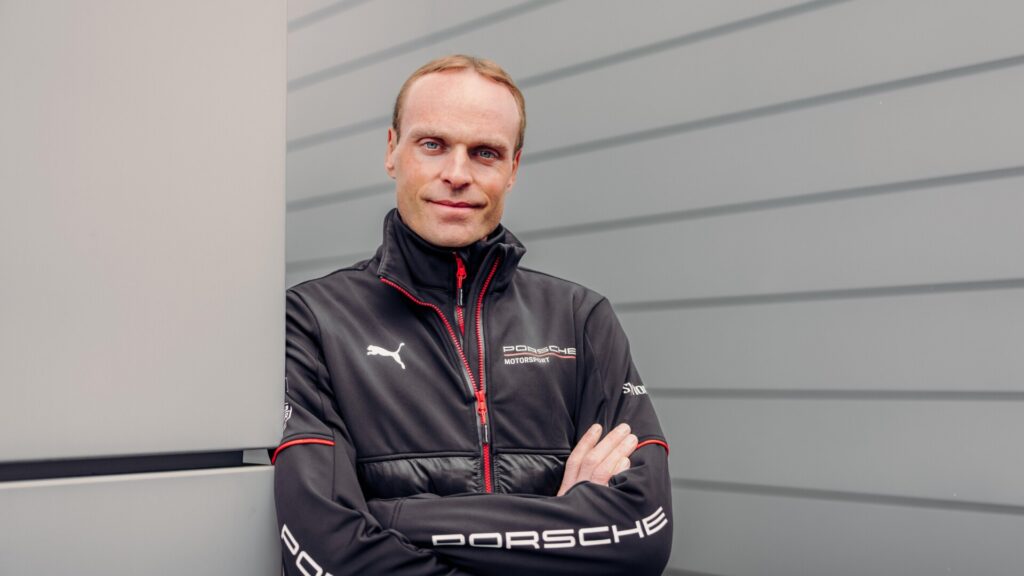
“Within roughly a decade, Formula E has become so fast that aerodynamic downforce is now a necessity. However, downforce always comes with drag and increases energy consumption. To maintain a strong focus on efficiency, we use two different aero packages with distinct bodywork components: a low-downforce package with reduced drag for the races, and a high-downforce package for qualifying, where energy consumption isn’t relevant. We are talking about up to 150 percent more downforce compared to the GEN3 Evo.”
Olivier Champenois, Technical Project Leader Formula E, Porsche Motorsport
Engineering from the inside out
Drivetrain efficiency in the GEN3 Evo-generation 99X Electric already exceeded 97 per cent, meaning less than three per cent of energy is lost between battery and wheels. With efficiency margins narrowing, the GEN4 development programme turned its attention to weight, durability and cost.
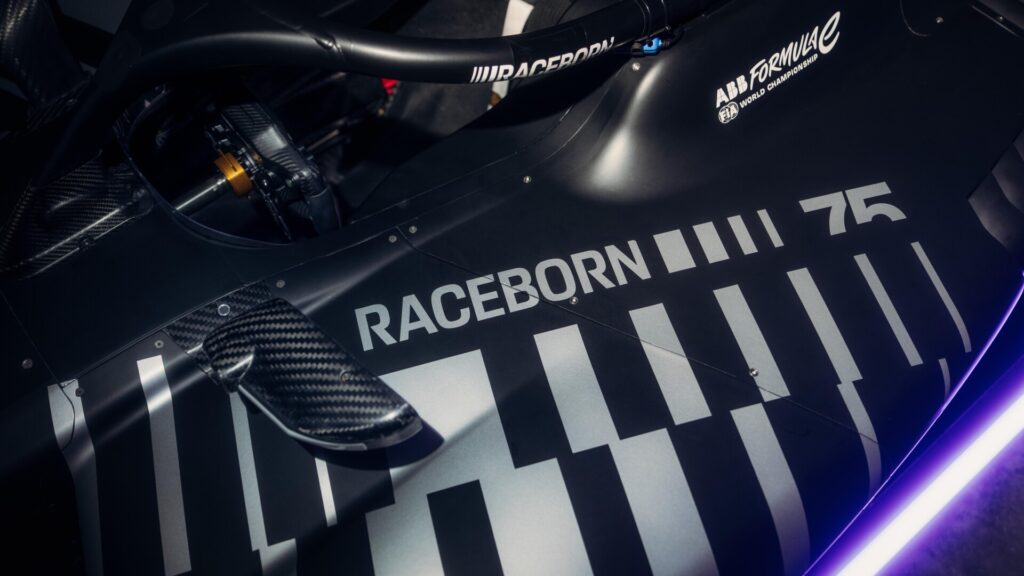
The 975 RSE produces 71 per cent more peak power than its predecessor. Despite that uplift, the team managed to reduce the weight of numerous components, with the total parts package permitted to grow by just five kilogrammes. The car weighs 954 kg without a driver and measures up to 5,540 mm in length.
Porsche has developed a wider range of components in-house for the 975 RSE than for any previous Formula E car. The list covers the DC/DC converter, pulse inverter, electric motor, gearbox, electronics and wiring looms, front and rear differentials including control units, drive shafts and further drivetrain components on the rear axle, along with the brake-by-wire system and operating software. The battery remains a standard-supplied unit across all competitors.
Energy recovery at scale
The 975 RSE carries a lithium-ion battery with a usable energy capacity of 51.25 kWh. Of the energy consumed per race, approximately 40 to 50 per cent is recovered through regenerative braking, with the system capable of recouping up to 700 kW. The car also supports Combined Charging System fast-charging at up to 600 kW, a figure that reflects the wider ambitions of road-car electrification.
The brake system is equally sophisticated. Regenerative braking delivers up to 350 kW of electrical braking power across both axles, supplemented by friction brakes via a brake-by-wire system when additional deceleration is required. Brake disc outer diameter, front and rear, measures 275 mm.
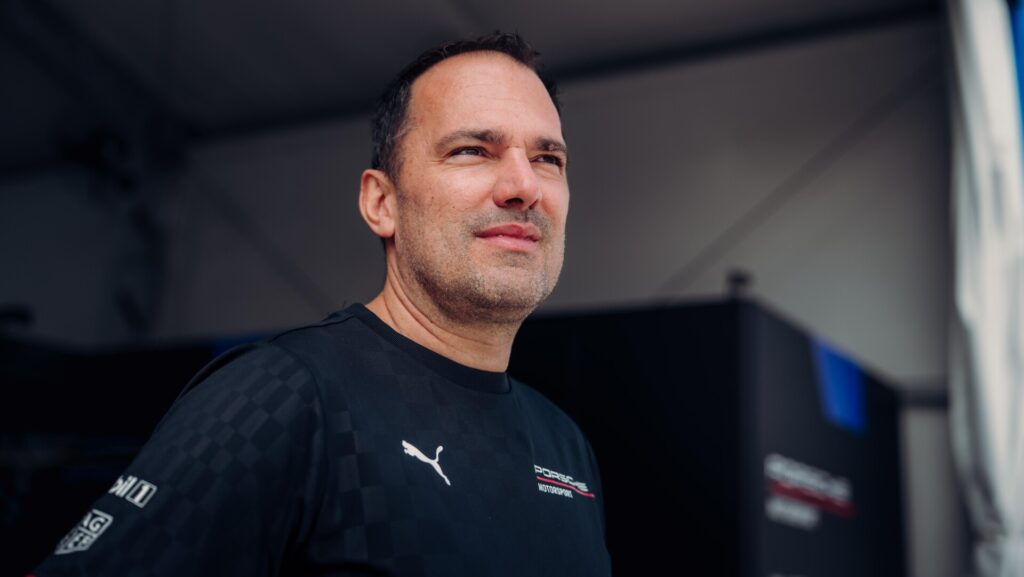
“The concept remains the same: the regulations force us to maximise the efficiency of our cars in every respect – because that makes us relevant for the road. The races should become even more attractive, as the new cars are considerably faster. The acceleration is impressive, and we expect top speeds of up to 335 km/h. I’m very curious to see how the fans will react.”
Florian Modlinger, Director Factory Motorsport Formula E, Porsche AG
From simulator to circuit
The 975 RSE completed its first track running in November 2025, and had logged 1,860 test kilometres by early April 2026. Factory drivers Pascal Wehrlein and Nico Müller have shared testing duties throughout, a deliberate arrangement that allows the car to be tailored to both of their preferences.
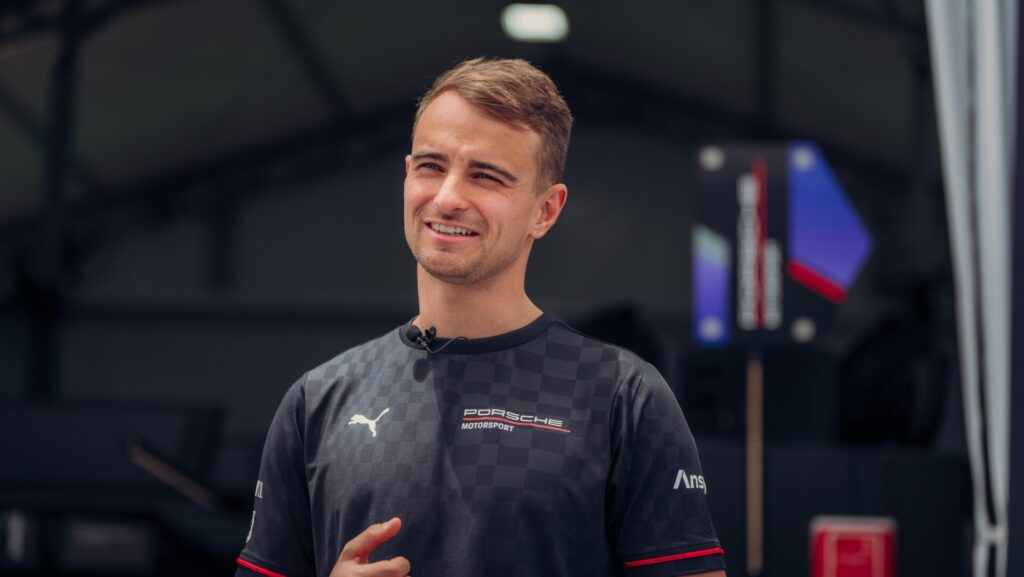
“The 975 RSE and its competitors are a massive step forward for the sport. I’m a big fan of how aggressively you can drive. Especially in qualifying, when everyone is pushing to the limit, it should be spectacular – particularly because of the strong acceleration out of the corners. I’m glad I was involved in the simulator work from the beginning. Pascal and I share the testing duties. That’s good, because it allows us to tailor the 975 RSE precisely to our needs.”
Nico Müller, Factory Driver, Porsche AG
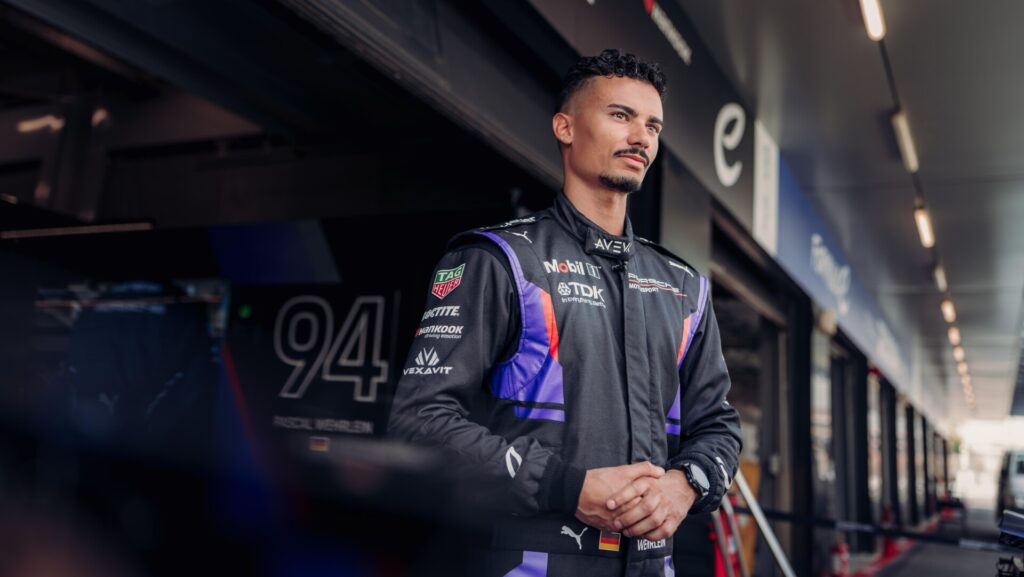
Development continues through to October, at which point the focus shifts to software optimisation. The Porsche customer team will also conduct testing ahead of FIA homologation in the autumn. The race debut is scheduled for December, with Porsche going into that campaign as the sport’s reigning Manufacturers’ World Champion.
Formula E has travelled a long way in twelve years. The 975 RSE is proof of where it is headed.