



For decades, London’s commercial property market prioritised scale over character. Glass towers, uniform floorplates and inflexible leases became shorthand for success, even as they stripped workplaces of identity. In recent years, that model has begun to fracture. What has emerged instead is not a rejection of luxury, but a redefinition of how it is expressed in commercial space.
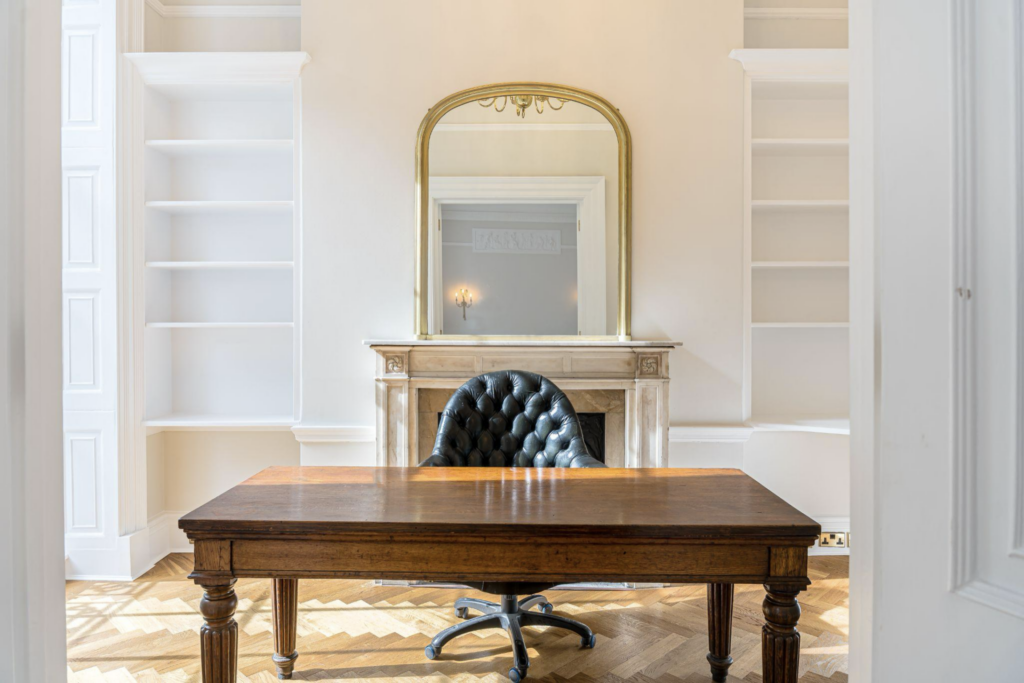
At the centre of this change is The Drayton, a serviced office provider operating across five central London locations Mayfair, Fitzrovia, Marylebone, Holborn, Bloomsbury & Bristol launching this year. Its approach is deliberately selective, acquiring overlooked period buildings, restoring them with design-led restraint, and operating them as discreet business members’ clubs rather than anonymous workplaces.
A market moving in opposite directions
Much of the serviced office sector has struggled to adapt to post-pandemic conditions. Large operators have reduced portfolios, surrendered leases and competed aggressively on price. Across the market, occupancy has remained uneven, particularly with spaces that are not perfectly located.
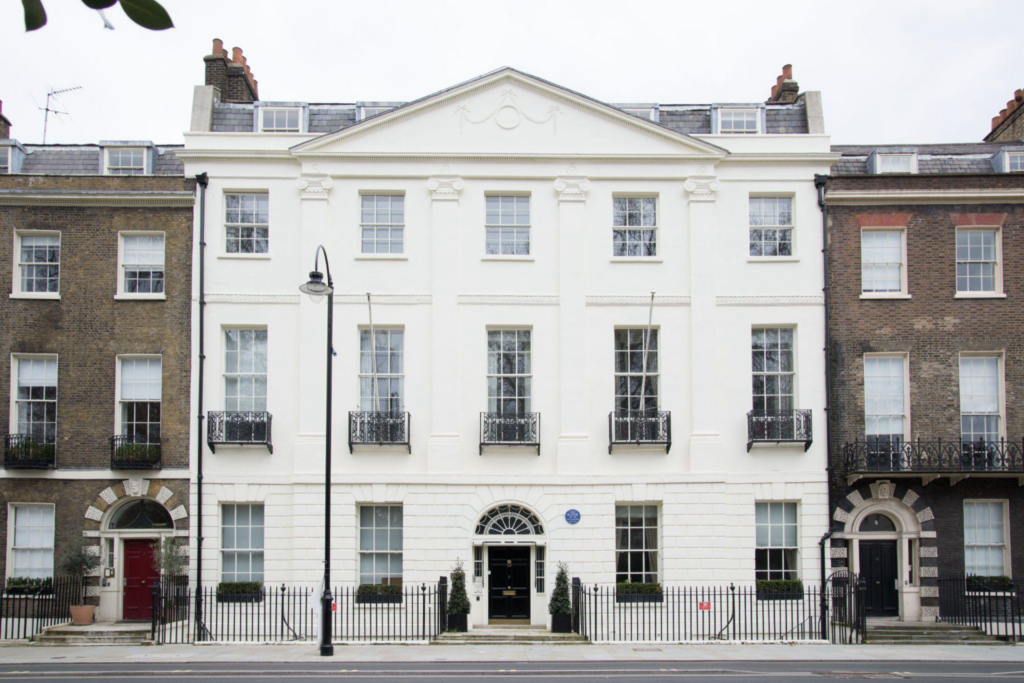
The Drayton has taken a different path, with several of its buildings operate at full occupancy, despite premium pricing and limited overt marketing. The contrast raises a fundamental question for the sector: what are occupiers now willing to pay for?
Luxury as an identity
The answer lies in how luxury is being defined. The Drayton’s interior design embraces a deliberately curated aesthetic, combining antiques with inventive use of original architectural features. In several buildings, historic elements have been reimagined for contemporary use, such as former vaulted spaces converted into private phone rooms. High ceilings, restored fireplaces and residential-scale rooms replace the visual uniformity typical of conventional co-working environments, creating spaces that are intentionally distinctive and, at times, quietly polarising.
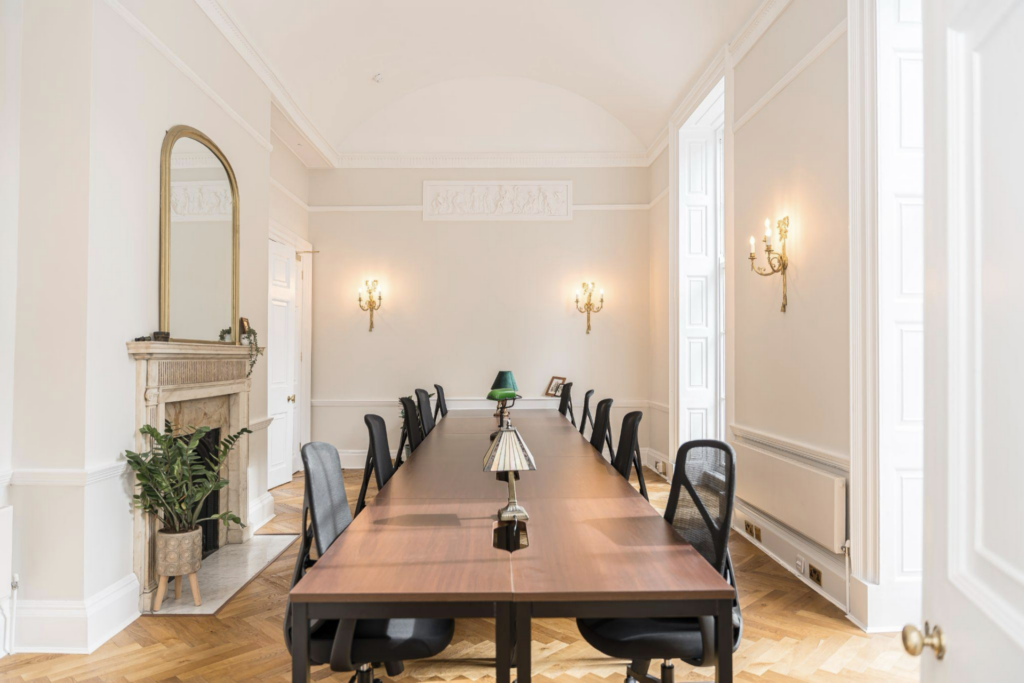
Equally important is what is absent. The buildings are deliberately unbranded, where occupiers do not operate under a workspace provider’s identity, they present the space as their own headquarters. In a market where perception, credibility and client experience carry commercial value, that autonomy has become a differentiator.
The commercial power of presentation
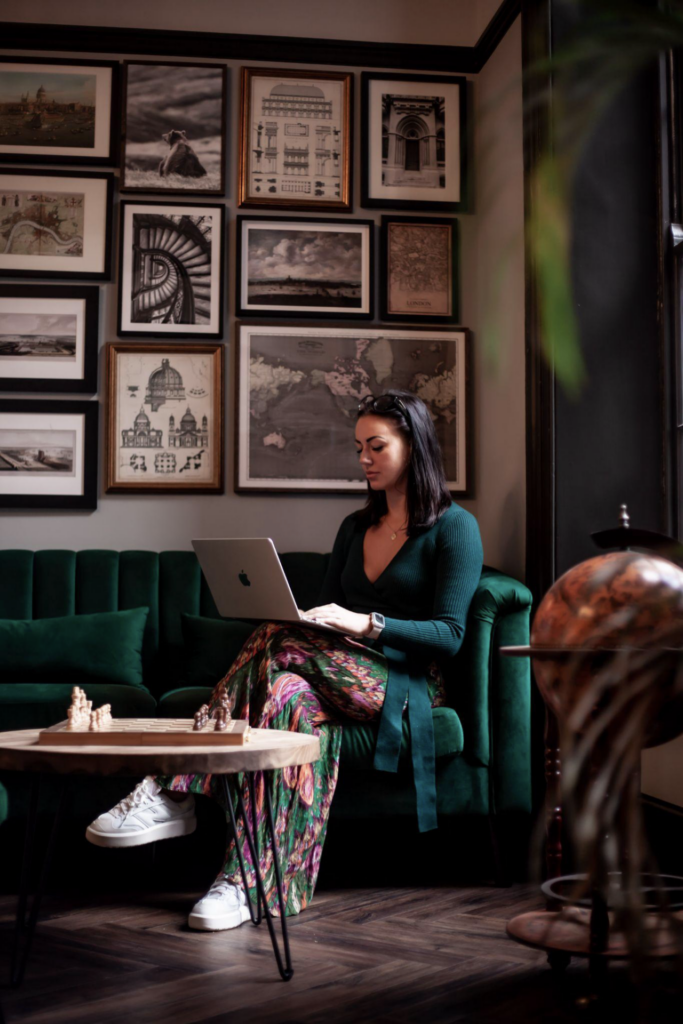
The images accompanying this article reflects another departure from industry norms. The Drayton’s front-of-house and sales operation is led predominantly by women, drawing more from luxury hospitality than traditional property sales.

“We recruited both male and female sales managers, and consistently saw stronger results from the women, we built a culture that rewards success in ways that feel aspirational and motivating. The result is a team that takes pride in presentation and performance, and attracts high-calibre applicants who align with that ethos.”
Emilia, Sales Manager, The Drayton
In an industry still shaped by conventional hierarchies, the strategy is quietly unconventional.
Why occupiers respond
Tenants are not choosing The Drayton for flexibility alone, as flexibility is now an expectation. They are choosing it because the buildings confer status without overt signalling.
That, in turn, attracts businesses for whom environment is part of brand expression. Interior design studios, marketing agencies, writers in television and film, asset managers and early-stage technology companies all feature among the occupier base. For these businesses, the office functions as a commercial tool, not merely a workplace.
A recalibration, not a reinvention
London’s luxury commercial real estate market has not lost its appetite for quality. What it has lost patience for is compromise. Assets that combine architectural integrity, strong locations and disciplined operation continue to perform. Those reliant on scale alone do not.
The Drayton’s success suggests that the future of premium office space may lie not in reinvention, but in refinement: quieter luxury, clearer positioning, and a sharper understanding of what occupiers value.
About the Author: Robert Jackson is the founder of The Drayton, a luxury serviced office provider operating across central London. With a background in property development and hospitality, he has focused on creating workspace environments that prioritise architectural character and brand autonomy over conventional scale. Under his leadership, The Drayton has established a portfolio of restored period buildings in Mayfair, Fitzrovia, Marylebone, Holborn, and Bloomsbury, maintaining high occupancy rates through a selective approach to building acquisition and tenant curation.
About The Drayton: The Drayton operates a collection of design-led serviced office buildings across central London, specialising in the acquisition and restoration of period properties in prime locations. Each building is operated as a discreet business members’ club, offering flexible terms without conventional branding. The company’s portfolio includes properties in Mayfair, Fitzrovia, Marylebone, Holborn, and Bloomsbury, with expansion planned for Bristol in 2025. The Drayton’s approach emphasises architectural integrity, curated interior design, and a hospitality-informed operational model that attracts businesses seeking workspace environments that function as extensions of their brand identity.