


From corporate finance at Bloomberg and Barclays to building one of the UK’s most promising padel brands, Helm Club member Houman Ashrafzadeh has taken an unconventional path to entrepreneurship. In this exclusive interview with The Executive Magazine, the Founder and CEO of Padium discusses how his experience scaling Urban Greens across London shaped his approach to creating premium sports destinations.
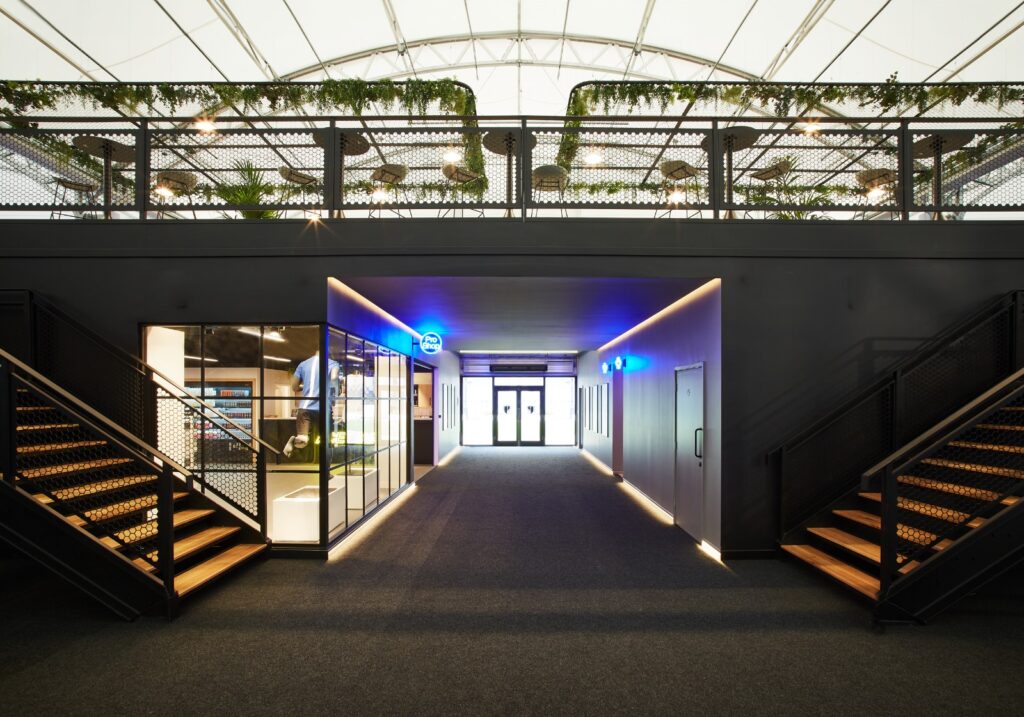
With the flagship Canary Wharf club established and Cardiff opening soon, Ashrafzadeh reveals why he’s building Padium like a hospitality business, the lessons learned from micromanaged corporate environments, and why community-led clubs will outlast the current gold-rush phase of padel’s growth in Britain.
You’ve launched Padium’s flagship club in Canary Wharf and are now expanding to Cardiff with more sites planned across the UK. What skills from your time at Bloomberg, Barclays, and IG have been most useful in building a sports brand?
“A lot of what I took from my time at Bloomberg, Barclays and IG comes down to fundamentals. Structure, discipline, attention to detail, and an understanding of how to operate at scale. Those tools have been incredibly useful when building a brand that needs to be both premium and operationally solid.
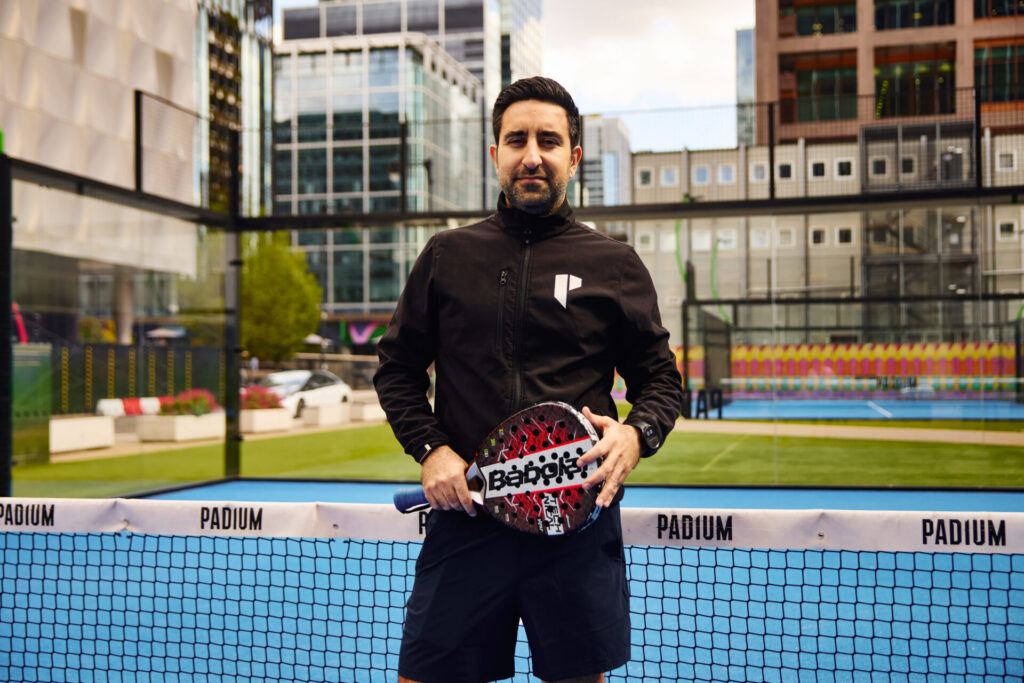
“But just as important was learning what not to replicate. Many of those environments were heavily micromanaged, with very little room for autonomy or creativity. I personally struggled in that kind of culture, where thinking independently or stepping outside a predefined box was discouraged.
“That experience shaped how I’ve built Padium. I’ve tried to create the opposite environment. One where people are trusted, encouraged to think freely, and given space to grow. I push my team to come not just with problems, but with proposed solutions, and then we work through them together.
“That sense of ownership and proactivity has been key. It’s helped us build a strong internal culture, and I genuinely believe that culture is one of the biggest reasons the brand has resonated so well and why we’ve been able to scale with confidence.”
You previously grew Urban Greens across London, giving you hands-on experience in building a consumer brand. What did that experience teach you about creating a strong community at Padium, especially for a sport that’s still growing in the UK?
“Growing Urban Greens was my first real step out of a corporate role and into building a consumer brand hands-on. From day one, my business partner and I were deeply involved in the day-to-day operations. We worked in the store alongside our team, serving customers, making food, washing dishes, literally doing everything.
“That closeness to customers was incredibly valuable. We spoke to them every day, heard their feedback in real time, and quickly learned not to be too attached to our own assumptions. If something wasn’t working, we changed it. Being open, responsive, and genuinely customer-led helped us build trust, loyalty, and a real sense of community around the brand.
“We’ve taken those same principles into Padium. We stay close to our players, we listen carefully, and we continuously evolve the experience based on what people actually want. For a sport that’s still growing in the UK, that’s crucial. People don’t just come for the courts, they come for how it feels to be there.
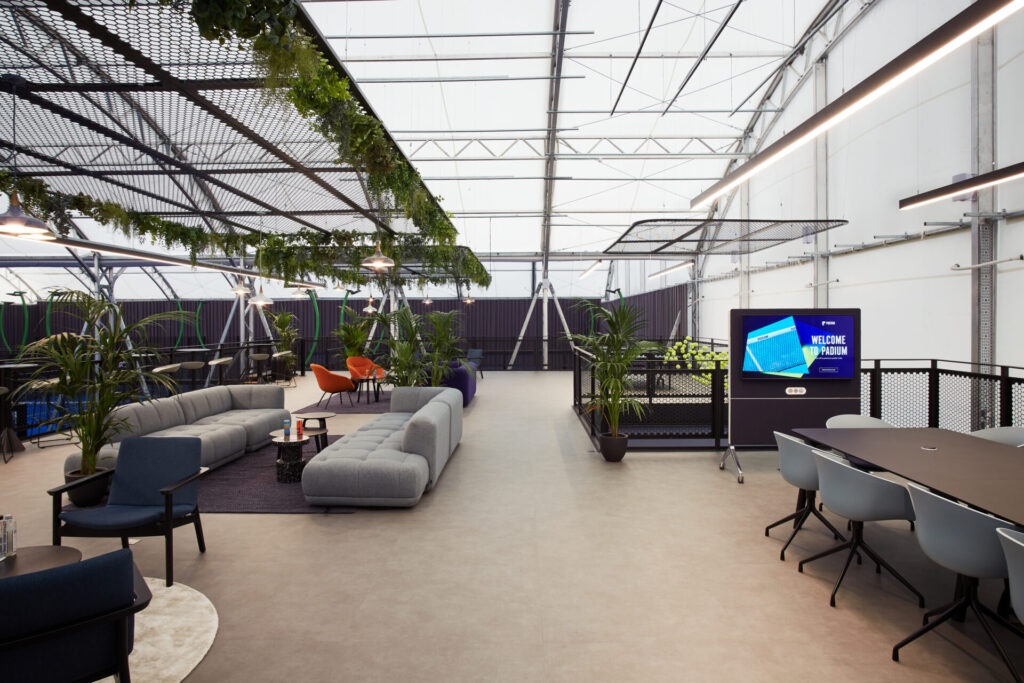
“We run Padium very much like a hospitality business. Just like a great hotel, what brings people back isn’t only the product, it’s the service, the atmosphere, and the feeling of being recognised and welcomed. That mindset has been a major driver in building the strong community we have at Padium today.”
Padium brings together sport, real estate, and lifestyle. What do you look for when choosing a new location, and what makes a site right for becoming a premium padel destination?
“When we look at a new location, we always start from the inside out. The building itself has to support the kind of community and experience we want to create. From a sport perspective, that means scale. We aim for a minimum of six courts, ideally more, so the club can sustain a strong, active community.
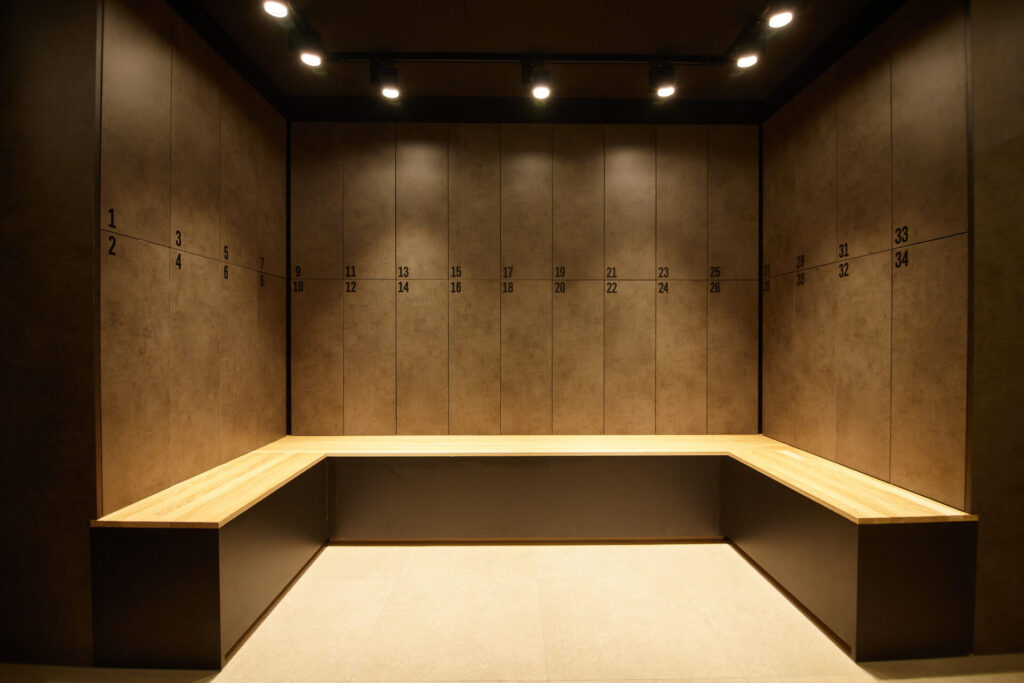
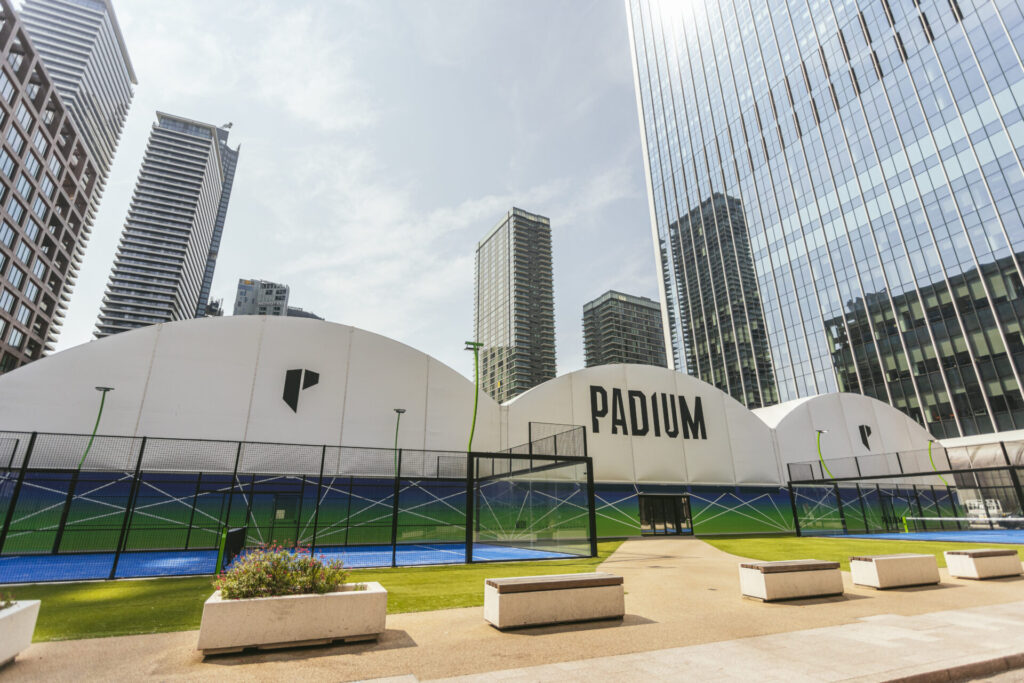
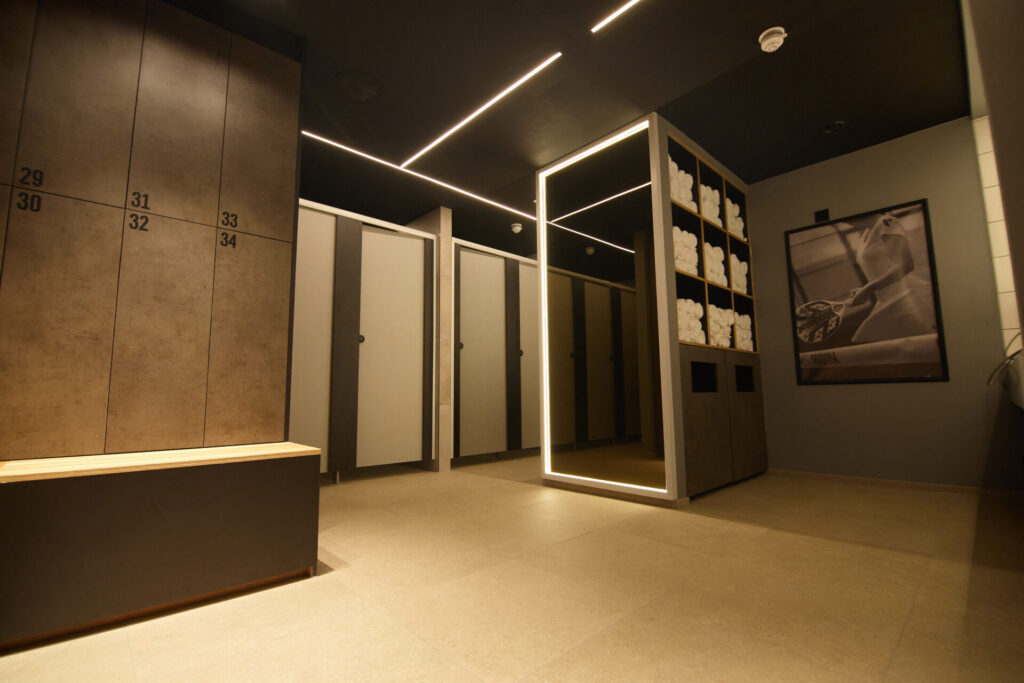
“We also need space for the full ecosystem around padel: generous changing rooms, social areas, food and beverage, a bar, and ideally warm-up or gym space. Padium isn’t just about playing a match, it’s about spending time there. Ceiling height is another non-negotiable.
“While the technical minimum for padel is around 7.5 metres, we rarely go below 10 metres. As players improve, low ceilings significantly reduce the quality of the game, especially with lobs, and that directly impacts the experience. We won’t compromise on that.
“Once a site works internally, we then look at the location itself. It needs to be in or near a metropolitan area, with strong demographics and easy access. Convenience is critical. The club has to be easy to reach whether you’re coming by car or public transport, and parking matters.
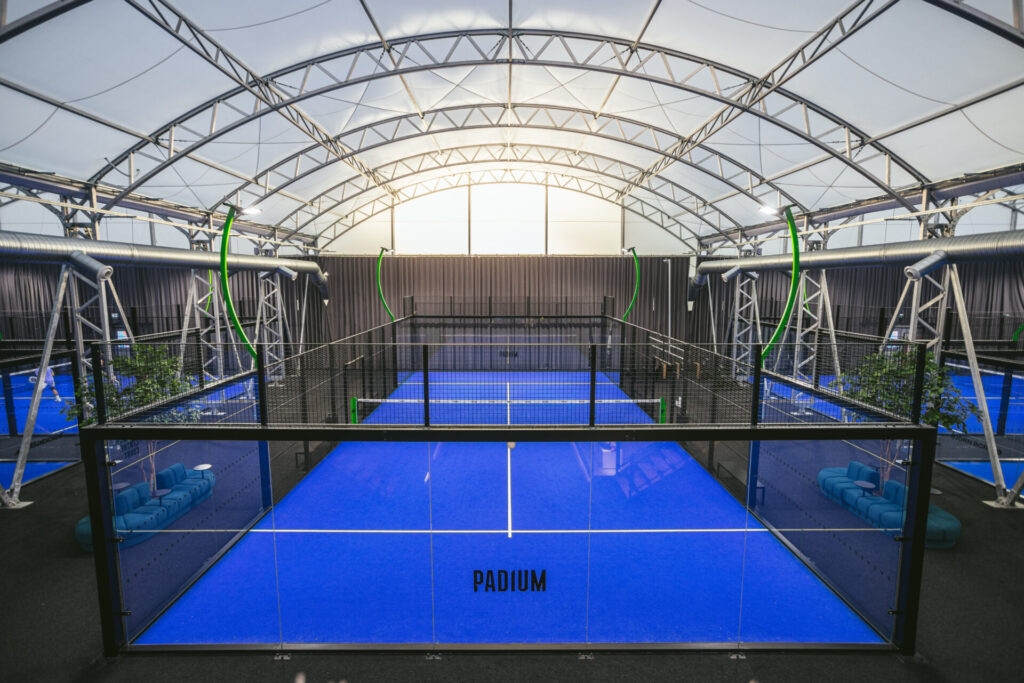
“We also look closely at the surrounding environment. We want to be in places that are thriving, where people are already seeking high-quality lifestyle experiences. We run detailed demographic analysis and stress-test each site using our own models to understand demand, pricing potential, and long-term sustainability.
“Because of that discipline, we say no far more often than yes. If we look at ten sites, seven are usually ruled out immediately, two or three are analysed in more depth, and typically only one makes it through to the point where we’re ready to make an offer. That selectiveness is key to building Padium as a truly premium padel destination.”
Your clubs focus on the complete experience around each match. What are these features and how impactful are they when creating a place where members want to continuously return?
“For us, the match itself is only one part of the experience. We put a lot of thought into everything that surrounds a visit, because that’s what ultimately makes people want to come back again and again. We often think about Padium in the same way you’d think about a great hotel. From the moment you walk in, you should feel welcomed. That means how you’re greeted, how the space looks and smells, how the staff present themselves, and whether the atmosphere feels intentional rather than random. Those early touchpoints set the tone before you’ve even stepped on court.
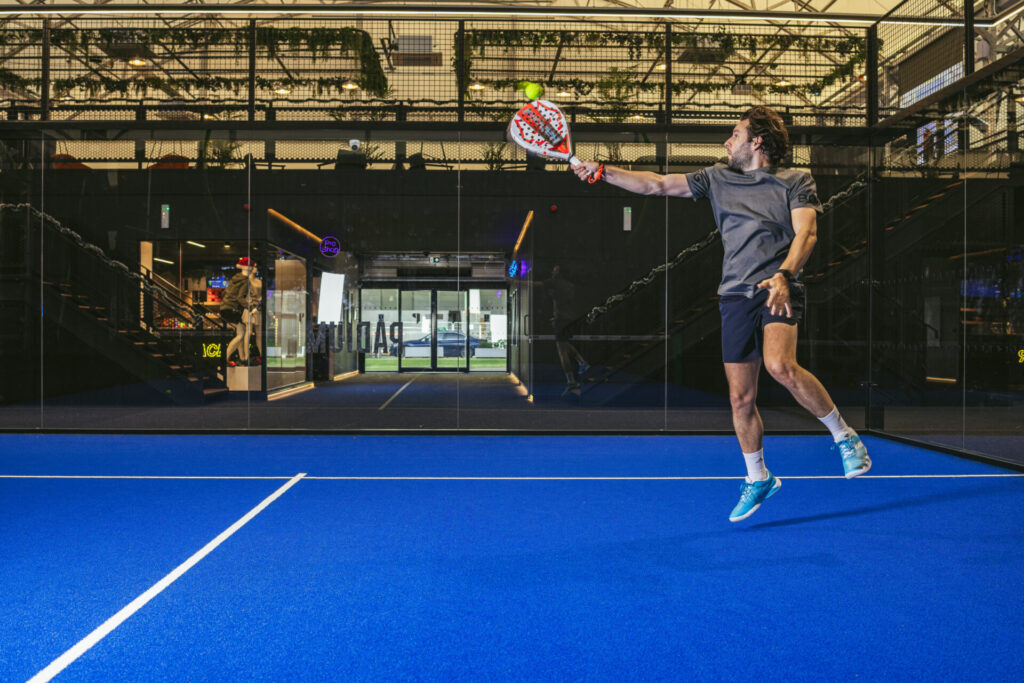
“When it comes to the match itself, we’re extremely detail-driven. The changing rooms need to be high quality. There should be proper warm-up areas. The courts have to be best-in-class: the right surface so the ball bounces consistently, well-maintained glass, correctly set nets, and generous ceiling height so the game feels good even as players improve. We obsess over these details. Nets are checked weekly, courts are cleaned meticulously, glass is washed regularly, and even the dust that builds up from ball fluff is removed on a routine basis. All of that directly affects how the game feels. We also add technology where it enhances the experience. Smart cameras allow players to review rallies, see their best shots, and track aspects of their game over time. It adds another layer of engagement beyond just the match.
“After the game, the experience continues. Players can shower, use the towels we provide, and spend time in the social areas, whether that’s relaxing, having a drink, or connecting with others. Individually, these might seem like small things. But together, they create a seamless, premium experience. That’s what turns a padel club into a place people feel connected to and want to return to consistently.”
You’re working to make Padium both the largest and most premium padel brand in the UK. How do you maintain such excellent standards across multiple locations as you grow, and what systems have you put in place to ensure consistency?
“Our ambition isn’t necessarily to be the biggest in terms of the number of clubs, but to build the strongest padel brand in the UK and one of the most premium. Growth only matters if the experience stays elevated.
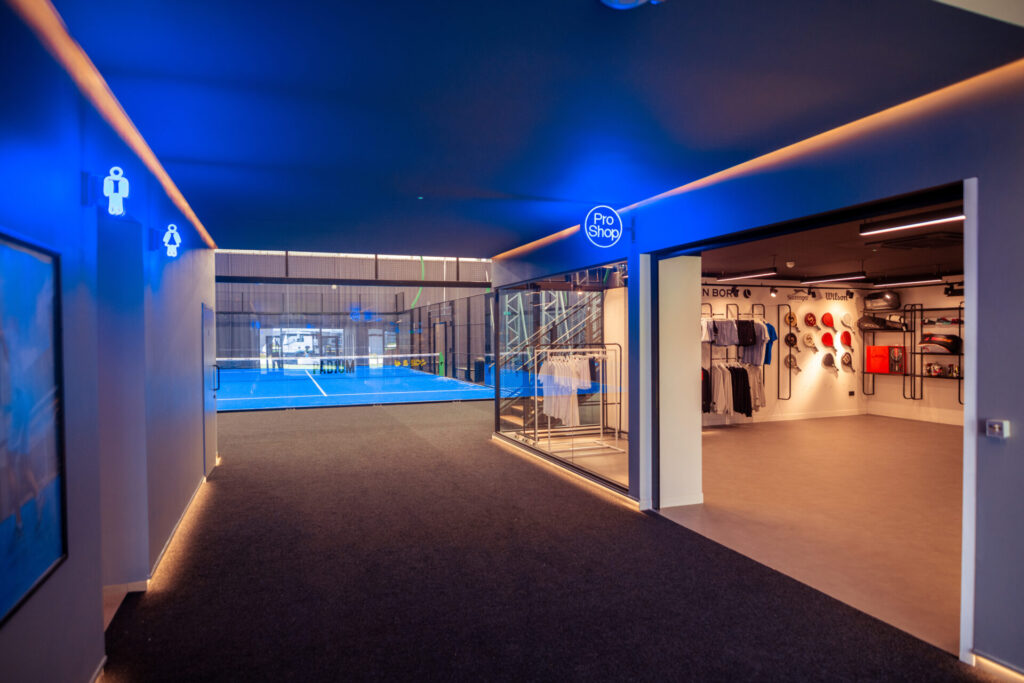
“A big part of maintaining standards is learning and iteration. Our first club was effectively our first draft. Over the past couple of years, we’ve learned a huge amount about what works, what doesn’t, and where the experience can be improved. All of those learnings have been built directly into our newer clubs, starting with Cardiff and extending to everything we have in the pipeline.
“We look at every detail under a microscope. That includes how a customer moves through the club from the moment they arrive, into the changing rooms, onto the courts, and back into the social spaces. Flow, energy, and consistency of experience are all designed deliberately rather than left to chance.
“From an operational perspective, this is where my background in hospitality and building Urban Greens has been invaluable. Each club has a clear management structure and defined roles, supported by systems and software that make the business process-driven. At the same time, we’re careful not to create a rigid or corporate environment. We have clear minimum standards that apply across every club, but we allow personality and local community to sit on top of that. Finally, I’m very intentional about being a customer of our own product. I spend time in the clubs, play with local players, and listen closely to feedback, both positive and negative. That mindset is something we encourage across the organisation. Being open to feedback and continuously improving is central to how we scale Padium while maintaining consistency and quality across every location.”
Your career spans corporate finance and entrepreneurship, what have you learned from those different worlds that’s been most valuable in growing Padium, particularly around expansion, building your team, and working with investors?
“Through my background in finance, I was exposed to the corporate world early on. I learned how investments work, how to think professionally, and how to speak that language. I became comfortable working with senior executives and investors, building pitch decks, and solving problems within larger organisations.
“That experience taught me structure, clarity, and how to approach complex problems in a disciplined way. Through my entrepreneurial journey, I learned something equally important but very different. I learned the value of staying flexible, of being willing to pivot, and of being completely obsessed with the details. Building something from the ground up forces you to stay close to your customers, to listen, adapt, and continuously improve rather than relying on assumptions or being stubborn with your original ideas. At Padium, those two perspectives come together. We apply structure and professionalism to how we expand, raise capital, and work with partners, while staying deeply hands-on and customer-first in how we build and operate our clubs. That balance has been critical in scaling Padium while maintaining quality and consistency.”
Opening padel clubs requires significant property investment and long-term planning. How do you approach site development and what other considerations do you look for from a real estate perspective?
“Like I’ve mentioned before, we turn down the majority of the sites we come across. The ones that make it through already fulfil the core requirements for a premium padel club, and because we invest significantly more into our clubs than most operators, we have to be very confident we’re making the right long-term decisions.
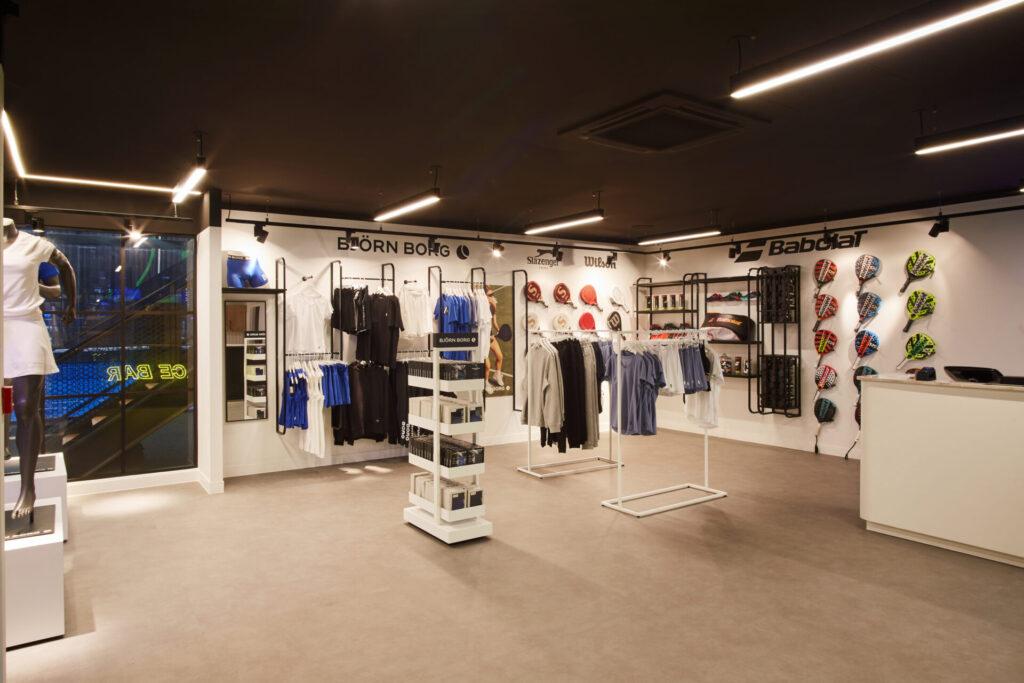
“From a real estate perspective, we think far beyond padel courts. We deliberately future-proof our builds. We’re not just creating sports facilities, we’re building clubs where communities can thrive. We see Padium evolving into a broader social destination over time, where padel sits alongside food, drink, and social spaces. If we’re confident a site can support that kind of environment, it becomes a long-term asset rather than a short-term play. Landlord alignment is also critical. We look for partners, not just landlords. The best relationships are with property owners who see Padium as adding value to their wider portfolio and to the surrounding area, whether that’s through increased footfall, dwell time, or placemaking. That alignment makes a big difference over a 10 to 15 year horizon.
“Finally, we take a very long-term view on the building and the location itself. Lease length, flexibility, structural quality, and how the area is likely to evolve all matter. We want sites that will still feel relevant as the city grows around them, and where padel can become part of people’s weekly routine rather than a one-off destination.
“That combination of future-proofing, landlord partnership, and long-term thinking is what allows us to invest with confidence and build clubs that last.”
Looking at the next five years of padel in the UK, where do you see the best opportunities for growth, and how is Padium preparing now to make the most of them whilst continuing to lead the way for the sport?
“Over the next five years, padel in the UK will continue to grow rapidly. We’ll see clubs opening in major cities, mid-sized cities, and smaller towns. In the short term, that growth will look very attractive, but it will also lead to oversupply in certain areas.
“Right now, the industry is in something of a gold-rush phase. There’s huge interest from new operators, many of whom are focused on simply building facilities. In the near term, those clubs may perform well, but in the longer term, I don’t believe facilities alone will be enough to thrive.
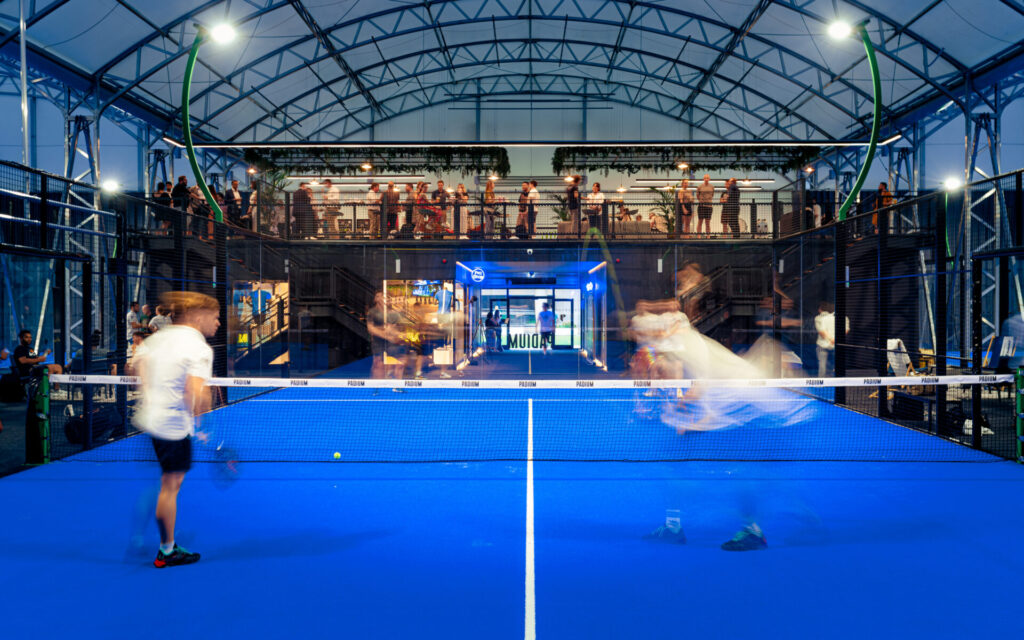
“The real opportunity over the next five years lies in community-led clubs. The venues that will succeed are the ones that become social anchors, not just places to book a court. Creating that kind of community isn’t accidental. It requires deliberate planning around the experience, the layout of the space, the service, and how people interact with the club beyond the match itself.
“That’s where Padium is positioning itself. We’re building clubs that combine sport, social connection, food and drink, and a sense of belonging. Places where people come not only to play padel, but to meet friends, spend time, and make it part of their weekly routine. In many ways, we see our clubs becoming the future social hubs of their local areas.
“By focusing on quality, community, and long-term thinking rather than short-term expansion, we believe Padium is well placed to lead the next phase of padel’s growth in the UK and help shape the sport in a sustainable, meaningful way.”