



The SF-26 was unveiled at Ferrari’s Fiorano Circuit ahead of a season defined not just by competition, but by a fundamental reset of the rules governing the sport. Formula 1’s 2026 regulations represent the most sweeping revision in a generation, touching everything from chassis architecture and aerodynamic concepts to the composition of the power unit itself. Every team begins from zero this year, and Ferrari has taken that challenge with characteristic seriousness.
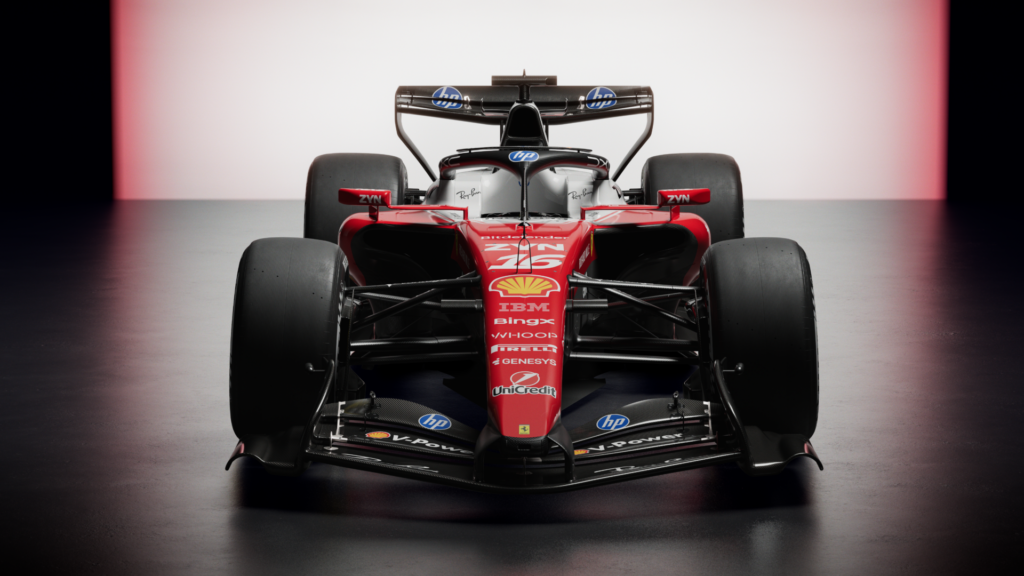
What makes 2026 different from any previous regulation change is the simultaneous overhaul of both the sporting and technical frameworks including new chassis rules, new power units, new tyres and new fuel, all arriving at once. The car sitting in the Fiorano pit lane is not an evolution of anything that came before it. It is a clean-sheet design, and Ferrari’s engineers have spent considerable time and resource ensuring the architecture is capable not only of performing on day one, but of being developed aggressively throughout a long season.
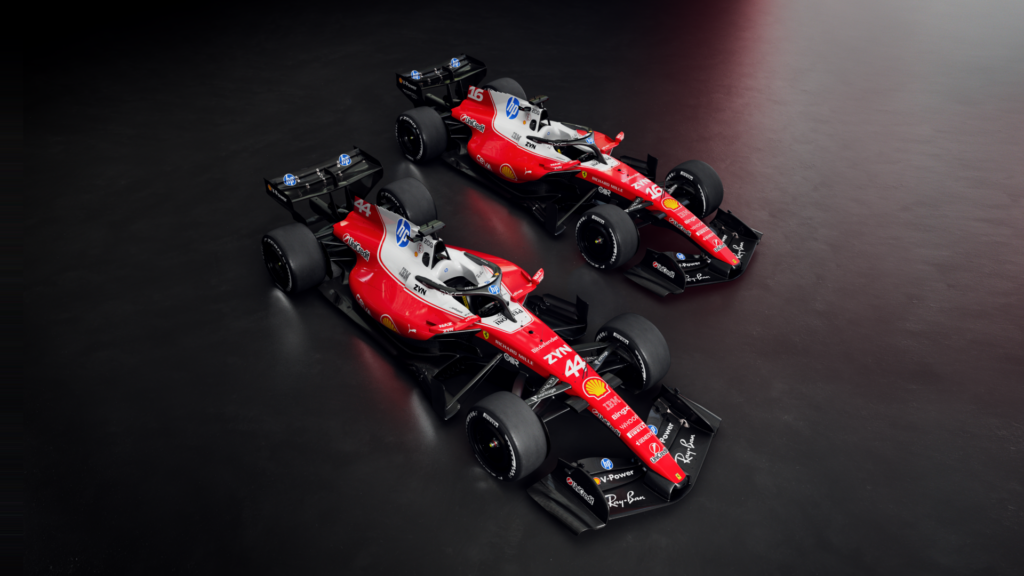
The SF-26 is defined by a shift away from ground-effect aerodynamics, a new generation of hybrid power unit, and a livery that reconnects the Scuderia with its deepest roots. On track, two drivers widely regarded as amongst the finest in the paddock will be charged with unlocking its potential.
The power unit
The 2026 regulations demanded a complete rethink of the Ferrari power unit, and the result is one of the most significant engineering undertakings the Maranello factory has attempted. The MGU-H, which was the heat energy recovery system that has featured in Formula 1 since 2014, has been removed entirely. In its place, the MGU-K has been substantially upgraded, now delivering 350 kW of electrical power, a figure that fundamentally changes how energy is generated, stored, and deployed around a lap.
The internal combustion element remains a 1,600 cc turbocharged V6, configured at 90 degrees with a bore of 80 mm, a stroke of 53 mm, and four valves per cylinder running direct injection at pressures of up to 350 bar. The turbocharger spins at up to 150,000 rpm. The battery system operates at up to 1,000 volts, with a lithium-ion pack capable of storing 4 MJ of energy during a stint. Running on 99% sustainable fuel, the system represents a clear shift in philosophy rather than an incremental step.
“Under the 2026 regulations, the power unit becomes a more integral part than ever in the overall car concept. The significantly increased role of the electric component, the introduction of 99% sustainable fuel and the removal of the MGU-H represent a clear shift in philosophy, rather than a simple evolution compared with the 2014 to 2025 era. This required us to rethink the architecture of the power unit from the very beginning, focusing on efficiency, integration and energy management.”
Enrico Gualtieri, Power Unit Technical Director, Scuderia Ferrari HP
Chassis and aerodynamics
Alongside the power unit revolution, the SF-26’s chassis has been designed around a fundamentally different aerodynamic concept. Ground effect, which has shaped Formula 1 car design since 2022, has been set aside in favour of cleaner, more streamlined bodywork with an emphasis on reducing weight and improving overall efficiency. The result is a car with notably different proportions — lighter, more agile in appearance, and built around a philosophy of functional simplicity.
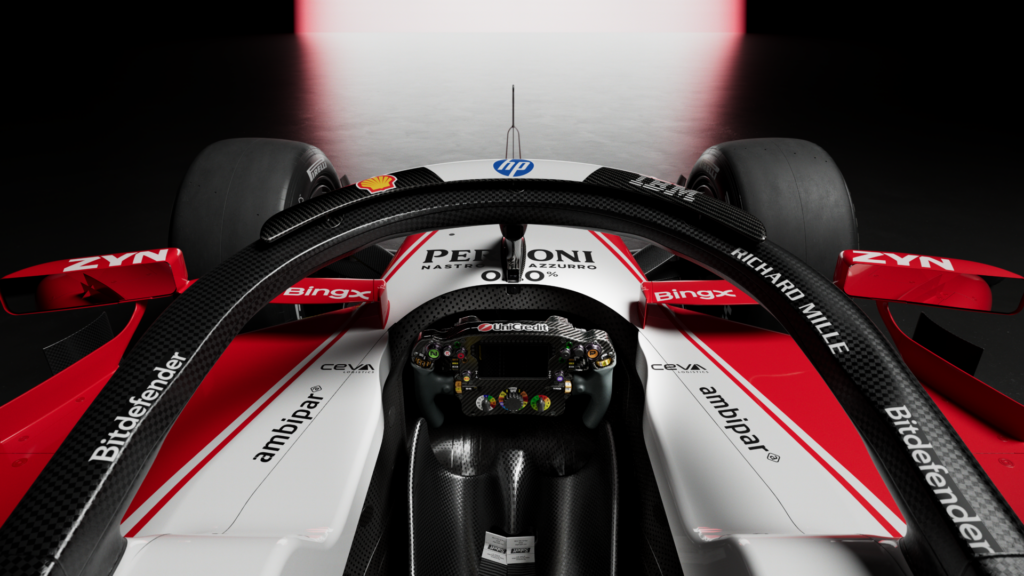
The chassis itself is constructed from carbon fibre composite honeycomb, with bodywork, the seat and all primary structural elements also in carbon fibre. Suspension is push-rod at both ends. Braking is handled by Brembo ventilated carbon discs with electronically controlled rear brakes, and the gearbox is a longitudinal eight-speed unit with hydraulically controlled rear differential. The car runs on 18-inch wheels front and rear, and the total weight including coolant, oil and driver sits at 770 kg, which is the target set by the regulations.
“Developing the SF-26 required us to adapt to a completely new regulatory framework. We dedicated significant time to the concept phase to capture as much as possible of the new regulatory and technical context. We also had to ensure that the car’s architecture would allow us enough flexibility for in-season development. In this environment, efficiency and the integration of features like active aerodynamics are crucial.”
Loïc Serra, Technical Director Chassis, Scuderia Ferrari HP
The livery
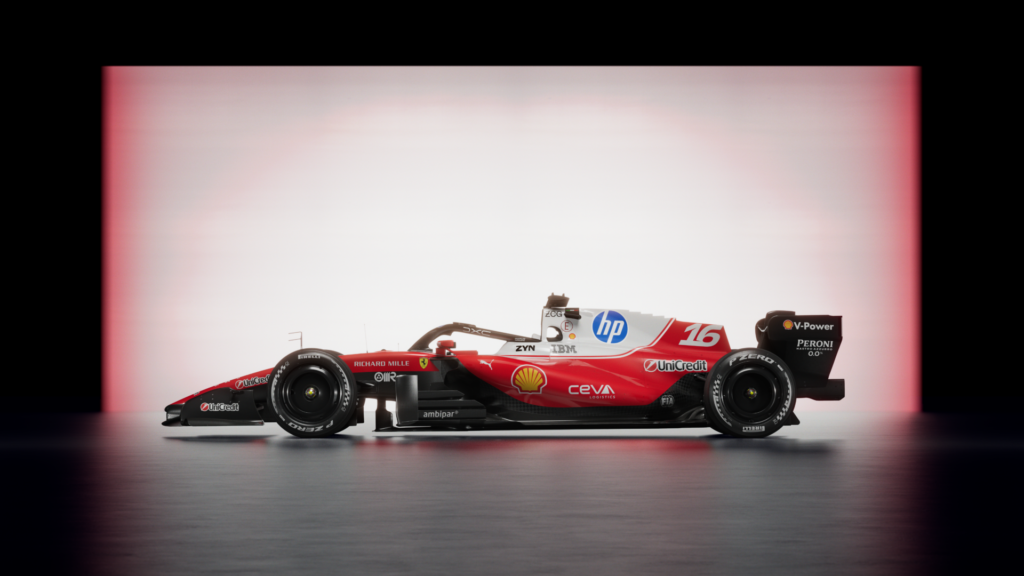
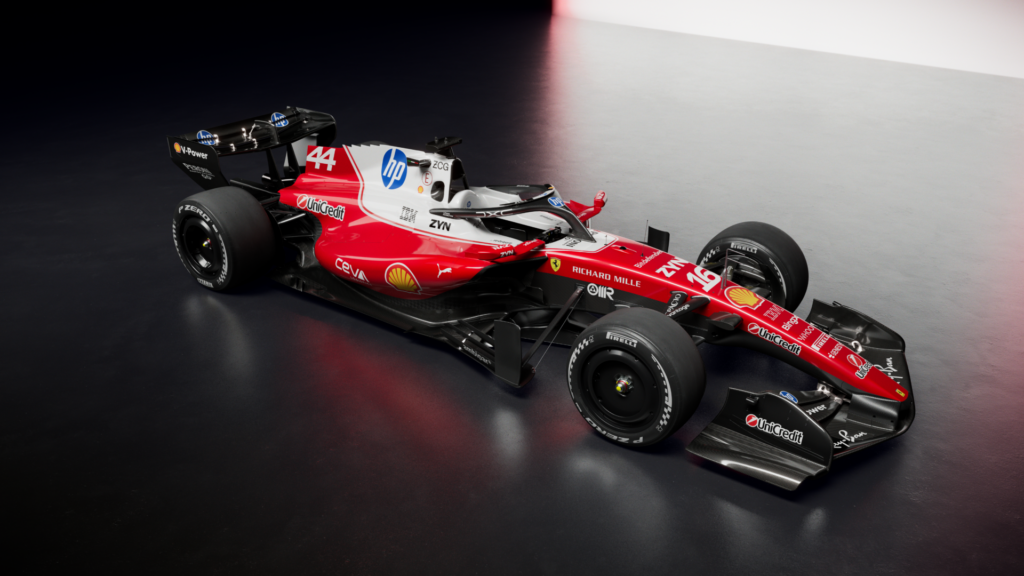
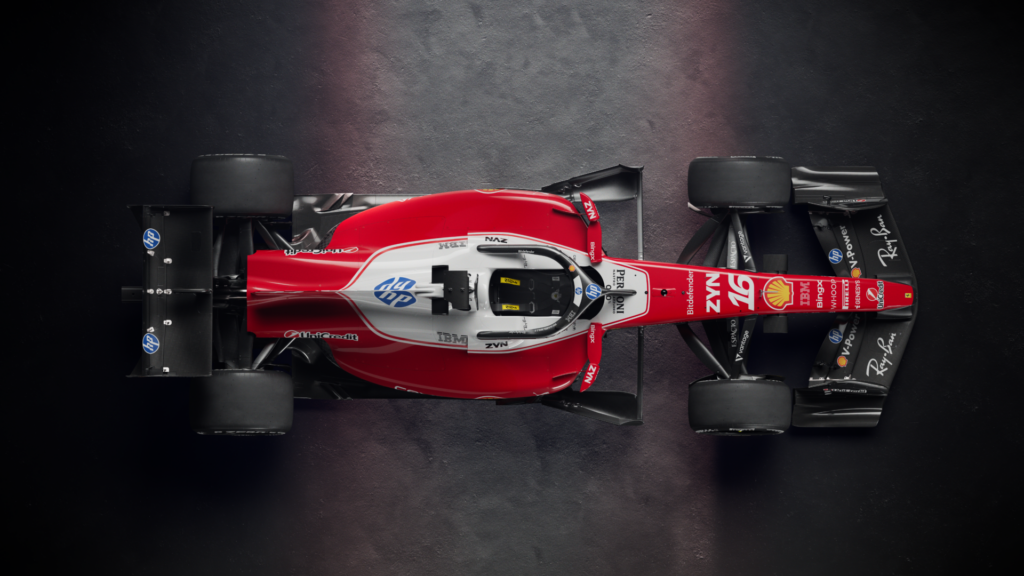
The SF-26’s appearance is a statement as much as it is aesthetic. After seven consecutive seasons finished in matte paint, Ferrari has returned to gloss, and the effect is immediate. The 2026 Rosso Scuderia is brighter and more saturated than its recent predecessors, drawing direct inspiration from the special livery worn at Monza in 2025 and echoing the shade of red the team ran around the turn of the millennium. It is a colour that carries weight — one associated with Ferrari’s most celebrated period in the sport.
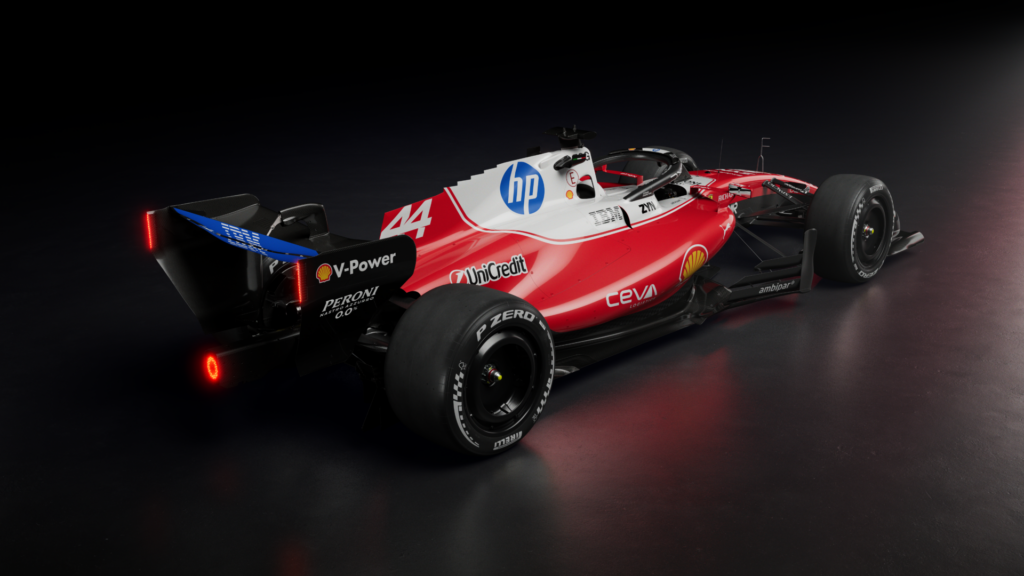
White has also taken on a new and more prominent role. Positioned around the cockpit and along the engine cover, it creates a strong visual contrast against the red, lending the car an instantly recognisable profile.
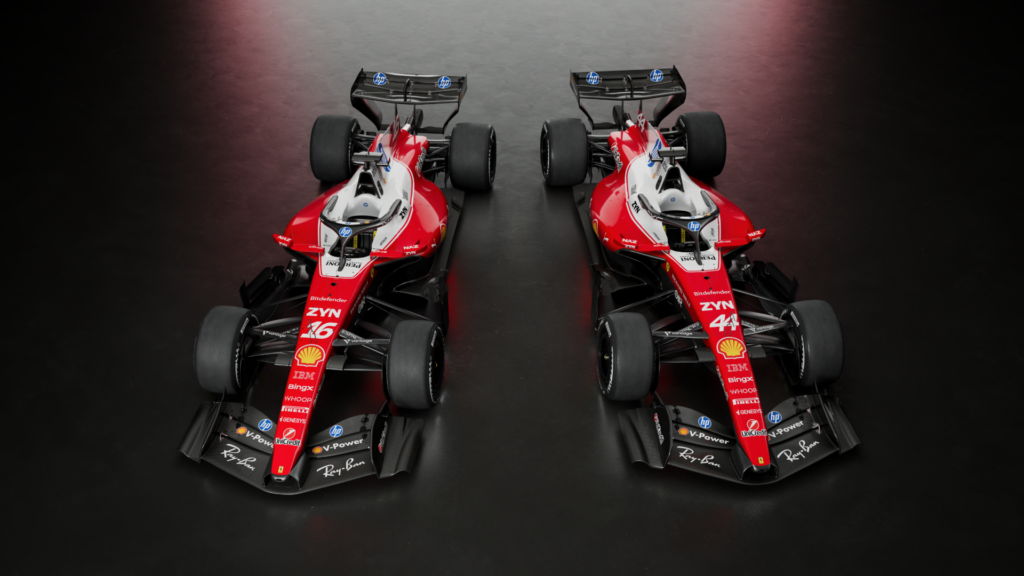
The combination is intended to bridge what has come before with where the team is heading, it’s one that honours history while looking firmly forward. The race suits worn by both drivers follow the same palette, with white appearing across the shoulders and at the collar.
In The Drivers Seat: Leclerc and Hamilton
Ferrari enters 2026 with Charles Leclerc, competing with the Scuderia for several seasons now and intimately familiar with its culture and processes, joined this year by Lewis Hamilton, a seven-time World Champion who described the scale of the 2026 regulation change as the biggest he has encountered across his career. The dynamic between two drivers of this calibre, working with an entirely new car in an entirely new technical context, is one of the defining storylines of the season ahead.
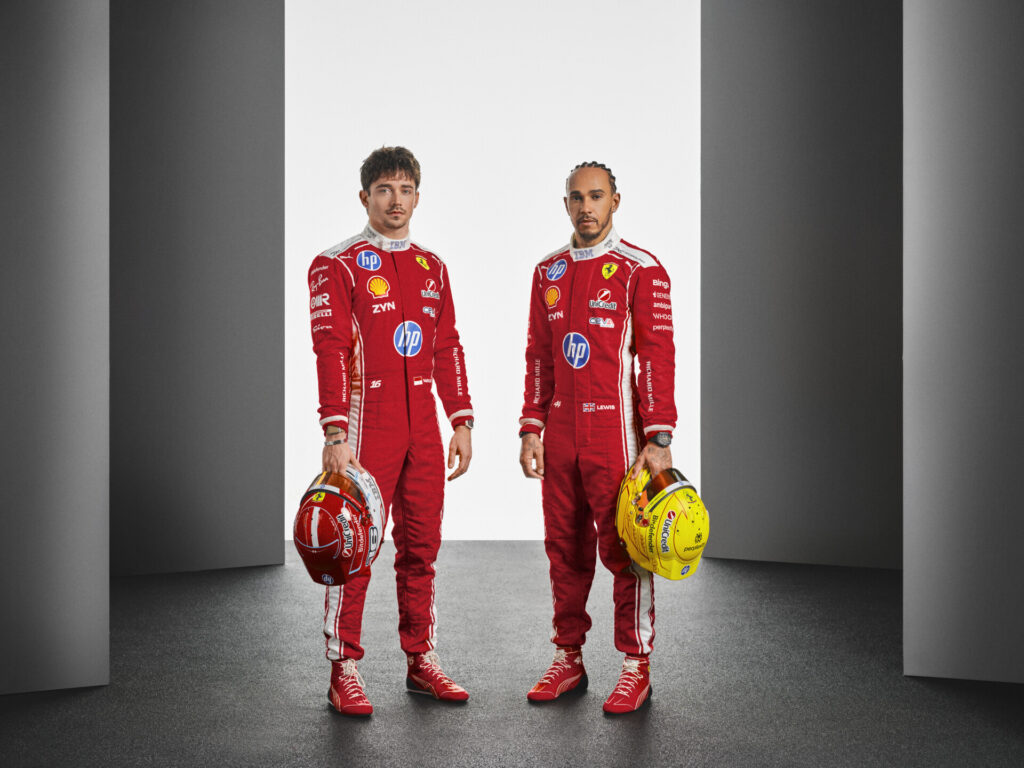
“The 2026 season represents a huge challenge for everyone, probably the biggest regulation change I have experienced in my career. As a driver, being involved from the very start in the development of such a different car has been a particularly fascinating challenge, working closely with the engineers to help define a clear direction for it.”
Lewis Hamilton #44, Scuderia Ferrari HP
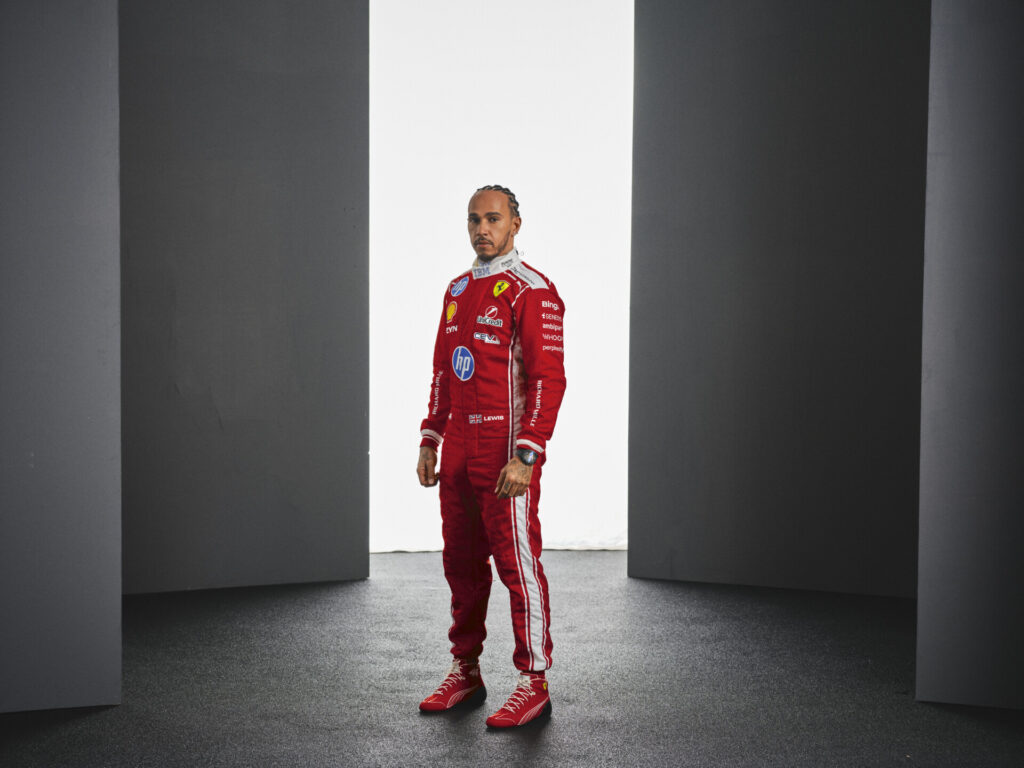
Both drivers have been clear about the demands of the new regulations. Energy management is identified as one of the central challenges, the step-change in electrical power means drivers must adapt their approach to deployment and recovery, initially relying on instinct before building a more precise data-driven understanding as the season develops. Both Leclerc and Hamilton have been involved in the SF-26’s development from an early stage, working closely with the engineering teams to shape the direction of the car.
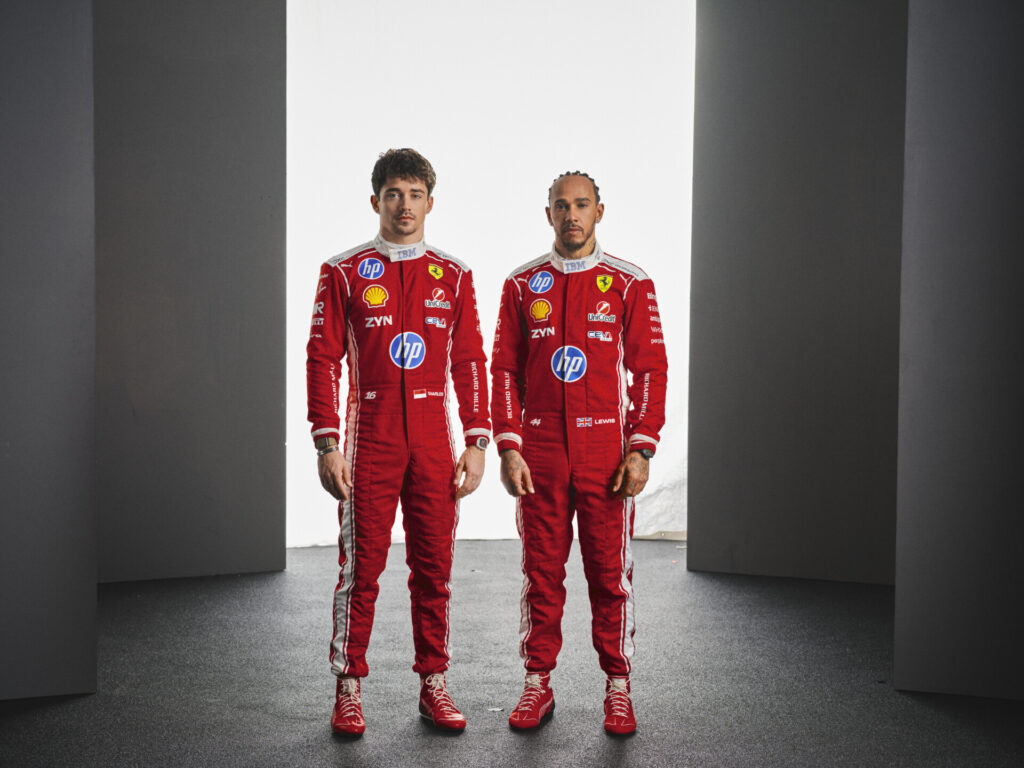
“The 2026 regulations demand an even higher level of preparation, particularly for us drivers. There are many new systems to understand and optimise, which is why we have been heavily involved from the early stages of the project’s development. Energy management and the power unit will be among the most significant aspects — a fascinating challenge which will require us drivers to adapt quickly.”
Charles Leclerc #16, Scuderia Ferrari HP
Ready for the season
Ferrari’s approach to 2026 was always going to be methodical rather than speculative. Pre-season testing began in Barcelona before further sessions in Bahrain, with the immediate priority not outright pace but understanding, validating the car’s behaviour on track, gathering data and establishing the foundations from which development could accelerate. In a year where every team started from scratch, the team that learned fastest was always going to hold a significant advantage.
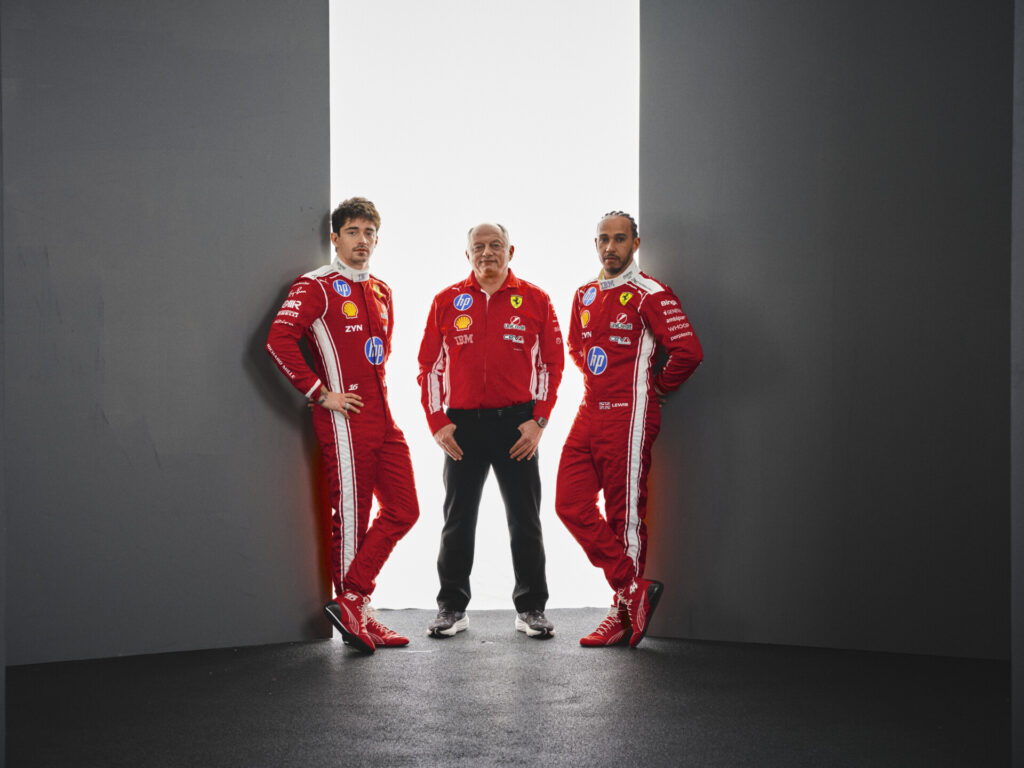
Team Principal Fred Vasseur framed the season as a journey rather than an immediate destination from the outset. The SF-26 was designed with in-season development explicitly in mind. Its architecture chosen for flexibility as much as performance, built to absorb updates as the team’s understanding of the regulations deepened across each race weekend.
“The SF-26 marks the beginning of a new era for both Formula 1 and Ferrari, with new regulations introduced in the same year for the chassis and the power unit, as well as new fuels and new tyre sizes. This car is the result of a tremendous team effort and represents the start of a completely new journey, built around a different set of rules that inevitably brings a number of unknowns. The team is aligned and more united than ever as we look ahead to the season.”
Fred Vasseur, Team Principal, Scuderia Ferrari HP