



Luxury homes in 2026 are less about making a statement and more about making sense. After a decade dominated by cool minimalism and show-home finishes, homeowners are leaning towards interiors that feel welcoming, well considered, and genuinely liveable.
Across prime residential markets, there’s a shared shift away from homes designed primarily to impress, and towards spaces that support everyday life. They’re thoughtful, tactile, with luxury built to last. Across prime markets from London and Los Angeles to Singapore, luxury is now defined less by immediate visual impact and more by comfort, longevity, and quality. The homes that work best are those built for everyday life, not just display.
Texture and Timeless Craft
After years of sleek, polished surfaces and uniform minimalism, homeowners are increasingly drawn to materials that feel real and tactile. This trend reflects a desire for longevity and authenticity, where surfaces show texture, warmth, and evidence of craft, rather than perfect, showroom-like finishes. It also responds to a growing interest in sustainable and heritage materials that age gracefully over time.
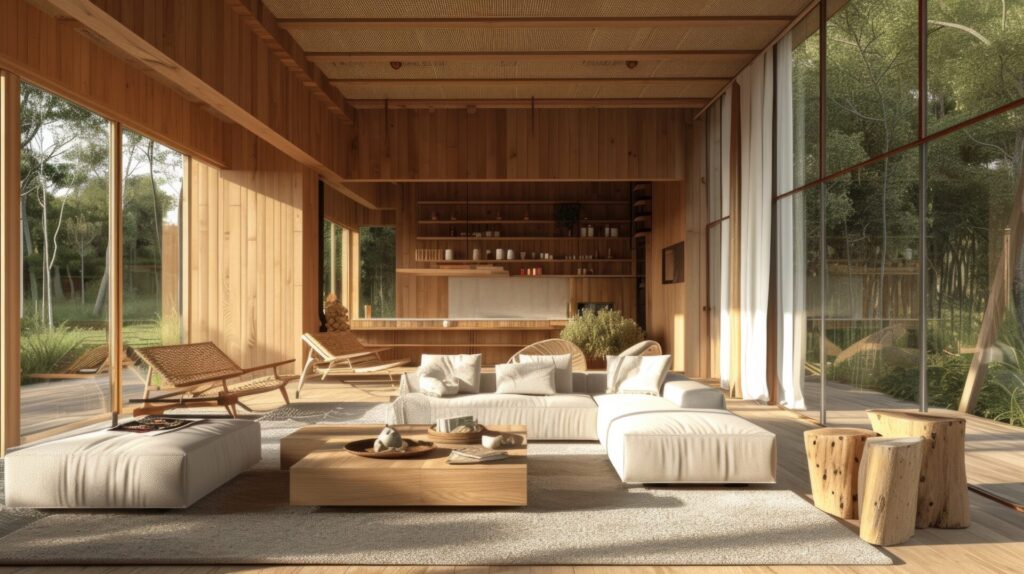
To create a home that feels grounded and lived-in, select materials for texture, weight, and character rather than perfect finish. Leave timber with visible grain, allow stone to show natural variation, and choose metals like unlacquered brass that develop patina over time. To ensure every home embodies its own sense of individuality, bespoke joinery and hand-finished details are becoming standard. These choices add personality while ensuring durability, letting a home age gracefully while retaining style.
Statement Stone
Luxury design is increasingly using stone as more than a surface material. Inspired by architecture and high-end boutique interiors, stone is now treated as a sculptural element that anchors a room and creates lasting impact. The trend is also influenced by homeowners’ desire for permanence and visual weight in a home that will be lived in for decades.
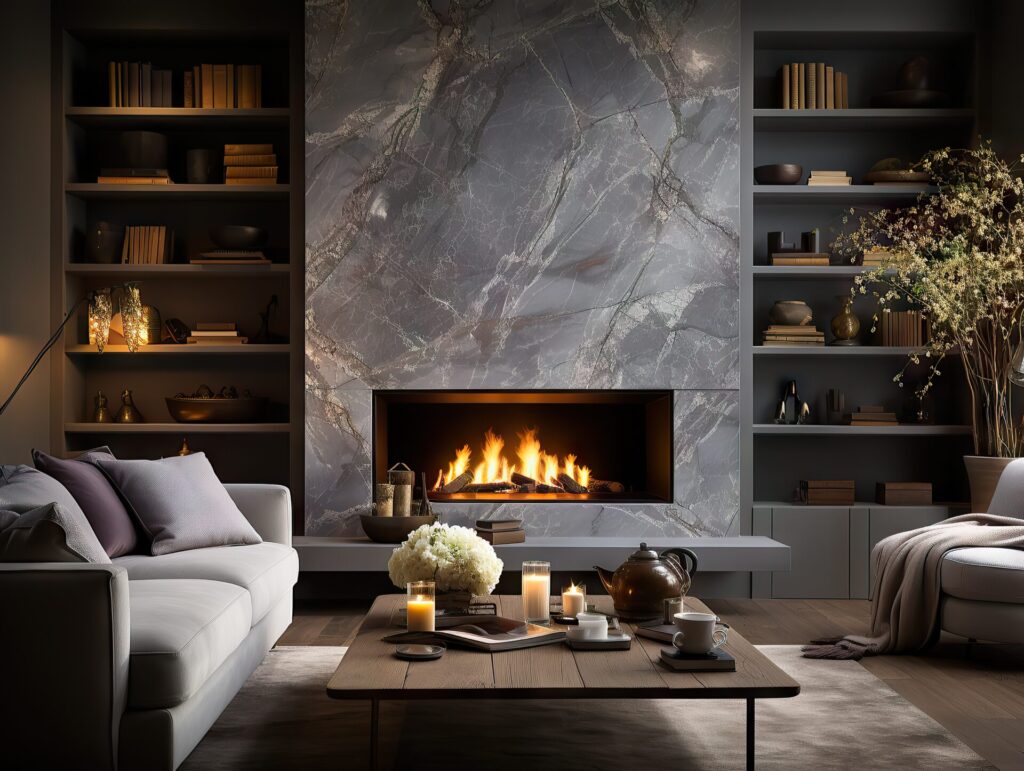
To make stone a defining feature, consider large-format slabs in kitchens, bathrooms, or statement walls. Mix different stones to add depth like Calacatta countertops with limestone flooring, for example, so each space feels curated. Monolithic basins or freestanding stone tubs act as sculptural anchors, giving rooms presence and permanence. Balance with softer materials to maintain warmth and practicality.
Rich, Grounded Colour
After years dominated by white, grey, and neutral minimalism, colour is returning in luxury interiors. The trend reflects homeowners’ desire for spaces that feel personal and atmospheric rather than generic, and designers are embracing muted, natural palettes that complement materials rather than dominate them.
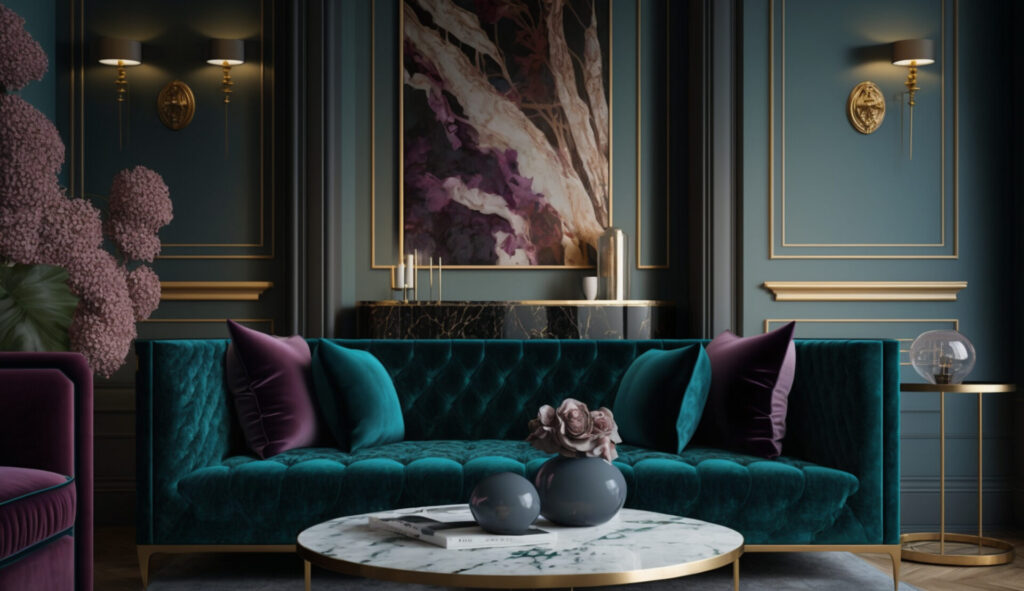
To introduce colour thoughtfully, focus on sage greens, clay, terracotta, mineral reds, and deep blues. Apply these tones consistently across walls, cabinetry, and architectural details for cohesion. In kitchens, cabinetry in clay, cashmere, or muted green adds warmth and individuality. Colour drenching, achieved by layering a single hue across textiles, furniture, and finishes, creates depth without visual clutter.
Daily Wellbeing by Design
Luxury homeowners are increasingly looking for homes that actively support their health and wellbeing. This trend is influenced by research into natural light, air quality, and the psychological impact of interiors, as well as a broader cultural focus on wellness and self-care.
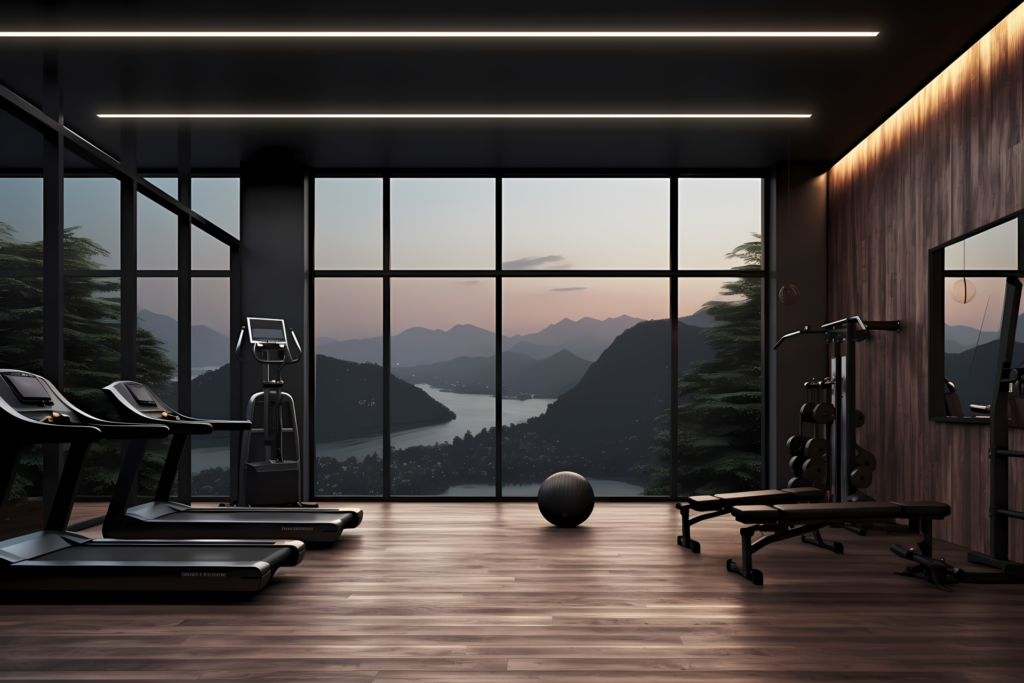
To integrate wellness effectively, design spaces that support daily routines. Include home gyms, infrared saunas, steam rooms, or spa-style bathrooms as part of the floor plan. Consider lighting, acoustics, and material choices that encourage relaxation and focus. Place wellness areas where they are easily accessible to encourage regular use, providing tangible benefits for health and lifestyle every day.
Kitchens for Living
Kitchens have evolved from purely functional rooms into social hubs, reflecting a shift toward homes that support gathering, hospitality, and daily routines. This trend responds to both lifestyle and technology, as homeowners seek spaces that are efficient but also inviting.
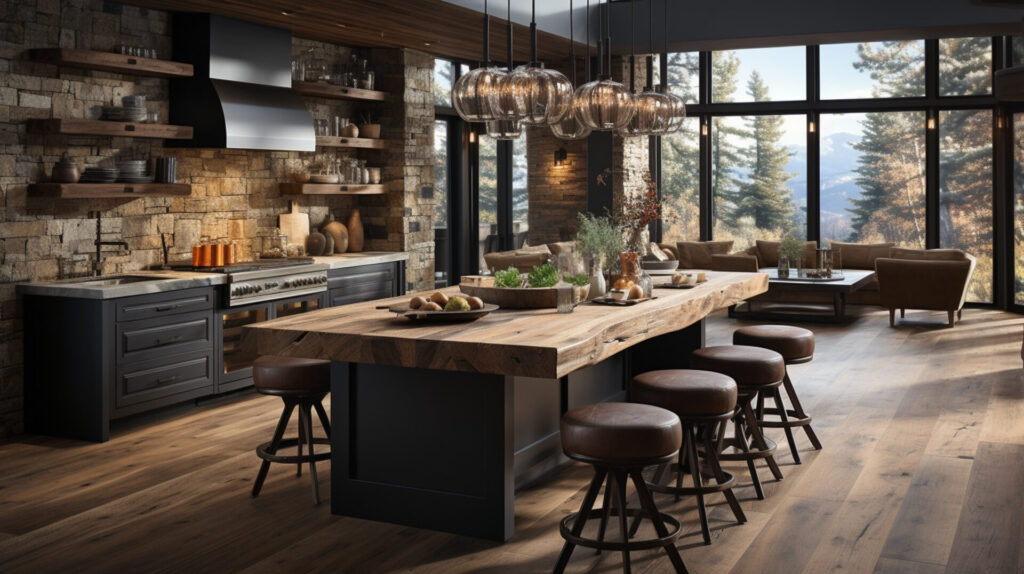
To design a kitchen that works for living, combine concealed storage and efficient work zones with tactile finishes and warm materials. Large islands should invite gathering, while lighting and layout encourage interaction. Think of the kitchen as a flexible hub: it should support serious cooking but also casual socialising without feeling staged or overly formal.
Defined, Functional Spaces
After the long trend of open-concept living, homeowners are rediscovering the value of clearly defined spaces. The trend reflects a desire for greater privacy and more comfortable, functional layouts, especially in larger homes where multiple activities often happen simultaneously. Completely open layouts can feel impersonal or overwhelming, lacking the intimacy and rhythm that distinct zones provide.
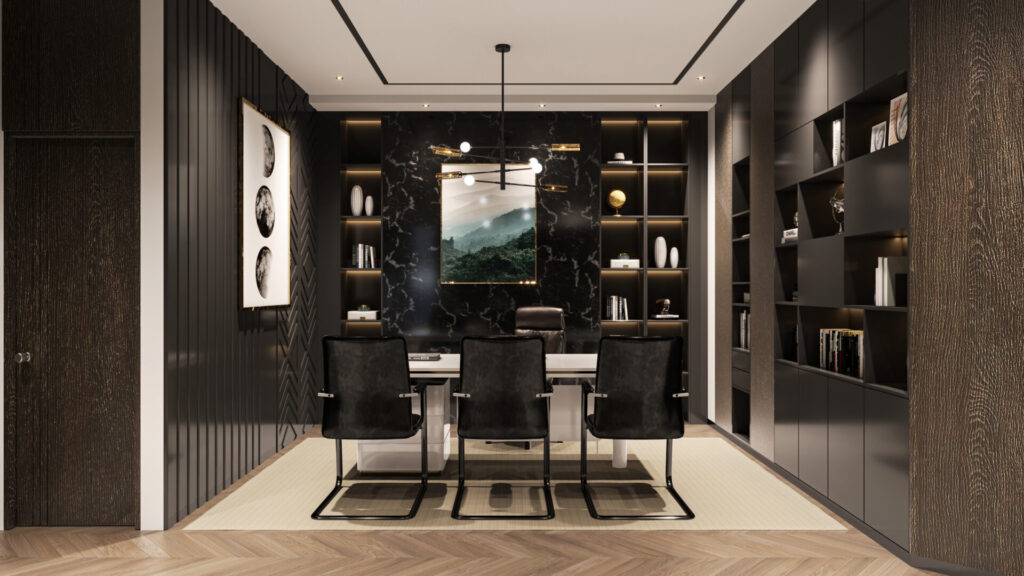
To create defined, functional spaces, introduce subtle architectural cues such as arches, ceiling variations, or changes in flooring to delineate areas without interrupting flow. Built-in shelving, half-walls, or strategically placed furniture can also act as natural dividers. This approach allows multiple activities such as work, socialising and relaxation to coexist comfortably, while creating distinct atmospheres for different needs. Layered lighting, varied textures, and thoughtfully placed artwork or rugs can reinforce each zone, making the home feel versatile, comfortable, and welcoming rather than fragmented.
Seamless Home Intelligence
Luxury technology is moving away from showy automation toward seamless, integrated systems. This reflects homeowners’ desire for convenience without distraction, where systems respond intuitively to their habits and support daily life.
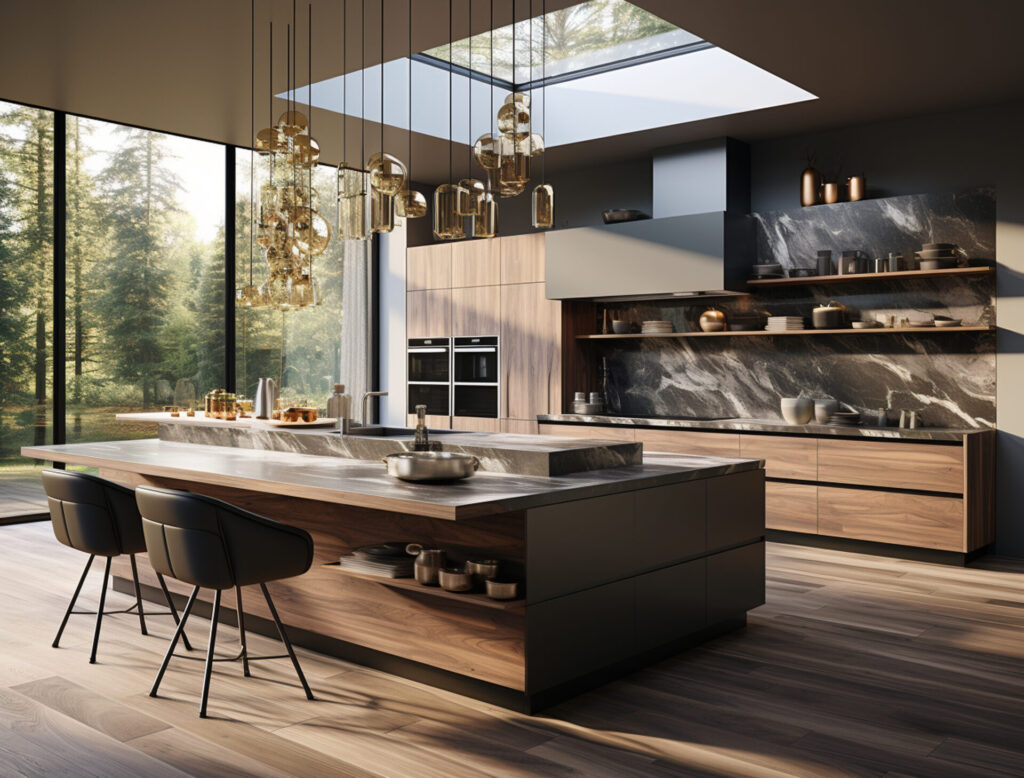
To incorporate invisible technology, plan integration early. Lighting, climate, security, and entertainment systems should operate quietly in the background. Conceal wiring and devices wherever possible so that technology enhances comfort without dominating the visual experience, making the home feel calm and effortless.
Luxury That Lasts
The overarching trend in 2026 is durability and considered design. Luxury is no longer defined by fleeting trends or visual spectacle, but by how a home works and feels over time.
To achieve lasting luxury, prioritise materials, finishes, and layouts that age gracefully and remain functional. Invest in architectural detail, bespoke elements, and durable surfaces that reflect personal style while maintaining practicality. The most successful homes are those that continue to feel comfortable, welcoming, and relevant for decades, proving that enduring design is the ultimate mark of luxury.