



When Paul Welch facilitated the acquisition of a private jet for YouTube phenomenon MrBeast, a transaction featured in content generating over 400 million views, he crystallised a new paradigm in luxury finance: the convergence of traditional wealth management with digital influence. As Founder and CEO of Million Plus, Welch has orchestrated over £4.2 billion in luxury asset financing whilst simultaneously building a digital empire that reaches millions, transforming complex financial concepts into compelling content that bridges private banking boardrooms with social media platforms. His unique position as both a Bank of England Decision Maker Panel member and a YouTube sensation with 2.7 million views positions him at the intersection of institutional finance and modern media, making him one of the most innovative voices in wealth management today.
In this exclusive interview for The Executive Magazine, Welch reveals the strategies behind his dual success as both a pioneering financier and digital influencer. From his groundbreaking book “The Secret Language of the Super Rich” to his celebrity partnerships through Talent & Brands, Welch is democratising knowledge traditionally reserved for ultra-high-net-worth circles whilst building bridges between unconventional wealth, from crypto holdings to single stock positions, and conventional credit providers. His philosophy that “attention is the new distribution” has not only attracted founders, athletes, and creators from around the globe but has fundamentally reimagined how luxury asset financing operates in the digital age, proving that the future of private wealth lies not in silence, but in what he calls “curated transparency.”
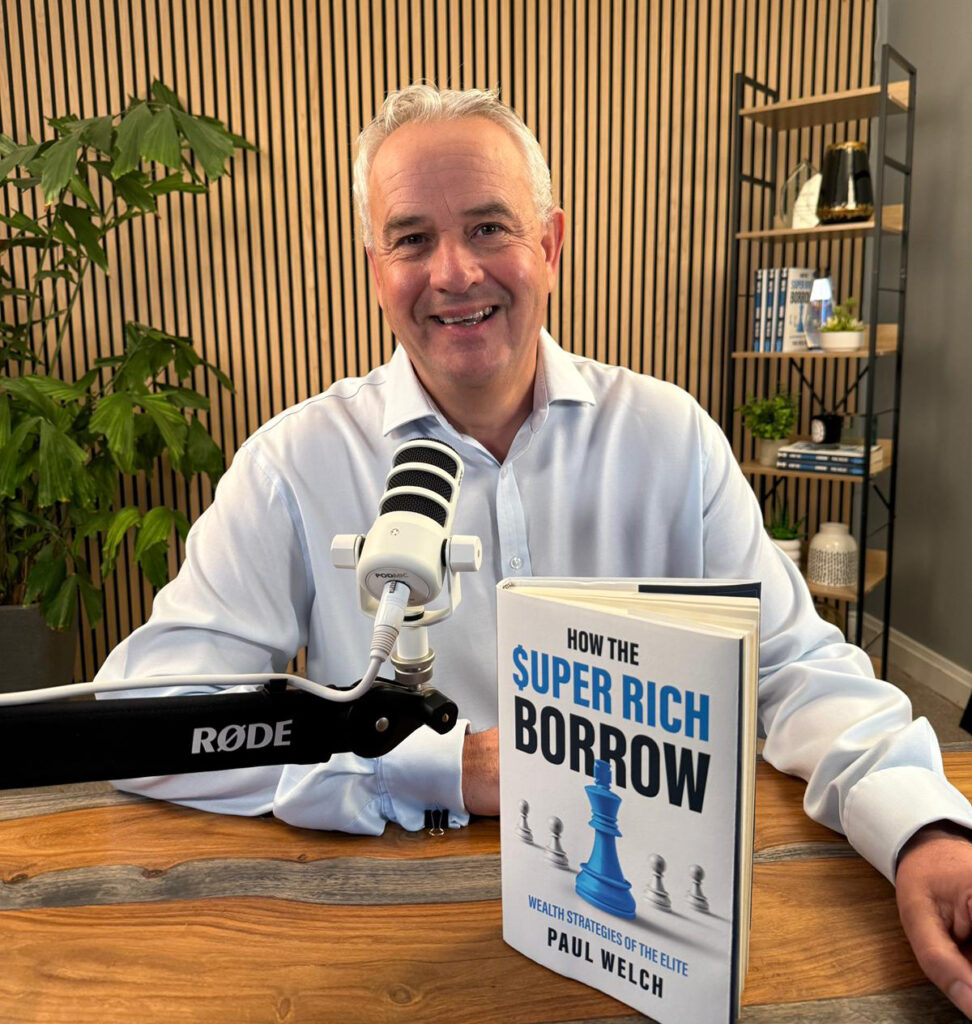
With over £4.2 billion facilitated in luxury asset financing, you’ve established yourself as a trusted voice in high-net-worth financial services. What inspired you to expand beyond traditional finance into becoming a digital influencer with millions of views?
“Expanding into digital wasn’t about “becoming an influencer” for the sake of it; it was about moving the conversation from private boardrooms to a global stage. Attention is the new distribution. If I can take what I’ve learned from £4.2 billion of luxury asset financing and turn it into content that millions of people actually watch and understand, everybody wins: clients, partners, and the next generation of wealth creators who would never normally meet a private banker.
“And, honestly, I enjoy it. I like translating dry terms like LTV, recourse, or structured credit into real stories about jets, yachts and super-prime property. The assets hook people in; the real value is in the capital strategy behind them.”
Million Plus operates as both a financing consultancy and a digital marketplace for assets exceeding £1 million in value. How do you balance these dual roles to create synergies that benefit high-net-worth clients, and what competitive advantages does this integrated model provide in connecting global buyers with exceptional properties, yachts, and collectibles?
“Million Plus is basically two things working in sync: a specialist financing consultancy and a curated digital marketplace for assets above £1 million. The “glue” between them is information and relationships.
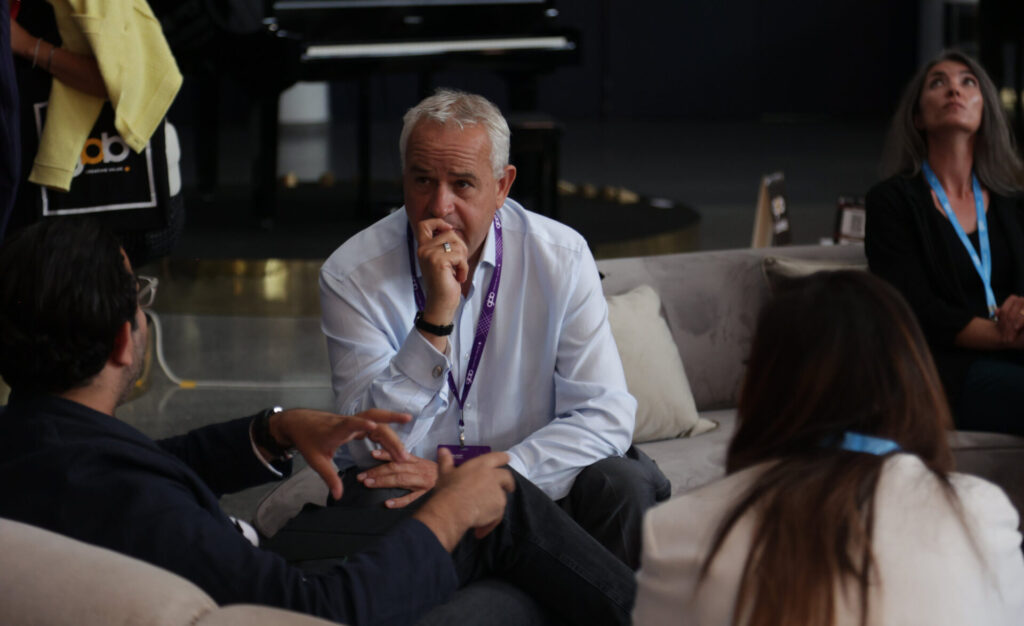
“On the consultancy side, we understand how lenders think: risk, structure, jurisdiction, exit. On the marketplace side, we understand how buyers think: lifestyle, brand, status, and return. When someone wants to buy a £5 million yacht or a £20 million property, they don’t just need a pretty listing – they need a path from desire to completion. That’s where the synergy is.
“By operating both sides, we can pre-qualify buyers and structure terms before they even view an asset, help sellers position their assets in a way that’s actually financeable, and match global capital with global inventory far more efficiently than a traditional broker.
“Our competitive advantage is that we’re not just listing assets – we understand how to get them funded, refinanced, or leveraged. We speak the language of banks, family offices, and UHNW buyers, and we sit right in the middle translating those worlds for each other.”
Your YouTube channel has amassed over 2.7 million views since launching in August 2023, transforming complex financial concepts into accessible content. How has building this digital influence complemented your traditional finance expertise, and what opportunities has it created for bridging the gap between institutional wealth management and modern media engagement?
“YouTube has forced me to become a much clearer thinker. If you can’t explain a complex structure to someone in a 10–15 minute video without them switching off, you probably don’t understand it as well as you think.
“Building digital influence has complemented my finance work in three big ways. First, trust at scale: traditionally, trust is built one lunch at a time. Now, someone can watch hours of my content before we ever speak. By the time they call, they already know how I think about leverage, risk, and opportunity.
“Second, global deal flow: the channel has attracted founders, athletes, creators and investors from all over the world who’d never walk into a private bank, but will happily DM after watching a video.
“Third, bridging old money and new media: institutional wealth management has struggled to communicate in the language of modern attention. My content sits in between – serious finance, but presented in a way that feels native on YouTube, TikTok and Instagram.
“In short, the channel turned my experience into a living, breathing shop window. It’s become a bridge between traditional capital and a new generation who build empires on the internet.”
The transaction facilitating MrBeast’s private jet acquisition generated content with over 400 million views. How do you navigate the intersection of traditional discretion expected in private wealth management with the transparency demanded by social media influence, and what lessons have emerged from these high-profile collaborations?
“The MrBeast jet transaction was the perfect example of two worlds colliding: private wealth and public attention. The only way it works is with absolute clarity and consent from day one.

“There are a few non-negotiables I stick to: client first, content second. If something doesn’t serve the client’s objectives or comfort level, it doesn’t get published. Full stop. We separate the story from the secrets. We can talk about the strategy, the structure, and the journey without exposing sensitive numbers, counterparties, or private details. And we ensure clear expectations – everyone involved knows what will be public, what stays confidential, and where the line is.
“The big lesson from high-profile collaborations is this: the future of private wealth isn’t silence; it’s curated transparency. You don’t reveal everything, but you share enough to educate and inspire. When it’s done right, the client’s brand grows, the audience learns, and the integrity of the deal is never compromised.”
Securities-based lending, single stock loans, and crypto-backed financing form part of your innovative portfolio. How are you pioneering these alternative financing structures to serve clients whose wealth profiles don’t fit conventional banking models?
“A lot of my clients simply don’t fit inside traditional banking boxes. They might have enormous positions in a single listed stock, significant crypto holdings, or illiquid but highly valuable assets and brand equity.
“Securities-based lending, single stock loans and crypto-backed financing are tools to unlock liquidity without forcing them to sell their best assets. What I’ve been doing is building bridges between that unconventional wealth and more conventional credit providers.
“That means educating lenders on how to underwrite “non-standard” collateral, designing structures with proper risk controls, margining and exit plans, and ensuring everything is fully compliant, KYC’d and professionally documented.
“The innovation isn’t just the product – it’s the mindset. Instead of “computer says no” because the wealth doesn’t look textbook, we ask: “How do we make this lendable while keeping everyone protected?””
What fundamental shifts have you observed in how ultra-high-net-worth individuals approach asset acquisition and financing, and where do you see the greatest opportunities emerging for sophisticated investors?
“The ultra-wealthy today are much more entrepreneurial and opportunity-driven than the stereotype suggests. I’ve noticed a few big shifts.
“From ownership to control: they care less about owning 100% of an asset and more about controlling the asset with the least amount of trapped capital. From status to yield plus status: a jet, yacht or villa is now often expected to have a yield, charter strategy or tax-efficient structure behind it, not just bragging rights. From local to global: they’re happy to shop cross-border, arbitraging finance terms, tax regimes and asset valuations between jurisdictions.
“The biggest opportunities I see for sophisticated investors are in illiquid luxury and trophy assets where forced sellers meet smart, patient capital; structures that combine lifestyle and yield – for example, assets that can be enjoyed personally but also chartered, rented or securitised; and credit and leverage strategies that protect downside in volatile markets while still allowing access to upside.
“Those who understand both the asset and the capital structure will be in the strongest position.”
Your partnership with Talent & Brands brings celebrity interviews to your platform. How has interviewing successful individuals from entertainment and sports enriched your understanding of wealth creation across industries, and what impact has this celebrity content had on your influencer brand?
“Talking to top entertainers, athletes and creators through the Talent & Brands partnership has been like getting a live masterclass in modern wealth creation.
“What I’ve learned is that the pattern of success is the same, the wrapper is different. Whether it’s a footballer, a musician, or a YouTuber, the story usually involves high concentration risk, a short window of peak earning, and then a pivot into ownership and equity. Brand is a real asset. The most successful treat their name like an asset on the balance sheet and make capital decisions accordingly – not just “do the deal”, but “does this build or dilute my brand equity?”
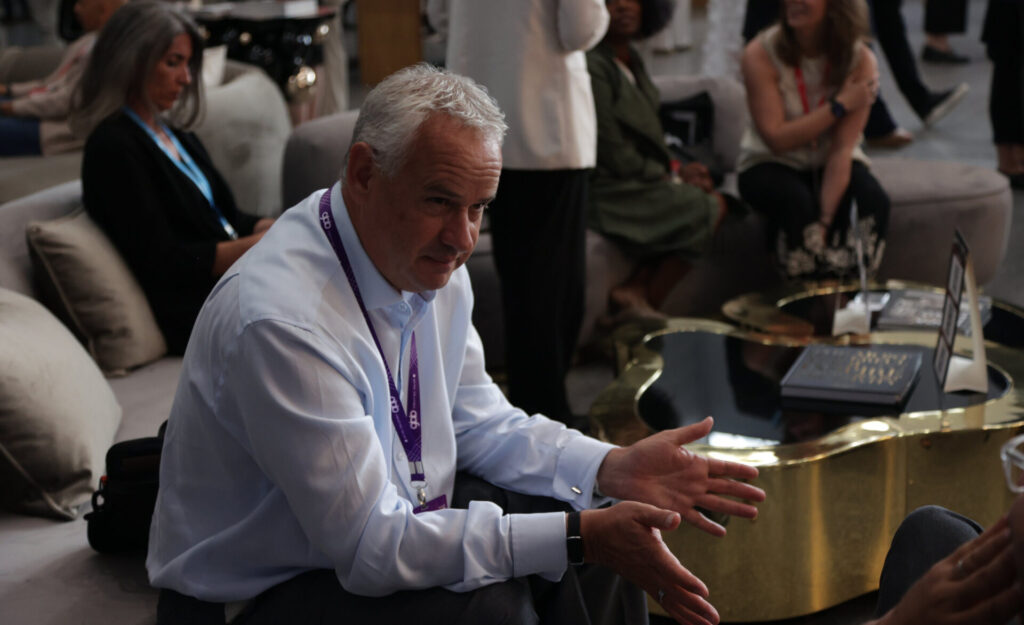
“For my own influencer brand, the celebrity content does two things: it humanises the conversation about money – people see that even hugely successful names struggle with the same questions around leverage, lifestyle, and legacy. And it expands the audience – fans come for the interview and stay for the financial education. That’s incredibly powerful.”
With 36,000 LinkedIn connections and partnerships spanning luxury yacht manufacturers to digital media companies, you’ve built an extraordinary network. How do these relationships translate into tangible value for clients, and what strategies have proven most effective in cultivating trust within ultra-high-net-worth circles?
“In private wealth, your network isn’t just social – it’s an infrastructure. My relationships with yacht manufacturers, brokers, developers, lenders, family offices and media companies translate into tangible value for clients in a few key ways.
“Access: off-market deals, early looks at inventory, and introductions that simply aren’t available on public platforms. Speed: when a client needs to move on an eight-figure asset, time kills deals. Knowing who will actually pick up the phone and execute is priceless. Terms: long-term relationships can mean better structures, more flexible covenants, or creative solutions where a cold approach would get a straight “no”.
“In terms of cultivating trust in UHNW circles, a few strategies have worked consistently for me: do what you say you’re going to do, every time. Don’t chase every deal – saying “no” when it’s not right builds far more trust than forcing a “yes”. Create value publicly (through content) and privately (through introductions, ideas, and structures) long before you ever ask for anything in return.
“Trust is slow to build and very fast to lose. I treat it like the core asset of the business.”
Your new book reveals “The Secret Language of the Super Rich” exploring wealth strategies traditionally kept private. What prompted you to share these insights with a broader audience, and which revelations most challenged conventional thinking about wealth and borrowing?
“The book came from a simple realisation: the wealthiest people I work with aren’t playing the same game most people think they’re playing. They aren’t just “better savers” or “better investors” – they’re using an entirely different language around risk, leverage and ownership.
“I decided to share those insights for two reasons. First, democratisation of knowledge. A lot of these ideas aren’t inherently complicated; they’ve just never been explained outside small circles. Second, self-interest in the best sense. An educated client base is easier to work with, makes stronger decisions, and can do more interesting deals.
“Some of the revelations that challenge conventional thinking include: the super rich often use debt to reduce risk – by ring-fencing assets, creating liquidity buffers, and transferring certain risks to lenders. They focus less on “Is this asset cheap?” and more on “Can this asset carry smart debt and cash flow through different market conditions?” They care obsessively about downside scenarios and stress-testing – far more than the average investor who is chasing headline returns.
“”How the Super Rich Borrow” is really about decoding these mental models so they’re no longer reserved for a tiny group.”
The book’s provocative conclusion, “Owing is Owning,” challenges traditional perceptions about debt and wealth. Having facilitated billions in luxury financing, how have you witnessed sophisticated investors transform strategic borrowing into wealth acceleration tools, and what distinguishes this approach from traditional wealth preservation strategies?
“”Owing is Owning” doesn’t mean “go and max out leverage”. It means that, at the highest levels, ownership is often expressed through control via smart debt, not through paying cash and hoping for the best.
“Sophisticated investors use strategic borrowing to control larger or better-quality assets than they could with cash alone, keep liquidity available for opportunities and emergencies instead of burying it all in one asset, and shift certain risks (interest rate, market, duration) onto lenders through the right structures and terms.
“The difference between this and traditional “wealth preservation” is mindset. Traditional preservation says: “Own it outright, avoid debt, and protect what you have.” Strategic wealth acceleration says: “Use prudent, well-structured debt to control great assets, stay liquid, and grow the pie – while still protecting the downside.”
“In practice, that looks like long-term, asset-backed, sensibly-leveraged positions with multiple exits, not reckless borrowing. When it’s done properly, the person who “owes” actually has more optionality, more control and, over time, more wealth than the person who insists on paying cash for everything.
“That’s the real secret: it’s not about loving debt, it’s about mastering it.”