



When you think of Formula One, the environment is probably not the first thing that springs to mind. But the Mercedes-AMG PETRONAS F1 Team is working hard to change that. The Mercedes has just announced one of the most ambitious carbon removal programmes ever seen in professional sport, with a clear goal of reaching Race Team Control Net Zero by 2030.
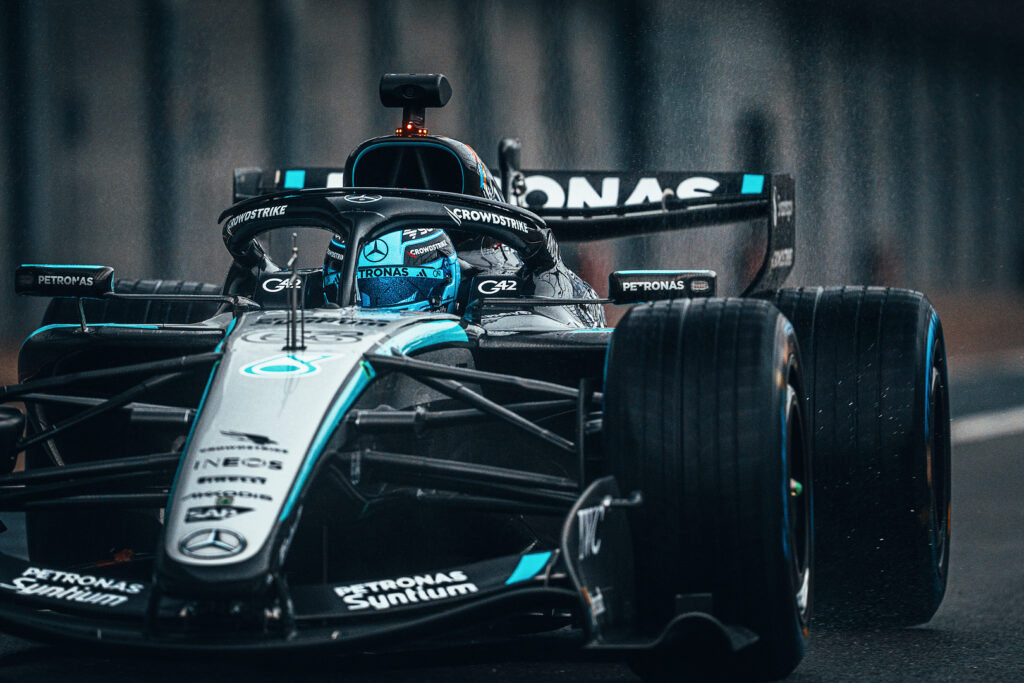
The team has announced a major expansion of its global carbon removals portfolio, adding seven new projects across six different technologies in a programme that now covers Brazil, Canada, the United States, the United Kingdom, Denmark and India. Each of those locations sits close to a Formula One race venue, which means the investment maps directly onto where the team actually travels and competes. The total commitment covers approximately 18,900 tCO2e of carbon removals. It is a substantial figure by any measure, and one the team is targeting as part of its Race Team Control Net Zero goal for 2030.
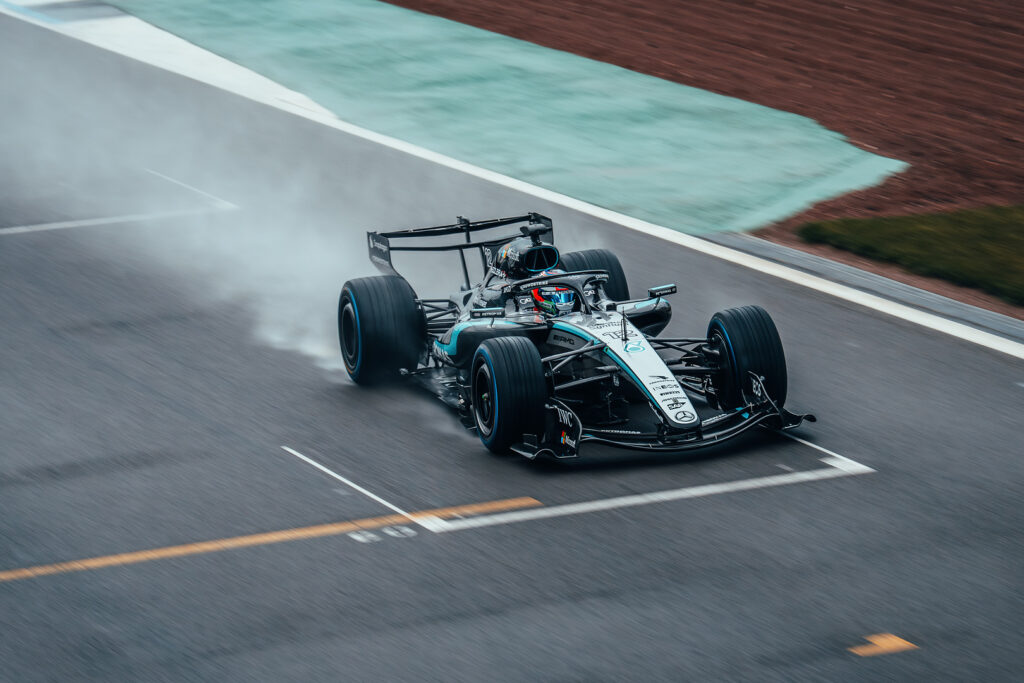
The approach is guided by the Oxford Offsetting Principles, a widely respected framework that pushes organisations to focus on durable, long-lasting removals rather than the quick-fix offsets that have given the carbon market a mixed reputation in recent years. The team is clear that reducing emissions comes first, and carbon removal is the tool for dealing with what cannot yet be eliminated.
Driving Sustainability
One of the most interesting parts of this story is the range of technologies involved. Direct Air Capture uses machines and chemistry to remove CO2 directly from the air and store it deep underground. It sounds futuristic, but it is already operating at small scale in several countries and growing quickly. Biomass Storage takes a different approach, turning organic material into stable forms that lock carbon away before it can break down and return to the atmosphere.
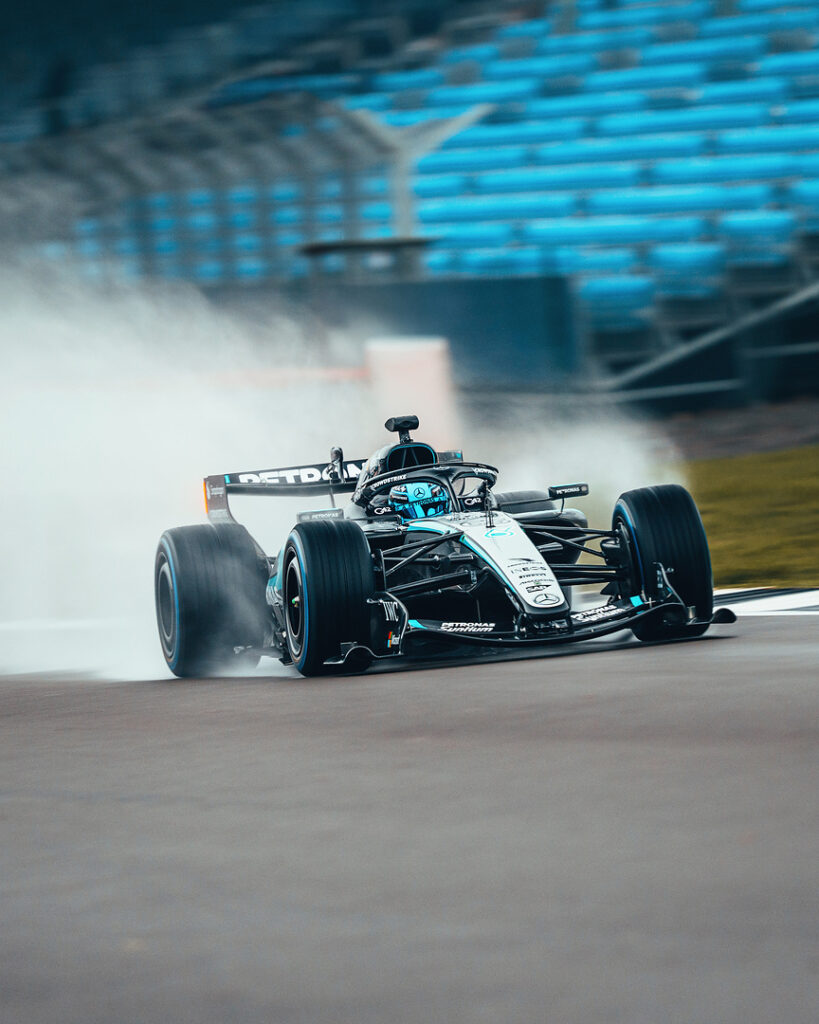
Bioenergy with Carbon Capture and Storage captures CO2 produced during energy generation and stores it underground, turning what would have been an emission into a net removal. Biochar is created by heating plant material at high temperatures without oxygen, then adding it to soil where it remains stable for hundreds of years while also improving crop growth. Ocean Alkalinity Enhancement adds natural minerals to seawater to help the ocean absorb more CO2, while Enhanced Rock Weathering speeds up a natural process that has been removing carbon from the atmosphere for millions of years. Together, these six methods spread risk across different technologies and timescales, which is a sensible approach given that no single solution is likely to solve the problem on its own.
Partnerships That Power Change
Delivering this properly takes more than good intentions. The portfolio is selected and managed by CUR8, a specialist carbon removal marketplace that carefully reviews every project before it is included. That level of independent oversight matters. It ensures a consistent standard across different regions and technologies, and gives real confidence that the results being reported are credible.
These new projects build on existing partnerships with Frontier, Chestnut Carbon, and regenerative agriculture programmes already in place from 2024. Rather than relying on a single announcement, this is a strategy that has been developed gradually, step by step. It is a measured approach, designed to create impact that is not only meaningful now, but built to last.
World-Class Backing
The team is not working alone. Partners including Signify, UBS and Nasdaq share the same focus on advancing high-quality climate solutions and are actively involved in the wider programme. Meta AI and Microsoft are also recognised for their role, having helped shape the carbon removal market through early and meaningful investment.
That level of support matters for a simple reason. Carbon removal technologies are still expensive and not yet operating at the scale needed to make a global impact. Getting there depends on early investment from organisations willing to commit before the business case is fully proven. When companies like UBS and Nasdaq take that step, it sends a strong signal to the wider market that this is a serious and credible direction.
“Emissions reduction remains our priority, and high-quality carbon removals are essential for tackling the residual emissions that remain. By investing early across a diverse set of technologies and regions, we’re contributing to upscaling durable climate solutions while supporting the communities and environments in which we race. As a team, we are determined to engineer change on and off the track, so I’m proud to see our ambitious portfolio aiming to deliver meaningful impact far beyond our world.”
Alice Ashpitel, Head of Sustainability, Mercedes-AMG PETRONAS F1 Team
Ashpitel was joined at the event by representatives from CUR8 and two of the portfolio’s project partners — Carboneers and InPlanet. Putting specific project names in the room alongside a major sustainability platform is a deliberate choice, and it signals confidence in the detail behind the headlines.
Leading Change On and Off the Track
Formula One reaches around 1.5 billion people across more than 200 territories every season. That kind of audience gives the sport an unmatched ability to showcase ideas and technologies to a global stage. When one of the most recognisable teams in racing puts its weight behind Direct Air Capture or Ocean Alkalinity Enhancement, suddenly these innovations are part of the conversation, capturing attention they could never earn on their own.
The sport has already set a bold Net Zero target for 2030, and this approach, with projects verified independently and linked to the race calendar, shows how a sports organisation can turn ambition into action. The Silver Arrows have always shone when the pressure is on, and this challenge could not be more important or more exciting.