


Formula 1 is the most watched annual sporting series on the planet, with a global fanbase now exceeding 827 million people. For most of its 75-year history, it was almost entirely a man’s world. That is no longer true. Women are shaping the sport as drivers, strategists, engineers and team leaders, and the numbers following them are extraordinary. Female fans now account for three in four new supporters joining the sport. This is the story of how it happened, and the women who made it possible.
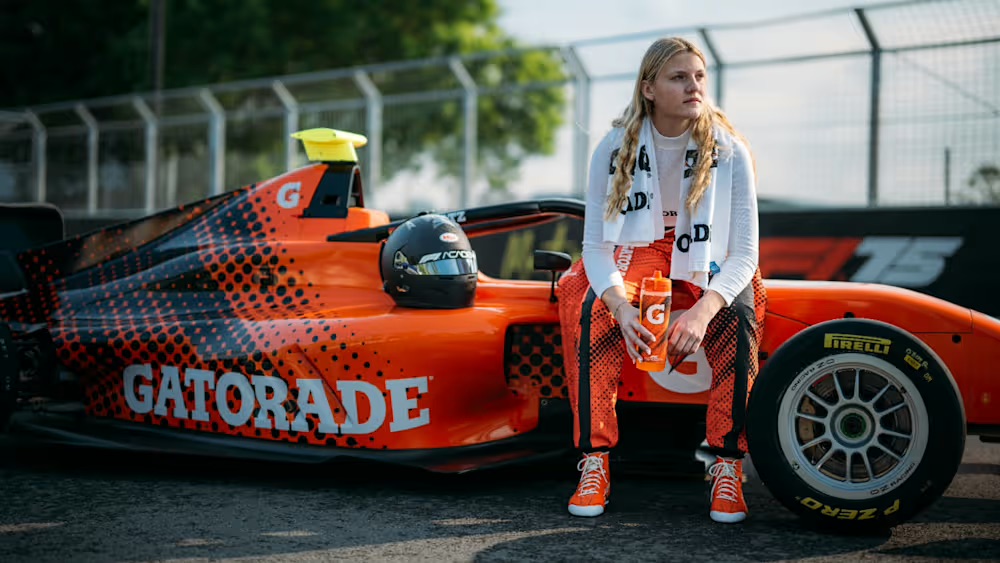
According to the 2025 Global F1 Fan Survey, conducted across more than 100,000 respondents in 186 countries, female fans now account for 42% of the total global audience, up from 37% just a few years prior. Since 2024 alone, an estimated 43 million women have become fans of the sport.
The First to Take the Wheel
The history of women in Formula 1 begins with Maria Teresa de Filippis, born in Naples in 1926. Her entry into motorsport came almost by accident, following a bet between her two older brothers about whether she could drive fast. Turns out, she could. Making her competitive debut in 1948 at the wheel of a Fiat Topolino, she finished second in a local hill-climb and never looked back. By 1958, she had fought her way through to Formula 1 and became the first woman in history to compete in a championship race, qualifying 19th for the Belgian Grand Prix in a Maserati 250F and crossing the line in tenth place.
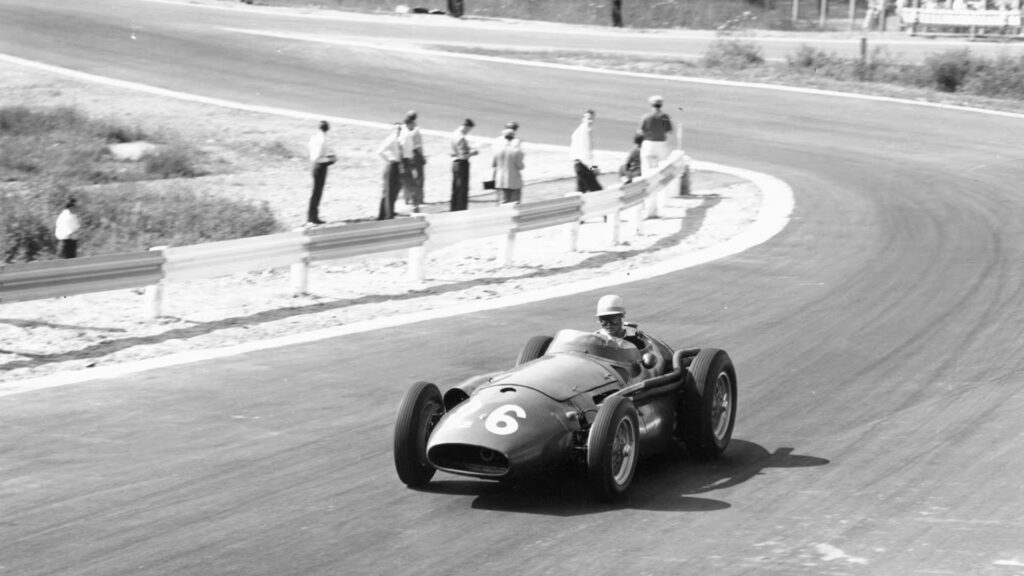
Her achievement was remarkable by any measure, achieved without the support structures, visibility or professional pathways that exist today. After stepping back from racing, she returned to the sport in a different role, becoming vice-president of the International Club of Former F1 Grand Prix Drivers in 1997, having opened a door that very few others would walk through for many years to come.

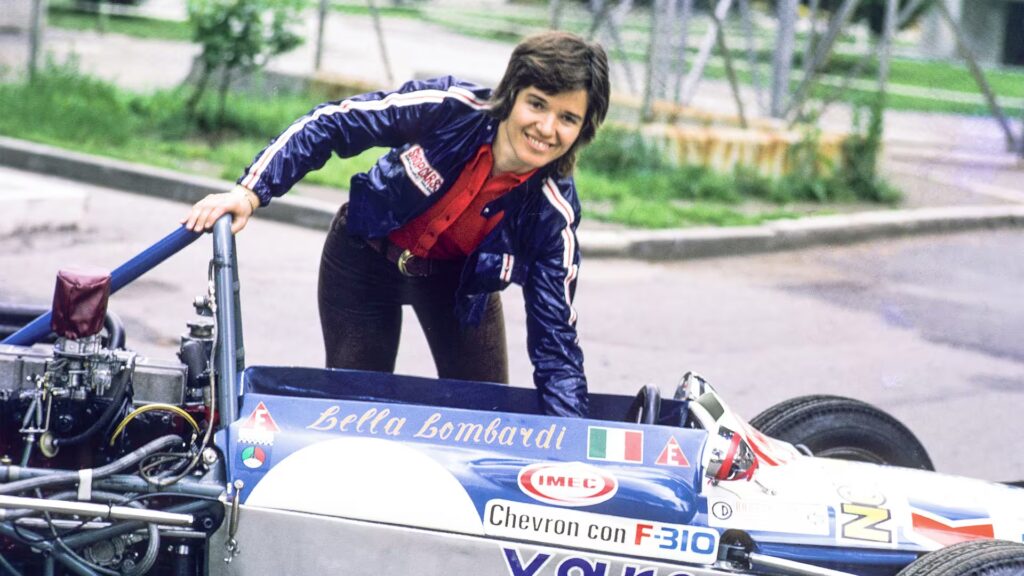
Lella Lombardi was one of them. The Italian driver’s path to Formula 1 was unconventional, her interest in racing reportedly sparked while driving the delivery van for her family’s butcher’s shop. She progressed through karts, Formula Monza and Italian F3 before making her F1 debut with March in 1975. At the Spanish Grand Prix that year she scored half a point for sixth place, a result that remains, to this day, the only championship point ever scored by a female driver in Formula 1. She later competed at the 24 Hours of Le Mans and founded her own team, Lella Lombardi Autosport.
The Women Behind the Strategy
The cockpit is only one part of Formula 1. Behind the scenes, the sport runs on strategy, commercial thinking, and operation. It is in these areas that women have made some of the most meaningful contributions in recent years.
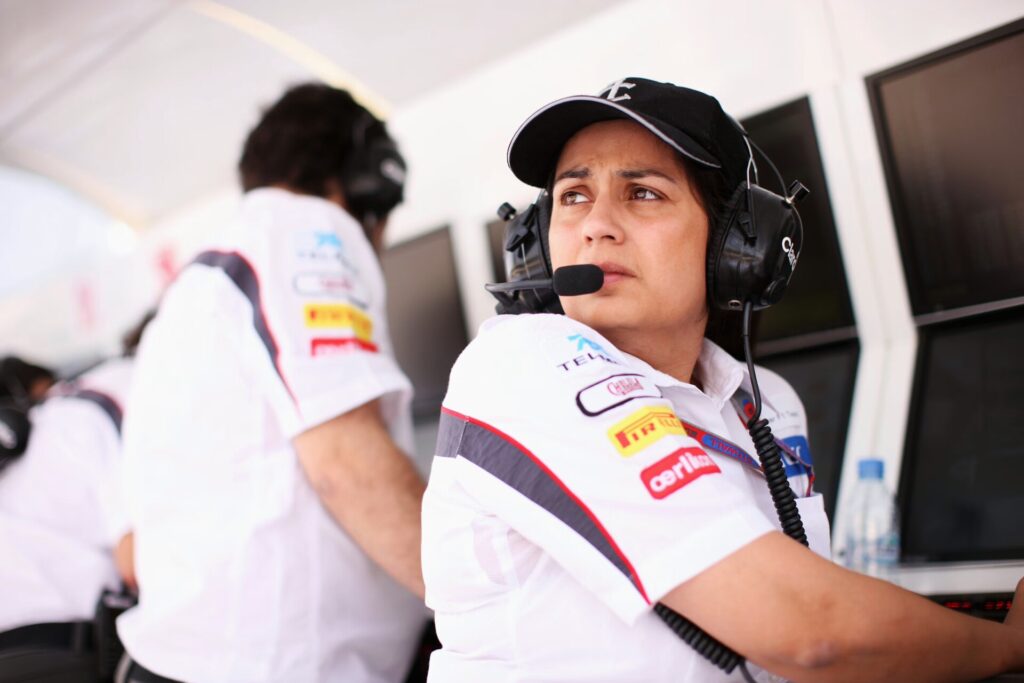
Monisha Kaltenborn became the sport’s first female Team Principal when she took charge of Sauber in 2012. She had spent years building her career within the team, first leading its legal operations before becoming a part-owner in 2011. Her appointment was a milestone moment. In a 2021 interview, she said, “At the end of the day, it’s all about the opportunity.” She spoke openly about the number of capable women in the industry, and how often the real barrier is simply access. During her time in charge, drivers including Nico Hülkenberg and Marcus Ericsson raced under her leadership, as she guided the team through several competitive seasons before stepping away in 2017.
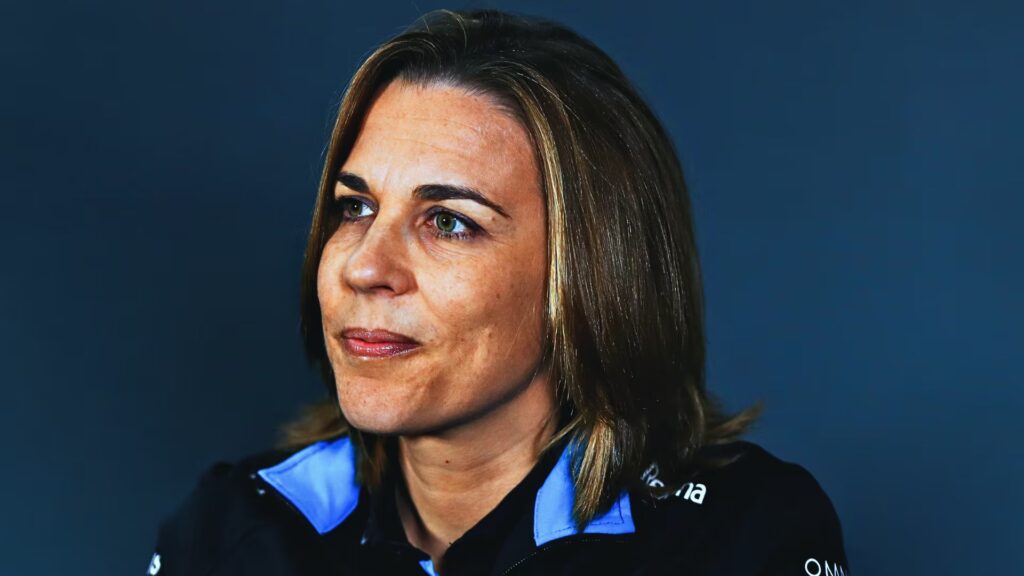
Claire Williams became the second woman to lead a Formula 1 team, taking on the role of Deputy Team Principal at Williams in 2013. Her path into leadership was gradual and grounded, having started as a Communications Officer back in 2002. Under her direction, the team achieved 15 podium finishes and secured third place in the Constructors’ Championship in both 2014 and 2015, its strongest performance in over a decade. Just as importantly, she used her position to open doors for others, supporting opportunities for drivers such as Susie Wolff and Jamie Chadwick. After the team’s sale in 2020, she stepped away from Formula 1, later returning to the sport as an analyst on Formula 1 Drive to Survive.
Inside the Inner Workings of Formula 1
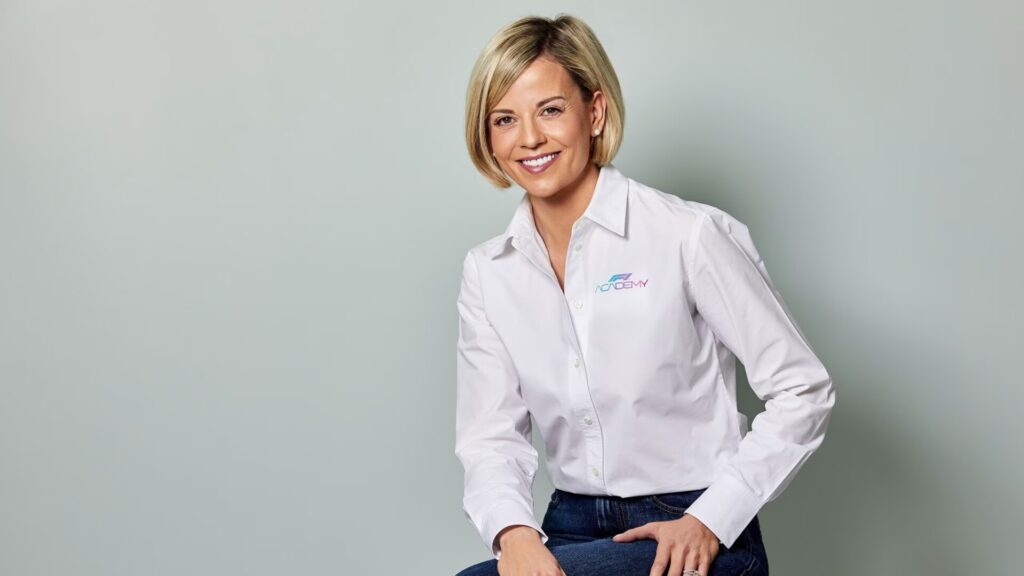
Susie Wolff has shaped Formula 1 in more ways than one. As a driver, she became the first woman to take part in a Formula 1 race weekend in more than two decades when she drove in free practice at the 2014 British Grand Prix for Williams. More appearances followed before she stepped away from driving, but her influence on the sport was far from over. In 2016, she co-founded the non-profit Dare to be Different, created to encourage more girls into motorsport, and in 2018 she became Team Principal of the Venturi Formula E team. Since 2023, she has served as Managing Director of F1 Academy, the all-female series that has quickly built a significant following and is now one of the most watched motorsport series among female fans.
Several hundred kilometres away from the grandstands, race strategy is often where victories are truly decided, and this is where Hannah Schmitz has become one of the most respected figures in the sport. After graduating from Cambridge with a master’s degree in Mechanical Engineering, she joined Red Bull Racing as a modelling and simulation engineer before moving into strategy. Now Head of Strategy, her decisions have played a role in multiple championship-winning seasons. One of the most talked-about moments came at the 2022 Hungarian Grand Prix, when her strategy call helped deliver an unlikely victory for Max Verstappen after starting from tenth on the grid.
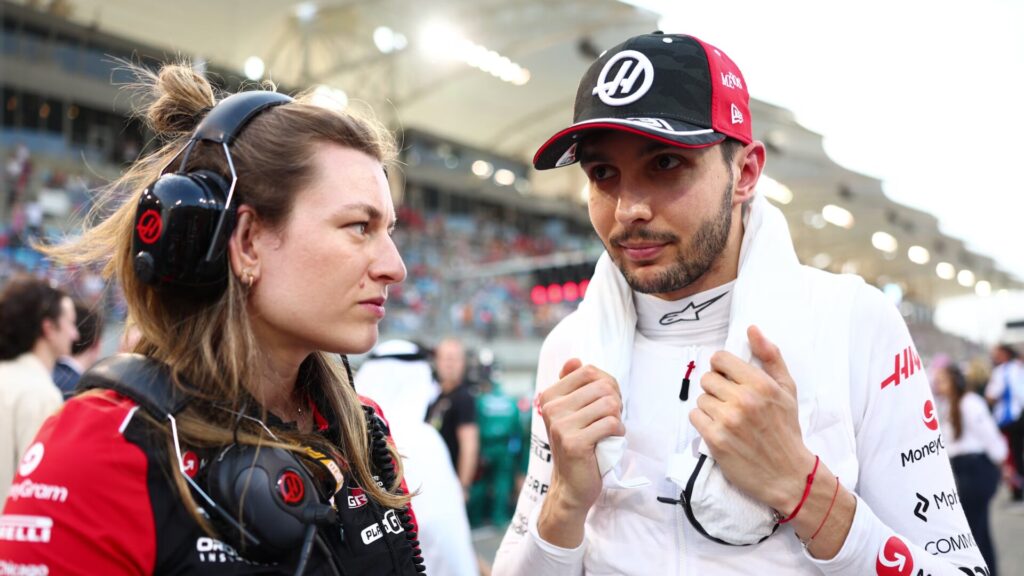
At Haas F1 Team, Laura Müller made history ahead of the 2025 season when she was appointed Race Engineer for Esteban Ocon, becoming the first woman to hold that role in Formula 1. Team Principal Ayao Komatsu described her determined character as the perfect fit for Ocon, who later said her rise through the sport had been very impressive and that her approach was “flat-out.” Ahead of the 2026 Australian Grand Prix, Formula 1 announced that Müller and Schmitz would become the first women to have a corner named after them at the circuit, with Turn 6 dedicated to them as part of the In Her Corner initiative.
Rising Through the Ranks
F1 Academy launched in 2023 with a clear goal: to create a real pathway for female drivers into the highest levels of motorsport. Three seasons in, it has already produced three very different champions, each showing the depth of talent now coming through the series.
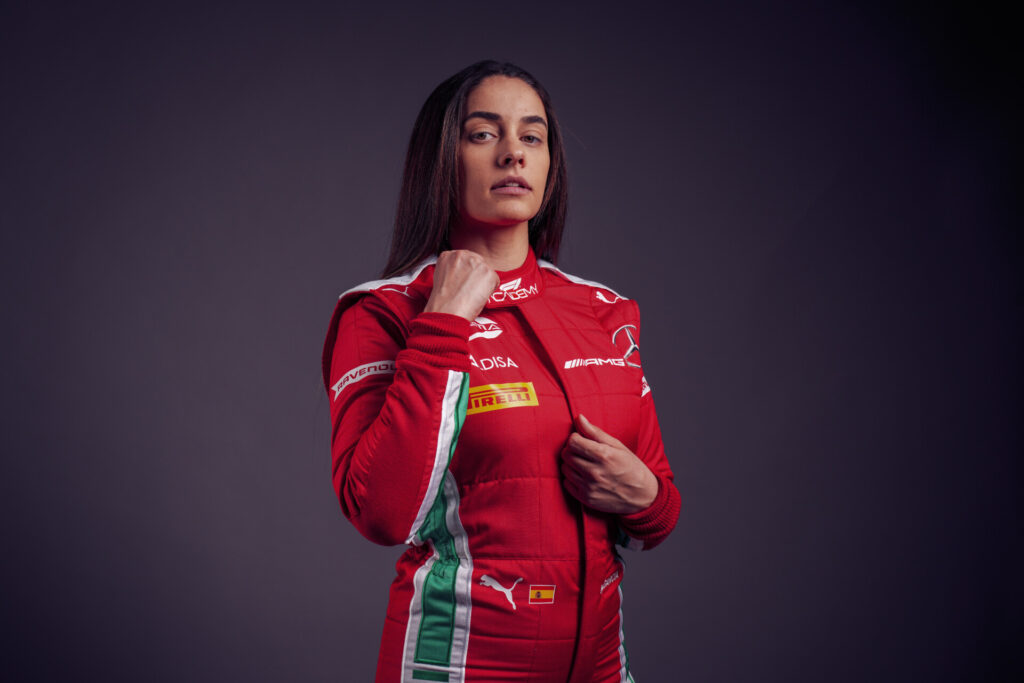
Marta García dominated the first season, winning eight races, securing five pole positions and finishing on the podium 12 times to take the 2023 title with PREMA Racing. She went on to race in the Formula Regional European Championship by Alpine and later competed in the 2025 Le Mans Cup in the GT3 category with the Iron Dames team, where they took victory at Silverstone.
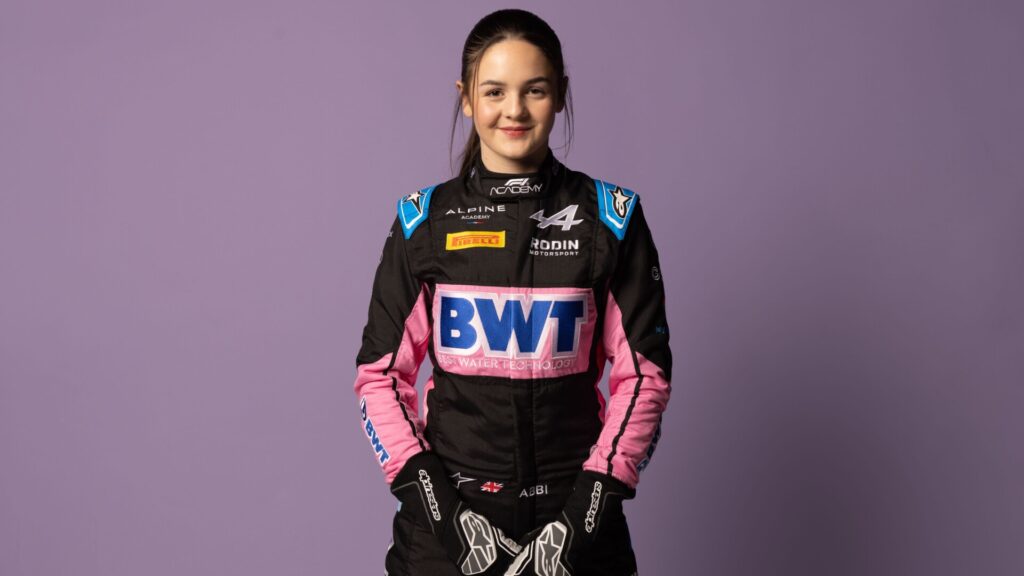
Abbi Pulling followed in 2024 with one of the most dominant seasons the championship has seen. She won 9 of the 14 races, took 10 pole positions and finished on the podium in every single race. She won the title by 121 points, earned a fully funded GB3 Championship seat for 2025 and became the first woman to stand on a GB3 podium. She continues to compete in the series through 2026.
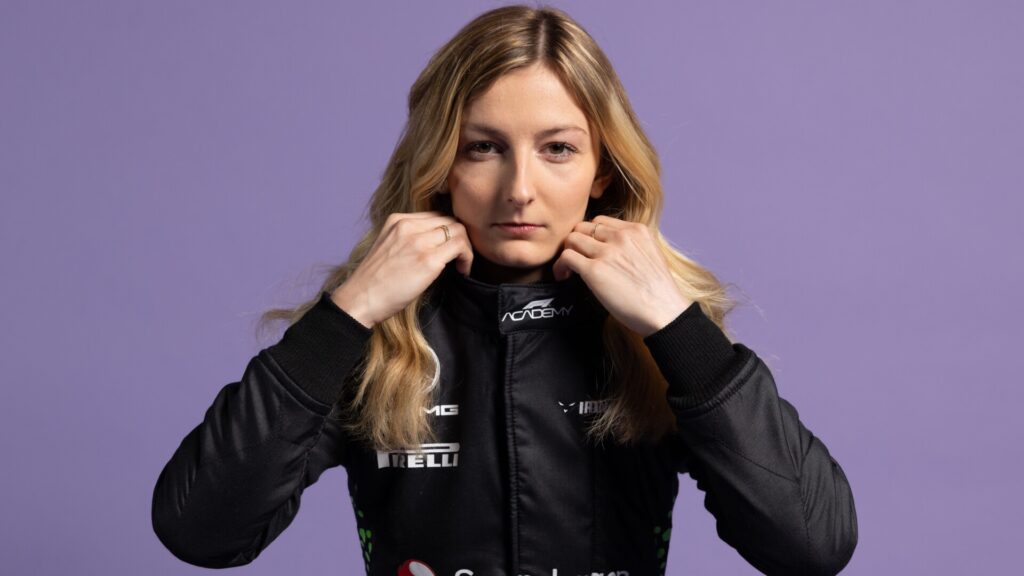
Doriane Pin completed the first chapter of F1 Academy’s story by winning the 2025 championship. After finishing second the year before, she returned to take the title at the Las Vegas finale, finishing on the podium at every race she entered that season. In 2026, she joins the Mercedes-AMG PETRONAS F1 Team as a Development Driver while also racing in the European Le Mans Series.
The Business Case for Change
The commercial case for women in Formula One has never been clearer. Since 2024, an estimated 43 million women have started following the sport, with women now making up around 42% of the global fanbase, up from 37% just a few years ago. Even more telling is that female fans now account for the majority of new fans coming into the sport, with nearly half of Gen Z fans identifying as women. The audience is changing quickly, and the sport is changing with it.
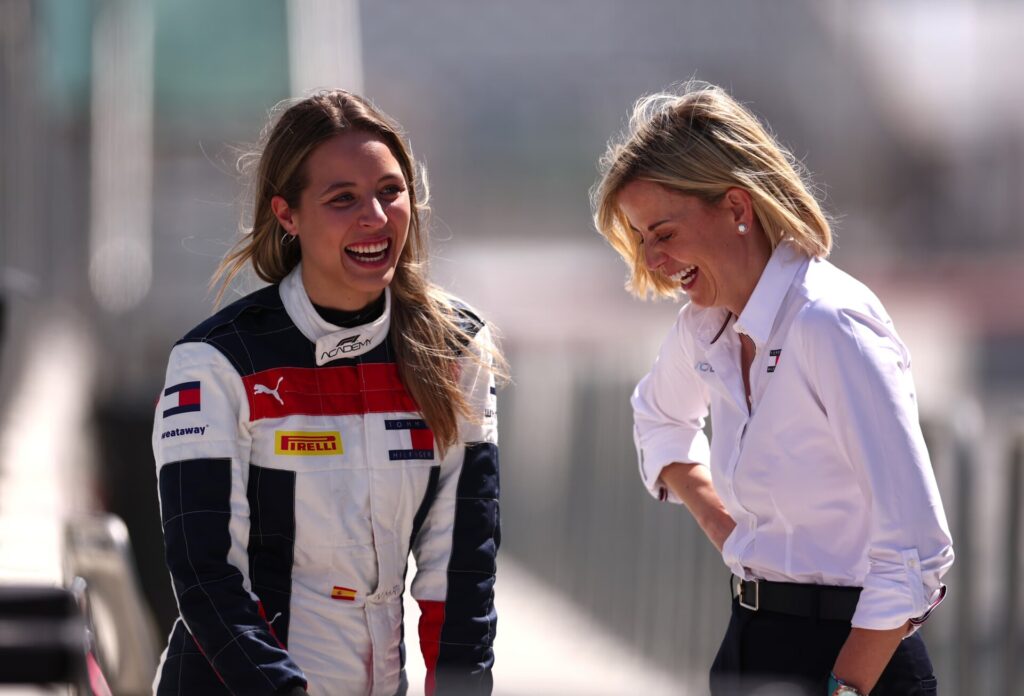
Among women surveyed, 42% say they now follow F1 Academy, making it the second most followed motorsport series after Formula One itself. That says a lot about what the series has achieved in a short time. It is not just a development platform, it is becoming a successful championship in its own right. Teams and brands are taking notice. McLaren has expanded to a two-car entry for the 2026 season, and Sephora has signed as an official partner. The series opens its fourth season in Shanghai before heading to Jeddah, Montreal and, for the first time, Silverstone during the British Grand Prix weekend.
The sport arriving at this point is not the result of one decision or one moment. It is the result of years of work by women who raced when few expected them to, who led teams, who made strategy calls that changed championships, and who built programmes designed to make the path easier for the drivers coming next. Formula One is a sport that moves very quickly. But this particular journey has taken time. Now, finally, the future is starting to come into view.