



McLaren Automotive has pulled the covers from the McL 6GT at the 2026 Monterey Car Week, a concept car that reaches back more than fifty years to complete a project its founder never finished. The car is a contemporary interpretation of the M6GT, the road car Bruce McLaren sketched out in the 1960s around his M6A Can-Am racer but never brought to customers. A production version is scheduled to follow in 2028, creating space in the range for a highly exclusive type of McLaren supercar beyond the core portfolio.

The reveal doubles as a statement of intent for the Woking marque. Nick Collins, Chief Executive Officer of McLaren Automotive, described the car as the founder’s vision carried forward with six additional decades of innovation behind it, calling it a modern icon of driver connection that signals a bold future for the brand.
A manual McLaren for the first time since the F1
The most significant line in the specification is the transmission. An authentic manual gearbox sends drive to the rear wheels, a layout McLaren has not offered since the legendary F1 of 1992. Every shift, throttle movement and steering input is intended to feel deliberate, physical and rewarding, in contrast with the increasingly digital character of modern performance cars.
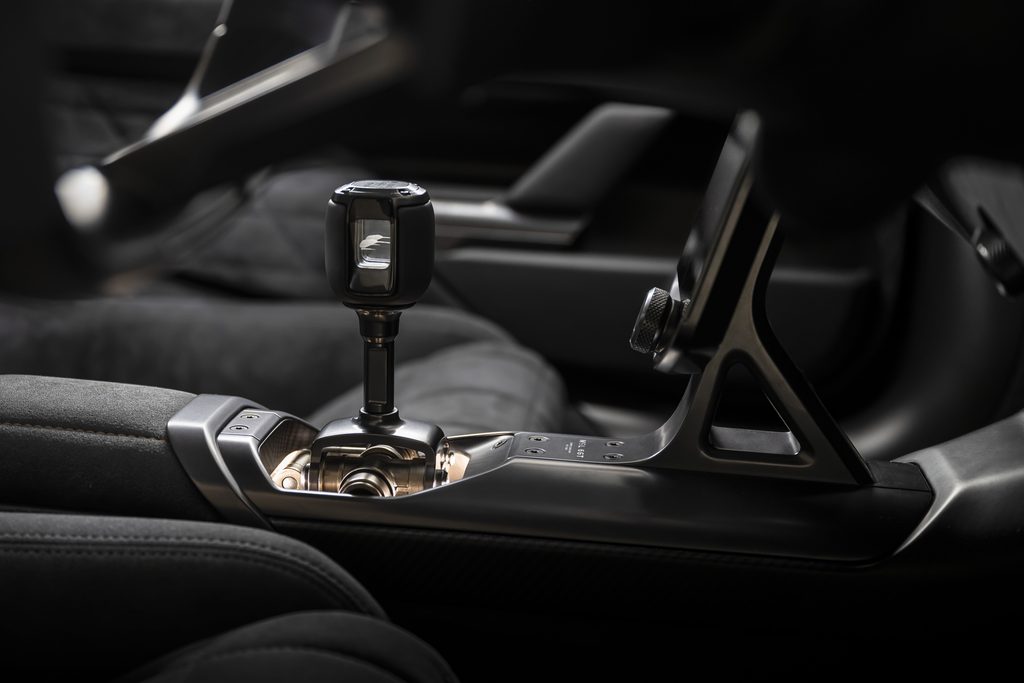
The tactility runs deeper than the gearbox. Hydraulic steering, tactile switchgear and knurled machined aluminium controls reinforce the mechanical connection between driver and machine. Even the gearstick has been shaped for maximum feel and throw, with a three-dimensional Speedy Kiwi, the first iconography developed from McLaren’s original logo, set within its upright.

Heritage woven into the surface
Designers interpreted the racing-inspired proportions of 1960s sports prototypes with modern execution and packaging. The car sits exceptionally low and wide, echoing the stance of the M6A racer upon which the original M6GT was based, and the body reads as a single continuous form from the low nose to the distinctive Kammback tail.
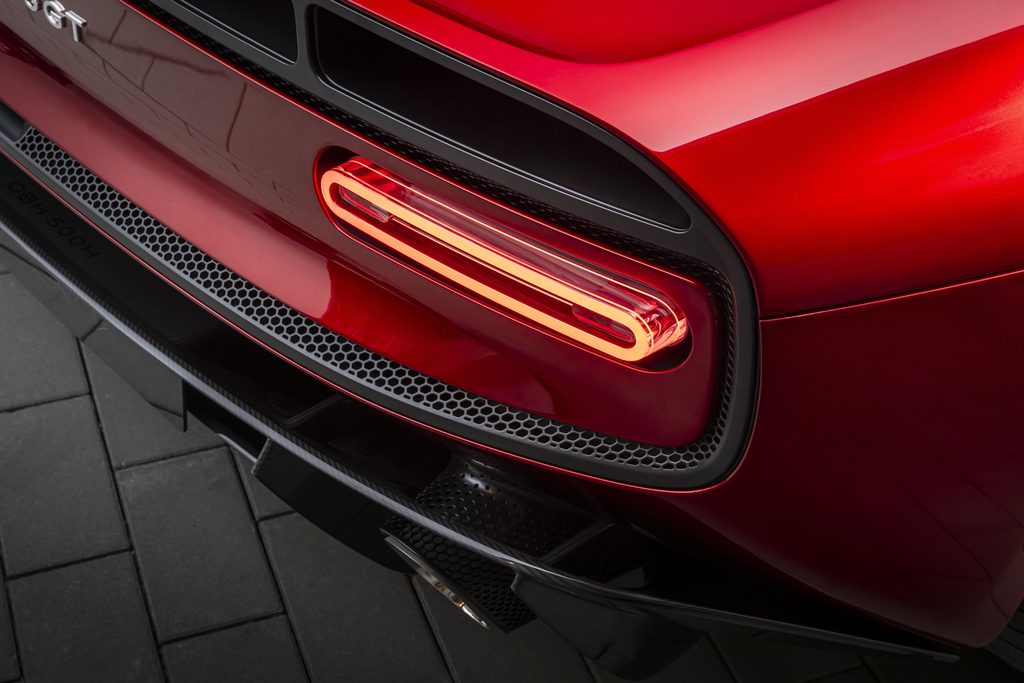
Details carry the story further. The ‘Racing Loop’ motif from the M6GT’s original taillights is worked into the airflow architecture, Bruce McLaren’s original M6GT number plate returns as a tone-on-tone graphic, and his signature adorns the engine bay. The Speedy Kiwi is etched again into the fuel filler cap.
Lightweight construction at its core
Carbon fibre defines the build. The McL 6GT pairs the latest super-lightweight carbon fibre monocoque technology with carbon fibre bodywork, delivering the power to weight ratio the material has long promised at Woking. Exposed gloss carbon fibre inside the cabin references the original M6GT and McLaren’s racing pedigree.
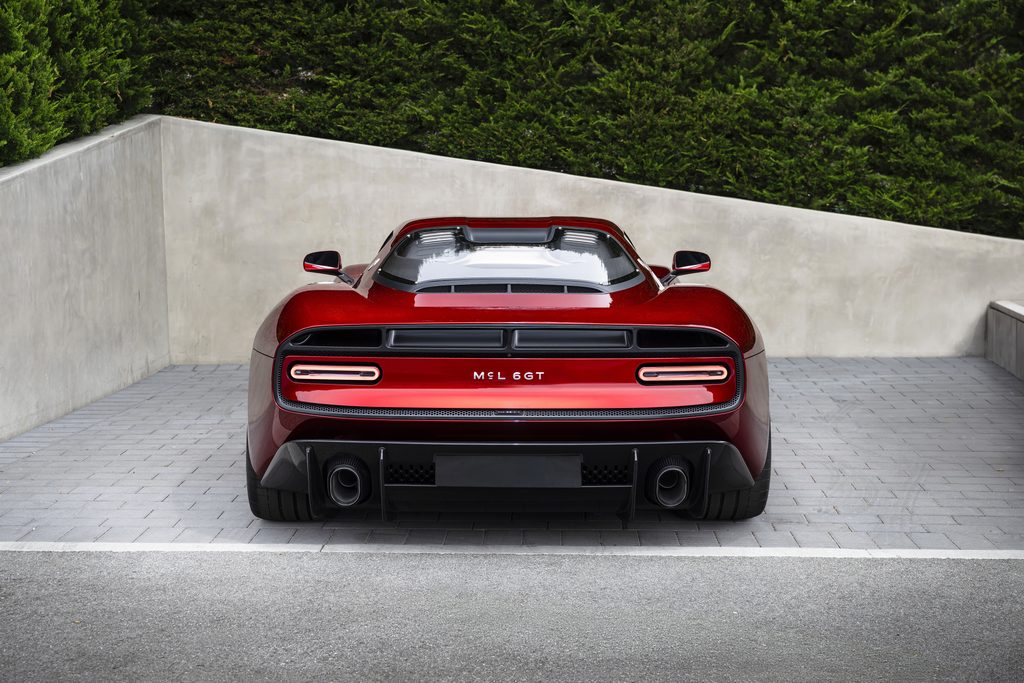
The interior balances past and present in other ways too. Boxed quilting is reinterpreted for a modern audience, while new digital instrumentation keeps the clarity and emotional appeal of the original dials. The result is a cockpit that feels forward looking yet unmistakably connected to the marque’s origins.
From Monterey to 2028
The concept follows a tribute McLaren Special Operations presented at this year’s Goodwood Festival of Speed, a one-off assembled to honour Bruce McLaren’s in-period vision. The McL 6GT takes that celebration of McLaren’s road car origins to its next stage and points directly at a production car in 2028.
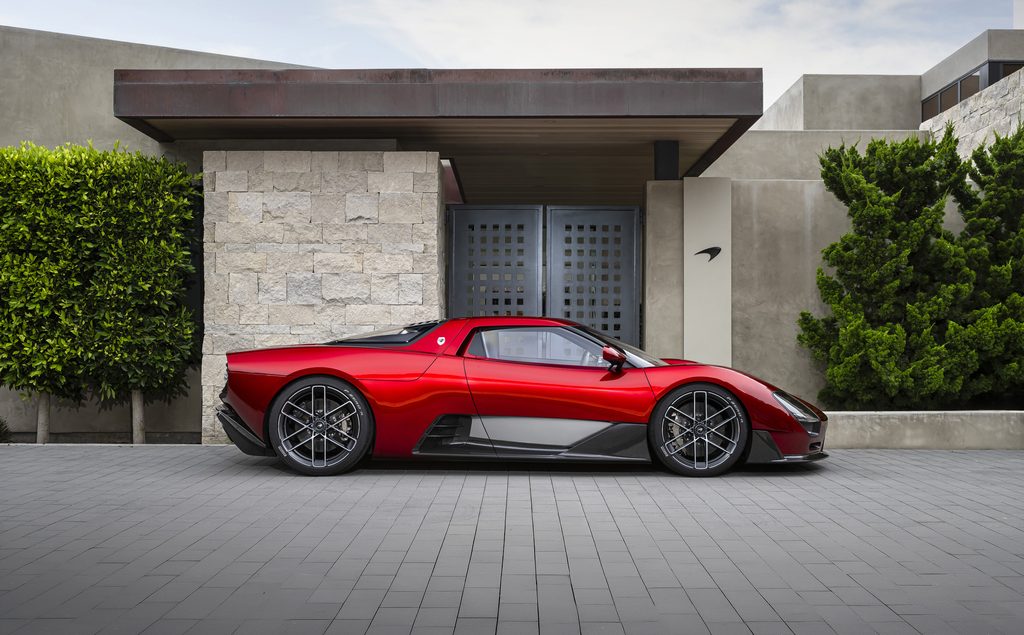
For a company that has spent a decade expanding its portfolio, the McL 6GT is a reminder of where the story began: one driver, one machine and an unfussy mechanical connection between the two. The promise of 2028 is that the dream Bruce McLaren did not live to finish will finally reach the road.