



Mauricio Umansky is the Founder and CEO of The Agency, a global real estate brokerage operating across 150 offices in 14 countries. Since founding the firm in 2011, he has built a collaborative business model that has closed more than £88 billion in transactions. With nearly £5 billion in personal sales, he holds the distinction of selling the most homes in the United States priced above £20 million, including landmark properties such as the Playboy Mansion, the first Los Angeles residence to exceed £100 million, alongside estates owned by Michael Jackson, Michael Jordan, and Prince.
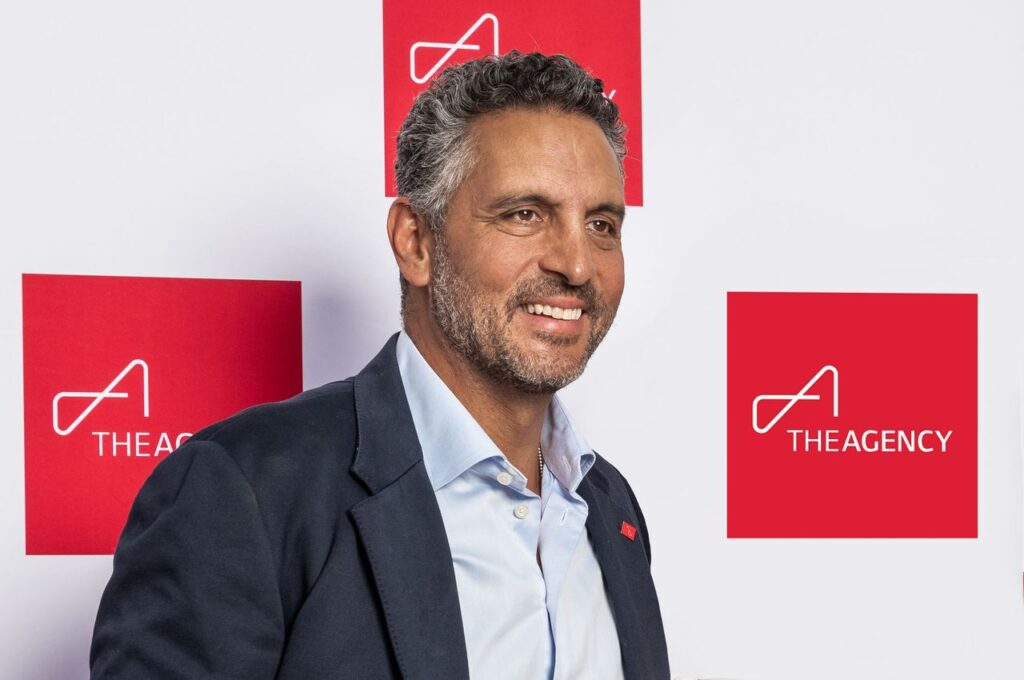
Recognised by The Wall Street Journal’s REAL Trends as one of the highest-producing agents, Mauricio received the Entrepreneur of the Year Greater Los Angeles Award in 2023 and ranked #33 on Swanepoel’s Power 200 list. The firm has been recognised by The Financial Times as one of America’s Fastest Growing Companies and has ranked on Inc. 5000’s list for seven consecutive years. The Agency has been featured on international television programmes including Million Dollar Listing Los Angeles and Netflix’s Buying Beverly Hills. Mauricio is the author of The Dealmaker and serves on the board of Giveback Homes.
You’ve grown a business from a single office to 150 locations across 14 countries in 15 years. What were the three most critical lessons you learned about international expansion that shaped how you approached each new market?
“International expansion taught me you can’t just copy and paste a business model into a new country or even a new market domestically. The three biggest lessons have been betting on the right local partners, staying true to our brand while respecting how each market actually works, and building real infrastructure before chasing growth. We stopped asking ‘How fast can we grow?’ and started asking ‘How well can we grow?’ and that shift has made all the difference. It helped us build something that feels both global and deeply local.”
The luxury property market has changed dramatically since 2011. From your perspective working across multiple continents, how do you read market signals and decide when to expand versus when to consolidate?
“The luxury market today is far more global and fluid than it was in 2011, so we spend a lot of time tracking where wealth is actually moving and where real demand is building, not just where prices are spiking at the moment.

“We pay attention to big-picture signals like capital flows, tax and policy shifts, infrastructure growth, and lifestyle trends, but we also rely heavily on what our agents are seeing on the ground with buyers and inventory. We expand when those signals line up and we have the right local partners in place. And we consolidate when the market is telling us it’s time to slow down, strengthen what we’ve built, and go deeper in a market instead of just getting bigger for the sake of it.”
You’ve closed sales on some of the world’s most significant properties, including the Playboy Mansion at over £100 million. What have these ultra-high-value transactions taught you about negotiation, client relationships, and maintaining composure under pressure?
“Transactions at that level teach you very quickly that it’s never just about the property or the price. They’re about trust, discretion, and understanding what really motivates each side of the deal. You learn to listen more than you talk, to stay patient when emotions are high, and to keep your ego out of the room so you can stay focused on the outcome.
“They also teach you the importance of preparation. When you’ve done the work and you know your numbers, your market, and your client’s priorities inside and out, you can stay calm even when the pressure is intense. At the end of the day, the biggest deals are built on relationships and reputation, and if you protect those, the transactions take care of themselves.”
Television became a significant part of your growth strategy, from reality programmes to Netflix series. How did you approach media and public visibility, and how do you measure whether it’s actually driving results for the business?
“From the beginning, my approach to media was simple: stay true to who I am and how we actually run our business. I never wanted to create a TV version of myself or the company that didn’t feel real, because I believe the right people will naturally align with you when your values and your ethos come through authentically. That’s what builds trust, and trust is what turns visibility into real relationships, not just attention.
“As far as results, we look beyond ratings or followers. We pay attention to brand recognition in new markets, inbound inquiries, agent recruitment, referral growth, and the quality of clients we’re attracting. If the people finding us through the media already understand who we are and what we stand for, then it’s working. For me, the goal was never fame. It was using visibility as a way to tell our story honestly and connect with people who genuinely align with our culture and our business.”
Your latest industry report highlights major shifts in how wealthy buyers are approaching property, prioritising individuality and intentional living over pure scale. What does this tell you about changing consumer behaviour in luxury markets more broadly, and how have you adapted your approach?
“This year’s Red Paper highlights something we’ve been seeing across every market we serve. Luxury is no longer just about size or flash, it’s about substance, intentional living and creating spaces that truly reflect who people are and how they want to live. Wealthy buyers today, especially the next generation, are prioritizing individuality, authenticity, craftsmanship, and lifestyle-first design. They want homes that support wellness, purpose, and personal values.
“What this tells us about luxury consumer behavior more broadly is that people are seeking meaning, not just status, and they want properties that fit their identity. We’ve adapted by listening more closely and advising differently. We focus less on square footage and more on the lived experience, how a home contributes to daily life, and long-term value. That approach ensures our clients make decisions that feel right for them.”
You built your brokerage on collaboration rather than internal competition between agents. That’s unusual in a commission-based industry. What practical steps did you take to make this work, and how did you foster genuine teamwork in such a competitive environment?
“The Agency was built on the idea that collaboration, not competition, drives lasting success. We’re not here to gatekeep. Our strength comes from a global network of agents who genuinely care about one another and want to help each other succeed. That means creating systems and a culture where sharing listings, co-listing, and cross-marketing feels natural, and where mentorship, training, and team rituals reinforce that sense of community.

“We just had our annual Global Forum in Florida where our agents from around the world came together to network, share ideas, and learn from some of the greatest minds in business and real estate. In today’s connected world, you never know where your next referral or deal will come from. By fostering real teamwork and encouraging agents to lift each other up, we’ve built a brokerage where collaboration fuels growth, trust, and results across markets around the world.”
Different regions are recovering at different speeds economically, creating what you describe as uneven market dynamics. How do you approach risk assessment when markets are this unpredictable?
“When markets are unpredictable and regions are recovering at different speeds, assessing risk isn’t about predicting the future perfectly. It’s about reading the signals and understanding what’s really happening in each market. We look at things like capital flows, policy changes, and local buyer behavior, but we also rely on our agents on the ground who see the details that data can’t always show.
“We make decisions with both discipline and flexibility. At the end of the day, it’s about balancing opportunity with common sense and making choices that support our brand, our agents, and our clients.”
You’ve moved beyond traditional brokerage into areas like art advisory and wealth services. When you’re considering new business opportunities, how do you decide what’s a smart diversification versus a distraction from your core business?
“When we consider new business opportunities, the first question is always whether it aligns with who we are and the value we bring to our clients. Diversification has to make sense for our brand and enhance the experience we offer, not distract from it. That’s why we’ve expanded into ancillary services and areas like art advisory with The Agency Art House, relocation and mortgage services because they naturally complement what we do and help our clients and agents in meaningful ways while staying true to the vision that built The Agency.”
Working with high-profile clients and major developers requires a particular approach to relationship building. What have you learned about earning trust and maintaining partnerships at the highest levels?
“Working with high-profile clients and major developers has taught me that trust is everything. You earn it by being transparent, reliable, and consistent, showing up with expertise but also with integrity. It’s not about impressing people, it’s about listening deeply, understanding their goals, and delivering results quietly and effectively.

“Maintaining partnerships at this level is about long-term thinking. You focus on the relationship, not just the transaction. When clients and partners know you care about their success as much as your own and that you can handle pressure without ego, the trust builds naturally and opportunities continue to grow over time.”
Based on everything you’ve observed across global luxury markets, what’s the single biggest opportunity you see emerging for the next five years, and how are you positioning the business for it?
“As our 2026 Red Paper highlights, luxury buyers are now focused on wellbeing and purposeful living. Wellness has become the new wealth, and homes that combine design, sustainability, and spaces for living well represent the biggest opportunity ahead.
“At The Agency, we guide clients beyond the transaction, helping them find properties that fit their lifestyle and long-term goals. Our global network allows us to spot trends early and connect buyers with homes that truly enrich their lives, while also providing insights, guidance, and connections across markets so clients can feel confident that the homes they choose will enhance not just their investment, but the way they live every day.”