


Milan will host the seventh Watch Art Grand Exhibition this October, and it is confirmed to be the largest edition it has ever mounted. The setting is the CityOval, the recently restored building known for a century as the Palazzo delle Scintille, at the centre of the CityLife district. Entry is free, as it has been at every edition since the format began.
The exhibition series started in Dubai in 2012 and has since travelled to Munich in 2013, London in 2015, New York in 2017, Singapore in 2019 and Tokyo in 2023. Between them, the six editions have drawn roughly 165,000 visitors. Each has been staged in a building closely identified with its host city, and each has been open to anyone who books a slot.
Italy is one of the company’s oldest markets, and the choice of Milan reflects a relationship that goes back to the year the business was founded. Around 500 timepieces and objects will be shown, drawn from the current collection, the Rare Handcrafts workshops and the manufacture’s museum in Geneva. Several limited editions will be launched alongside the event.
A dome, a district and a restoration
The CityOval was built in 1923 to a design by the architect Paolo Vietti-Violi, who conceived it as a sports pavilion. Its Art Deco dome rises to 30 metres at its highest point, and the building is the last historic structure standing within CityLife, Milan’s business and residential quarter. It has been fully renovated as part of the wider regeneration of the area.

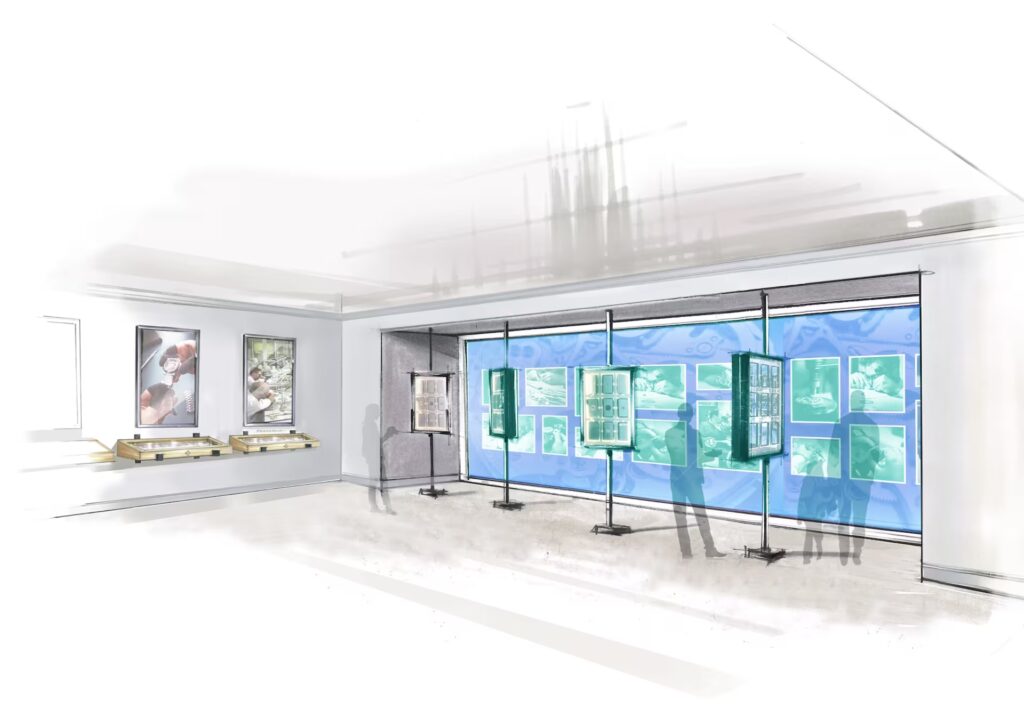
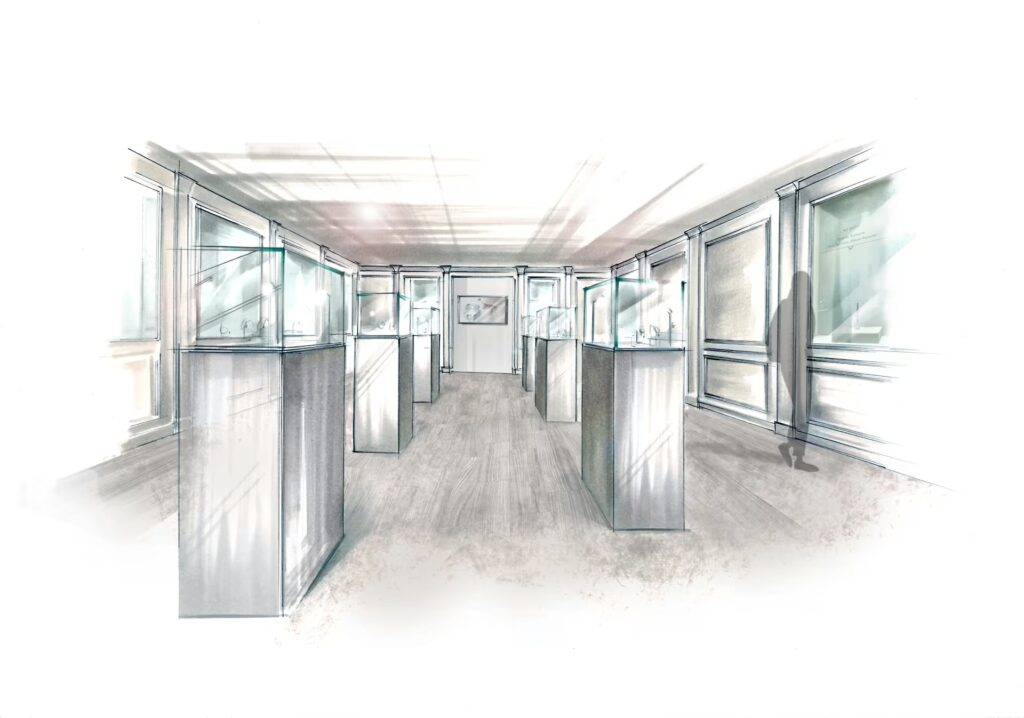
Patek Philippe will occupy approximately 2,540 square metres of the venue’s 4,000 square metres of exhibition space, positioned at the centre of the floor plan. The layout is divided into themed rooms that lead visitors through the company’s principal Geneva addresses, including the historic headquarters on the Rue du Rhône, the manufacture at Plan-les-Ouates and the museum itself.
The Italian connection dates to 1839, when one of the first watches the young firm produced went to a client in Rome. Italian collectors have since built a reputation for technical literacy and for backing designs that later travel well, a pattern the company has watched closely over several generations. That history has shaped the curation of the Milan edition, which places Italian subjects and Italian provenance at the centre of the museum loans.
“If Italians love a watch, it will succeed everywhere.”
Thierry Stern, President, Patek Philippe
The collection
The full current collection will be shown, running from the Nautilus and Aquanaut families through to the most technically demanding grand complications. A dedicated Super Complications room brings together three of the most significant pieces the company has produced. The Calibre 89, built with 33 complications for the 150th anniversary, will sit alongside the Grandmaster Chime Ref. 5175, the 20-complication wristwatch made for the 175th, and the Star Caliber 2000.
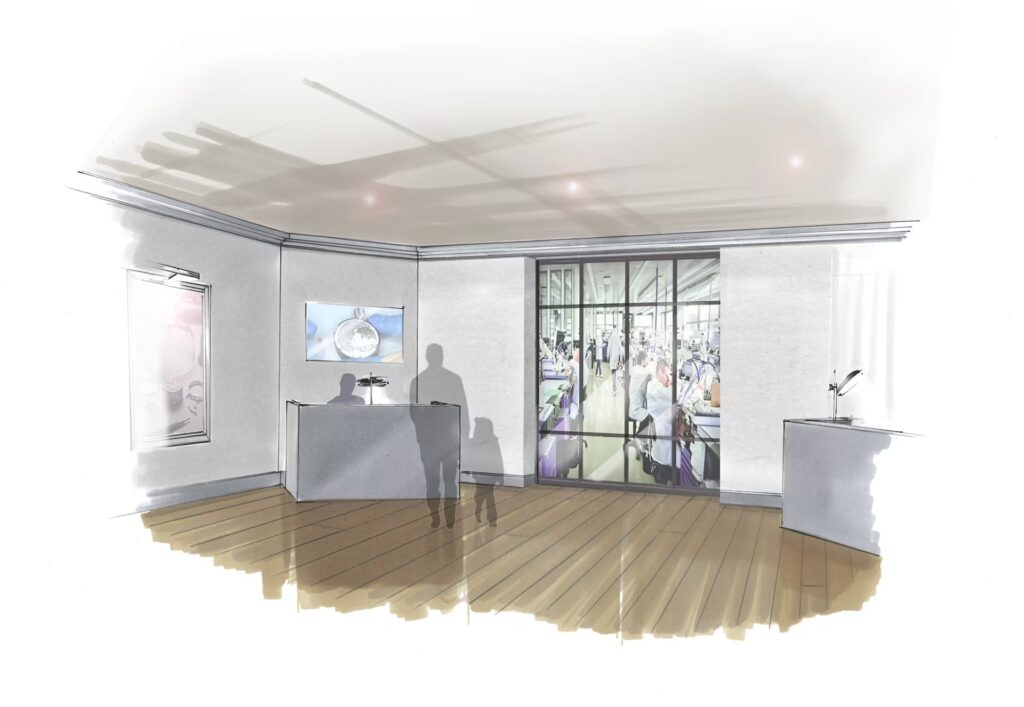
A separate space called Master of Sound is given over to chiming watches, a category with which Stern is personally involved, since he listens to every repeater before it leaves the workshop to check its tone, balance and pitch. The Sky Moon Tourbillon appears here too. Elsewhere, one room presents the movements the company has designed and built in-house, with adjoining areas covering component production and research and development. Master watchmakers will work at benches throughout the run, taking movements apart in front of visitors.
Geneva opens the vault
Pieces from the Patek Philippe Museum in Geneva have been given permission to travel for the event, which is unusual. The Antique Collection covers the sixteenth to the early nineteenth century and includes some of the oldest portable timepieces in existence, tracing the development of watchmaking well before the company existed. A second group from the Patek Philippe Collection follows the manufacture’s own output from 1839 onwards.
Two loans speak directly to the host country. The first is an enamelled and gem-set pocket watch made in 1897 for King Umberto I of Savoy. The second, dated 1830, carries a champlevé enamel map of northern Italy. Moving pieces of this age and value out of Geneva requires considerable planning, and the decision indicates how much weight the company places on the exhibition format.
Rare handcrafts with Italian subjects
Twenty-seven Rare Handcrafts pieces will be shown in Milan, spanning dome clocks, desk clocks, pocket watches and wristwatches. The techniques on display include miniature painting on enamel, cloisonné enamel, hand engraving, micro wood marquetry, hand-executed guilloché and gemsetting. Artisans will work in the room throughout the exhibition, which gives visitors an unusually close view of skills that are otherwise practised behind closed doors.
Two pieces are likely to draw the longest queues. The Burano Pocket Watch, named after the Venetian island, uses cloisonné enamelling in 70 colours over guilloché wave patterns, finished with gold and silver leaf paillonné enamelling. The Sicilian Oranges dome clock combines transparent, opalescent and opaque enamels in 49 colours with miniature enamel painting in more than five pastel tones, and needed over ten separate firings at temperatures between 900 and 910°C.
The payoff
Eric Wind, founder of the dealer Wind Vintage, attended the New York edition in 2017 and recalls it changing the temperature of the city for its duration. Collectors flew in from around the world, dinners and private gatherings formed around the schedule, and the exhibition branding appeared on the roof of every yellow cab. He estimates the exposure the company generated ran into tens of millions of dollars.
The Tokyo edition in 2023 gives a sense of the scale involved. More than 60,000 guests passed through 2,500 square metres at Sumitomo Sankaku Hiroba in Shinjuku, viewing close to 500 timepieces. Six limited editions were introduced there, including two technically novel pieces, along with 40 limited-edition Rare Handcrafts creations. For a company that employs no brand ambassadors and buys comparatively little conventional advertising, the exhibitions do a great deal of the work.
Planning a visit
The exhibition runs daily, opening at 10.00 and closing at 19.00 from Monday to Thursday, and at 22.00 on Friday, Saturday and Sunday. The final day, Sunday 18 October, runs from 10.00 to 20.00. Last entry is one hour before closing on every day of the run. Registration is free and opened on 14 April, timed to coincide with the start of Watches and Wonders Geneva.
The venue sits at Piazza Sei Febbraio, 20145 Milan. The M5 lilac metro line serves it at both Tre Torri and Domodossola, and the S5 suburban rail line also stops nearby. Parking is available at Viale Cassiodoro 9 and within the CityLife Shopping District at Piazzale Arduino and Viale Boezio.