


Formula 1 does not do small steps. When the sport commits to change, it fully commits and 2026 is the proof. New power units, new aerodynamics, new manufacturers, and a competitive order that is wide open for the first time in years. The season ahead is the most technically significant since the hybrid era began in 2014, and the Monaco Grand Prix will be among the first genuinely revealing examinations of what this new Formula 1 can do.
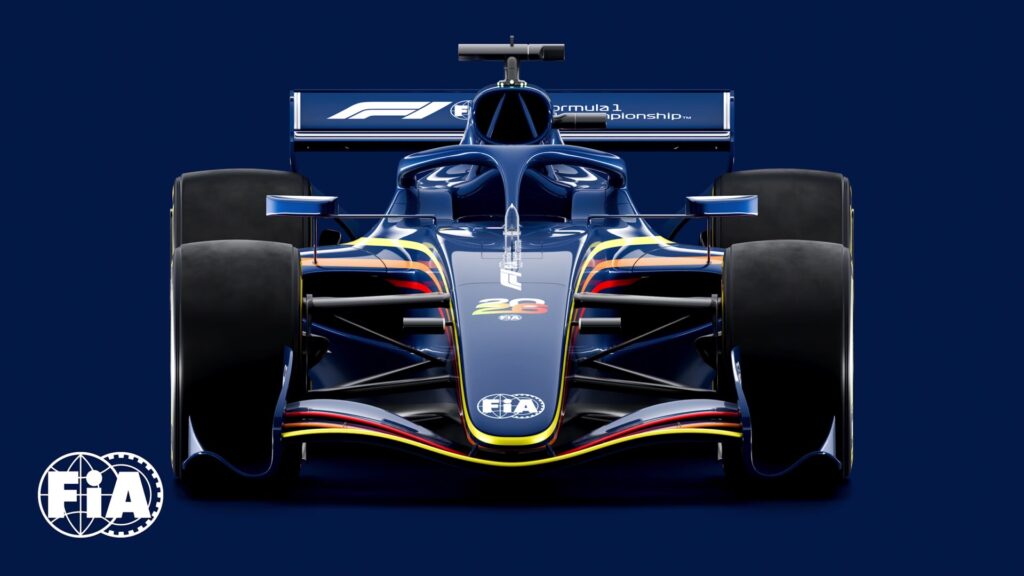
Formula 1 has never been shy about tearing itself apart and starting again. The 2026 season represents the sport’s most sweeping technical overhaul in more than a decade. It is a complete reimagining of the power unit, the chassis, and the aerodynamic philosophy that governs how these machines move through air. Twelve years of hybrid architecture, refined to near-perfection, has been set aside in favour of something new.
At the heart of the transformation is a rethinking of where power comes from. The previous generation of cars drew roughly 80% of their performance from the internal combustion engine, with electrical systems supplying the remainder. That equation has been inverted, or rather, equalised. The target for 2026 is a near-even 50/50 split between combustion and electrical power, a shift that changes not just what is under the bodywork, but how the car is driven, managed, and raced.
New Engine, New Era
The 1.6-litre V6 turbocharged internal combustion engine that has been the beating heart of Formula 1 since 2014 remains, but almost everything around it has changed. The MGU-H, the motor generator unit that harvested energy from exhaust heat and was long considered one of the most complex components in motorsport, has been removed entirely. The technology, despite its effectiveness on the track, never found meaningful application in road car development, making it difficult to justify to manufacturers whose involvement the sport depends upon.

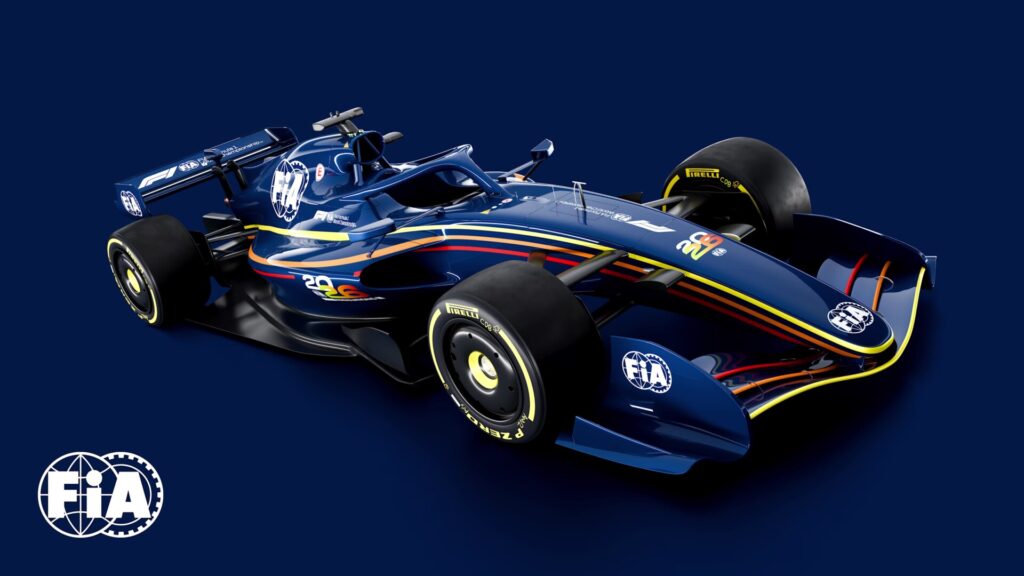
In its place, the MGU-K, which recovers energy under braking and feeds it back through the drivetrain, has been substantially upgraded. Its output has risen from 120kW to 350kW, an almost threefold increase that has fundamentally altered the performance character of the car. The battery itself can now be recharged with more than double the energy per lap compared with the previous regulations. The result is a power unit in which the electrical system contributes equally to the combustion engine, with each delivering approximately 350kW when operating at full capacity.
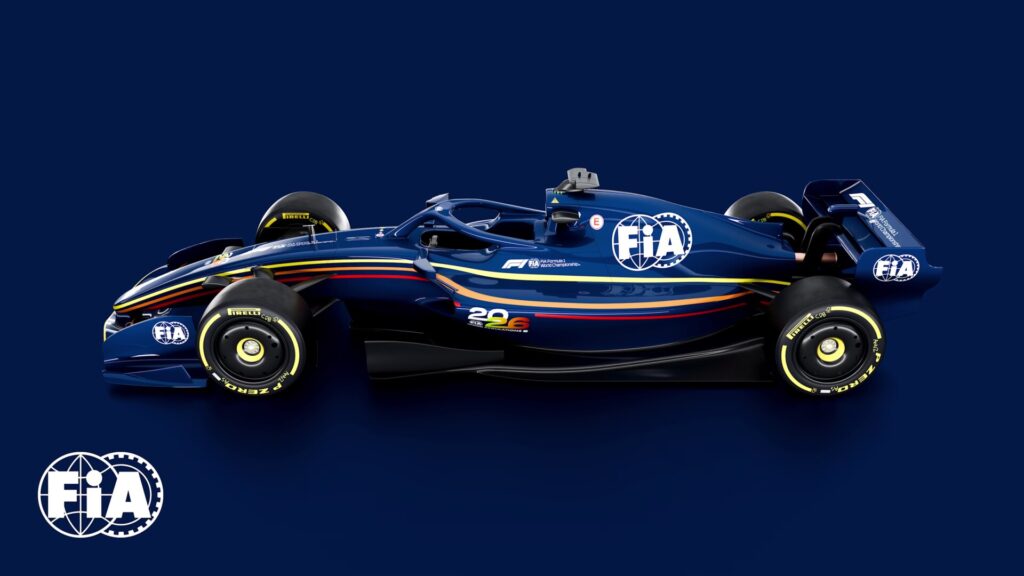
The move to 100% advanced sustainable fuels is an exciting challenge for engineers. Teams and their fuel partners are innovating to get the most energy from blends that are truly sustainable. It’s a push that inspires creativity in chemistry just as much as the new regulations inspire innovation in car design.
Active aerodynamics and the end of DRS
The Drag Reduction System has been one of Formula 1’s most debated features since its introduction in 2011, effective at generating overtaking opportunities but criticised for making them feel manufactured. The 2026 regulations retire it in its traditional form. What replaces it is considerably more sophisticated: a fully active aerodynamic system in which both front and rear wings adjust dynamically depending on whether the car is on a straight or approaching a corner.
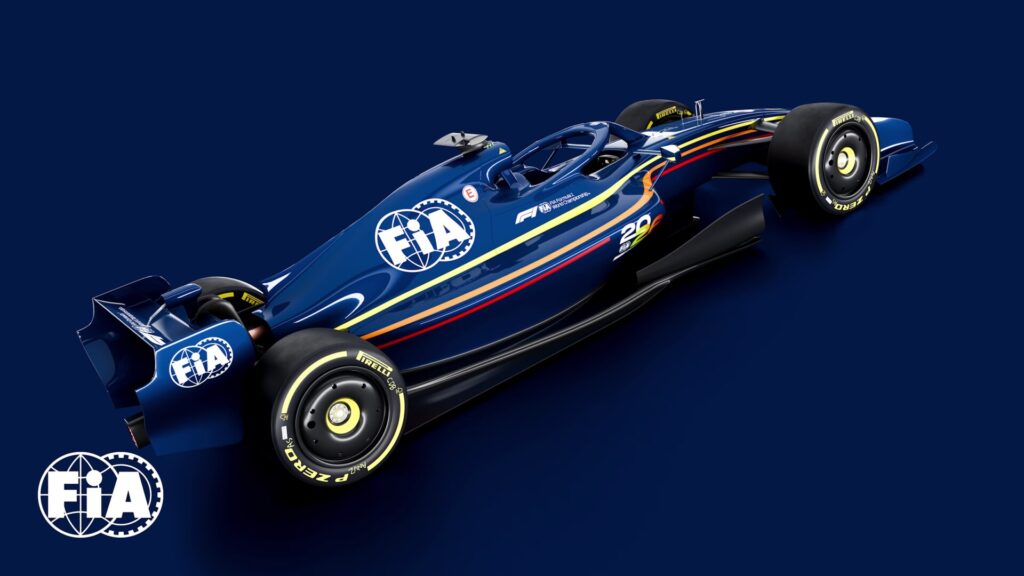
On designated straights, the rear wing adopts what is now termed Straight Mode, opening its flaps to reduce drag and maximise speed, functionally similar to DRS but available to all cars regardless of proximity to a rival. As the braking zone approaches, the wing closes into Corner Mode, restoring downforce and grip. The interaction between front and rear wing movement is coordinated, meaning the aero balance shifts intelligently through every phase of a lap rather than toggling between two fixed states.
There is also an Overtake Mode, triggered when a driver closes to within one second of the car ahead at a detection point. This activates additional electrical energy deployment, giving the pursuing driver a genuine attack tool beyond simply slipstreaming. The combination of active aero and tactically deployed electrical power is designed to produce overtaking moments that feel earned rather than engineered, a distinction the sport’s audience has long demanded.
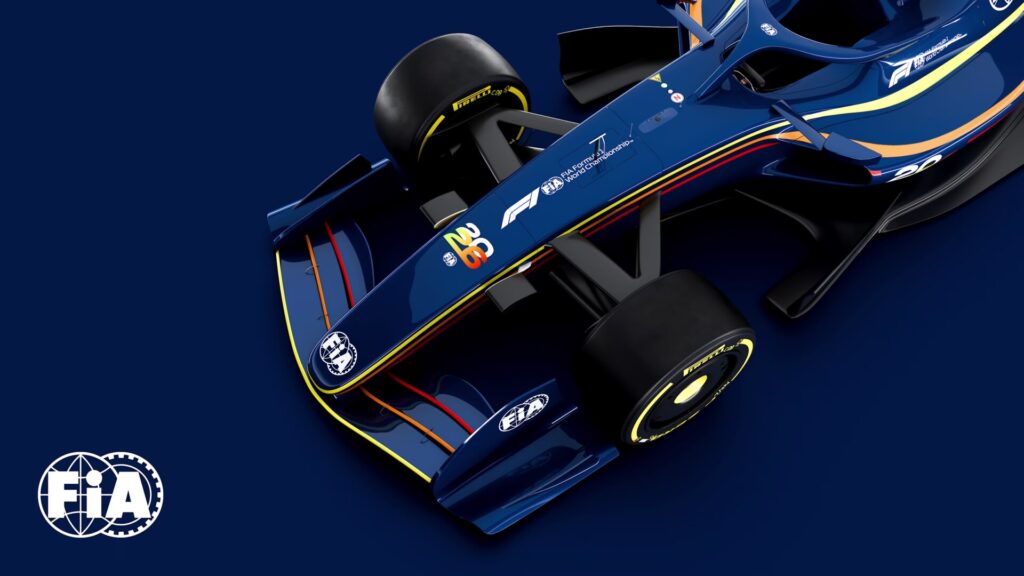
The cars themselves are physically smaller. The wheelbase has been shortened, the floor is 100 millimetres narrower, and the minimum weight has dropped from 798 kilograms to 768 kilograms. Ground-effect tunnels, which dominated aerodynamic development in the previous era, have been removed and replaced with flatter floors and larger diffuser openings. There is less downforce overall, but more variation in how teams can find it, which on balance should increase the spread of competitive solutions across the grid.
New manufacturers, new rivalries
The regulatory reset has achieved one of its primary objectives: attracting new manufacturers. Audi enters as a full works constructor in 2026, taking over the former Sauber operation. It is the German brand’s first appearance as a power unit supplier in Formula 1, and the pressure to perform is significant, both for the team’s own ambitions and for the credibility of the entire manufacturer entry story.
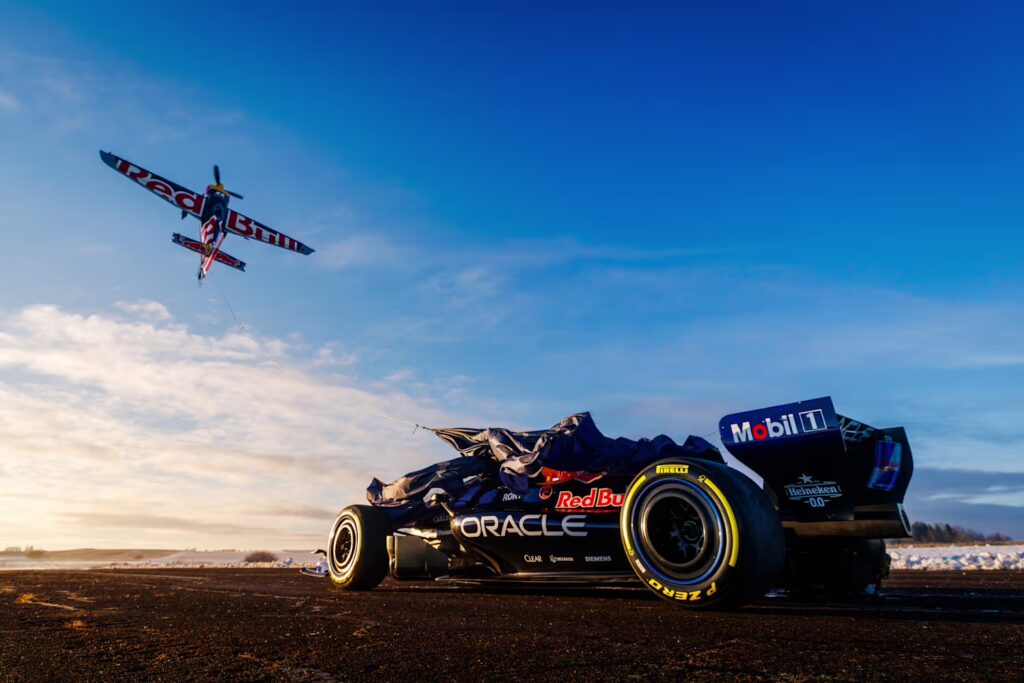
Honda returns as a fully fledged manufacturer partner, supplying Aston Martin exclusively after parting ways with Red Bull and Red Bull Racing. The Japanese company’s recent record with Red Bull, including multiple world championships across both drivers’ and constructors’ titles, gives Aston Martin genuine reason for optimism. Meanwhile, Red Bull Powertrains, developed in partnership with Ford, faces the considerable challenge of supplying two teams with a brand-new power unit architecture from day one.
Ferrari and Mercedes supply the remainder of the field between them, with Ferrari powering its works team, Haas, and new entry Cadillac, while Mercedes supports its own operation alongside Williams, Alpine, and McLaren. Five manufacturers, ten teams, and a regulation set that none of them has yet had the opportunity to fully master. The first months of 2026 will reveal not just who has built the fastest car, but who has most accurately understood what the new rules demand.
Monaco as the first genuine test
Of all the circuits that will test the 2026 cars, few will reveal their strengths and weaknesses as thoroughly as Monaco. The street circuit that winds through Monte-Carlo has remained largely unchanged in layout since 1955, yet it continues to demand a unique combination of skill, precision, and engineering from both car and driver. Tight, low-speed corners are separated by brief bursts of acceleration, with unforgiving concrete barriers waiting at every apex.
The energy dynamics of the new power units are on full display here. Heavy braking events at corners such as Sainte-Dévote and the Rascasse present key opportunities for regeneration, where the MGU-K can harvest energy aggressively before the car crawls through slow corners and redeploys it on exit. Teams will be modelling energy recovery windows and deployment strategies in real time, while drivers execute those plans without losing position or overheating their tyres.
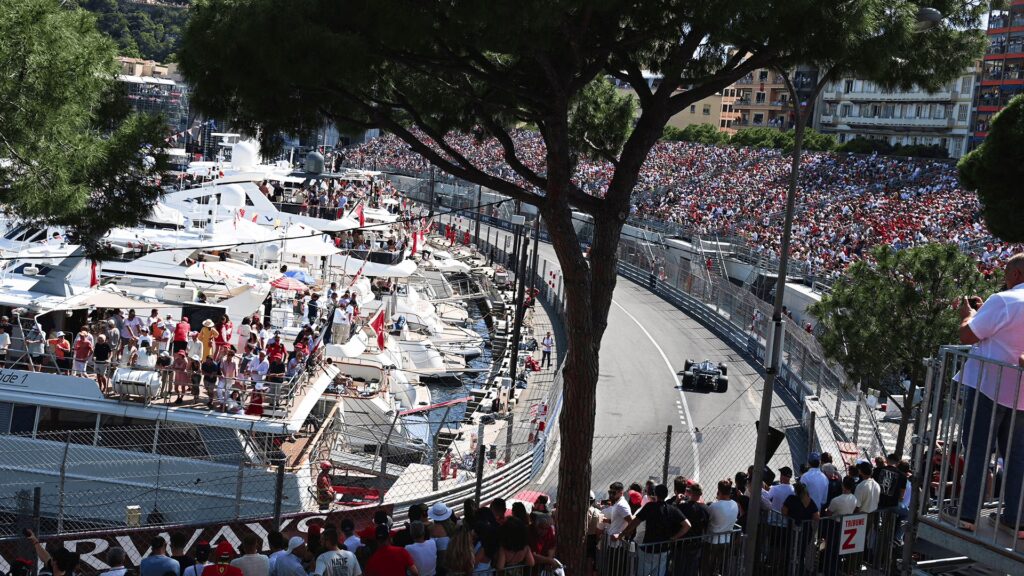
The active aerodynamic system adds yet another layer of complexity. On the short pit straight and through the tunnel, Straight Mode trims drag and maximises speed. At the Loews Hairpin, the slowest corner in Formula 1, Corner Mode restores maximum grip. While these transitions occur automatically, the precise calibration of when and how aggressively the wings move is a question that engineering teams will be agonising over throughout practice sessions. A car perfectly balanced for Monaco’s low-speed sections may surrender time on the brief high-speed stretches, and the opposite is also true.
Qualifying takes on a fresh strategic dimension under the 2026 regulations. With electrical energy finite and deployment carefully managed over a single lap, a fast qualifying effort is as much an exercise in energy budgeting as it is flat-out driving. Teams that master this equation at Monaco, where a tenth of a second through the Casino complex can translate into multiple grid positions, will have identified a competitive advantage they can carry through the remainder of the season.
the season ahead
The 2026 season promises a thrilling journey, and its major questions will not be answered overnight. New regulation eras rarely are predictable, and this one is more technically sophisticated than most. Power unit manufacturers with the strongest hardware may gain an early edge, but the extended development window built into the 2026 rules means the competitive order can evolve throughout the year. Adjustments to the budget cap recognise the scale of this transition, and teams will be innovating not just to close gaps but to push boundaries in performance.
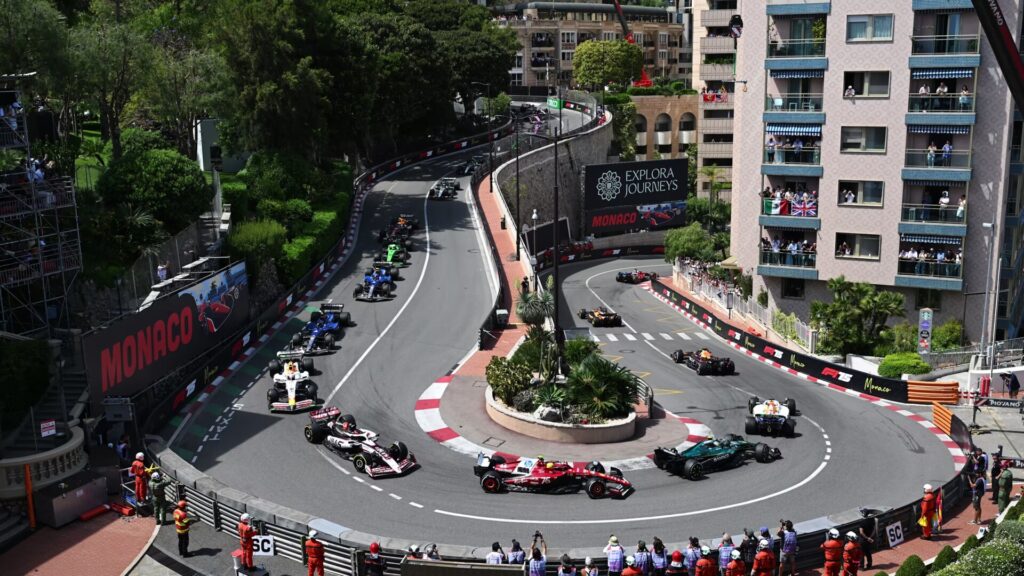
Driver skill has also regained its spotlight in this new era. With cars carrying significant electrical power and requiring precise energy management, the difference between a driver who intuitively understands the system and one who does not becomes measurable. The world’s best drivers will need to balance speed, battery deployment, and the real-time responses of active aerodynamics, all while navigating Monaco’s unforgiving streets or any of the other circuits on the calendar. It is a challenge that promises to showcase brilliance at every turn.
Formula 1 enters 2026 in its healthiest competitive state in years. The grid is wider, manufacturers are more committed, and the regulations reward ingenuity rather than simply reflecting which team spent the most in the previous cycle. What this new era will ultimately look like at full speed, under pressure, and in the heat of wheel-to-wheel racing is a question only the season can answer. Each Grand Prix, and each Monaco corner, will reveal more, race by race, lap by lap, and moment by moment.