

Constantin Buschmann became chief executive of BRABUS at 34, after progressing through sales, marketing and the boardroom at the Bottrop company founded by his father, Bodo Buschmann. In this exclusive interview with The Executive Magazine, he discusses inheriting that responsibility, taking the business into new product categories and the principles guiding its work on the BODO.
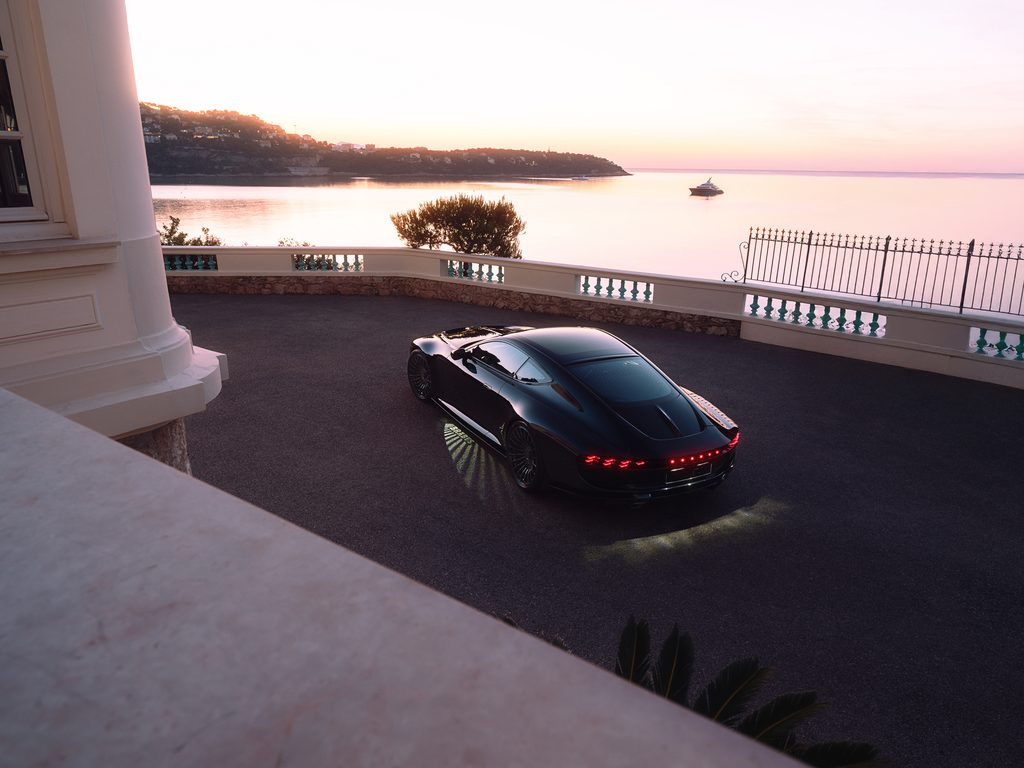
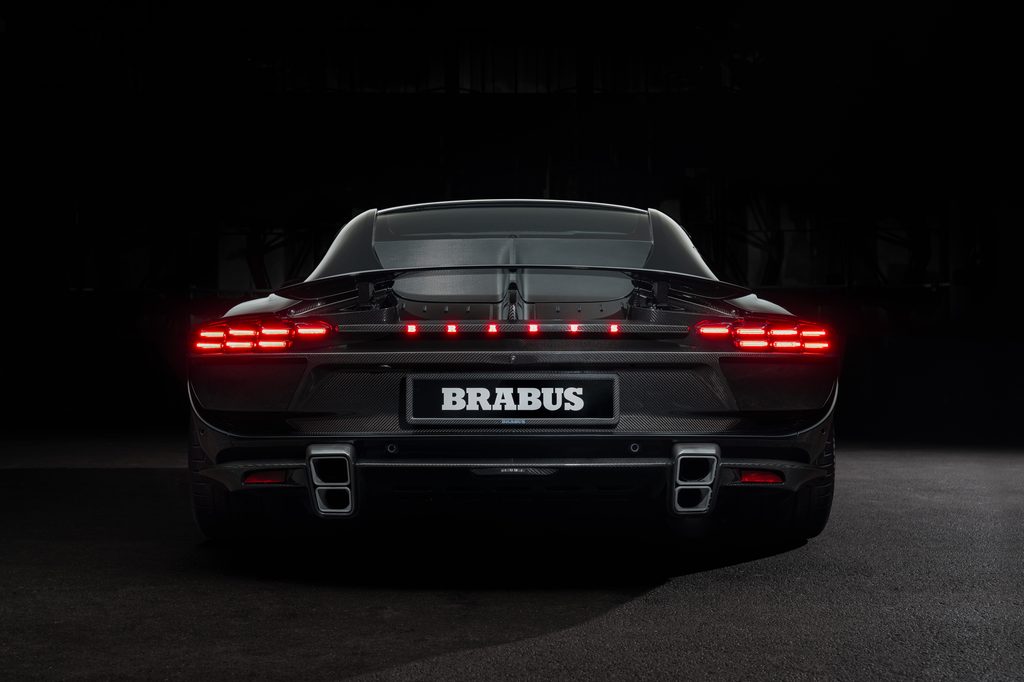
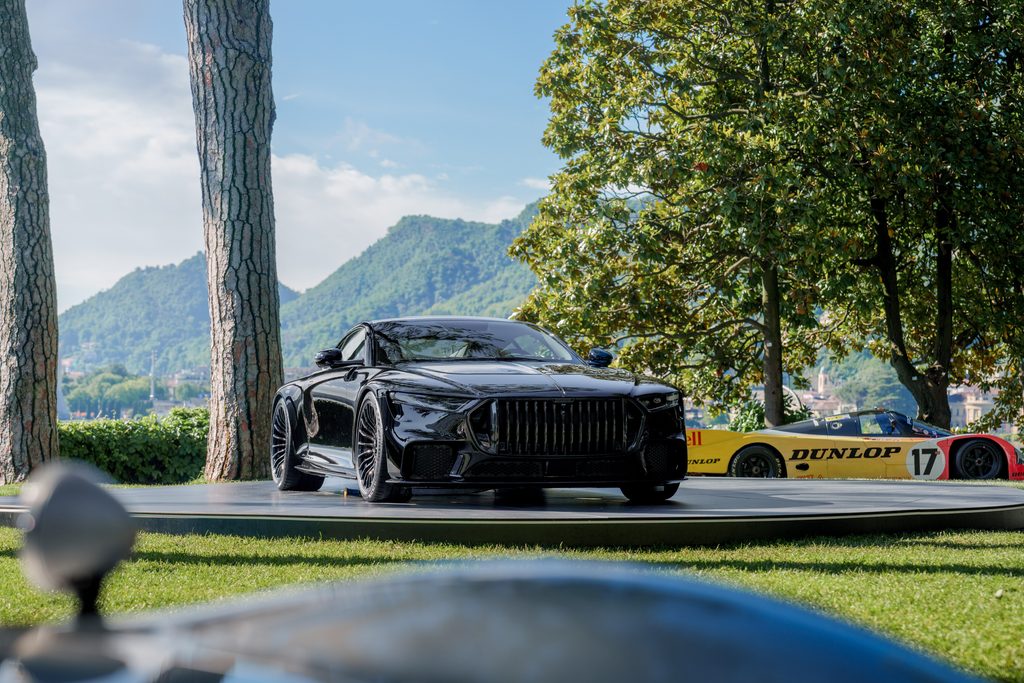
BRABUS unveiled the BODO in May at FuoriConcorso on Lake Como. Limited to 77 units, it carries the name of the company’s founder and reflects an idea that took eight years to bring to life. Buschmann explains how trust, craftsmanship and a willingness to experiment shape his decisions, while the company builds on almost five decades of history.

You have spent the majority of your life inside the company, first as the founder’s son, then growing with it across sales, marketing and the boardroom, before taking over at 34 with the responsibility of carrying one of Germany’s most storied automotive names into its next chapter. What did you understand about the business on day one that an outsider would have taken years to learn, and how did that shape your first decisions as chief executive?
“I grew up with BRABUS, and long before I became CEO, I had worked across different areas of the business and alongside my father for many years. So, when I took over, I knew the people, the products, the customers and, most importantly, the foundation the company was built on. My father always told me, “You have to be customer number one.” That did not mean simply buying luxury products. It meant living in the world our customers live in, understanding how they feel and what it means to buy one of our cars. I also understood how much of the company was built on trust. BRABUS was already an extremely professional business that kept its promises, and when customers around the world are trusting you with significant investments, that foundation is something you cannot compromise. At the same time, knowing the company and being responsible for it are two different things. I have said before that you cannot simulate the front row. When my father passed away, the transition happened very suddenly. I knew I could not simply try to copy him. My responsibility was to protect the professionalism, passion, and trust he had built while bringing new energy and perspective to the company and asking where BRABUS could go next.”
The business has grown from a specialist in high-performance engineering into a design and experience brand spanning vehicles, marine, fashion and real estate. As you began expanding, how did you decide what to hold onto from the original company, and where did you see room to build something new?
“When I took over in 2018, I asked the team a very simple question: who are we? The answer was essentially that we were the world’s largest independent Mercedes tuning company. Technically, that was correct, but it did not explain why a customer should care about BRABUS. That started a process of asking who we wanted to become, and ultimately it led us to One Second Wow. To us, it is not a marketing slogan; it became a filter for the products we create. Once we understood that our purpose was to create emotional luxury products people could recognize and connect with immediately, we realized BRABUS didn’t have to be defined by one vehicle or one category. From there, we created a discipline of doing one thing every year that takes us outside our comfort zone. We started with boats, then watches, motorcycles, motorhomes, and eventually even real estate. But expansion cannot mean simply putting a BRABUS badge on something. If you design a boat, you have to think like a boat designer. Each new category has forced us to learn, become more professional, and understand a new customer. What we hold onto is the foundation: the quality, professionalism, trust, design language, and passion that built BRABUS. The product category can change, but that foundation cannot.”
You have said that life is short, and that for you it means two feet on the gas pedal, always. How does that outlook show up in the decisions you make day to day, and what would you say to a leader weighing up whether to commit fully to an idea?
“For me, it means being willing to move outside your comfort zone. I told the team that we should do at least one uncomfortable thing every year, something we have never done before that forces us to learn and challenges what we think the company can be. Since becoming CEO, we have taken on bigger projects and more leaps of faith. Have all of them worked exactly as planned? Absolutely not. But that is part of the process. I always say that if we don’t fail enough, we aren’t experimenting enough. At the same time, commitment does not mean ignoring feedback. A clear brand identity will always attract some people and turn others away. We listen very closely to honest, constructive feedback, but you cannot allow fear of judgment to stop you from moving. As in any business, either you do it, or you don’t. If you let the rest of the world decide for you, you end up doing nothing.”
The One-Second-Wow principle holds that the best work announces itself without explanation. How do you make a standard like that practical for a company of people working across engineering, design and manufacturing?
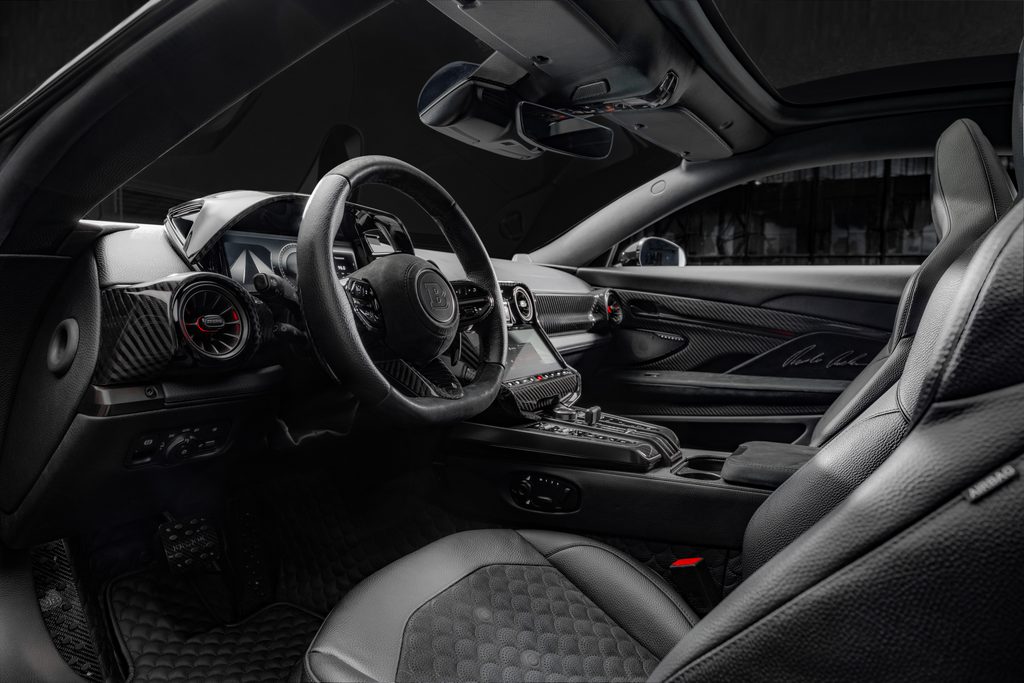
“With One Second Wow principle, the question is simple: what should someone feel the moment they come into contact with a BRABUS product? We want them to see it, understand it, recognize it, and fall in love with it within one second. With the BODO, we literally stood in front of the car again and again asking ourselves, “Is it there? Is it not there?” Of course, achieving that reaction requires every part of the company to work together. A product has to be technically convincing, beautifully designed, and exceptionally made. Luxury products work through the heart, not only the head. One-Second-Wow gives engineering, design, and craftsmanship a shared destination, even though each team contributes in a different way.”
Some of the work you are proudest of has taken years to reach the standard you wanted. How do you know when something is finished, and how do you hold that line while still moving at pace everywhere else in the business?
“The BRABUS BODO is probably the best example. The idea existed for years, starting with conversations with my father, and it ultimately took us eight years to bring it to life. It could not simply be a nostalgic tribute or a dream car dedicated to somebody from the past. It had to be cutting-edge, unmistakably current, and capable of moving the BRABUS design language forward. We worked on it and worked on it, and eventually you reach the point where you have to let it go. It is like a painting or a sculpture: at some point you have to put it into the world and allow people to react to it. For me, that does not mean lowering the standard in order to finish. It means reaching the point where the product carries the past, present and future of the brand at once. BODO needed enough heritage that people could understand where it came from, but enough newness that it could stand completely on its own. When those things finally came together, we knew it was ready.”
The company has chosen to keep its most demanding craftsmanship in-house at Bottrop rather than place it with outside specialists. What made owning that work the right decision, and what has it given you that would not have been possible otherwise?
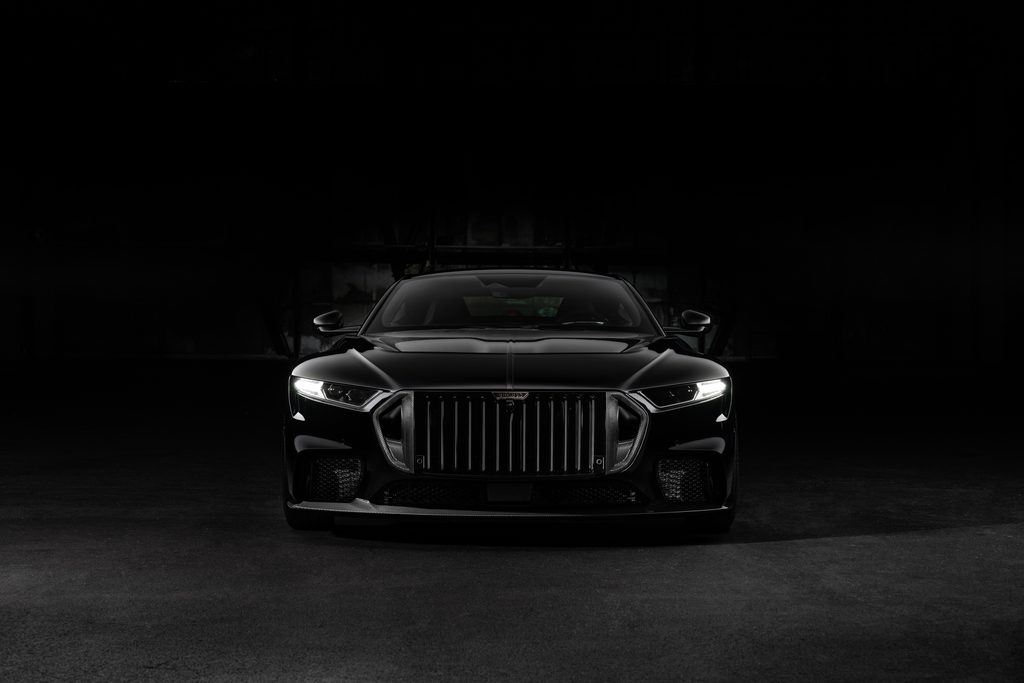
“For us, craftsmanship is not something separate from the BRABUS identity; it is part of the product itself. When we talk about individuality and attention to detail, those qualities must exist in how the product is actually made. With BODO, for example, the carbon-fibre body components are produced within our advanced composite manufacturing facilities, while the interior is handcrafted by specialists in our Masterpiece atelier. Keeping these capabilities close means that the people responsible for engineering, design and craftsmanship can work together on the details that ultimately create the finished product. It also comes back to authenticity. Customers can feel the pulse of a brand, and they know when something is genuine. At BRABUS, we have people who do not simply work for the brand; they are the brand. Some of our team members have spent nearly their entire careers here, and that depth of knowledge and craftsmanship is an important part of what makes a BRABUS product what it is.”
Appetite for hand-built, character-rich cars appears as strong as ever, with the new open-top model arriving with a 1,000 hp V12, a 3.0-second sprint to 100 km/h and a worldwide debut at The Quail in Carmel this August. How do you see demand for coachbuilt performance cars developing over the next decade, and where does the greatest opportunity sit?
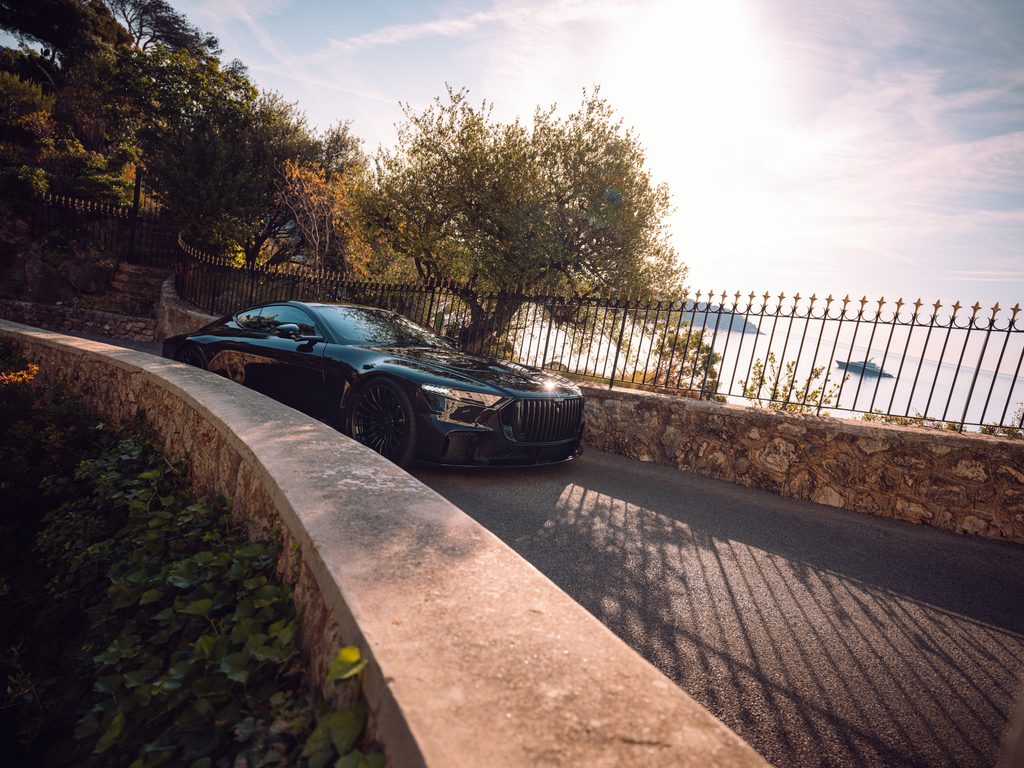
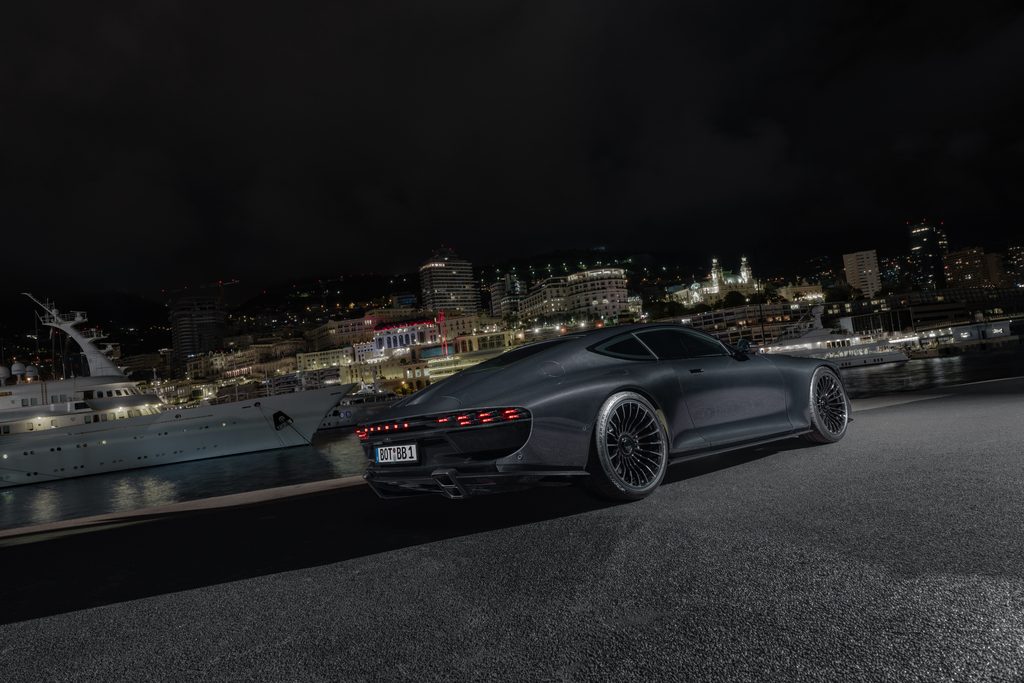
“I think the opportunity comes from understanding what customers are really buying. At this level, the decision is not simply about horsepower or acceleration figures. There will always be another car that is faster on paper. Customers are buying heritage, emotion, individuality, and a way of representing themselves in the world. The BODO combines extraordinary performance with a design that deliberately connects different eras. It could not simply be a blast from the past, but it also needed to give people something familiar to hold onto, the proportions, the long tail, the classical idea of a Gran Turismo- while introducing enough newness to push the design forward. I believe there will continue to be strong demand for cars with real character because luxury customers want products that mean something to them. We see the same thing in the classic and restomod worlds, where a new generation wants the emotion and individuality of an extraordinary car combined with the usability and comfort of something modern. For a company with BRABUS’s heritage in craftsmanship, individualization and performance, that creates a very interesting opportunity.”
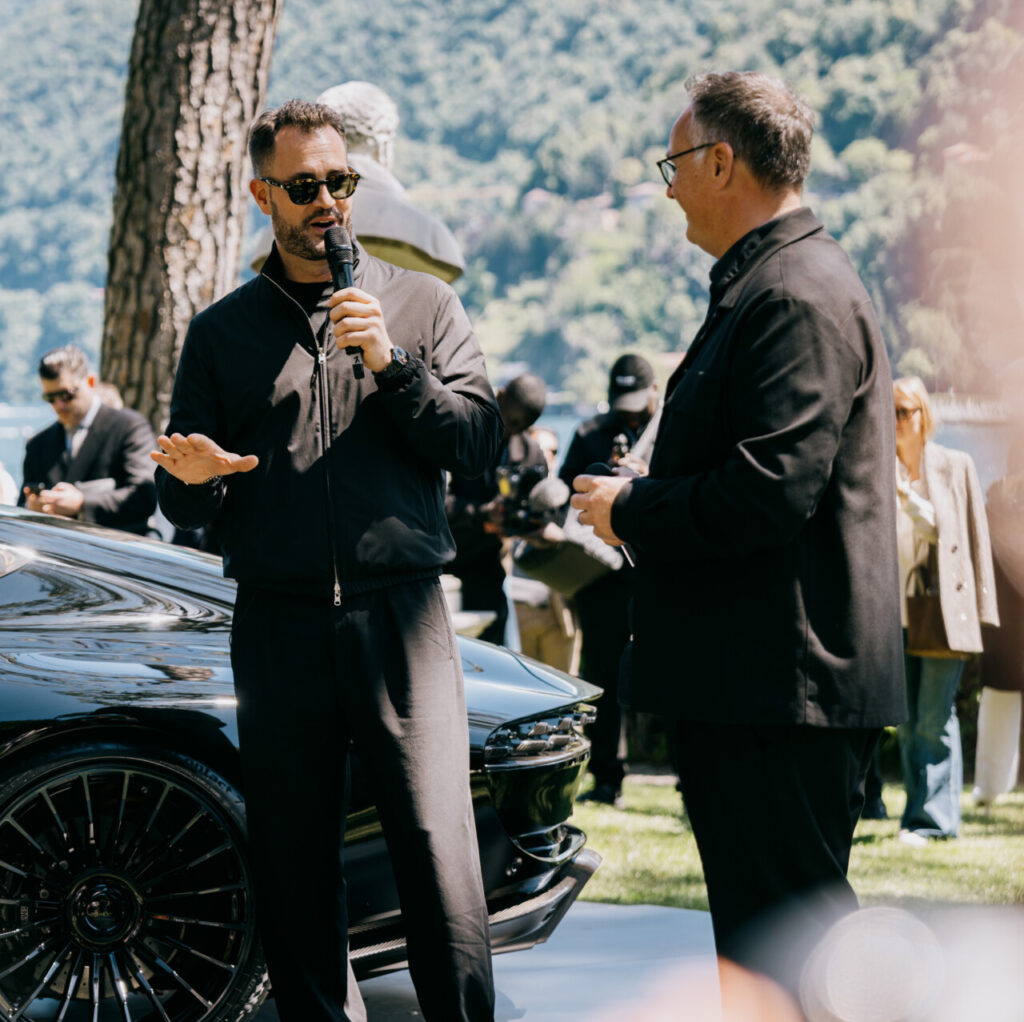
You have described your leadership team as people who bleed the brand. What do you look for when you bring someone in, and how do you sustain that level of conviction as the company grows?
“We recently had team members retire after 38 and 43 years with the company. That kind of history gives the organisation an incredibly strong foundation. When we bring people in, we specifically look for people who fit that energy. You are going to be working alongside design radicals and people who are willing to jump off the ten-metre board every day. If you are not comfortable with that level of ambition and experimentation, BRABUS probably is not going to be the right company for you. As we grow, the challenge is to combine that willingness to experiment with the professionalism that has existed here for nearly five decades. The new ideas matter, but so does the trust the company has built over generations. Sustaining the culture means protecting both.”
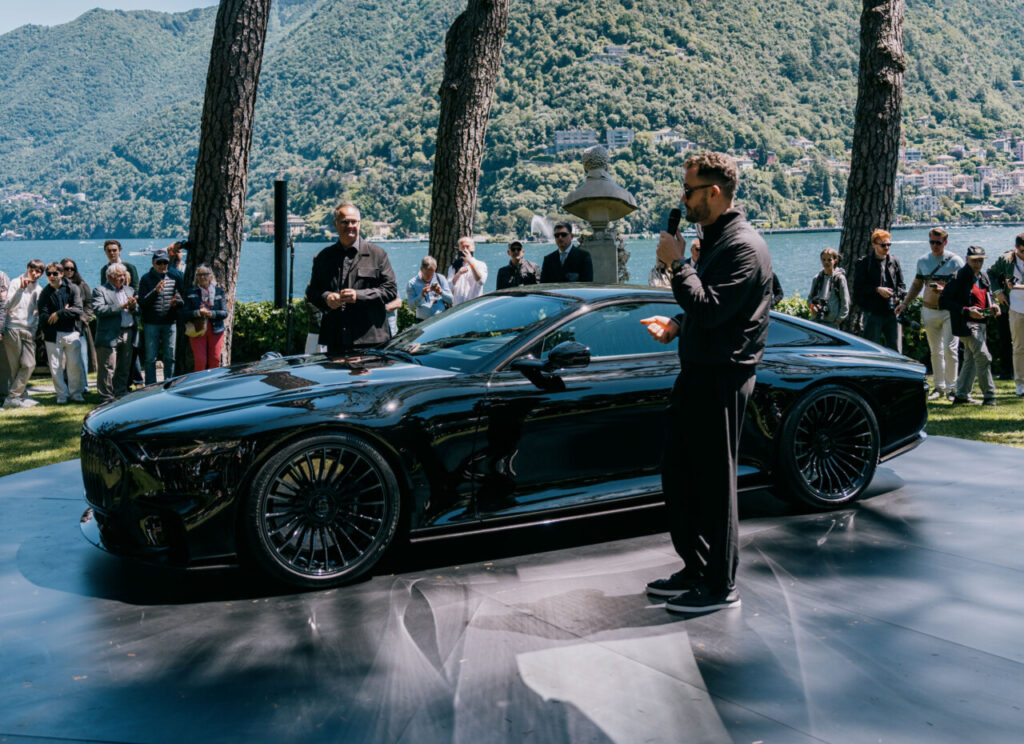
Nearly a decade into the role, you have been named Entrepreneur of the Year in Germany and are still the first to ask what is next. From where you sit now, what does it really take to be great at this, and what would you tell someone with ambitions to lead in the luxury sector?
“I think you first have to know exactly who you are. A clear brand identity and a clear self-image will inevitably mean that not everyone agrees with you, and that is okay. The clearer and more specific your point of view becomes, the more strongly it will attract some people and reject others. At the same time, you cannot let that identity blind you to your own business. When you have been deeply embedded in one company or industry for a long time, you need people around you who will challenge you and bring perspectives you wouldn’t have found on your own. You need to be willing to experiment, get outside your comfort zone, and accept that some ideas will fail. But growth also requires discipline. You cannot become a company that does everything. You have to know which opportunities belong to your brand and be willing to say no to the ones that don’t, even when they look attractive on paper. Some decisions represent your brand for twenty years; you cannot simply walk them back. For me, great leadership is finding that balance: knowing what must never change while constantly challenging everything else. BRABUS has almost fifty years of history behind it, but the brand has to remain alive and continue moving forward.”