


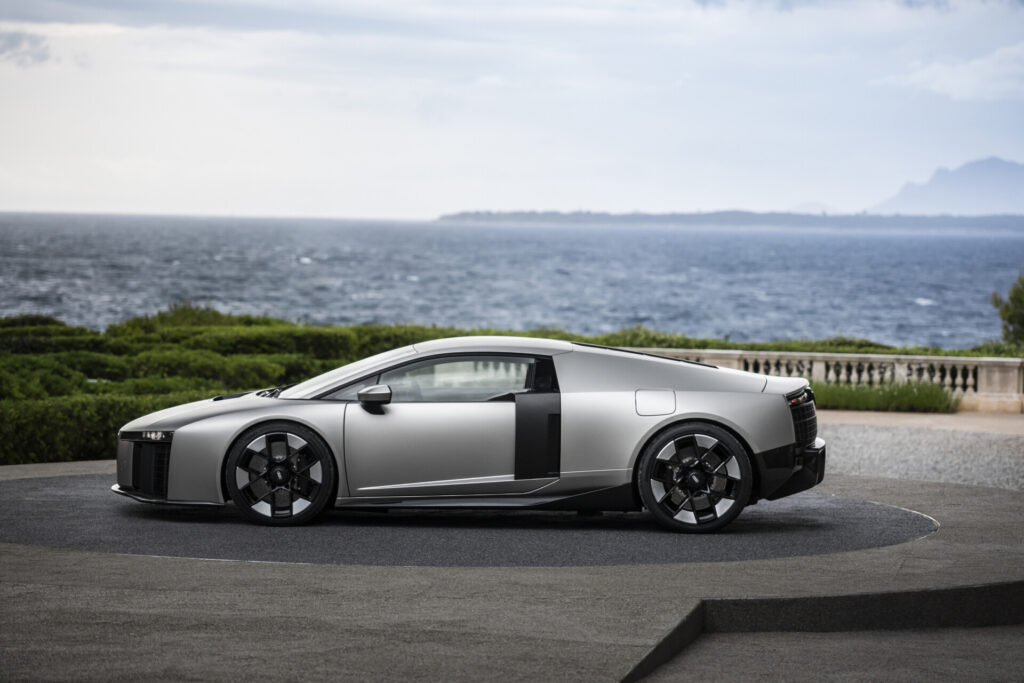
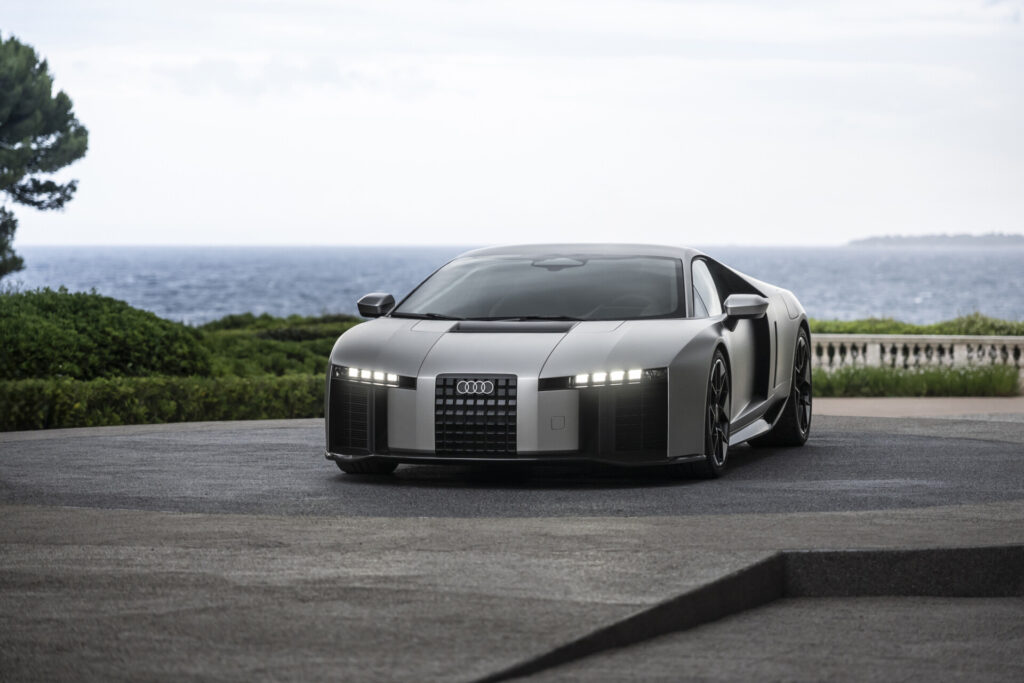
Audi has made some genuinely quick machines over the years, yet nothing approaching this. The Nuvolari is a 1,001 PS hypercar, the fastest and most powerful car Audi has ever put into production, pairing a 4.0-litre V8 with three electric motors. Named after the Italian great Tazio Nuvolari, it draws closely on the Formula 1 programme Audi joins this year. Gernot Döllner and Rouven Mohr have shaped a hand-finished machine limited to 499 examples, with first deliveries due in 2027.
“With the Audi Nuvolari, we are accelerating technological progress. It shows what is possible when the focus is on technology, performance, and execution through teamwork.”
Gernot Doellner Chairman of the Board of Management, AUDI AG
Power and Speed
The Nuvolari serves up a maximum system output of 736 kW, or 1,001 PS, and will press on to more than 350 km/h. From a standstill it reaches 100 km/h in 2.6 seconds and 200 km/h in 6.8 seconds, placing it comfortably among the world’s finest hypercars.

At the heart of things is a 4.0-litre V8 biturbo good for 588 kW, which is a healthy 800 hp on its own. The combustion engine spins to a thrilling 10,000 rpm and develops 730 Nm of torque, a rev ceiling once reserved for the racetrack and a rare delight in a road car.
Working alongside it are three axial flux electric motors, each rated at 110 kW and fed by a 7.3 kWh lithium-ion battery. Two of them sit on the front axle, oil-cooled and capable of up to 2,150 Nm between them, while a third is tucked neatly between the engine and the gearbox. Together they form part of the quattro system and move torque around the car with wonderful freedom.
Drivers choose from four modes through a rotary control on the wheel. E-Hybrid runs the car on electricity alone for town work, Balanced strikes a happy compromise, Dynamic sharpens responses, and Dynamic+ hands everything over to the engine for the full theatrical experience. A separate Track Mode then lets the driver fine-tune traction from Wet to Dry and from Race all the way to fully off.
Predictive quattro
Audi’s all-wheel-drive system has been a fixture for decades, and the Nuvolari introduces its finest iteration yet, badged quattro predictive ride. Rather than reacting after grip has gone, it reads steering angle, acceleration, yaw rate and available grip many times a second, then acts before a slide develops.
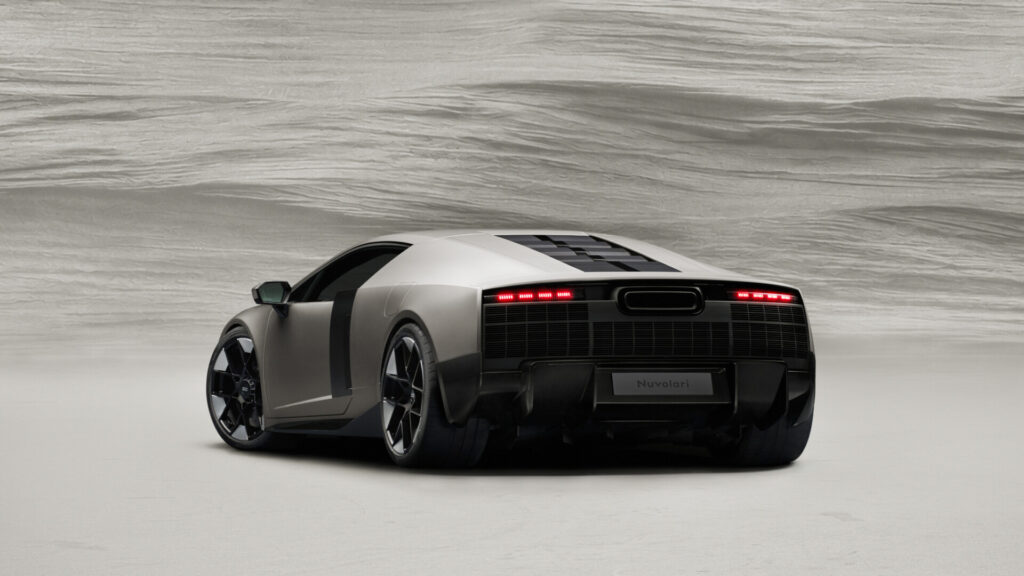
When it senses a corner going wrong, it shuffles torque both front to rear and side to side, brakes individual wheels to settle the car, and adjusts downforce to suit. The front motors do much of the clever work here, vectoring torque for tidier cornering and serene stability at speed.
Carbon clad
Underneath the bodywork sits the familiar Audi Space Frame, though for the first time it is wrapped in a carbon exterior. Nearly every external panel is made from carbon fibre reinforced polymer, keeping weight down while holding the structure rigid enough for the most serious cornering.
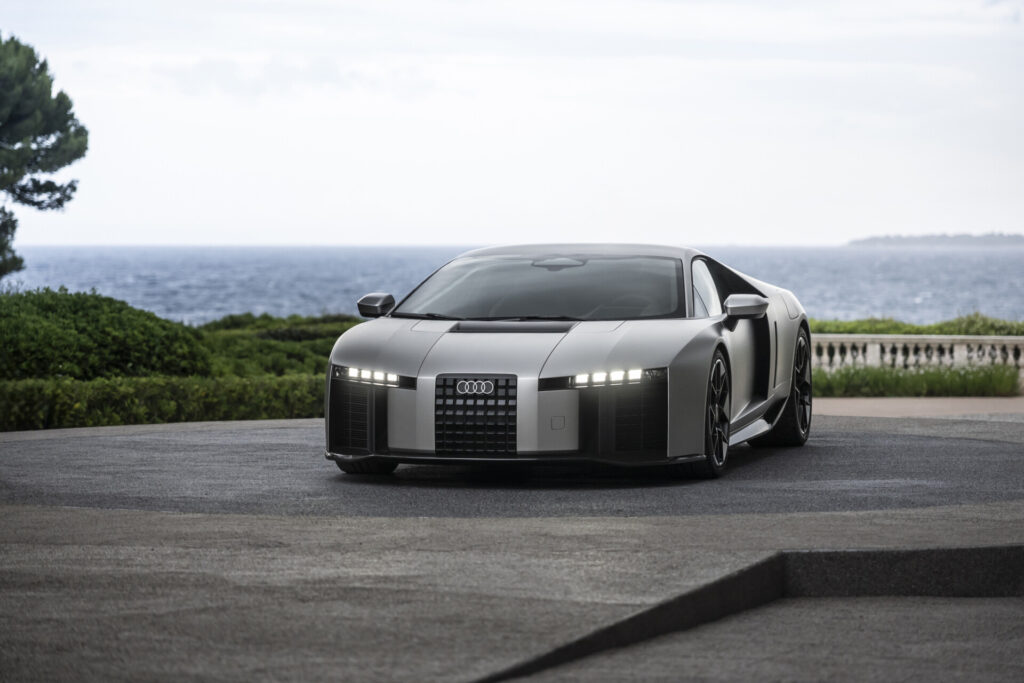
The carbon work is a thing of real craftsmanship, drawn directly from Formula 1 practice. Components are formed using prepreg autoclave technology, cured under heat and pressure, then finished by hand in a layup process that rewards patience and skill in equal measure. The same approach allows beautifully complicated shapes, from intricate door structures to the vertical fins that channel air into the hidden S-duct. Forged centre-lock wheels also appear, a first for an Audi road car and a lovely touch.
Active wings
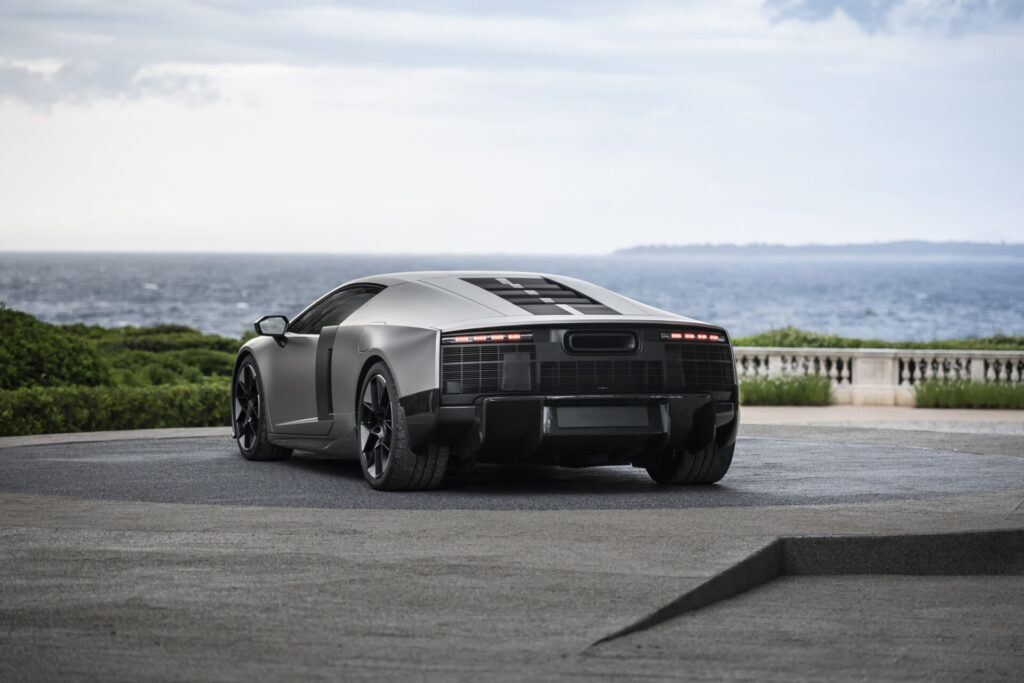
Aerodynamics on the Nuvolari are anything but fixed. Every surface from the front splitter to the rear diffuser has a job to do, and the company’s own Formula 1 drivers helped tune the package during development.
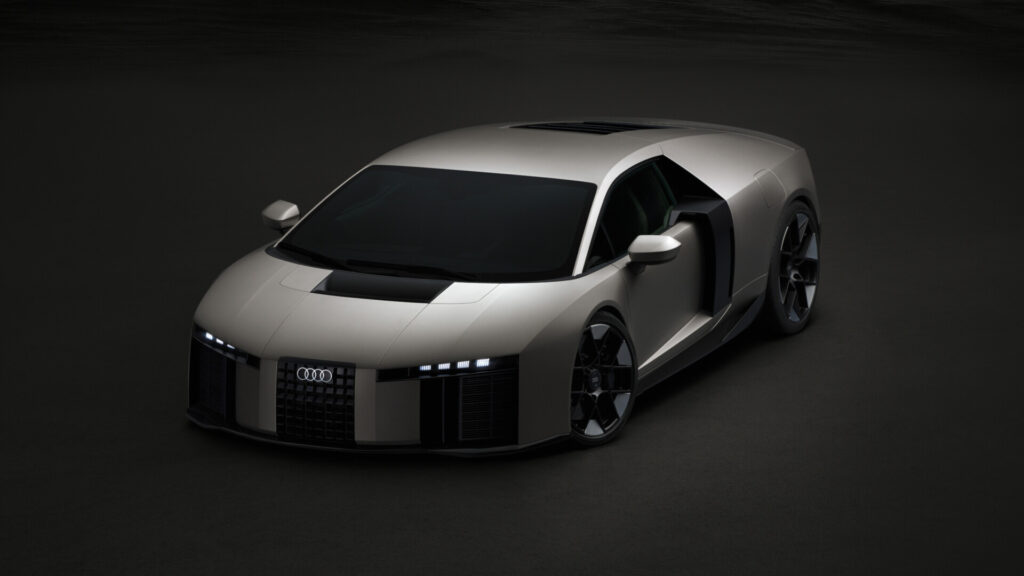
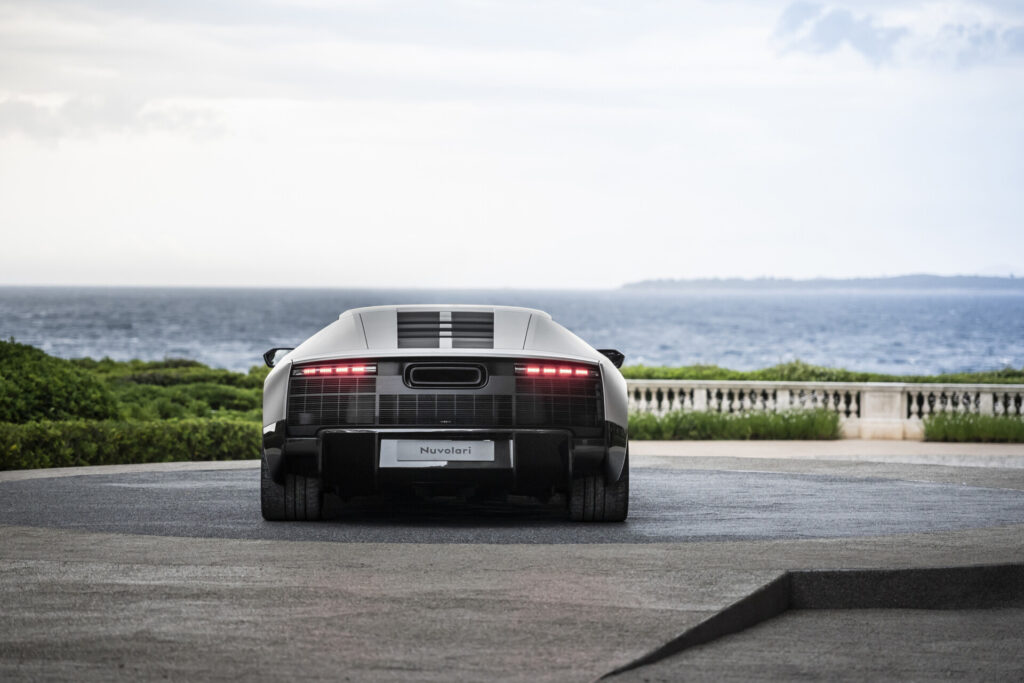
The star turn is a deployable rear wing with three settings: Closed for minimum drag, Low Downforce for the straights, and High Downforce for braking and corners. A Drag Reduction System, lifted straight from grand prix racing, drops the wing further at the press of a button to chase top speed. At full attack the car can generate more than 400 kg of downforce, and even the solid-metal Audi rings sit flush within the wing, a delightful detail that keeps the airflow clean.
Stopping force
The brakes combine hydraulic stopping power with electric deceleration through a motorsport-style brake-by-wire setup. The pedal is decoupled from the wheels themselves, which keeps the feel consistent and reassuring however the work is being shared.
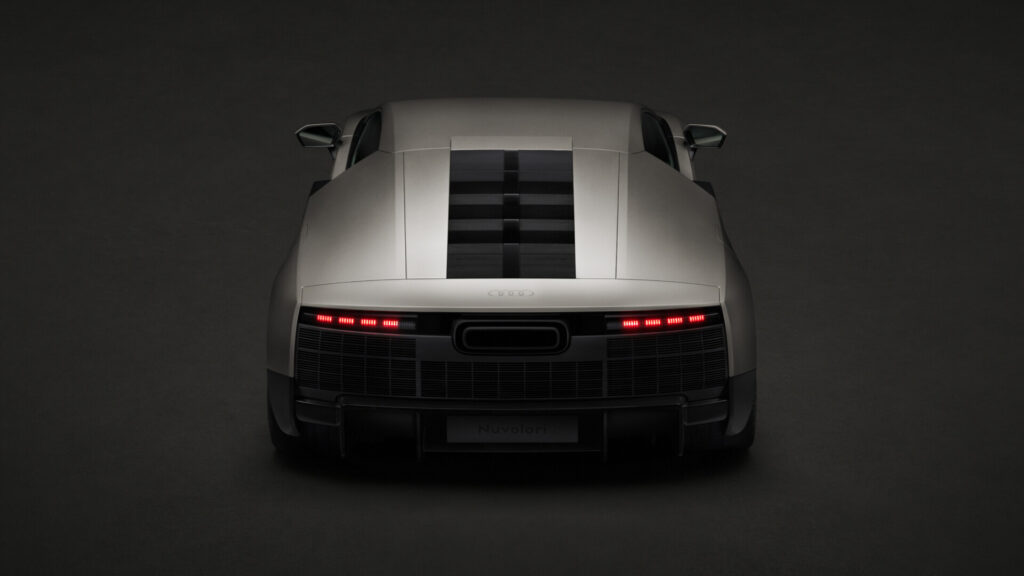
The new Audi Ceramic Pro system uses ten-piston calipers and 420 by 40 mm discs at the front, with four-piston calipers and 410 by 32 mm discs behind. The discs themselves come from Formula 1, built around a long-fibre carbon structure, and a clever internal cooling design improves heat dissipation by up to 21 percent over conventional carbon-ceramic items. With an energy absorption capacity of up to 2.8 megawatts, the system matches a current grand prix car and shrugs off repeated heavy stops without a hint of fade.
Behind the wheel
The cabin is a sleek, designed with the controls and key displays directly in front of the driver and everything else pushed politely into the background. Digital and physical controls follow the same logic, so there is no hunting for anything mid-corner.
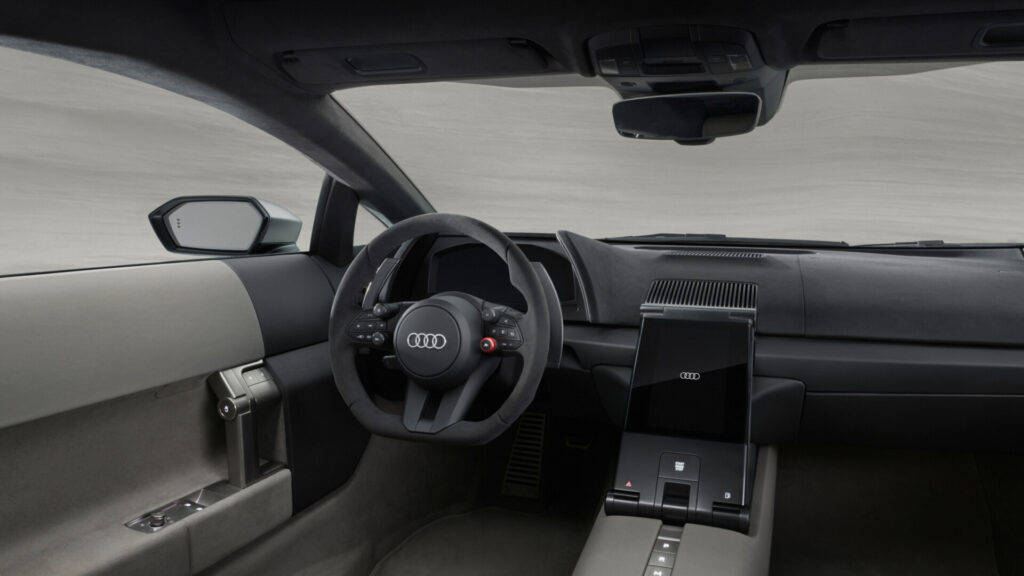
Accents in the interface nod to the Auto Union Type C of the 1930s, while the cabin is split into two zones, a deep, dark front section to aid concentration and a lighter rear finish called Shadow Dune. The central display is framed in anodised aluminium, and the lightweight seats use carbon fibre structures that trim weight while holding the driver in firm, comfortable support.
A racing name
The car takes its name from Tazio Nuvolari, one of the great figures of pre-war motor racing, an Italian remembered for his nerve, his inventiveness and a flat refusal to lose. It is a wonderful badge for a machine that wears its competition heritage so proudly.
After Audi joined the Formula 1 grid as a factory team in 2026 and feeding the lessons straight into its road cars. The Nuvolari keeps fine company too, sitting in a group that already counts Lamborghini, Bentley and Ducati among its number. This is the first fruit of that ambition, and on the evidence here it is a magnificent way to begin.