



Ariel Barrionuevo, Managing Director and Co-Founder of La Coralina Island House, has spent more than three decades in luxury hospitality. In this exclusive interview with The Executive Magazine, he reflects on the values that shaped his career and the thinking behind the retreat he helped establish in Bocas del Toro, Panama.
His answers examine the changing meaning of luxury, the place of wellbeing in modern travel and the practical responsibilities of operating within a biodiverse destination. Barrionuevo also discusses personal service, team culture, conservation and the role hospitality can play in supporting local communities.
Your career in luxury hospitality began while you were studying Political Science and working as a hotel telephone operator. What did that early experience teach you about the human purpose of hospitality, and how does it continue to shape your leadership today?
“I often say that hospitality found me before I fully understood what it meant. At the time, I was studying Political Science and working as a telephone operator in a hotel. It was a very operational role, but it taught me something that has stayed with me throughout my career: every interaction matters, even the ones the guest never sees.
‘You learn very quickly that people do not simply call because they need information. They may be tired, anxious, lost, excited or celebrating something important. Your role is to understand what they really need and respond with empathy and efficiency.
“That lesson still shapes the way I lead today. Hospitality is ultimately about people taking care of people. Buildings, technology and design are important, but they are only the stage. What guests remember is how they were treated and how a place made them feel.”
After more than three decades in the sector, including more than twenty years with Sofitel and Faena Buenos Aires, how has your understanding of luxury hospitality changed, and what qualities now define a truly valuable guest experience?
“Luxury has changed profoundly. For many years, luxury hospitality was largely defined by physical attributes: the size of the room, the quality of the materials, the number of amenities or the sophistication of the service ritual. The elements still matter, but today they are almost expected. What has become more valuable is access, time, privacy, authenticity and emotional connection.
“A truly luxurious experience today is one that feels personal without being intrusive. It is when the guest feels that somebody has understood them without needing to explain everything. It is also increasingly about having access to things that cannot simply be purchased: silence, pristine nature, meaningful conversations, local culture or the possibility of slowing down.
“After more than thirty years in hospitality, I believe luxury has become less about showing what you have and more about creating the conditions for people to feel something meaningful.”
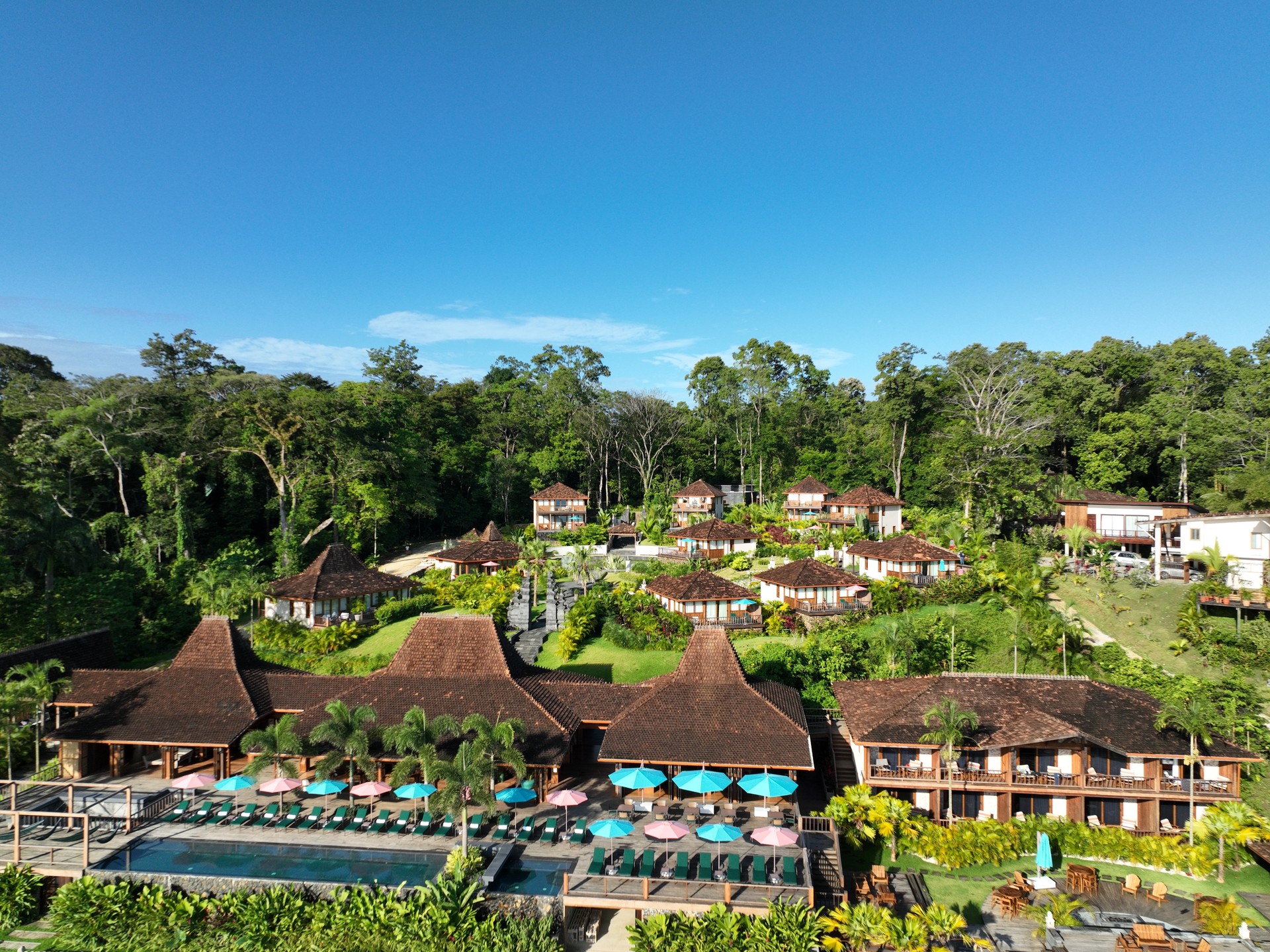
La Coralina Island House was created after your experience leading hotels in cosmopolitan cities. What led you and your partners to establish a retreat centred on nature, silence, authenticity and wellbeing in Bocas del Toro?
“After many years working in major cities, I became increasingly interested in what people were actually looking for when they travelled.
We were seeing a growing desire to escape intensity rather than simply escape routine. People were looking for space, nature, silence and a different relationship with time.
“On a personal level, I was also very motivated by the idea of leading a project designed for a completely different type of guest. After so many years working with more corporate profiles, often rushed, distracted and mentally elsewhere, I wanted to create an experience for the guest we imagined at La Coralina: someone who is not in a hurry.
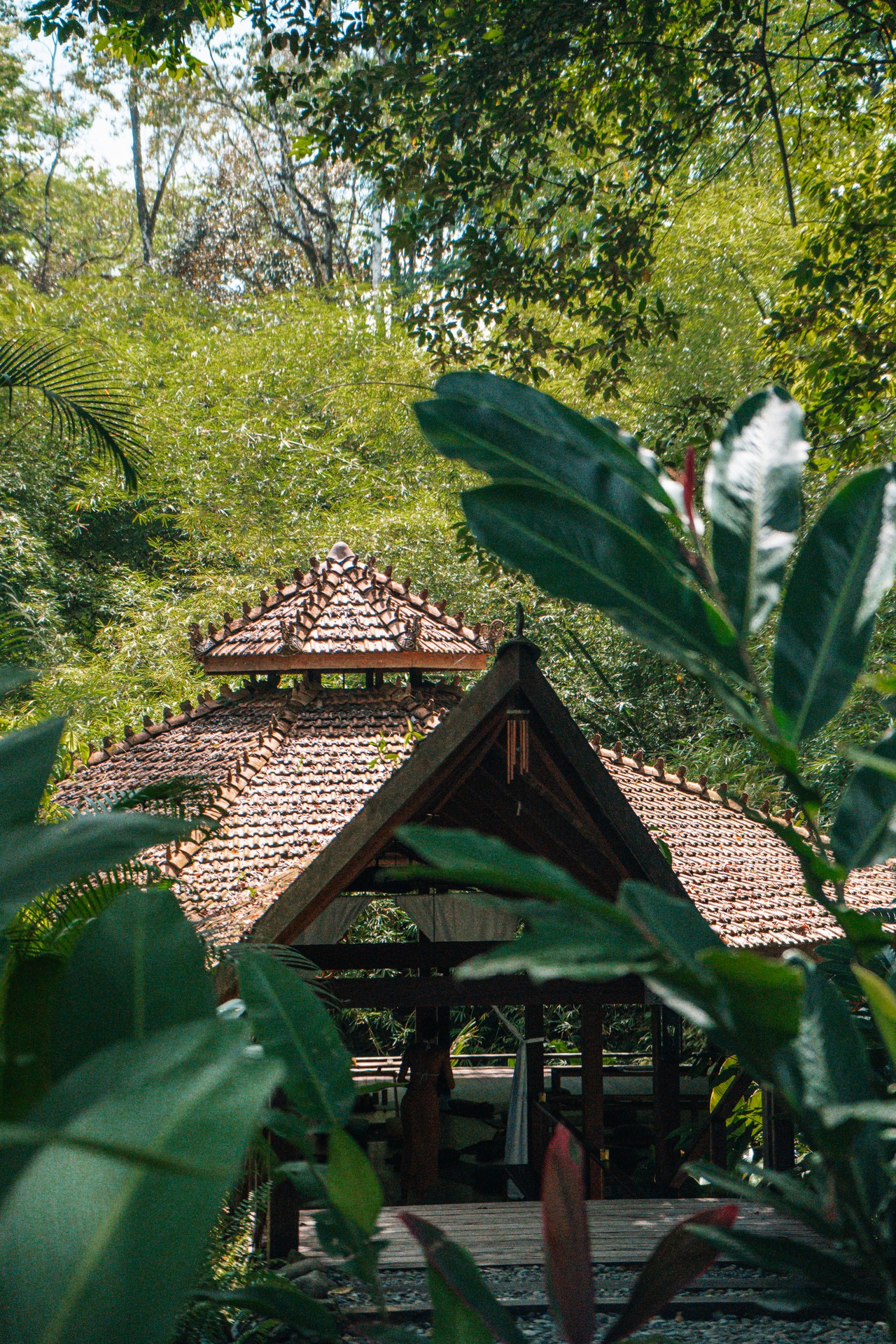
“That idea was very powerful to me. A guest who has time to observe, to listen, to be present, to reconnect with the environment and with themselves. Bocas del Toro offered all of that in an incredibly authentic way. It is a place where the Caribbean, the rainforest, biodiversity and local culture coexist naturally. We did not want to impose a conventional luxury resort onto that environment. We wanted the property to belong to the destination. La Coralina therefore developed around a very simple idea: creating a place where guests could reconnect with themselves through nature, wellbeing and genuine hospitality.
“The greatest luxury here is often something very simple: waking up surrounded by jungle, hearing the ocean, practising yoga in the morning, or spending an afternoon without looking at the time.”
La Coralina brings together accommodation, wellness and nature-based activities within its island setting. Which aspects of the property’s offer are most central to the guest experience, and how have you developed them in response to what visitors value?
“The experience at La Coralina is very interconnected. We do not see the room, the spa, the beach or the restaurant as separate products. Wellness is certainly one of the strongest pillars. Our Holistic Center, yoga and meditation programme, sauna, temazcal, polar plunge and spa are important, but equally important is how the elements connect with the surrounding environment.
“Nature plays a central role. Guests can surf at Paunch, spend time at Bluff Beach, explore the archipelago, experience the rainforest or simply observe wildlife from the property.
“What we have learned from guests is that they value freedom more than rigid programming. Some want a structured wellness experience; others simply want the option to participate when it feels right. So we have developed the property in a way that allows guests to design their own rhythm. The goal is not to tell people how to disconnect or how to feel well. It is to create the conditions that make it easier.”
What general advice would you give hoteliers who want to make service feel personal and considered while maintaining consistency across the operation?
“Consistency should never become uniformity. Standards are essential because they create reliability, but the best hospitality happens when employees are empowered to interpret the standards intelligently. The starting point is listening. Teams need to understand who the guest is, why they are travelling and what may be important to them. Sometimes the most meaningful gestures are extremely small and cost nothing.
“The other important element is culture. You cannot script genuine care. You have to create an environment in which employees feel respected, trusted and confident enough to make decisions. My advice would be to standardise processes, not personalities. Give teams strong operational foundations, but allow them enough freedom to behave like human beings.”
La Coralina places environmental stewardship alongside hospitality and wellness. How do you balance the practical demands of operating a luxury property with the responsibility to protect the natural setting in which it operates?
“Operating in Bocas del Toro makes environmental responsibility impossible to ignore because nature is not simply part of the scenery; it is the reason people come here. There is always a tension between operating a hotel and protecting the environment around it. Hotels consume energy, water and resources, so the responsibility is to constantly question how the impacts can be reduced.
“For us, sustainability is not a separate department or marketing message. It has to influence operational decisions, supplier relationships, waste management, landscaping, community engagement and the experiences we offer guests. It also requires accepting that the process is never finished. There is always something that can be improved.
“Ultimately, protecting the environment is also protecting the future of the business. If the reef, the rainforest or the biodiversity that surrounds us disappears, the destination itself loses its meaning.”
Through the Coral Nation initiative, the organisation supports coral reef restoration, marine biodiversity conservation and community projects. What have these activities taught you about the hospitality sector’s role in supporting local environments and communities?
“They have reinforced my belief that a hotel cannot exist as an island within a destination. Hospitality businesses depend enormously on their surroundings: the, the culture, the people and the ecosystems that make a place worth visiting. That creates a responsibility to contribute to their preservation.
“Through Coral Nation, we have been involved in coral reef restoration, marine conservation and community initiatives. What becomes very clear through this work is that environmental and social challenges are interconnected. For example, protecting marine biodiversity is not only an ecological issue. It is also connected to tourism, education, livelihoods and the long-term resilience of the community.
“The hospitality industry has an extraordinary ability to create visibility, resources and connections. If used responsibly, that influence can become a powerful force for conservation and community development.”
Guests increasingly value travel that supports mental, physical and emotional wellbeing. Which developments do you expect to shape wellness tourism next, and how should the sector respond to changing expectations?
“I believe wellness tourism will become less about treatments and more about transformation. Guests are increasingly interested in how they sleep, how they eat, how they move, how they manage stress and how connected they feel to themselves and to nature.
“The next stage of wellness hospitality will therefore be much more holistic. It will combine movement, nutrition, mental wellbeing, sleep, nature, recovery and meaningful social connection.
“At the same time, I think people will become more sceptical of wellness that feels performative or overly commercial. Authenticity will matter enormously. Hotels should resist the temptation to simply add more wellness amenities. The question should not be, “What else can we offer?” but rather, “How can this experience genuinely improve the way a guest feels?”
“For me, the most interesting evolution is that wellbeing will increasingly begin before the guest arrives and continue after they leave. The hotel stay becomes part of a broader journey rather than an isolated experience.”