



Heinz Beck has spent three decades building a global culinary presence without sacrificing the precision and philosophy that made his name. From La Pergola in Rome, where he has held three Michelin stars since 2005, to restaurants across London, Dubai, Tokyo, and Portugal, his approach has remained consistent, centred on balance, lightness, and a rigorous relationship with ingredients. That clarity of vision is precisely what has brought him to Venice.
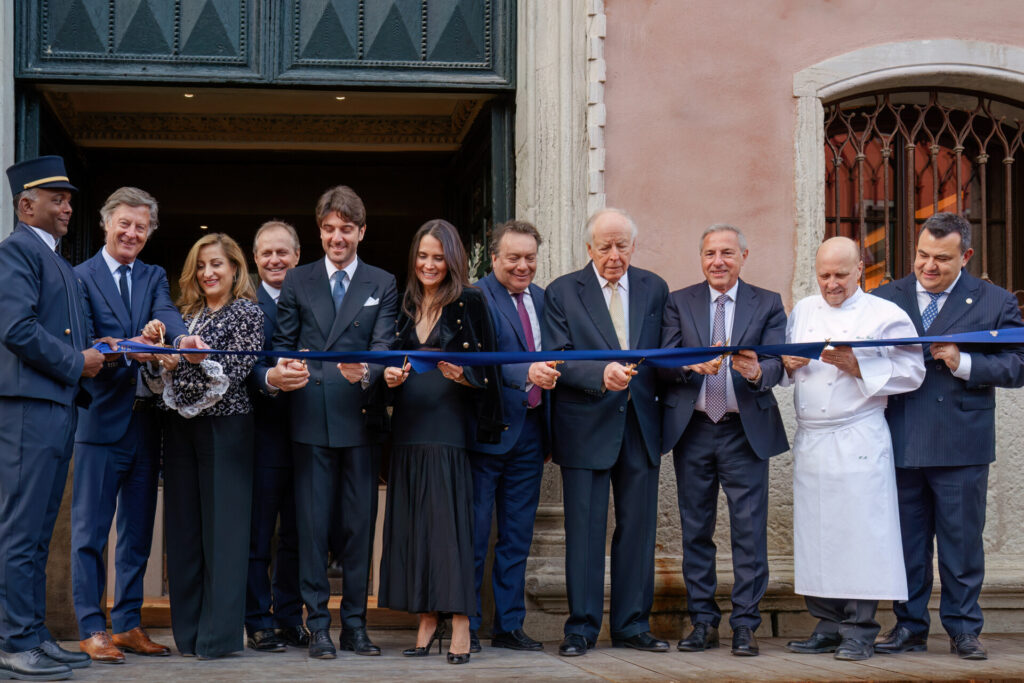
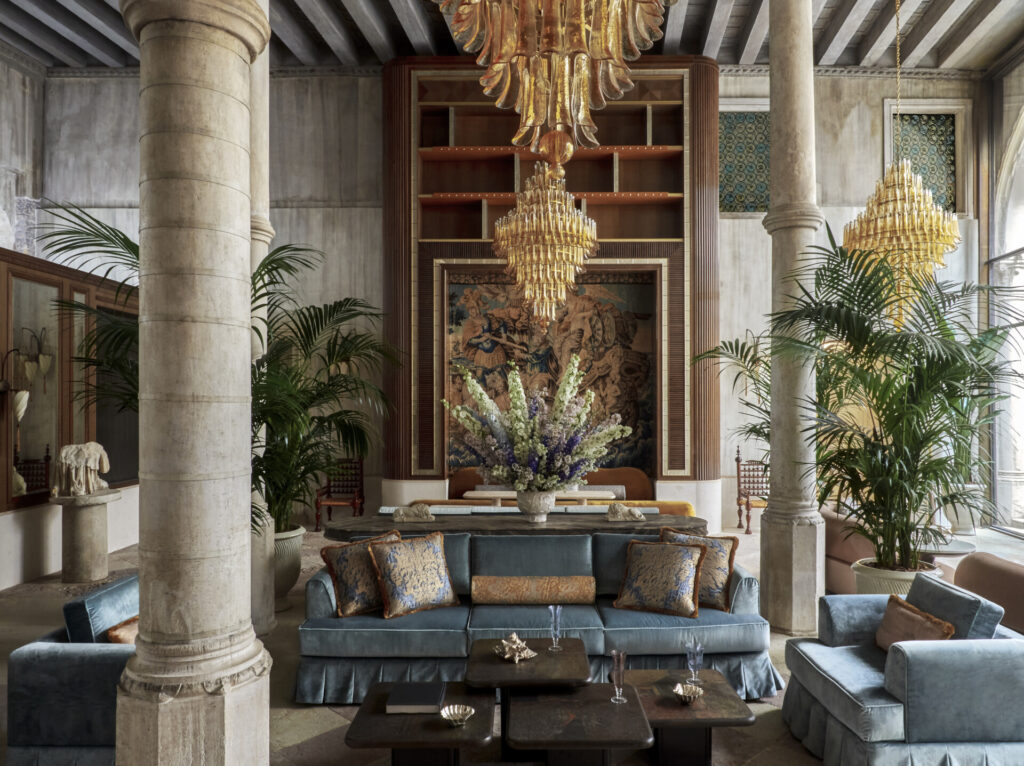
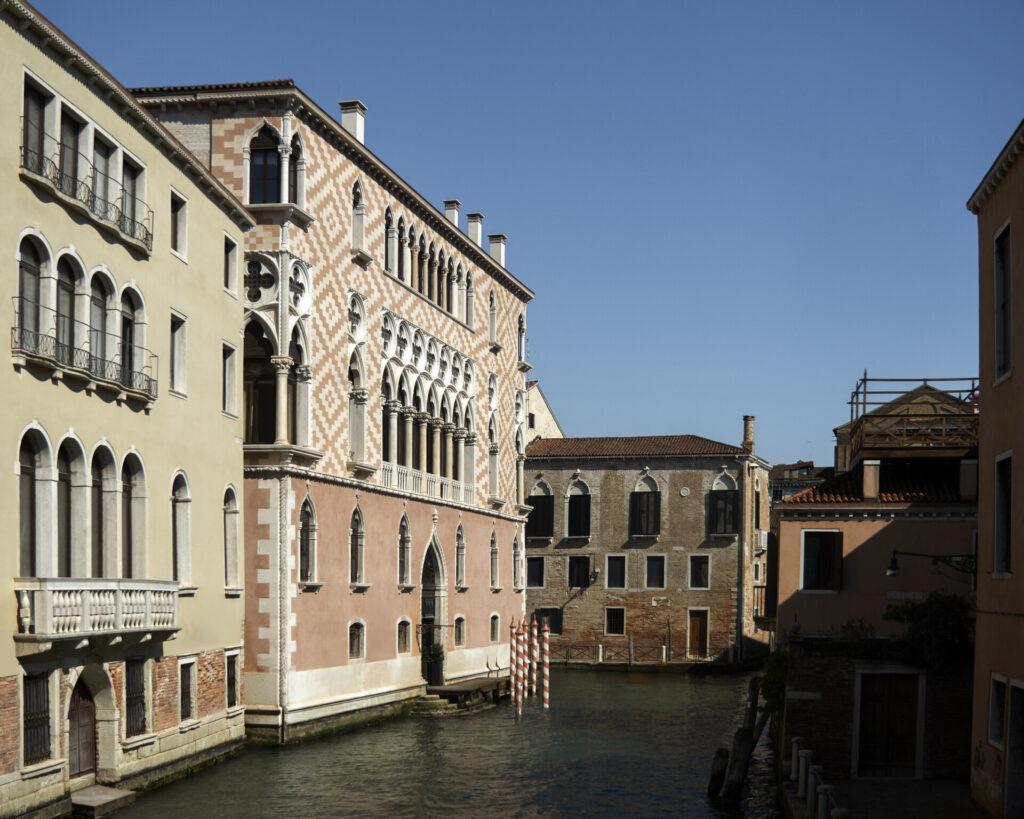
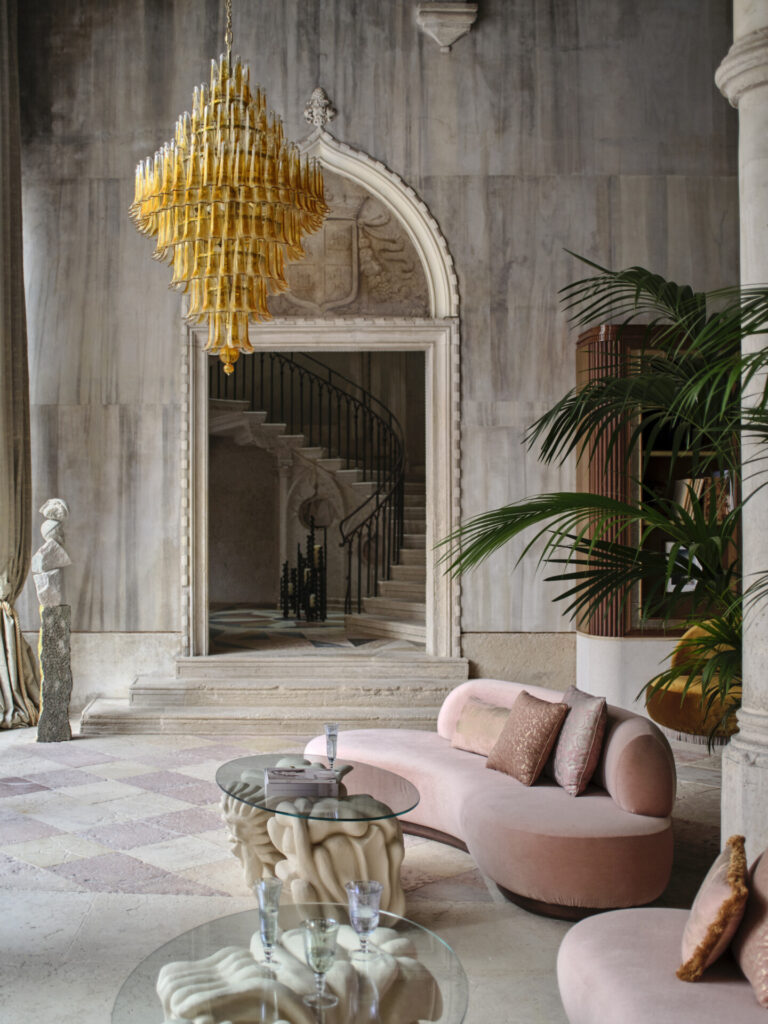
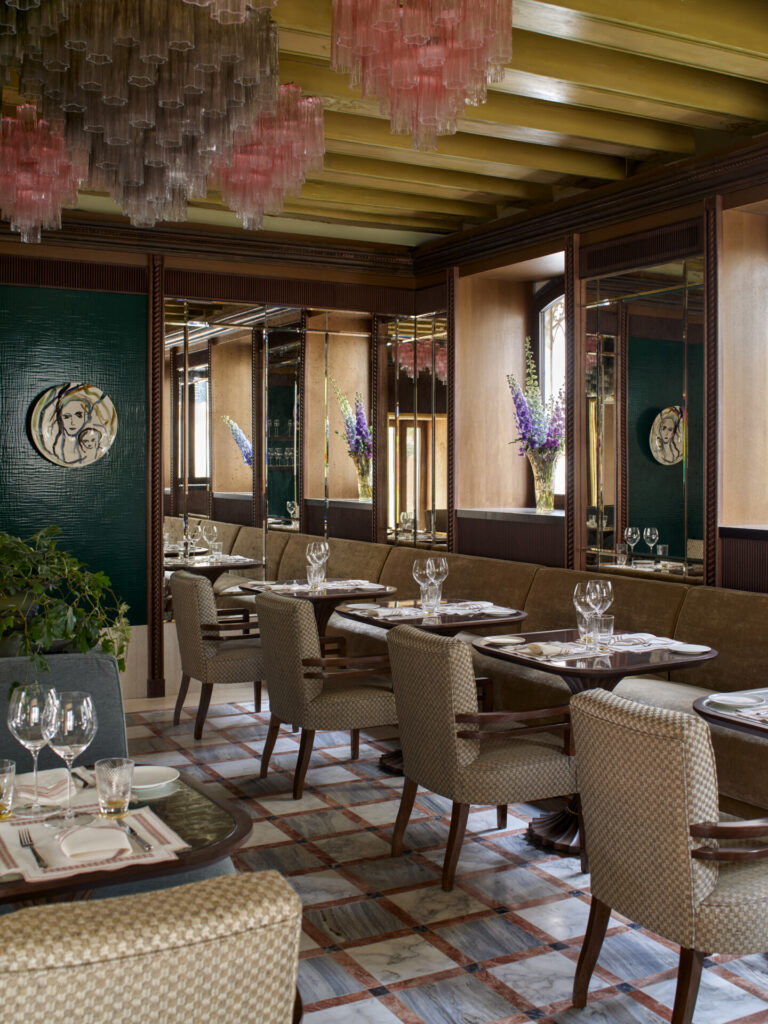
His appointment as culinary director of Orient Express Venezia places gastronomy at the heart of one of the city’s most ambitious hospitality projects. Working across four distinct venues within the historic Palazzo, from the intimate twenty-seat gastronomic restaurant bearing his name to the grand Salone Vittoria, Beck and his consulting team have created a culinary programme rooted in the produce of the Venetian lagoon and the wider Mediterranean. With Chef in Residence Pasquale Rivetti carrying the vision through daily service, and architect Aline Asmar d’Amman having shaped the spaces around it, the result is a project where cuisine, architecture, and Venetian heritage speak a common language.
You have built one of the most respected culinary portfolios in the world, from La Pergola in Rome to restaurants across the globe. What drew you to Orient Express Venezia, and why did this particular project feel like the right next chapter?
“For me and the entire Beck and Maltese team, every project must represent an authentic and exciting story. After many years across the world, I felt the desire to engage with a place that carries a different and very powerful narrative. Orient Express Venezia is not simply a hotel; it is a symbol of timeless elegance and culture. And Venice itself is a city suspended between water and history. This project allows us to write a new chapter, where luxury meets Italian gastronomic identity in a deeply contemporary way.”
Your philosophy centres on balance, between flavour, lightness, and nutritional awareness. How does Venice, with its lagoon, its seasonal produce, and its centuries of culinary tradition, speak to that philosophy, and how has the city shaped your thinking for this project?
“My philosophy has always been about balance: Mediterranean flavor, lightness, and well-being. Venice embodies this concept perfectly. The lagoon offers extraordinary yet delicate ingredients that demand respect and precision. Here we created a natural dialogue with our philosophy and the local ingredients to enhance and elevating the purity of flavors and their nutritional intake.”
The gastronomic restaurant, Heinz Beck Venezia, seats just twenty guests and operates exclusively for dinner. That level of intimacy is a deliberate choice. What does a room of that scale allow you to do culinarily and in terms of guest experience that a larger venue simply cannot?
“A dining room with twenty seats is a privilege. It allows for great control, not only technically but also emotionally. We have the chance to create a very intimate experience for our guests.”
You have been appointed to oversee the entire culinary offering across the Palazzo, from the fine dining restaurant to La Casati, the Wagon Bar, and the Salone Vittoria. How do you maintain a coherent culinary identity across venues with such distinct characters and purposes?
“Consistency comes from a clear vision. Each space, from the fine dining restaurant to La Casati, to the Wagon Bar, has its own identity, yet they all share the same values: absolute quality of ingredients, lightness and respect of the territory and its culinary traditions. We want to express a common language in different ways.”
You recently received the Chef Mentor Award 2026 from the Michelin Guide .How do you think about mentorship and the passing on of knowledge, particularly in a project like this where Pasquale Rivetti will carry your vision forward as Chef in Residence?
“Passing on knowledge is a responsibility. I’ve always wanted to create a community built on shared values, not just technique. Pasquale has been working with us for ten years and during this time we have focused on building strong foundation to prepare him for a challenging project like this. In order to create a new strong generation of Chefs, we must encourage them not only to be doers but active thinkers. The world of food and hospitality will be able to evolve only if those who come after us are free to think and express themselves in the most conscious way, while maintaining the brand identity and high quality standards required. I always like to tell my team “Whatever the problem, be part of the solution”.”
La Casati offers a more informal style of dining, rooted in Venetian tradition and seasonal ingredients, while the Salone Vittoria has hosted Venetian nobility for centuries. What does it take to honour that kind of historic context without allowing it to constrain what you want to create?
“History should not be a limitation, but an inspiration. In places like the Salone Vittoria, you can feel the magnificence and the beauy of time. Our approach is to listen to that context, understand it and then introduce a contemporary but still respectful language. It is not about imitating the past, but about talking with it. Being able to work in such a wonderful Ventian Palace is an incredible source of inspiration.”
You have held three Michelin stars at La Pergola since 2005 and earned recognition across multiple countries and culinary cultures. What does that kind of sustained, international recognition require of a chef, and how has your leadership approach evolved over the course of your career?
“International recognition, such as three Michelin stars, is an exciting daily challenge that keep me alive and motivates us since day one. It requires consistency, rigor and above all the ability to evolve. Over time, the world and its needs have changed and so as my role. Leadership, for Beck and Maltese company, is about creating a positive environment, based on respect where excellence becomes a shared goal.”
The hospitality sector continues to place greater value on culinary experience as a defining element of a property’s identity. From your position, having worked with some of the world’s most prestigious venues, how do you see the relationship between gastronomy and luxury hospitality developing?
“Gastronomy has become central to the luxury experience, but it must not be merely decorative. Today, guests seek authenticity, identity and real emotion. Cuisine has the power to tell the story of a place better than anything else. I believe the future of high-end hospitality will be increasingly tied to gastronomic experiences that are profound, sustainable and culturally meaningful. True luxury is not excess, but conscious quality.”