


Valérie Kaminov is not a consultant who works from a distance. Since founding International Luxury Brand Consultancy in 2014, she has embedded herself in the detail of every market she operates in, building a network that spans luxury retailers, distributors, investment firms and government bodies across more than 60 countries. With offices in London, Paris and Dubai, and a career that stretches back more than three decades, her breadth of knowledge across beauty, fragrance and wellness is matched by a precision of approach that has made her one of the most sought-after figures in the industry. Brands including REN Skincare, Babor and Penhaligon’s have benefited from her guidance, as have countless emerging names looking to find their footing in an increasingly crowded global market.
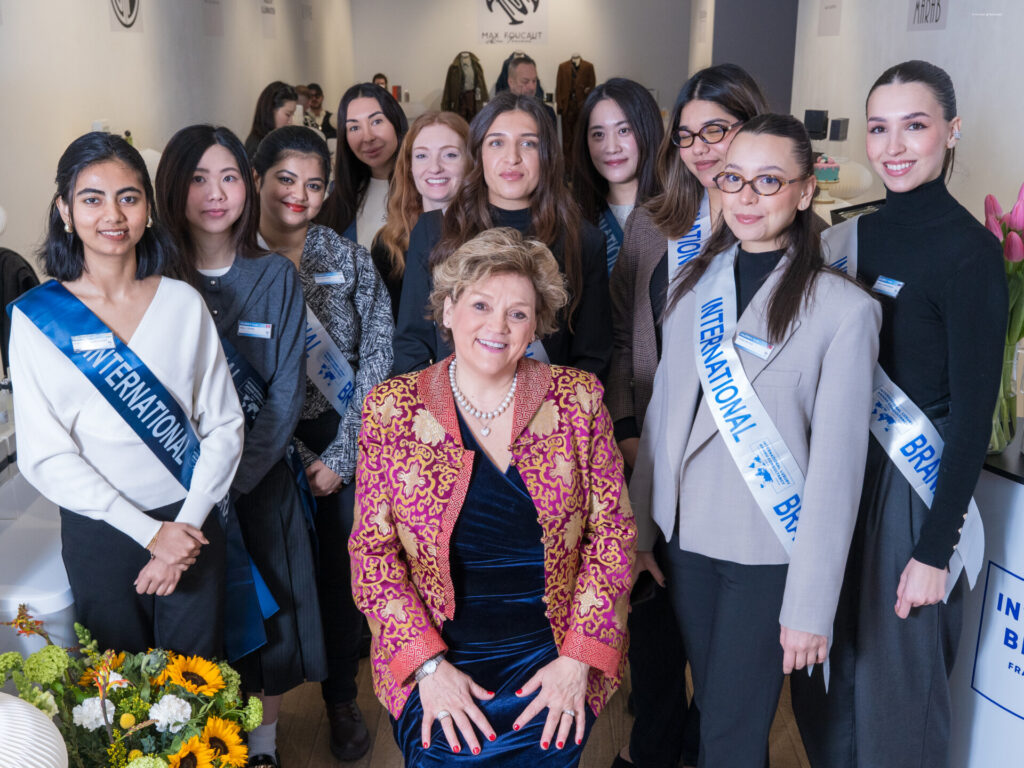
What sets Kaminov apart is her insistence that marketing and commercial strategy are inseparable. Where others treat communication as a support function, she positions it as a central driver of growth, one that must be tailored, culturally intelligent and deeply connected to the relationships that make markets move. Her recent International Maisons Fine Fragrance show in London offered a vivid illustration of that philosophy in action, bringing together press, buyers, influencers, distributors and consumers in a format designed for genuine engagement rather than passive attendance. It is that kind of thinking, grounded in market intelligence and executed with precision, that continues to define her work and the businesses she helps to build.
You founded International Luxury Brand Consultancy in 2014 with a very specific vision: to marry a boutique, bespoke approach with a rigorous, results-driven methodology. A decade on, operating across more than 60 countries, how has that founding philosophy shaped the way the business has grown, and do you think that combination is what sets you apart?
“Prior to founding International Luxury Brand Consultancy I worked across the beauty industry, and I had often seen a disconnection between strategy and results achieved. With International Luxury Brand Consultancy, I wanted to change the approach to offer brands the combination of personalised planning with performance. This allows for a greater level of measurability and agility, that helps to support the decision making and investment by a brand which is key when you consider the fast-paced dynamics of the beauty industry. It is also a saturated landscape, which makes it even more important to offer a distinctive differentiation but also to be a successful name.
“My business has grown from this strong founding vision, and each year International Luxury Brand Consultancy has evolved through an understanding of what is needed and what is missing in the industry.
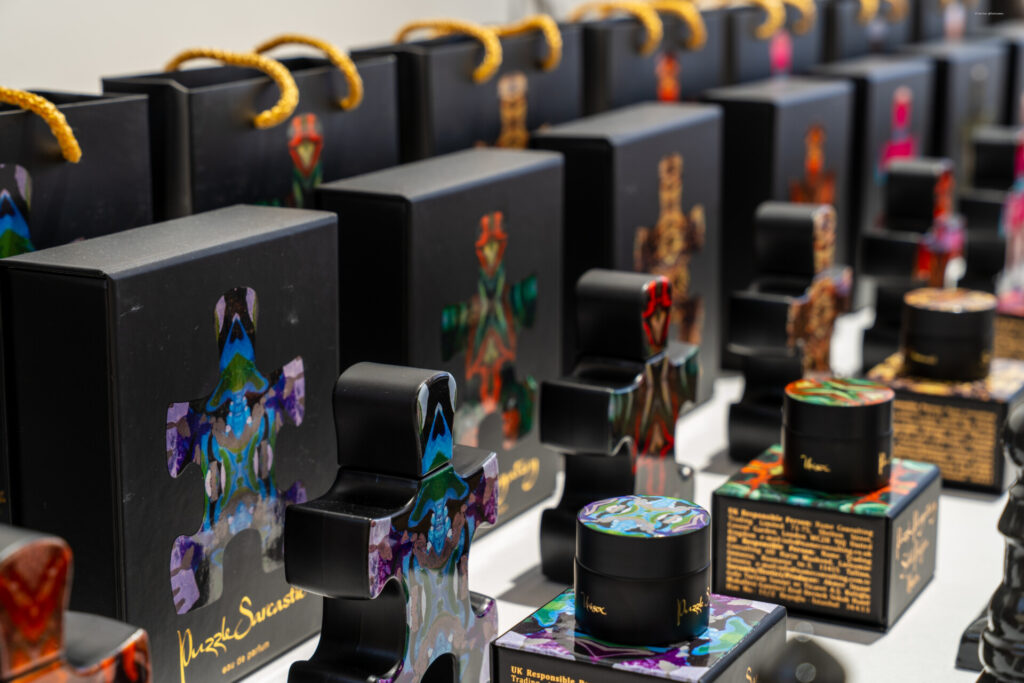
“In recent years I have introduced various new initiatives including dedicated showcases at global events and more recently the launch of International Maisons Fine Fragrance London. These concepts have been designed around market intelligence and the best way to effectively promote brands on a global scale. An area I found lacking were platforms for niche businesses to get exposure and engagement, which are so critical for success. From Tokyo and Taipei to Dubai and London I have introduced dedicated discovery events that offer something new and different to the brands and the event visitors.”
You have spent more than 30 years working across beauty, fragrance and wellness, and in that time, you have worked with brands at every stage, from established global names like REN Skincare, Babor and Penhaligon’s through to early-stage start-ups. When it comes to marketing strategy, how differently do you approach a heritage brand looking to grow versus a newer name trying to build its identity from scratch?
“With any brand it is important to tailor the strategy specifically to each market. A heritage brand might seem to be an easier task, but you can come up against pre-conceived perceptions while a new name has to build everything from scratch. With both brand styles my approach is structured to the fundamentals of knowing your audience, understanding market dynamics, where your brand is positioned and how best to build your community with a variation in market entry based on the tactical planning.
“Creating the buzz around a newer brand with a pre-launch campaign that sets the scene for the brand’s market entry can be very beneficial whilst with a legacy brand localization is essential. Whatever brand style you are it is crucial to work closely with your partners with a short, mid and long-term plan in place. Establishing a successful global business is more of a marathon than a sprint.”
One of your central beliefs is that marketing and communications should never be siloed away from the wider business strategy. What do the most successful brands get right when they treat them as genuinely integrated functions, and how does that alignment change what becomes possible for a brand?
“I have had the pleasure of working with some exceptional founders and their teams, the most successful of which focused on having a business that wasn’t measured purely on sales revenue. They focused on the common goals that were at the centre of the sales, marketing and communication strategies, this integration creates a stronger foundation for growth, which results in being able to develop a brand more effectively and efficiently.
“Brands that focus on alignment have the potential for a more diversified outreach; the more places and people you can tell your story to increase both awareness and access to your brand. But more importantly integration ensures you keep a focus on your customer, you are connecting and engaging with them on a more personal and often memorable way. In the highly competitive world of beauty, creating loyalty with your customer is invaluable.”
You have spoken about the importance of what you describe as curated matchmaking, ensuring the right brand reaches the right person through the right platform. How does that thinking translate into the marketing plans you build for clients, and why is getting that fit so critical to long-term commercial success?
“Matching a brand with the right retailer or distributor is absolutely essential in all aspects but with marketing it is vital. Your market partner is an extension of your business, they are your ambassadors and their insight, knowledge and skill is crucial to your success. As we all know with marketing, it is much more than creating a strategy – it is the implementation and evolution of the plan, it is leveraging opportunities and being diligent to the consumer landscape as well as the development of connectivity and engagement with those that can influence your brand’s perception. I work a lot with founder brands and that makes it even more important that I get the fit right.”
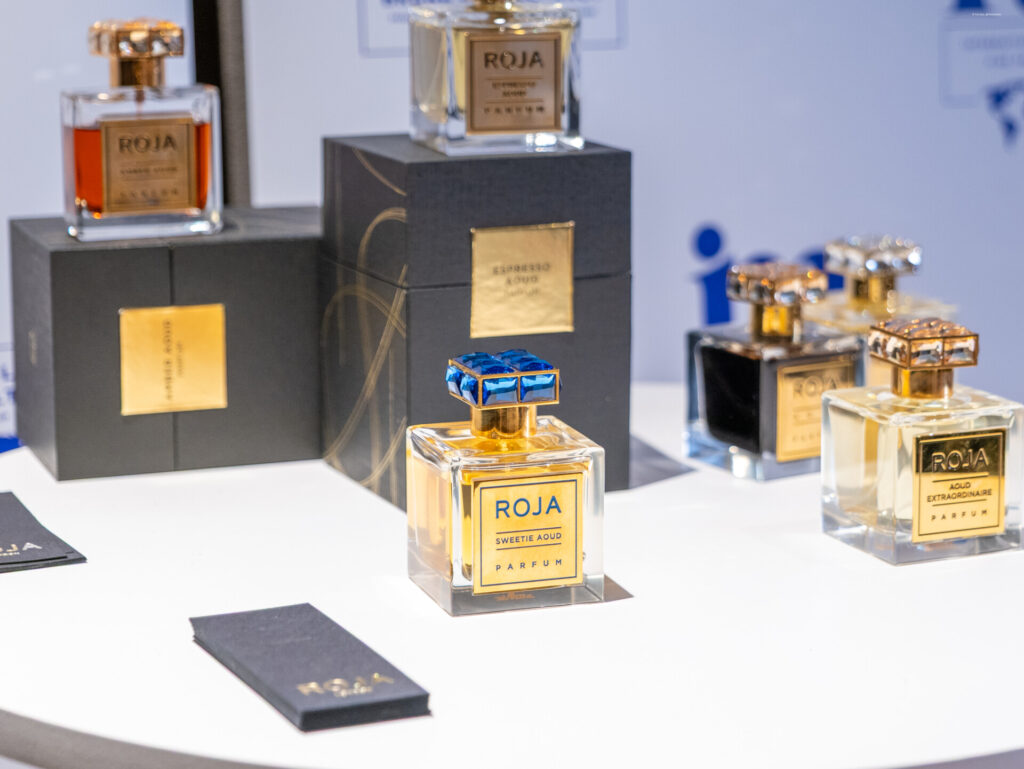
Your International Maisons of Fine Fragrance show drew press, industry experts, buyers, influencers, distributors and consumers together in a single environment, with a deliberate emphasis on interaction. What was the thinking behind that format, and what does it tell us about where brand marketing is heading, particularly around the relationship between physical experience and digital reach?
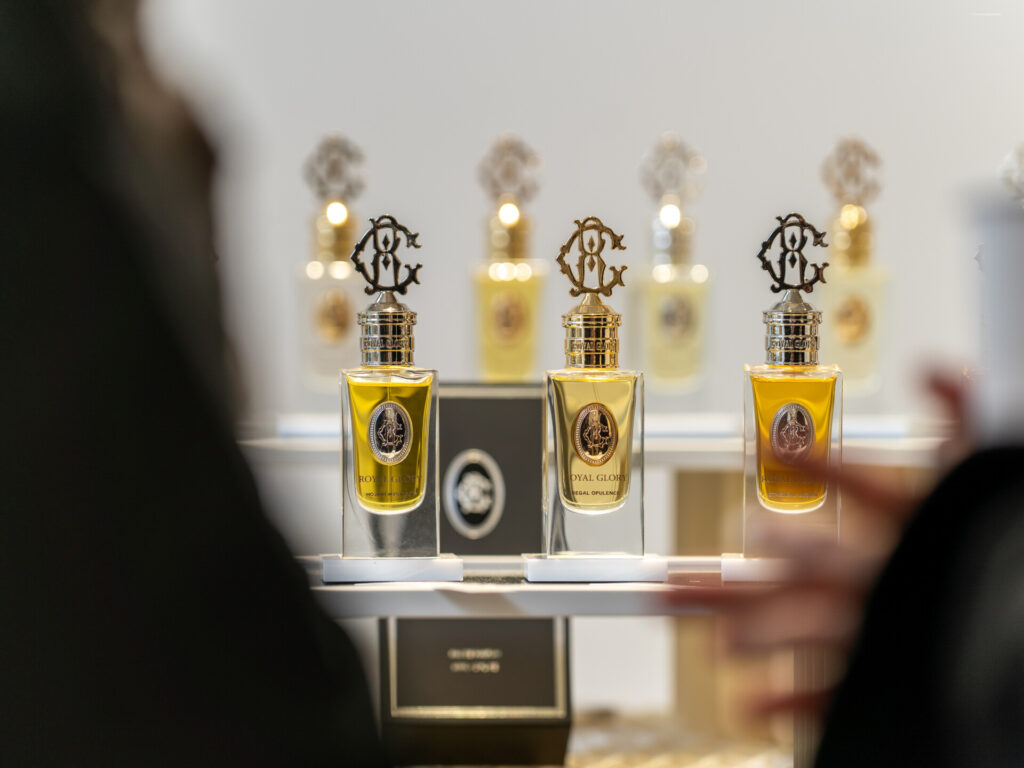
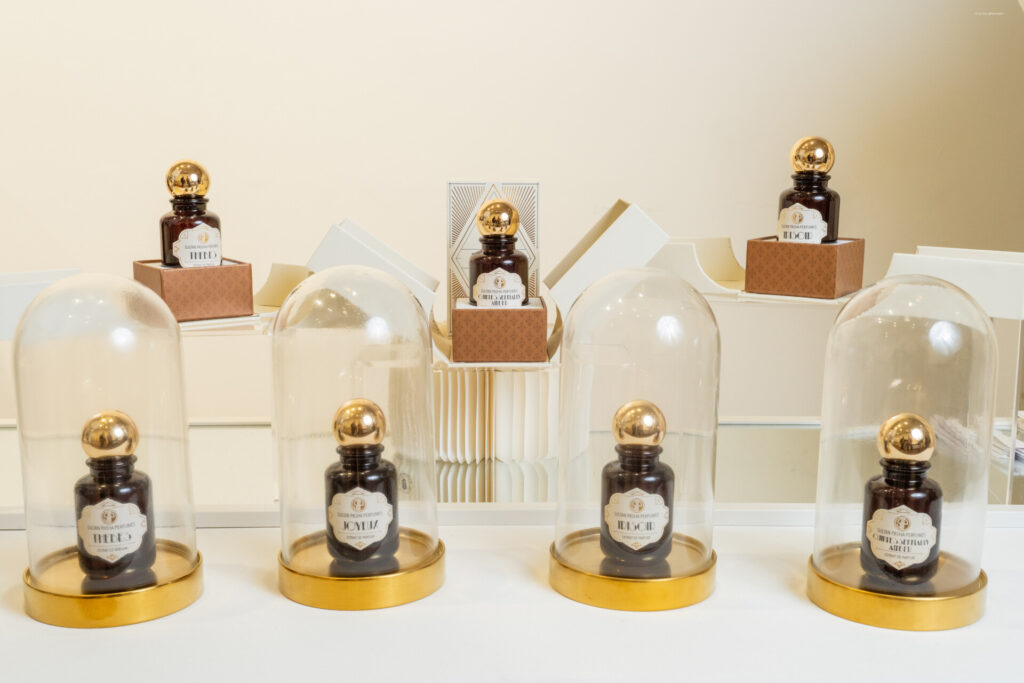
“I didn’t want International Maisons of Fine Fragrance to be your typical trade show, it was deliberately styled to provide a handpicked collection of perfume brands with a targeted and personalised opportunity to introduce their collections. Rather than a mass-market in approach I customised each element to create a more intimate and expressive event that complements the true art of niche perfumery.
“To me the true power of fragrance is its emotional connection, it isn’t simply about what it does but how it makes you feel. When you combine this with key trends such as rise in niche perfumes, bolder formats and more functional benefits, mood-boosting ingredients, a desire for personalisation and individuality, sustainability, quality and efficacy, then you can see why fragrance is now very much part of our cultural conversation.
“Social media has played a big part in this, there are over 3 million videos tagged #PerfumeTikTok, which is reflected by the importance of Gen Z and Millennials as a cornerstone consumer base within the fragrance industry. The renaissance of fragrance is demonstrating the value of the physical experience in combination with the digital storytelling.”
With offices in London, Paris and Dubai, you work across markets that each have their own consumer culture, retail infrastructure and relationship with luxury. How do you advise brands to adapt their marketing and communication strategies to those different environments, rather than simply replicating what has worked elsewhere?
“When looking to international expansion strategies, localization and cultural recognition are key. A cornerstone value of any communication strategy is building a community through effective engagement that resonates with the individuality of each market. I always encourage brands to take the time to get to know a destination, the location of where they will be and also what works in that specific market.
“We are continuing to see the importance of social proof as well as an emphasis on authenticity as consumers have been very quick to pick up how a brand connects with them. Digital platforms are vital but so are creating retail experiences that differentiate.”
Sustainability is something you have advocated for consistently across your career. How do you counsel brands on communicating their sustainability credentials in a way that feels credible and substantive rather than performative, particularly given how sceptical audiences have become?
“Transparency is imperative as ethical practices and sustainable sourcing have become a baseline expectation within the beauty and fragrance industry. Unfortunately, greenwashing is also prevalent so I always advise any brand I work with to be very clear about their sustainability values, actions and goals even if they might not be as comprehensive as some of their competitors. Education is another important factor within the communication, we are all continuing to learn whether it is ingredient sourcing or zero waste, the more we can drive change the more the consumer will trust the industry.”
You have built a network that spans luxury retailers, distributors, VIP buyer programmes, investment firms and government bodies across more than 60 countries. How much of a role does that network play in shaping marketing strategy for your clients, and how should brand leaders be thinking about the value of relationships alongside the value of reach?
“Relationships are everything as even the greatest brands can struggle to get a foothold if they don’t know the right partner, but it goes beyond the right introduction.
“International Luxury Brand Consultancy’s network spans the many sectors I have worked within; this provides a first-hand and in-depth understanding of their different needs. What a buyer is looking for is different from an investor or a distributor, and a brand needs to keep their strategy relevant according to their target reach and the objectives of the relationship. The knowledge and insight gained through my more diverse and extensive network is invaluable on all sides.”
As a keynote speaker, moderator, panellist and author of multiple market reports, you are as much a thought leader as you are a consultant. How important is it for leaders in the beauty and fragrance world to have a visible, credible voice in the wider industry conversation, and what does getting that communication right look like?
“Ever since I first went into the beauty industry over 30 years ago, I have always actively sought out industry leaders as their expertise and experience is priceless. For some years now I have been doing ‘In Conversations’ with some exceptional leaders – the last one being Roja Dove, the globally recognised perfumer and Creative Ambassador for the GREAT Britain campaign – with each one I continue to learn something different.
“I always recommend to brands to take the time to attend industry events, become members of associations like CEW (Cosmetic Executive Women) as well interact with some of the great figures we have in the business of beauty.
“On a personal note, I have had the great honour to be part of mentorship programmes as well as collaborate with institutions (education and government based) with a focus on younger generations and founders. I particularly love it when this can be in person as for me seeing the passion of the future is always inspiring.”
Looking at the global beauty and fragrance market right now, where do you see the most significant opportunities for brands that are willing to approach their marketing with fresh thinking, and what separates the ones that seize those opportunities from those that miss them?
“According to Statista the Beauty & Personal Care market worldwide is projected to generate a revenue of US$698.38bn in 2026. These figures demonstrate how important the beauty business is and year-on-year it continues to grow. Choosing which opportunity is right for a brand is both a commercial and creative decision. Recently I have been particularly impressed by the growth in certain international markets particularly in Asia, but becoming a global brand doesn’t happen overnight – it takes time and investment.
“Key to capturing any opportunity is agility and adaptability with your strategy whilst also maintaining a strong focus on your overall plan. The brands that I have seen succeed the most have learnt the art of being decisive in their decision-making process, they review opportunities through a business lens that is both pragmatic and pioneering. They will say ‘no’ as many times as they say ‘yes’, as not every opportunity is right for a brand, but what will help make it succeed is commitment.”