



Josh Dean is the Founder of The Circle, a company connecting private capital with culture through curated, invitation-only environments across EMEA, MENA and APAC. He began his career working alongside globally touring artists including Kerri Chandler, David Morales, Louie Vega and Manda Moor, appearing on stages from Coachella to Glastonbury. That grounding in live events led him into brand consultancy, where he scaled one venture into eleven markets within six months, before organising private investor gatherings in London and Singapore that became the foundation for The Circle.
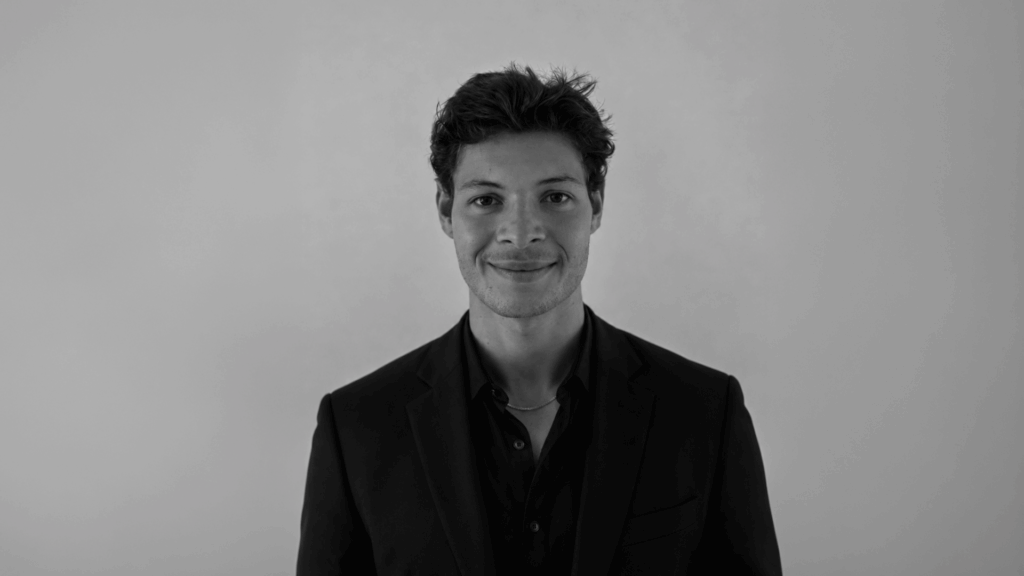
Today, Josh leads a global team giving private capital and leading brands a route into culturally significant moments, viewed through a creative lens. His work has taken shape quietly over six years, staging rooms at major global moments including the Singapore Grand Prix, Token2049, Art Basel Hong Kong and Egypt’s North Coast. The Citadel marks the first public expression of that work, a founding chapter built to travel, bringing together institutional names, private capital and cultural brands within a single room.
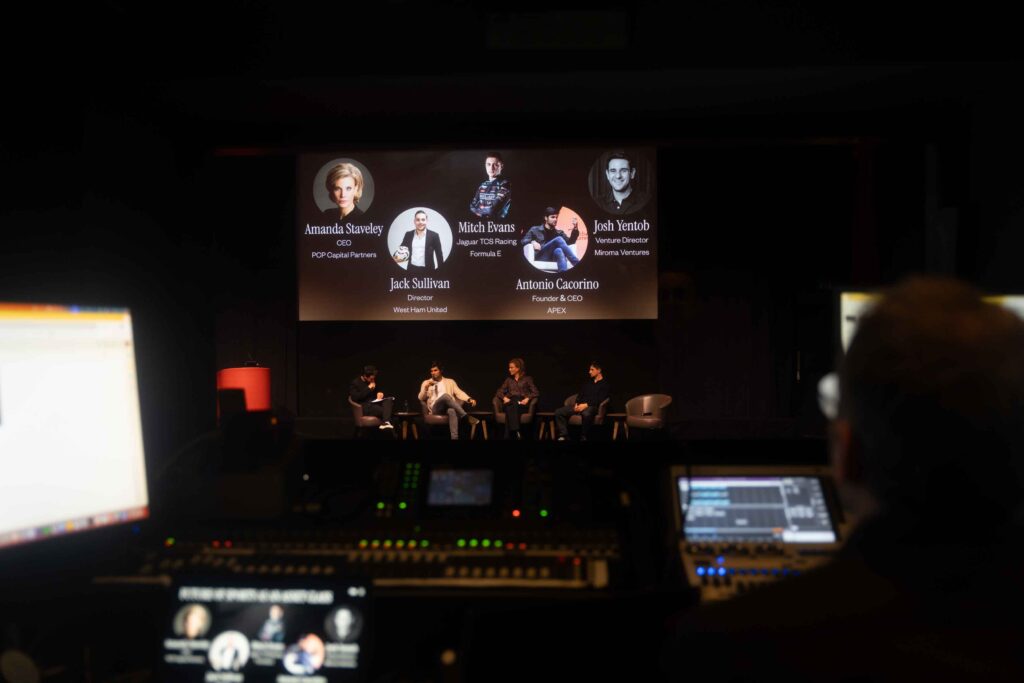
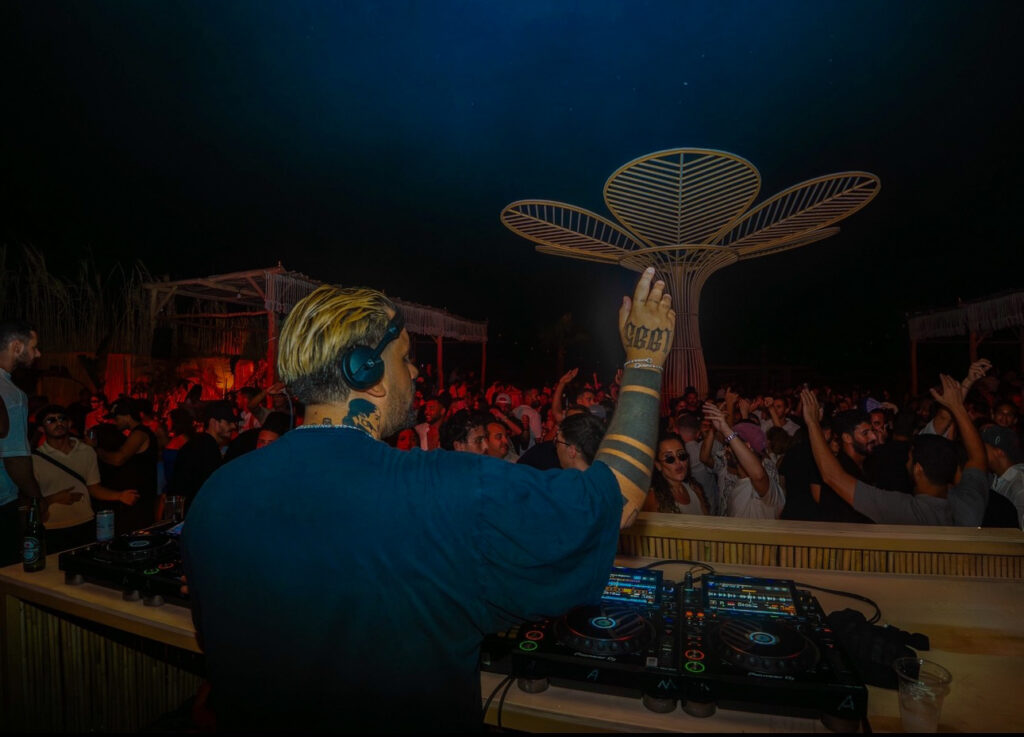
You spent your early career working alongside globally touring artists such as Kerri Chandler, David Morales, Louie Vega and Manda Moor, on stages from Coachella to Glastonbury. What did that teach you about creating unforgettable events?
“Everything, honestly. It taught me the moving parts of operating at the top level: programming, logistics, management, all running at the same standard. It also taught me what that looks like on a global scale, how the same show reads differently across markets, and what it takes to deliver to one standard anywhere in the world.
“The bigger lesson was more human, the production is never what people remember. Nobody leaves Glastonbury talking about the load-in, they remember how it made them feel. We carry that into every room we build.”
You moved from live events into brand consultancy, scaling one venture into eleven markets within six months. Looking back, what did that experience show you about what it takes to move quickly into new territory without losing sight of the groundwork?
“That you can’t do it alone, and more importantly, you shouldn’t want to. Every market is different, and you need to understand how the culture works in each one. You enter through people, good people, who trust you and want to build with you.
“That period taught me that relationships aren’t the soft part of business, they’re the infrastructure. Align with the right humans, and speed becomes a byproduct.”
Live events sit at the centre of everything The Circle does. What is it about a shared physical moment, in a way a broadcast or a screen never quite manages, that makes culture feel real to the people experiencing it?
“I love this question. We are living through the most digital era in human history – AI, screens, everything remote, and the irony is, it’s made real life the luxury. Genuine, in-person moments are becoming scarce, and scarce becomes valuable.
“When you bring good people together around good experience, something happens that no screen can replicate. Trust forms and you build more genuine relationships in one evening around a table than in six months of emails. That’s not hospitality, it’s purely human.”
The Circle now runs across EMEA, MENA and APAC, connecting private capital with culturally significant moments through a creative lens. What does it take to build a team that can operate to one standard across three such different regions?
“One word, relationships. We keep the team deliberately slim, because we can. The real operating system is the ecosystem: trusted partners already in those markets, who hold the same standard we do. You cannot run Singapore from London, and why would you try? The standard travels through people and not process. Find the right humans in each market and grow together. That’s the whole playbook, it just takes time to write.”
The most recent chapter, in London, brought together figures from the London Stock Exchange, Visa and TikTok alongside family offices and brands including Farrer & Co, Clase Azul and Bowman Gallery. What is the real skill in assembling a room where names like that choose to be present?
“Nobody in that room was sold anything, that’s the starting point. The skill again comes down to relationships built over years, and just as importantly, developing new ones: creating a space where people can feel free, enjoy, and simply connect with worlds they wouldn’t normally touch. We mould the rooms deliberately, a family office principal next to an emerging founder, a music executive next to a private wealth advisor. Watching those conversations start is the best part, and where they go beyond is even better. When the room is right, you don’t chase anyone. They ask when the next one is.”
Brands and capital have historically sponsored industries. You have identified a shift towards owning a stake in them instead. What does that ownership look like in practice, and how does a company recognise the difference before committing?
“Look at the top of the market, watch houses buying members’ clubs, fashion brands buying hotels, car manufacturers investing in classical music. Look at Formula One: the brands inside that sport are not renting visibility anymore, they are part of its identity, and you’re seeing brands in the paddock now you would never have seen a decade ago. That is the shift. Sponsorship rents a moment. Ownership becomes part of the story.
“I genuinely think it is the difference between the companies here today, and the ones still standing in ten years. As for recognising it, you can’t, from the outside. Culture isn’t a spreadsheet exercise. You have to be in the rooms. That’s the honest answer, and it’s also the invitation.”
If sponsorship is no longer the ambition and ownership is, what does the first step into that world look like for a company that has only ever paid for visibility?
“Live events that pull on culture. Not just a dinner but a dinner that creates something and moves the needle. And here is what most people miss: visibility and belonging aren’t opposites. Done properly, being genuinely part of a cultural moment is the best visibility there is. That’s exactly what we build for companies. The first step is joining an ecosystem where the relationships and expertise already exist, because you can buy a table anywhere, but you can’t buy your way into culture.”
For a brand hoping to build the kind of infrastructure The Circle has created, linking capital, culture and brand into one ecosystem, what is the first thing you think is important for them to get right?
“Patience. It is a relationships game. A complicated web of capital, culture, music, fashion and luxury, all under one umbrella, and every thread has to be genuine. You cannot rush trust, and you cannot buy it off the shelf. We have spent years building behind closed doors before we ever went public. Substance, then story.”