


The valuation office in the family home
A childhood among diamonds
Fine jewellery rewards patience, and Satta Matturi has shown a rare supply of it. The Sierra Leone-born designer spent seventeen years as a rough diamond valuer at De Beers before leaving a senior career track to found Matturi Fine Jewellery in 2015. A decade on, her London house serves collectors from entertainment, law, politics and business, with Madonna and Rihanna among the women who wear the brand.
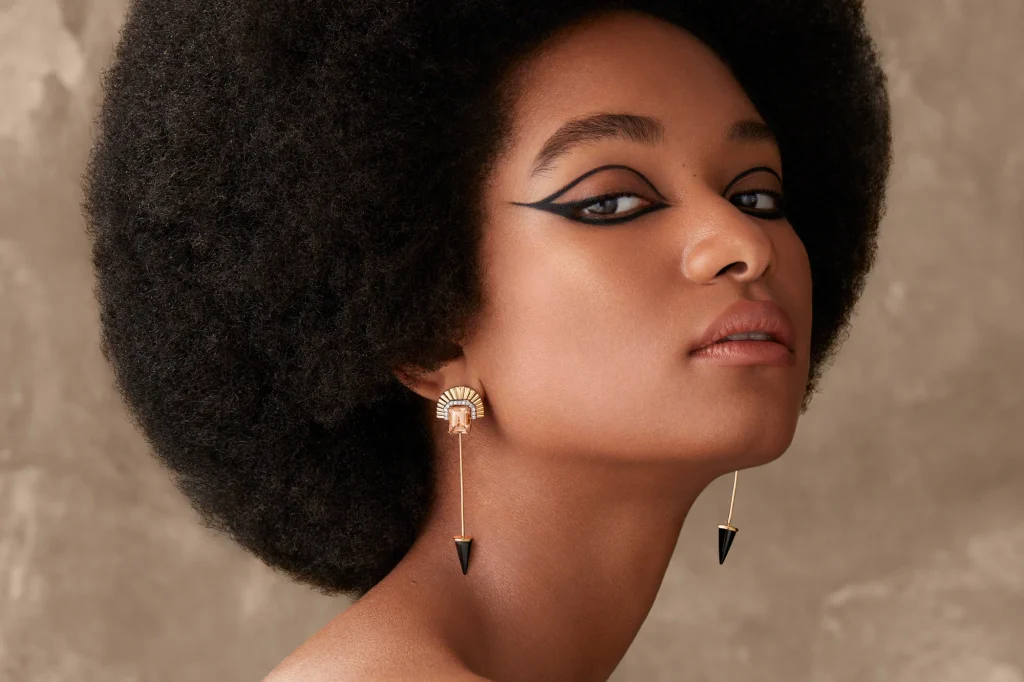
Matturi grew up as the daughter of a nurse and an architect, moving to the United Kingdom at fifteen. Her father later became chief executive of De Beers West Africa, and the family home doubled as the company’s valuation office. Valuers would arrive from London with parcels bound for the head office in Hatton Garden, giving her an early view of a trade she would later join. After university she went into the diamond industry herself by training as a rough diamond valuer, one of the most technical roles in the business.
Leaving the corporate path
By the mid-2010s Matturi was on track for senior executive roles, yet the pull of design proved stronger. She had begun with engagement rings and tennis bracelets made for friends and family, and their reception convinced her there was room for a different kind of jewellery house. Family, friends and former clients all warned her that leaving was a mistake. She went anyway, and trade recognition followed, including designer of the year honours.
Heritage, symbolism and Art Deco lines
A design language of her own
The Matturi aesthetic is built on ancestral heritage, symbolism and Art Deco, her favourite period in jewellery design. “I want to make jewellery that is distinct and different,” she says. “If it’s an acquired taste, that’s fine.” The house would rather be recognised at a glance than chase a trend, and its sculptural pieces tell West African stories through form and material rather than through passing fashion.

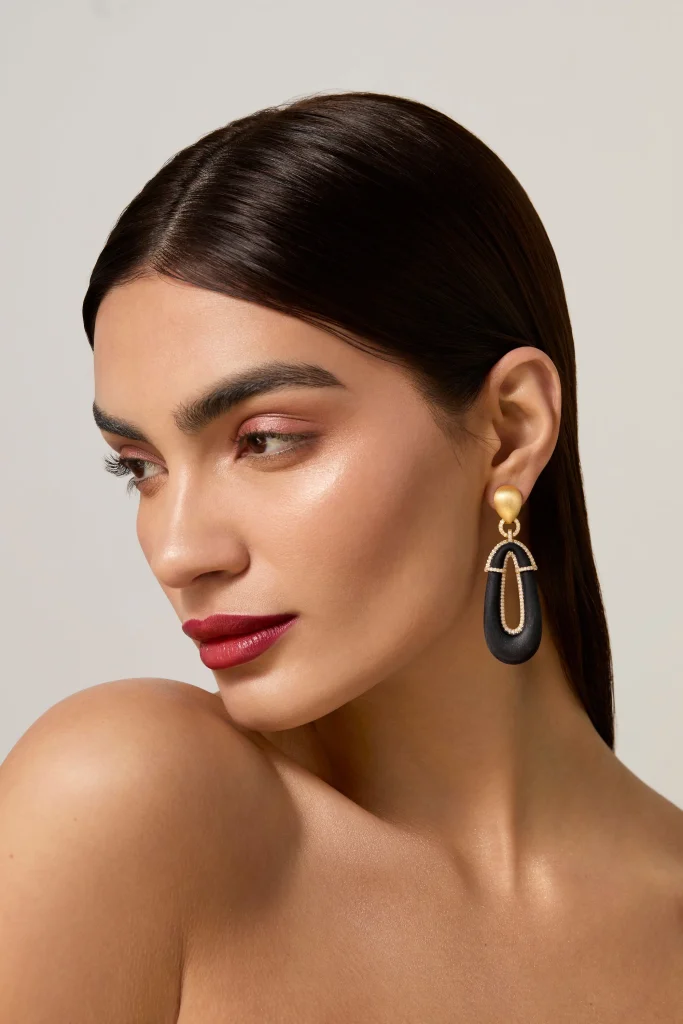
That conviction took time to settle. Early on, Matturi found an industry full of cliques and tried to fit in before realising that standing apart was her strongest asset. Once she committed to her own vision, the doors opened, and today the small Parisian ateliers that serve the grand maisons know her work on sight. Pieces have appeared in Sotheby’s exhibitions and at the Elisabetta Cipriani gallery, and the brand opened its first London showroom on Bond Street.
Ethics at the source
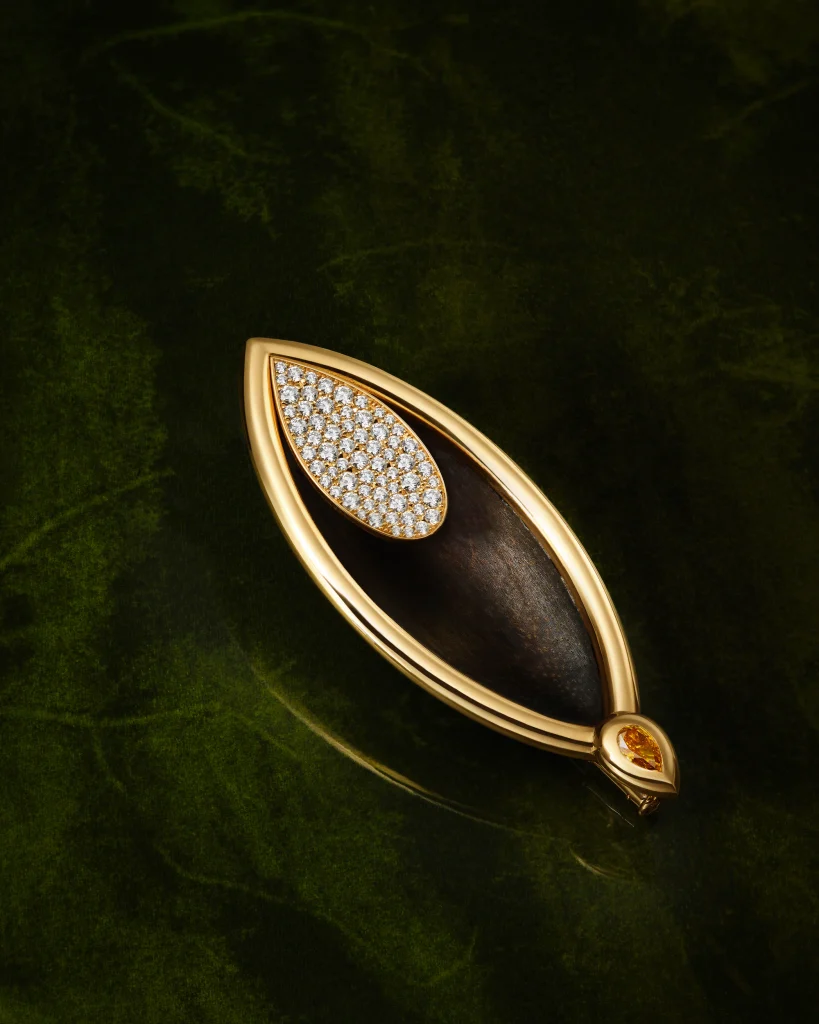
Materials matter as much as motif. Each piece is made in 18ct gold with responsibly sourced diamonds and precious stones, an approach rooted in the traceability lessons of her valuation years. Matturi sits on the board of the Responsible Jewellery Council, the body that sets sustainability standards for the international supply chain, and she engages directly with mining chief executives and managing directors on the ethics of the trade.
A changing trade for women
Where the gap remains
Matturi is candid about the industry that raised her. For years it was men who mined, polished, set, designed and sold jewellery, while women did most of the wearing. Whether in the manufacturing workshops of Gujarat or the ministries of diamond-producing nations, the rooms were largely male. She has watched women take the helm of major houses, control large marketing budgets and join the boards of mining companies, and she welcomes every step while insisting the gap is far from closed.
Her prescription is practical rather than rhetorical. Put women at the forefront of the industry rather than only its marketing, she argues, and invest in women-led start-ups so the next generation arrives with capital behind it. Barriers to entry in jewellery remain high, which makes deliberate backing of female founders all the more important to her.
Advice she passes on
To young women entering the creative industries she offers three instructions. Find a mentor who will give honest direction, so that the pitfalls of the trade need not be learned twice. Start small, because the journey is not a race. And refuse to wait for perfection, since a piece that is good enough can go to market and be built up afterwards.
Her own mother set the tone early, telling her daughters that whatever else they wore, their jewellery and their handbag always had to be on point. It is a fitting inheritance for a founder who left a secure career on the strength of conviction alone. A decade after every observer counselled against the move, Satta Matturi has returned to the same industry on her own terms, and her advice to the women following her is to learn the history and then write their own.