


The Soho House founder Nick Jones has opened his latest London venture, St Clement, a hotel near Temple with dimly lit bars, riverside sightlines and, unusually for the man who invented the modern members’ club, no membership required.
Since founding Soho House in 1995, Jones has built an empire of nearly 50 houses and more than 250,000 members worldwide, a success so complete that every other bar and restaurant opening in the capital now seems to market itself as an exclusive members’ club. Jones has said he is tired of the label, and St Clement is his answer: staff describe it as an inclusive space, open to guests rather than to a vetted list.
A restaurant first
The hotel’s restaurant, Cafe Clement, opened earlier this summer and has already won over critics and diners alike. Mains are priced around the 20 pound mark, a deliberate contrast with the surrounding hospitality market, and the room is dimly lit, intimate and, by common consent, persuasive enough to tempt even sworn hotel-restaurant sceptics.
The opening has fed talk that the venue could help bring late-night dining back to central London, a habit the capital has struggled to revive in recent years.

Between Claridge’s and Soho House
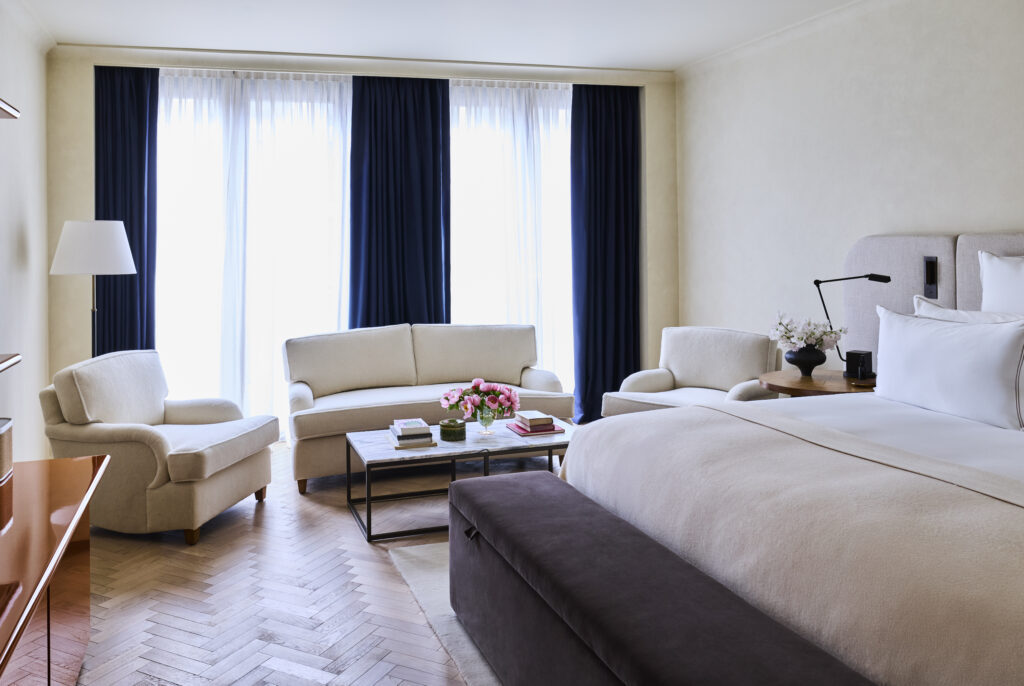
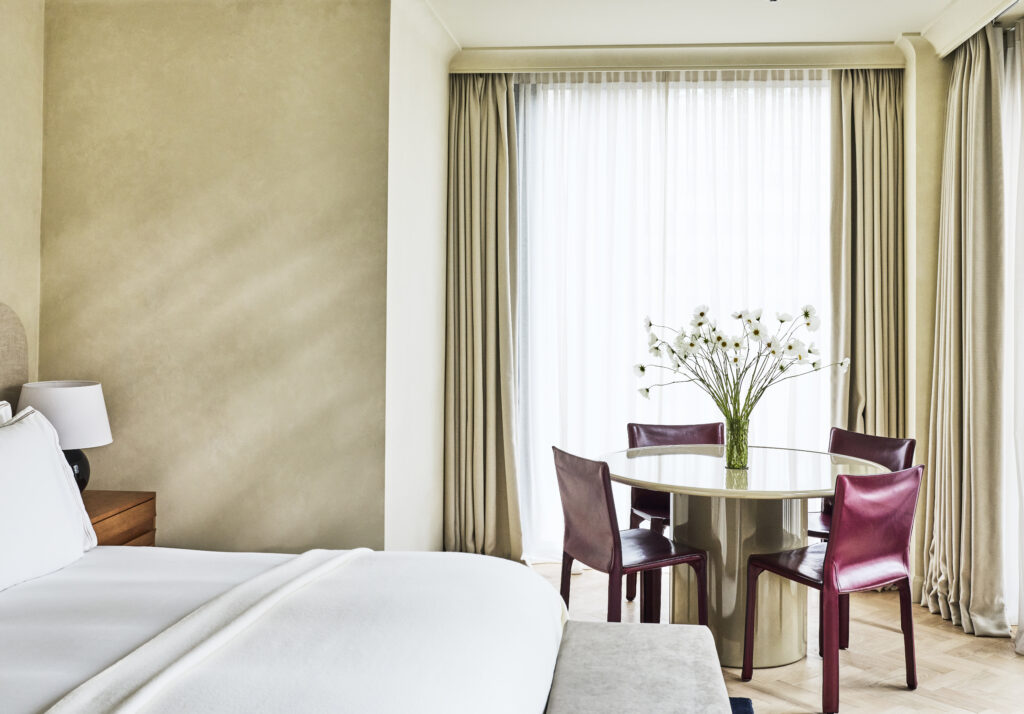
The brief for the hotel itself, Jones has explained, was to make it feel like Claridge’s and the Chiltern Firehouse while staying casual in the manner of Soho House. In design terms the result does precisely that: an interior that looks reassuringly expensive, reassuringly familiar for international visitors, and reassuringly individual for Londoners who distrust hotels that all look the same.
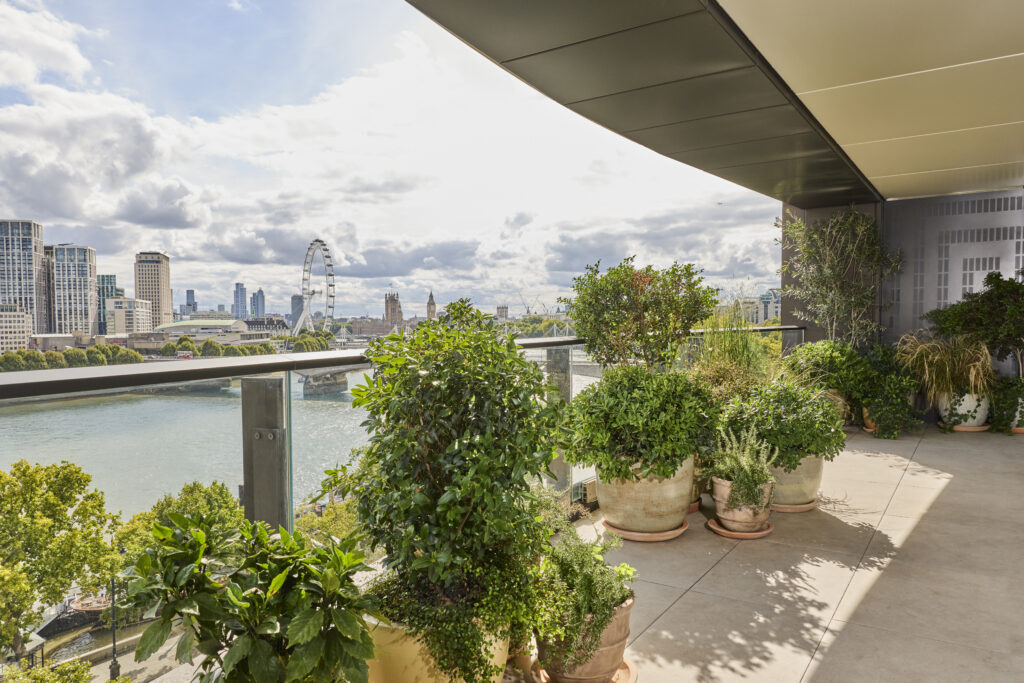
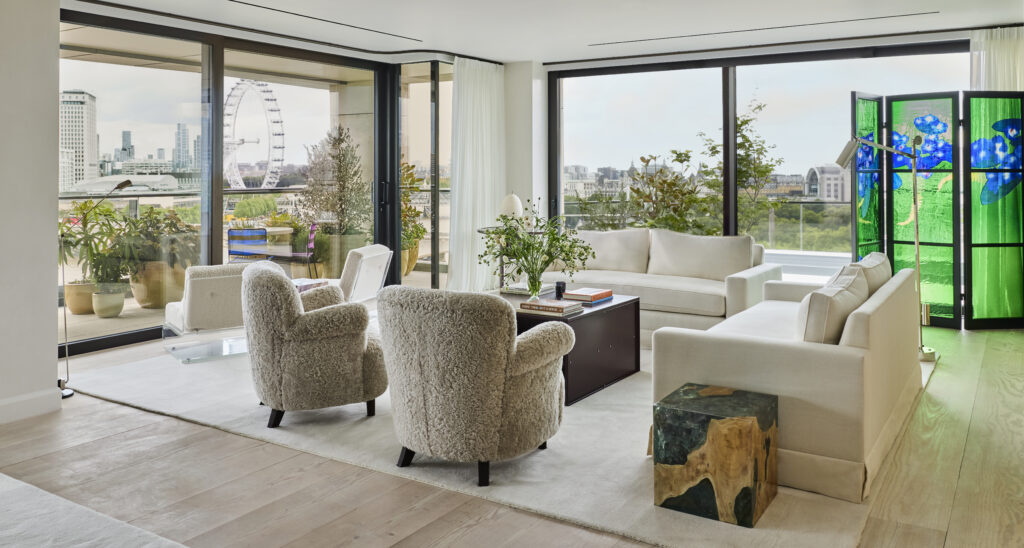
The building sits close to the Thames, with the river visible from new sightlines created across the ground floor, and the lobby hung with Andy Warhol polaroids among the design touches by Eagle + Hodges, the practice behind the fitout.
Why it matters for the capital
The opening lands at a moment when central London’s evening economy is looking for proof of life. High-profile launches that welcome walk-in trade rather than gating it behind membership are rare, and the pairing of a well-priced restaurant with a full hotel gives the venue a reason to draw visitors who might otherwise stay closer to the West End.
For Jones, whose members’ clubs require prospective joiners to be recommended by an existing member before they can even apply, the move is a deliberate inversion of the formula that made his name. Rather than exclusivity as the draw, the wager at St Clement is that good rooms, good food and a warm room are enough.
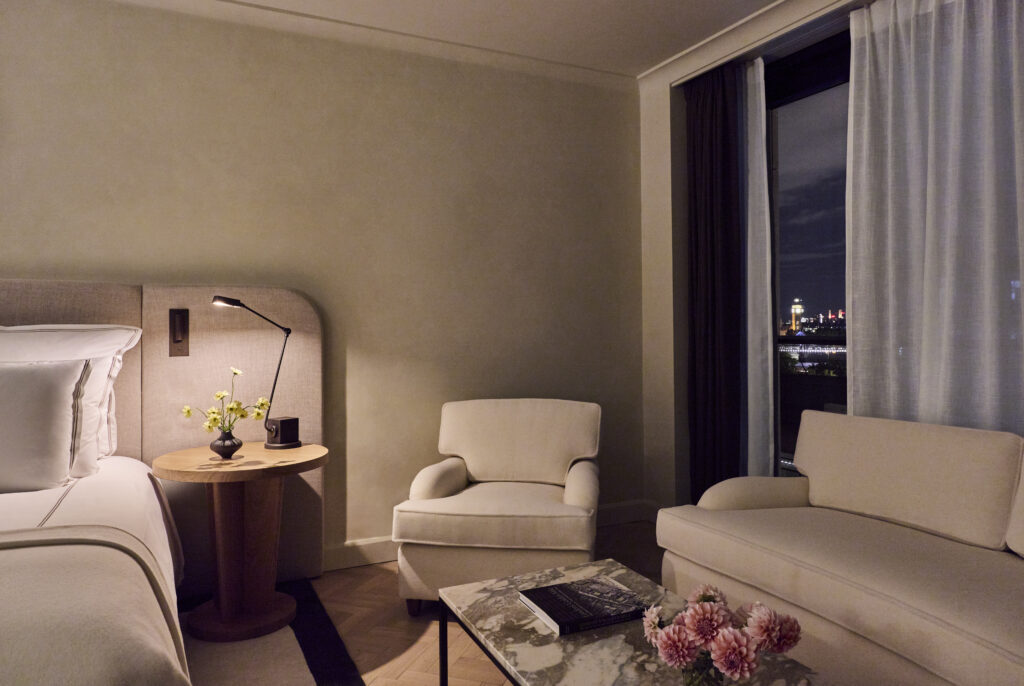
If Cafe Clement’s early reception is a guide, the gamble is already paying off, and the hotel may mark the point at which London’s hospitality boom rediscovers the virtue of simply letting people in.
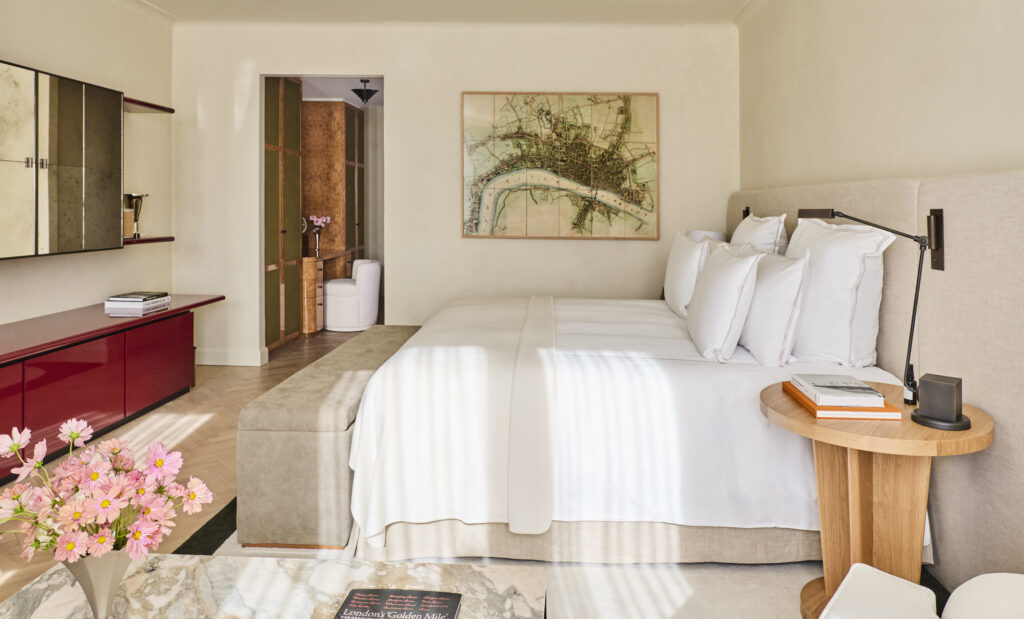
For London’s visitors, the arrival adds a distinctive option to a market that has leaned heavily on either heritage grandeur or design-led boutiques. St Clement sits deliberately between the two, borrowing the polish of the great hotels and the sociability of Jones’s clubs while dropping the velvet rope entirely. It is a formula the founder has spent three decades perfecting on the other side of the door, and its first test now begins on the Embankment, with the river running past a hotel that anyone, for once, is welcome to enter.