



Grip is the thing that stays with you. The acceleration is violent and expected; the cornering speed is neither. Four corners into a passenger lap of the Misano World Circuit Marco Simoncelli, strapped into an Artura beside a professional who has done this thousands of times, the brain simply refuses to accept the numbers it is being shown.
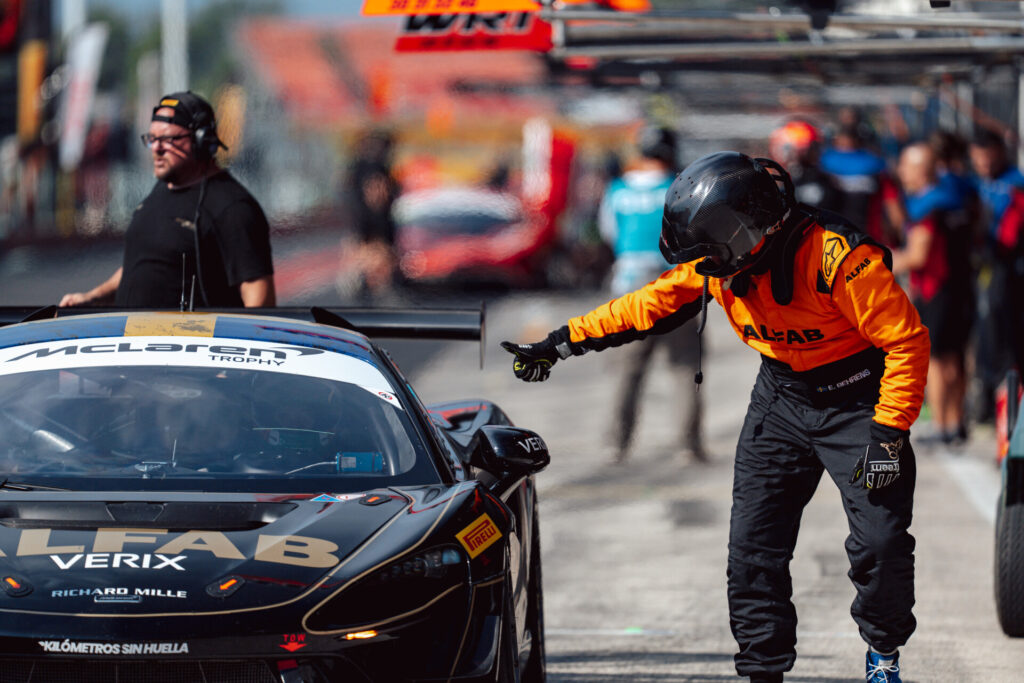
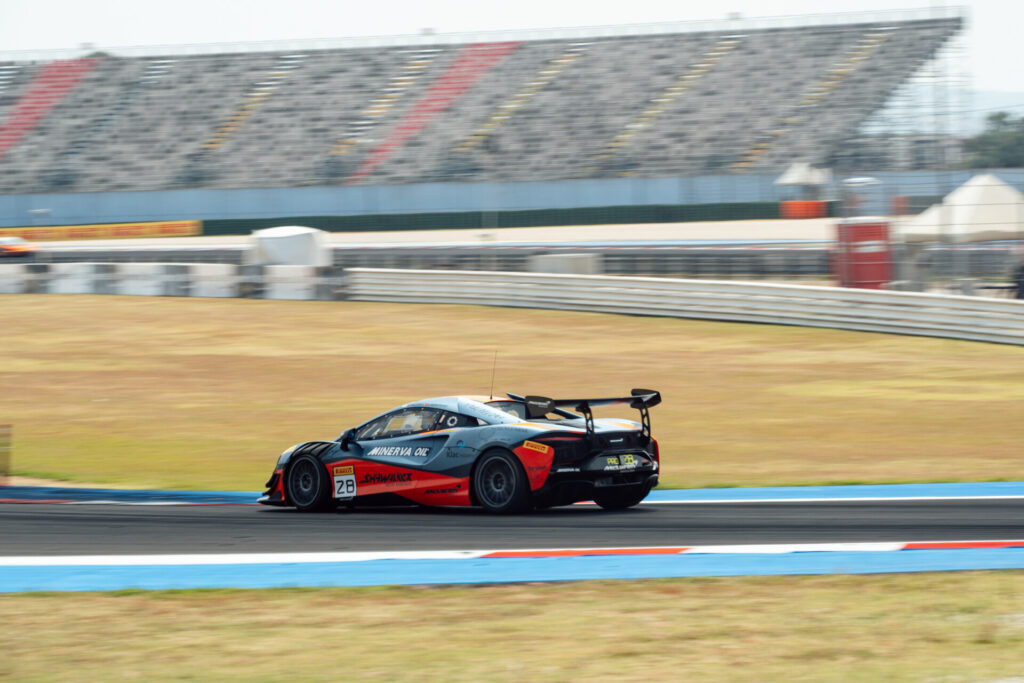
That single lap turned out to be a useful introduction to the whole proposition. McLaren Trophy Europe is a single-make championship in which every competitor drives the same Artura Trophy Evo, which removes the most convenient excuse in motorsport and leaves the driver holding the result. Ten races across five weekends, all supporting the GT World Challenge Europe powered by AWS, at circuits that need no introduction.
“This is an investment in lifestyle. It brings joy, brings energy, brings business. If you have fun, it’s the strongest force there is.”
Erik Behrens – Owner at ALFAB Racing

We joined the series at rounds five and six, the midpoint of the season, on Italy’s Adriatic coast around ninety minutes from Bologna. Over three days we spent time in the garages, in race control, on the grid and at the dinner table with the people who make the championship work. The picture that emerged is of a paddock that takes competition entirely seriously while going out of its way to make the door easy to find.
Arrival on the Adriatic
The weekend began at Manchester with a short flight to Bologna, where a driver was waiting at arrivals with our names on a board. The premium transfer provided runs east towards Rimini, and the hotel sat on the coast with a boardwalk running along the beach, all of which suggested a leisurely few days. The itinerary suggested something a little more intense.
A briefing over dinner set the tone. Practice, qualifying and two fifty-minute races, plus a GT World Challenge race on Saturday night and a supporting card in between, interviews with drivers, team owners, sponsors and support staff. Plus a hot lap in the McLaren Artura, a grid walk, pit stop experience, behind the scenes tour and more. condensed into roughly forty-eight hours. Anyone imagining a race weekend as a spectator sport with a glass in hand has misjudged the pace of it, and that is very much the point. It’s an experience, and adventure, and a lifestyle few get to experience.
A hot lap with a professional
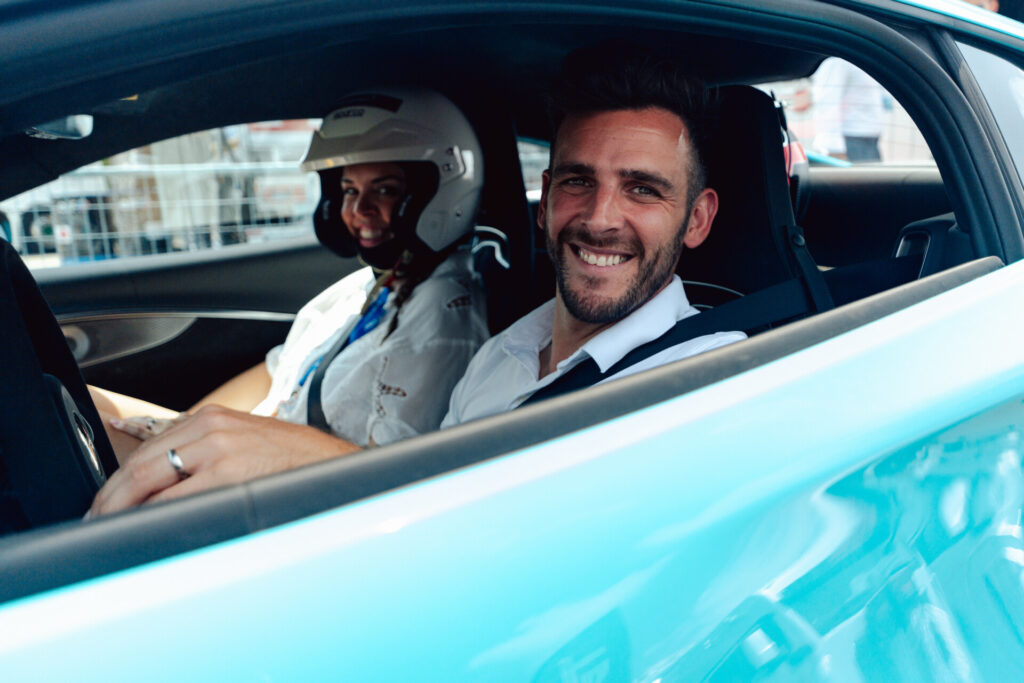
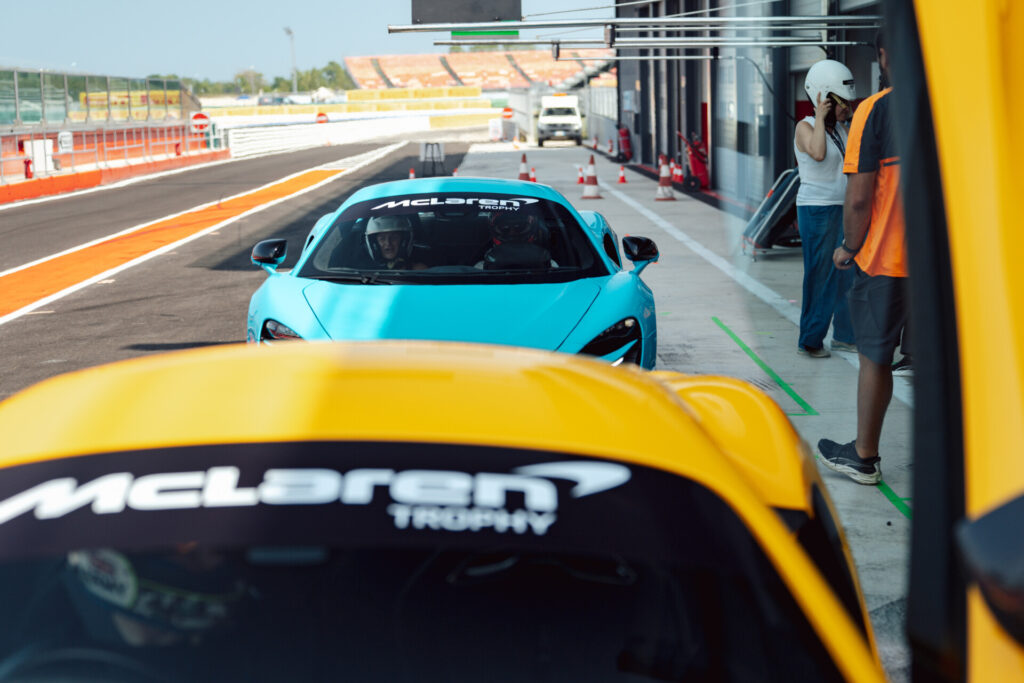
Helmets on, belts tightened, a waiver signed with the sort of wording that concentrates the mind, and we were away. Our driver was Brad Ellis, a Pure McLaren driving coach and a former British GT champion and international race winner, who used the session to give guests a proper demonstration of what the road car can do in trained and highly capable hands. The Artura felt as though it were running on rails, then, when he chose, the rear stepped out and the whole car rotated on the throttle with complete composure.
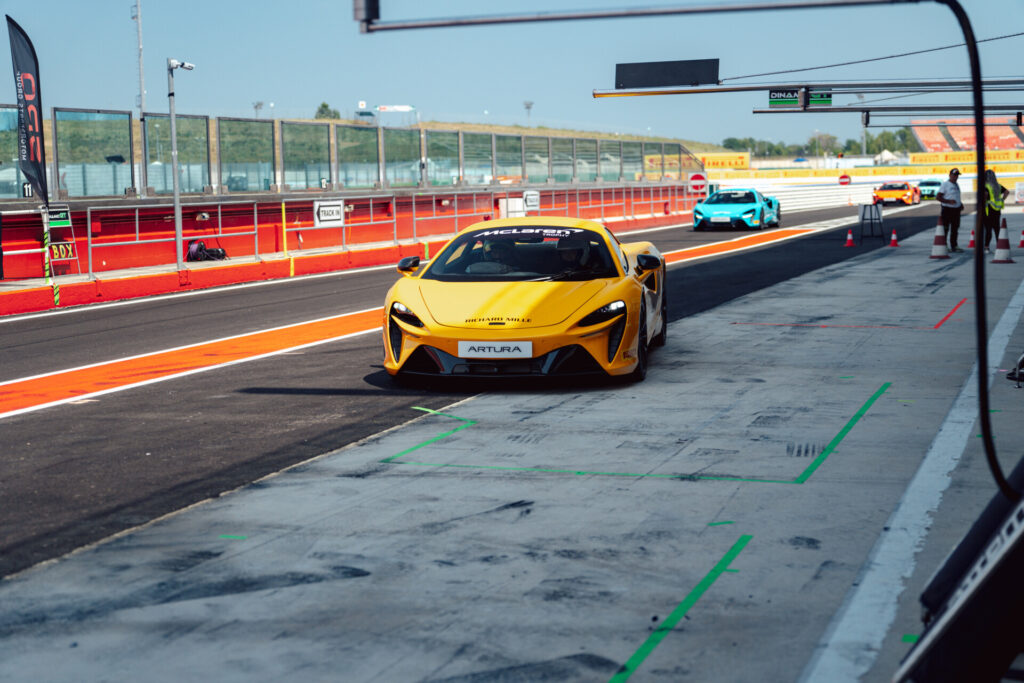
The car was poised and balanced, and only occasionally terrifying. One of our party was wearing an Oura ring, which recorded a heart rate of 125 beats per minute from the passenger seat, doing nothing whatsoever. We would recommend the experience without hesitation to anyone offered it. It’s an adrenaline rush, and hooks you instantly. This is what the fuss is all about.
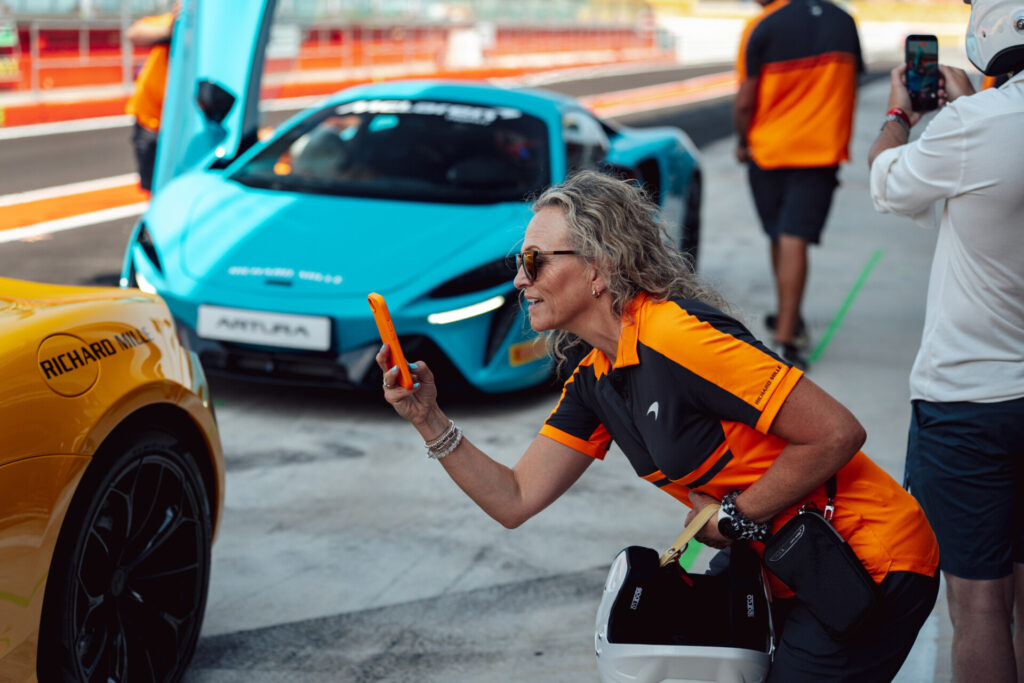
Coaching, he explained afterwards, begins and ends with the individual. “Everything’s tailored to the driver. A lot of the drivers will learn in a different way. They also have different time restraints,” he said, pointing out that some customers no longer work while others are raising families around a career. “So depending on their situation, depends on the programme we can build for them.”
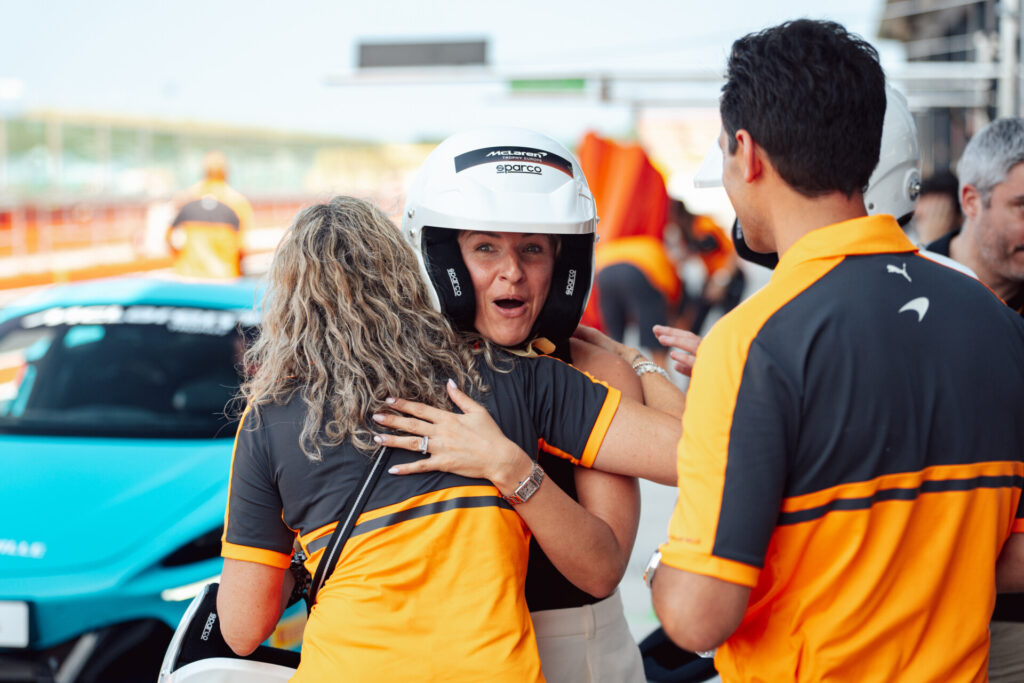
He is an advocate of the format for people with limited weeks to give. “For someone who hasn’t got huge amounts of time, this McLaren Trophy championship is perfect, because it’s only five race weekends, rather than some championships are now seven or eight race weekends.” Just as important, in his view, is the atmosphere. “The way the environment’s built here is quite relaxed and it’s a nice place to be and learn. It’s not that high pressure. It is built for new amateur drivers to come in and learn their trade.”
He has seen the ceiling raised further than most would think possible. One customer arrived having never driven on a circuit, joined the old Pure McLaren GT Series, worked with a coach who then took him into British GT and GT3, and inside five years qualified on pole at Le Mans. Expectation management, he argues, is the whole game. “If you’ve got a driver that wants to win, that hasn’t got the time or the ability to be dedicated to win, then whoever’s looking after them needs to set the expectations right, for them to make sure their journey’s correct.”
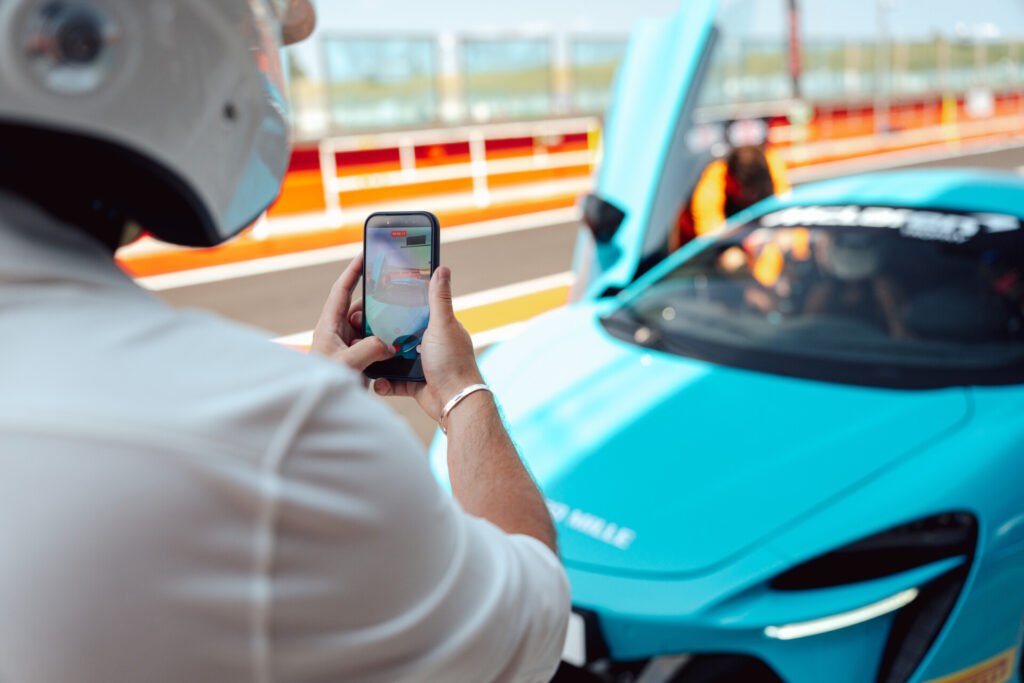
He also rates the manufacturer support as the thing that flattens the field. “They’re not just there with spare parts. There’s support engineers and technicians that follow the championship. Some of the smaller teams, when you watch the performance they have out on track, you wouldn’t say they’re a smaller, lower budget team, because the support network that’s around the whole infrastructure is there to help everybody.” His summary of McLaren’s role was blunt: “The championship wouldn’t be what it is without that support.”
One car, three classes and a level field
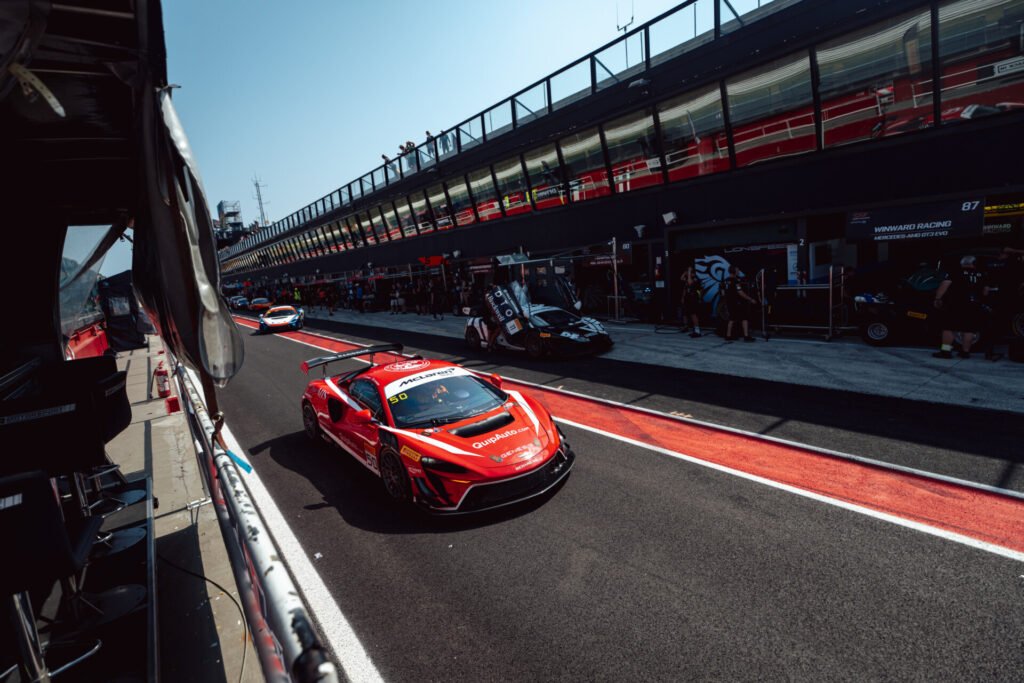
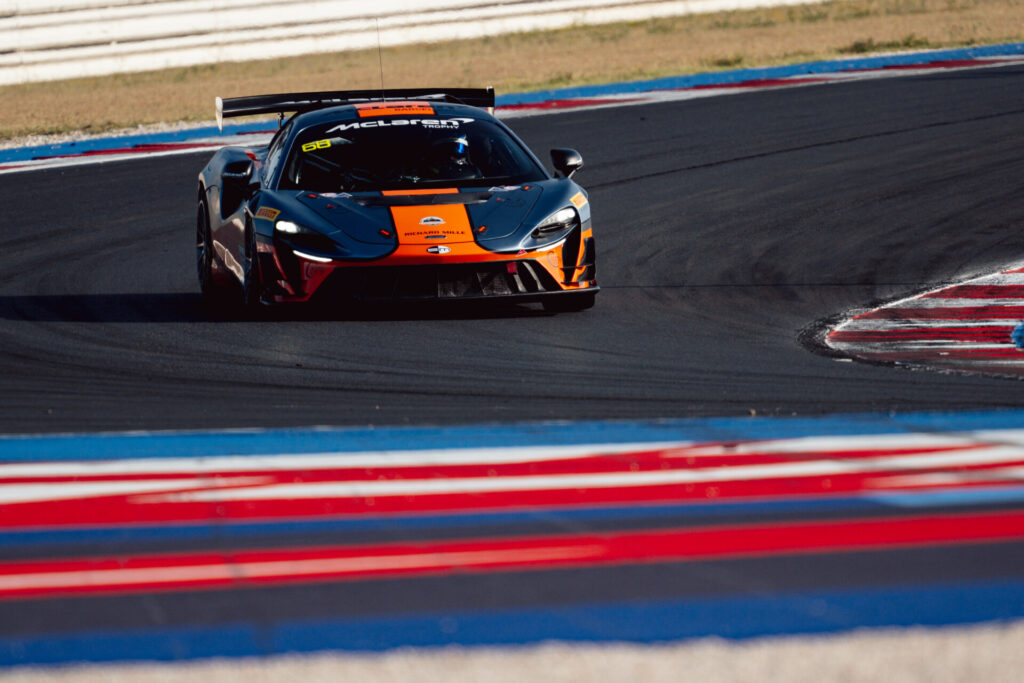
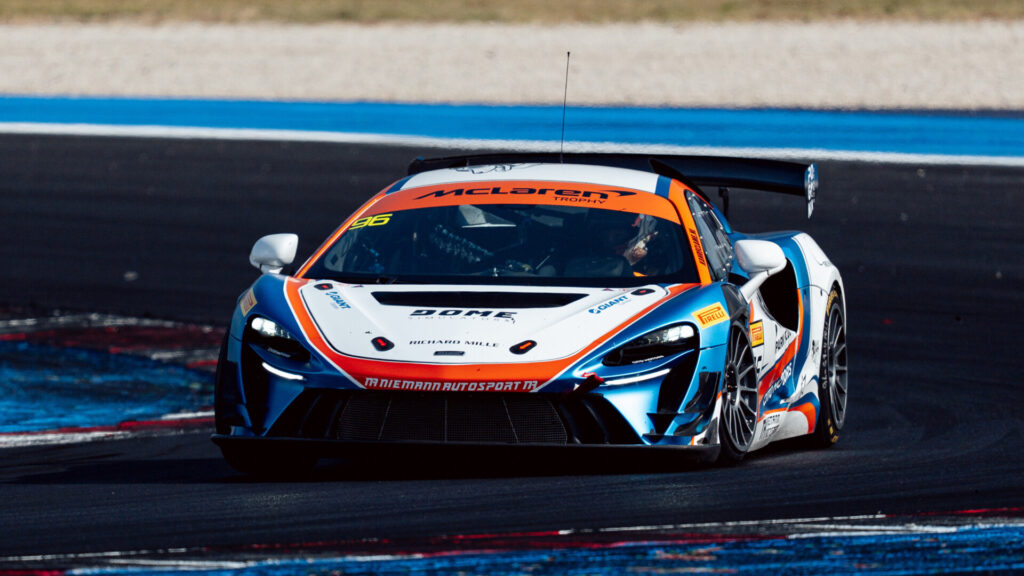
The Artura Trophy Evo produces 585PS, with a Push-to-Pass function lifting output to 620PS for a total of 300 seconds per race. Wider tyres, revised suspension uprights, upgraded anti-roll bars and a considerable aerodynamic package allow it to lap within a few seconds of a GT3 car. Push-to-Pass is deployed strategically rather than casually, which turns overtaking and defending into a running calculation.
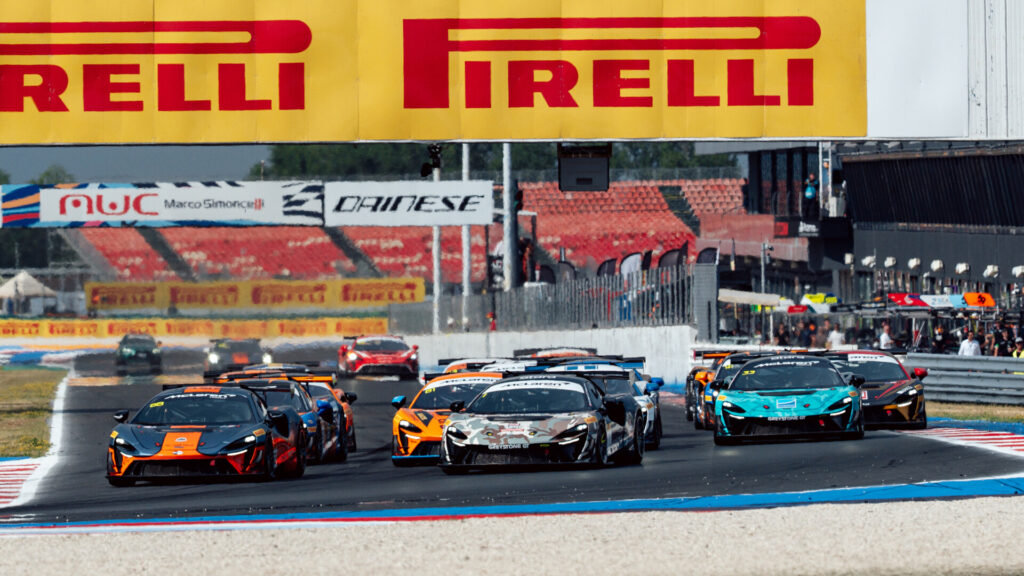
Races last fifty minutes with a mandatory pit stop between the twentieth and thirtieth minute for a driver change, and no refuelling or tyre work. Competitors run in Pro, Pro-Am and Am classes, with the Papaya Cup recognising gentleman drivers over sixty or with limited race experience. Drivers get just under five hours of track time across the weekend, which is a generous figure by the standards of the category.
The view from McLaren Motorsport
Giorgio Sanna, Head of Motorsport at McLaren Automotive, joined the company in 2025 after establishing Lamborghini Squadra Corse, and he places the McLaren Trophy at the centre of the customer racing strategy rather than at its edge. “The McLaren Trophy is the base of our strategy in customer racing,” he told us. “It’s a solid base, because it’s where everything begins. It’s also an opportunity to export the McLaren DNA, the sporting side, the racing DNA around the world.”
The European series now sits alongside a growing American championship, with Asia Pacific under active consideration and Japan identified as the priority market. Le Mans arrives as a supporting event in 2027, and he is excited about what that means for the amateurs. “To drive at Le Mans, if you are doing the 24 hours, the race costs a million minimum with a GT car, and to enter you need to do the World Championship. We will give the opportunity to all the young drivers and gentleman drivers of the McLaren Trophy to drive on the Le Mans track, that is a 14-kilometre track. This is a unique experience that comes once in a lifetime.”
He is direct about what separates a single-make series from multi-brand GT racing. “In a GT4 championship, where you compete against other brands, there’s balance of performance, where maybe someone has decided for the technical regulation that the McLaren needs 100 horsepower less because it must compete with a BMW. Here, you can compete at the same level with the same car, and they enjoy the car at its maximum capability.” The real differentiator, though, is what surrounds the car. “It’s also the services that we provide. They have technical support with our technicians supporting the customer teams for any kind of problem, because there are professional teams, and there are teams that are managed by families. And we are here to help all of them. We travel with three trucks full of spare parts. If you have any kind of problem, you can buy anything directly at the track. That’s something not everybody provides.”
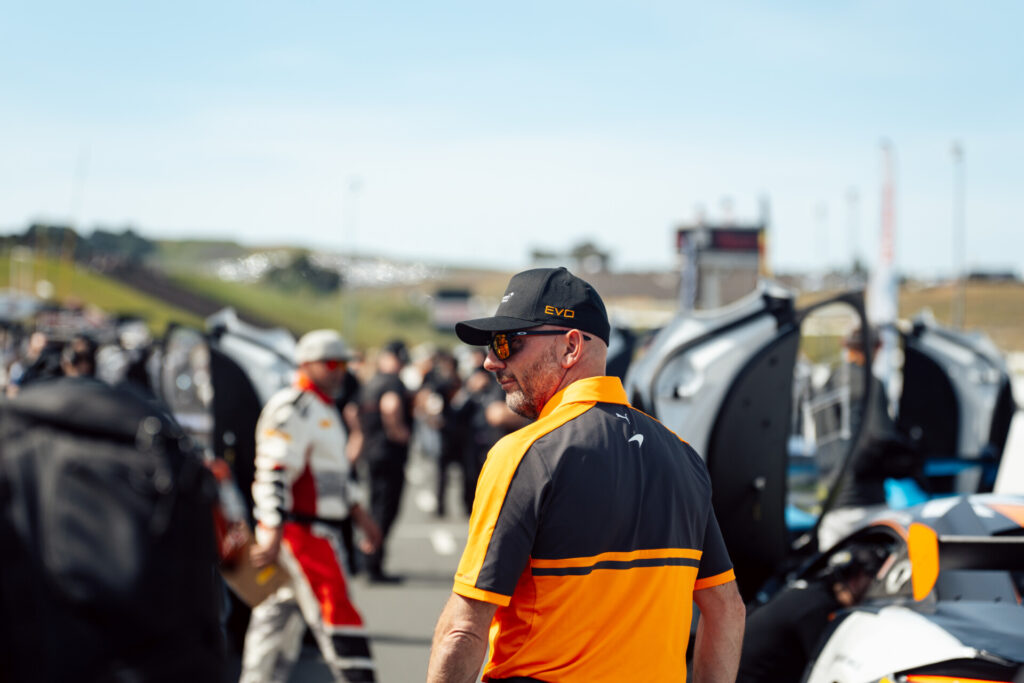
His view of the amateur or ‘gentleman’ drivers who race with him is the part we keep returning to. “You have to respect the fact that they are challenging themselves, and you have to remind them that they are already a hero, because they are challenging themselves. Most of these businessmen have spent an entire life to become who they are in their business, and they made sacrifices to do that. Maybe they were already passionate about motorsport, but in the last twenty years they didn’t have the time to enjoy it, even if they had the money. So at a certain moment, they decide, okay, now is the time.”
It leads him to a definition of the brand that is hard to improve on. “Brands like McLaren are not only selling road cars, they are also selling dreams. And the dream can be to do one lap as a passenger, to buy a T-shirt, to visit the garage, or to become a race driver. We are not only making cars for billionaires or millionaires. We also sell the dream – in a positive way.”
From road car keys to a race licence
Darioush Gheissari manages McLaren’s one-make racing programmes and has led the championship’s growth across Europe and North America. Ask him how accessible the sport is and the answer arrives before the question has finished. “Hugely accessible. I always say it’s almost like an untold story, whereby I think 99 per cent of the population, you say motorsport and they think Formula 1, you say racing driver and they think Lando Norris, and they think the only way you can become a racing driver is if you go karting from the age of three. Whereas actually, anyone can be a racing driver. If you’ve got the passion and the determination, genuinely, anyone can race.” The grid backs him up: the youngest competitor is sixteen, the oldest seventy-five.
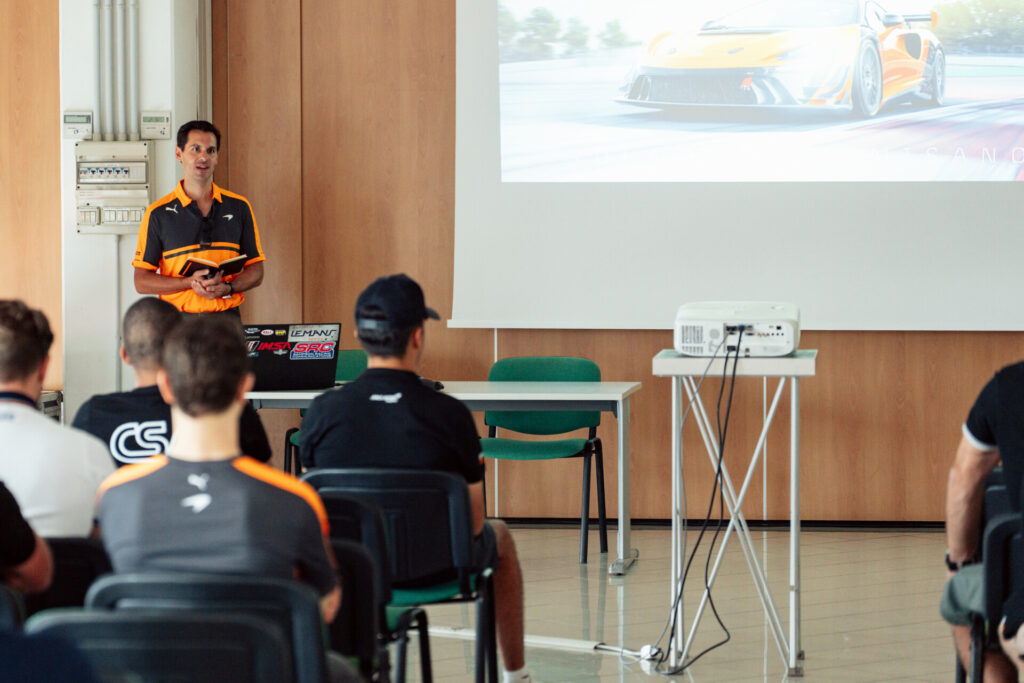
The route in is more ordinary than most people assume. “A lot of my customers will join us on track days, realise they’ve got a bit of talent, and most of all enjoyment and passion for exploiting the abilities of their car. A lot of the time they will work with McLaren driver coaches they meet on a track day. Then maybe step up to driving a racing car on track, still in track day conditions. And then the first stage is eventually to get your race licence.”
That licence is less daunting than the phrase suggests. “It’s super easy to get your initial licence. It’s effectively like a driving test where you have your theory element, make sure you know what a yellow flag is, the basics of racing, and that you can drive consistently and safely. That gets you your national licence. Then you get a bit of experience, you get ten race weekends’ worth of experience, and you get your international C licence and then you can race pretty much anything, anywhere in the world.” Timescale? “If you’re really determined, you can probably do it in six months. For most, it will take probably about a year.” He would rather people took the slower road. “We’d much rather drivers go at their own pace and just build up that confidence, because ultimately we want them to enjoy themselves.”
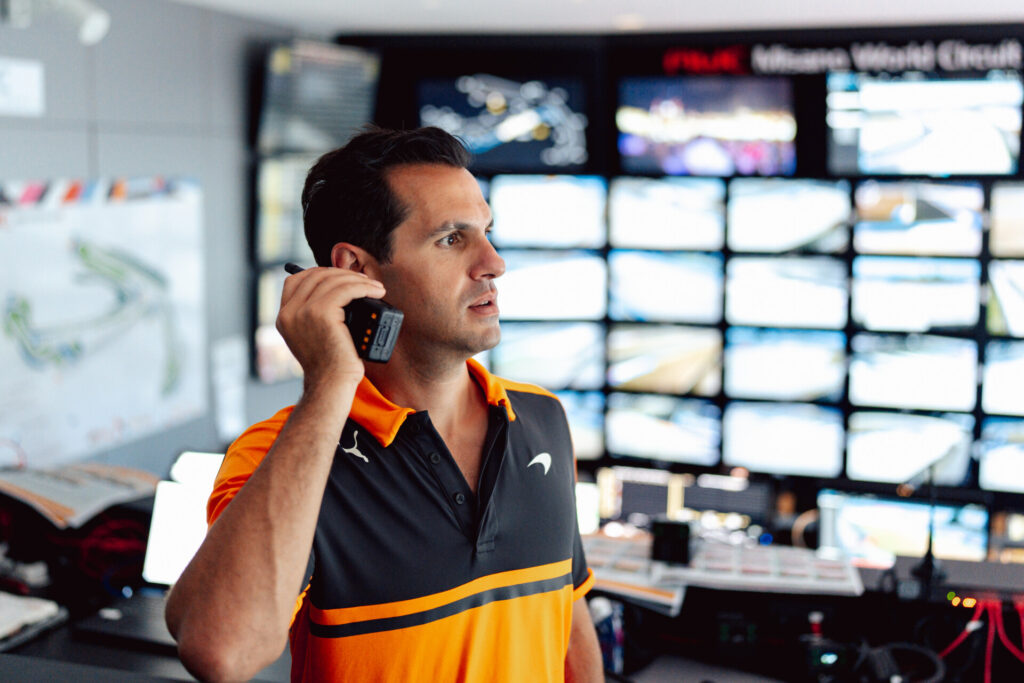
Most customers don’t jump straight into buying a team. “It’s very rare that a driver will become a team owner. For most of our drivers, particularly our amateur drivers, ultimately their focus is on being a driver.” The common arrangement is what he calls an ‘arrive-and-drive package’. “The team will look after the racing car, they will maintain it, transport it to the racetrack. So the driver only needs to fly in on the Thursday, and their car is there waiting for them with their team of engineers, potentially a driver coach, and their teammate there. They do the track walk and then that’s it. They’re pretty much looked after the whole weekend.” An alternative to buying in as a driver, is to buy the car outright and entrust it to a team, which tends to suit drivers who want to test heavily outside the calendar. The options are almost limitless to suit every need.
His framing of the relationship matters to him a great deal. “Our drivers don’t race a McLaren, they race with McLaren. I think that’s a really important distinction. They’re racing a McLaren on track, they’re in the McLaren race overalls, they are representing us. They are McLaren racing drivers.” Around two hundred people travel the calendar together, families included, and he is convinced the social side has a competitive dividend. “If you’re going wheel to wheel with a stranger, you may race them a certain style. If you’re going wheel to wheel with your friend who you’re going to have lunch with, you give each other a bit more racing room, a little bit more respect. It just translates into better racing.”
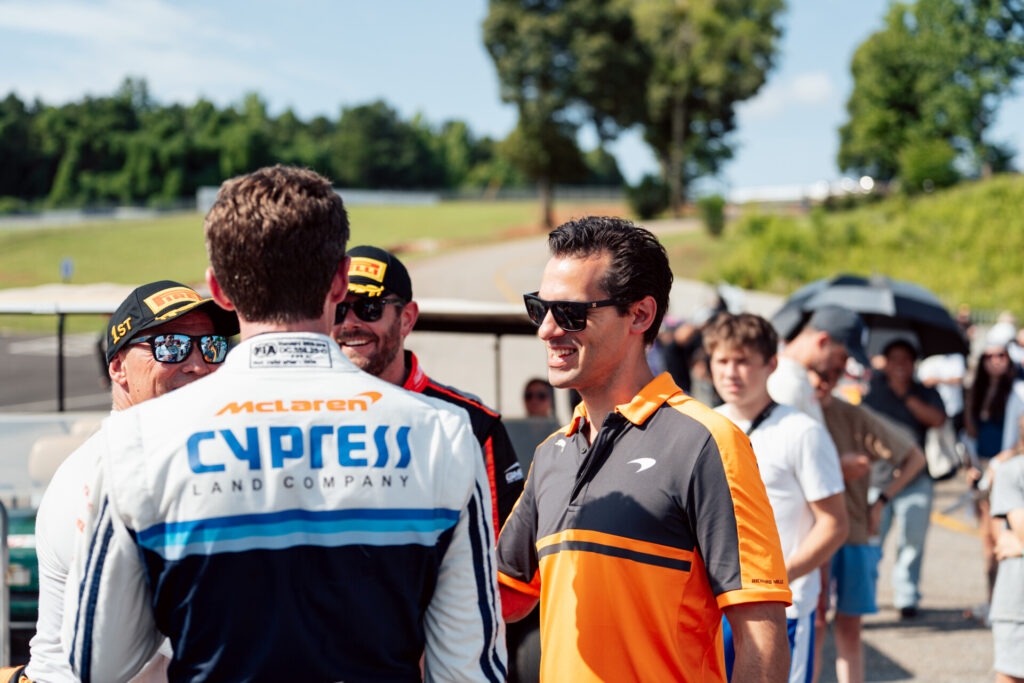
He is also alert to what the championship does for people who spend their working lives in charge of things. “These are usually really successful businessmen or women in very high pressure jobs. They come here on the weekend and they can turn their work phone off, and then they’re just a driver. They’re not a CEO of anything. They’re completely equal to everyone else. It’s just them versus the stopwatch, them versus the other drivers. It’s a wonderful equaliser. Whoever’s fastest out on track earns the respect.”
And he understands the nerves. “It can be quite an intimidating thing for your first race ever. Effectively you’re putting your ego on the line, there’s always that fear of what if I am the slowest. But it’s such a welcoming community, particularly amongst the amateurs. They’re so encouraging of each other. They want people to go racing with them, so they will always welcome each other in, they always give each other tips, and they kind of help to grow together.”
Life inside a customer team
Martin Plowman took the ownership route himself, and he is the best possible witness to what it involves. Thirty years as a professional driver, an FIA World Endurance title and a Le Mans class win behind him, he founded Paddock Motorsport and now runs the team as Team Principal while still racing. “After thirty years as a professional driver, the venture into running a team, it was always an ambition of mine to one day make that transition into business,” he said. “It was probably a bigger step than I anticipated. Like most start-up businesses, there were plenty of headaches and challenges along the way.” Three years of hard graft got the foundations solid enough to build on and attract the calibre of driver, sponsors and support staff that the team runs today.
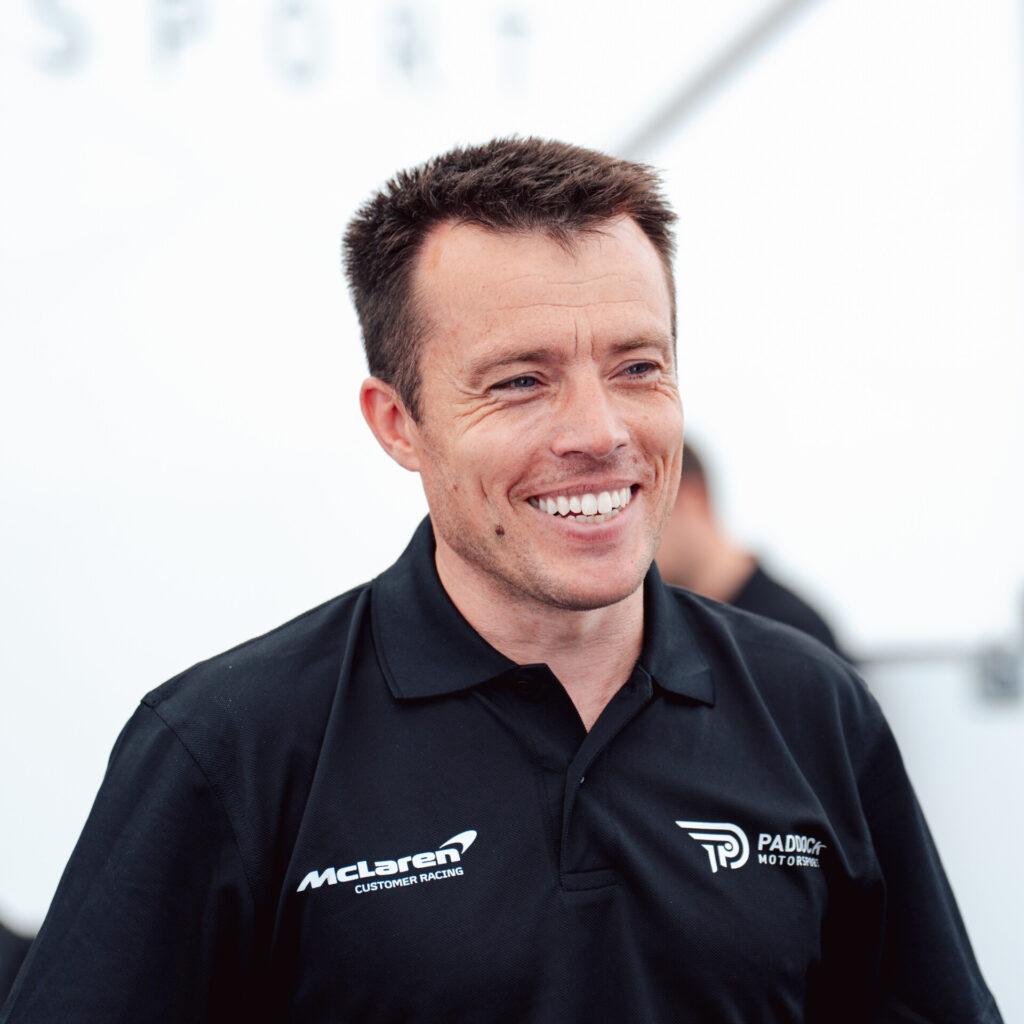
He is candid that ownership is a passion project before it is a commercial one. “Motorsport, you naturally have to run it like a business or else you don’t survive. But at the same time, it’s very performance driven and a lot of decisions are performance related. Many times it may not be in the budget, but it’s for the best of the performance, and you have to always lead with what’s best for the team rather than the bottom line.” His verdict on the model was delivered with a grin: “Running a race team as a business model, I would highly avoid. It’s certainly a passion project.” Making it work commercially, he says, means building track days, test days and corporate work around the racing, “because when you go racing, profit probably goes out the window.”
He gave us a live example on the day. A car sitting comfortably within its maintenance schedule had shown something the team disliked in the rear brake callipers, so both were being replaced as a precaution, hours before the race and nowhere in the budget. The figure he quoted was the sort of number that would give a finance director pause. “That’s not in the budget, but we’ve got to do it. We will fit and replace, and then worry about the cost later.”
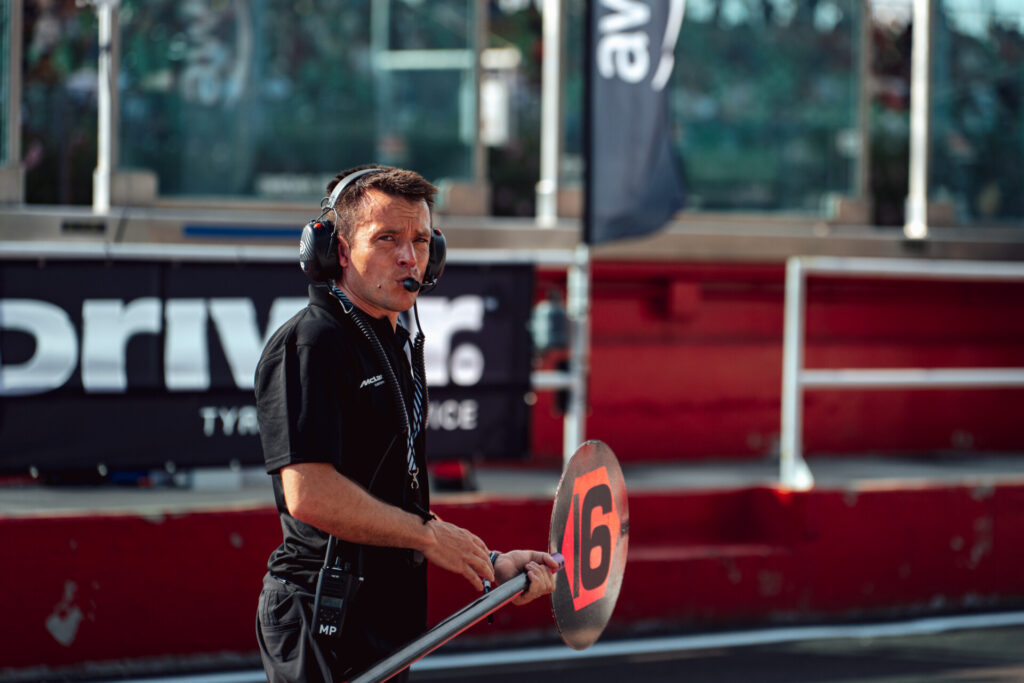
Safety is the reason he is so unsentimental about it. “We’ve got some very high net worth individuals who race these cars, and the last thing you want to do is hurt them or put them in hospital. That’s what keeps me up at night.” He is equally clear-eyed about the sport itself. “This is not like football or golf, where the physical risk is low. It doesn’t matter if you’re a professional or amateur, you have to still take it very seriously.”
What drivers gain from him is not just the good days, but the bad ones too. “Having raced thirty years, what I can bring is thirty years of how not to do it. Learning from my mistakes, whether that’s career choices, or situational things on the circuit, will pay bigger dividends than the things that I’ve done well. Because one mistake in this car will set you back a serious amount of money if you get it wrong. If I can just pass on that little bit of knowledge that will prevent a crash, then we’re helping to speed up that learning curve.”
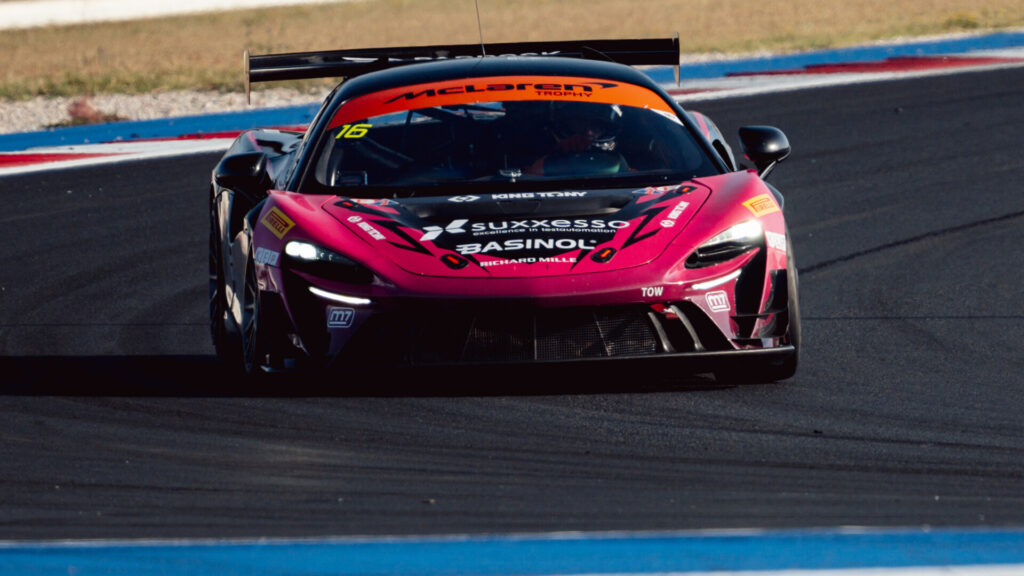
The running costs are, in his words, “a barrier to a lot of people”, which is why he is such an advocate of simulator work. “The quality of simulator software is getting very good. It’s very accurate. You can’t replace the real thing, but if you can invest that money into a very good simulator, just to get yourself to a level where when you do get into the car, you’re not learning the circuit, you’re fine tuning.”
He is refreshingly precise about talent, too. “From novice to two seconds, it’s methodical. I can give you the instructions of where to brake, how to brake, when to get on the throttle. But that final gap is purely down to feel.” Amateur drivers, he reckons, plateau around a second, “which equates to one tenth of a second per corner. It’s not that they’re doing anything wrong. They’re just three metres earlier on the brake, three metres later, and it’s a reaction thing, it’s a feeling thing.” From a standing start he puts the journey at three to five years depending on how much seat time you buy, and at Misano the gap between a world championship professional and one of his amateurs who only started racing six years ago was a little over a second.
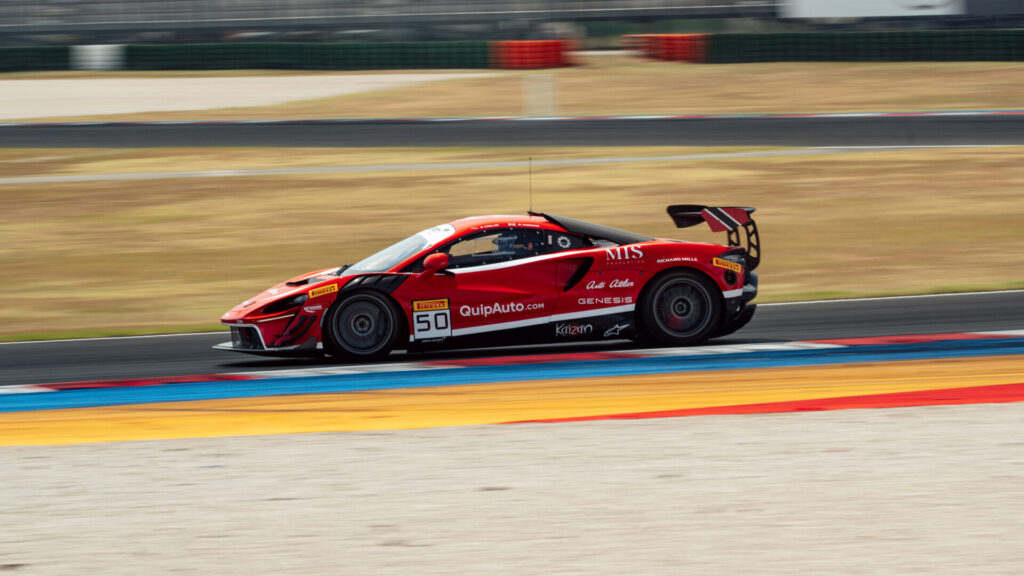
The physical demands, he argues, get badly underrated. “When you look at the physical demands, the force it takes to press the brake, even just to endure the temperature in the car, when it’s 40 degrees ambient, inside the car it’s 10 to 15 degrees hotter, and you’re in the car for over an hour at a time, so dehydration is a big factor.” Drivers average around 130 beats per minute for an entire race and can lose several kilos of body weight, which he counters by having them over-hydrate for weeks beforehand.
The engineer in your ear
Antonio Gonzalez, race engineer at SMC Motorsport, is the person a driver speaks to most across a weekend, and he describes the role with some affection. “Race engineers are a little bit like a psychologist. Sometimes you have to cheer drivers up. Sometimes you need to calm them down. Sometimes it doesn’t matter what you do.” The unwritten rules are short. “Short messages, precise messages, no BS, and get on with it. And the same for me. Don’t talk to me in the corners.”
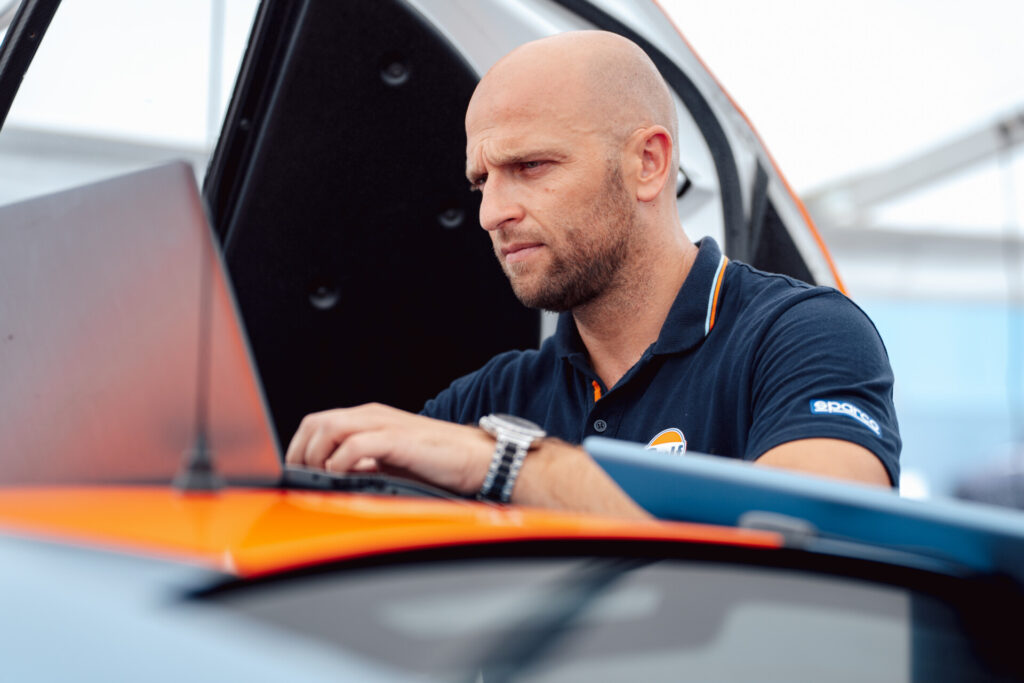
His preparation starts days early. “I started having a discussion with the team to understand which of the drivers drives each of the sessions, because you can swap.” Neither of his drivers had raced at Misano before, so he went into the team’s database for footage from a previous visit. “The car was not Evo yet, it was the original Trophy, so this car is much faster now, but at least for where to brake, where the racing line is, it’s fine for them.” Tyre allocation is tightly restricted across the weekend, so free practice becomes an exercise in economy, and after each session driver and engineer go through video and data together.
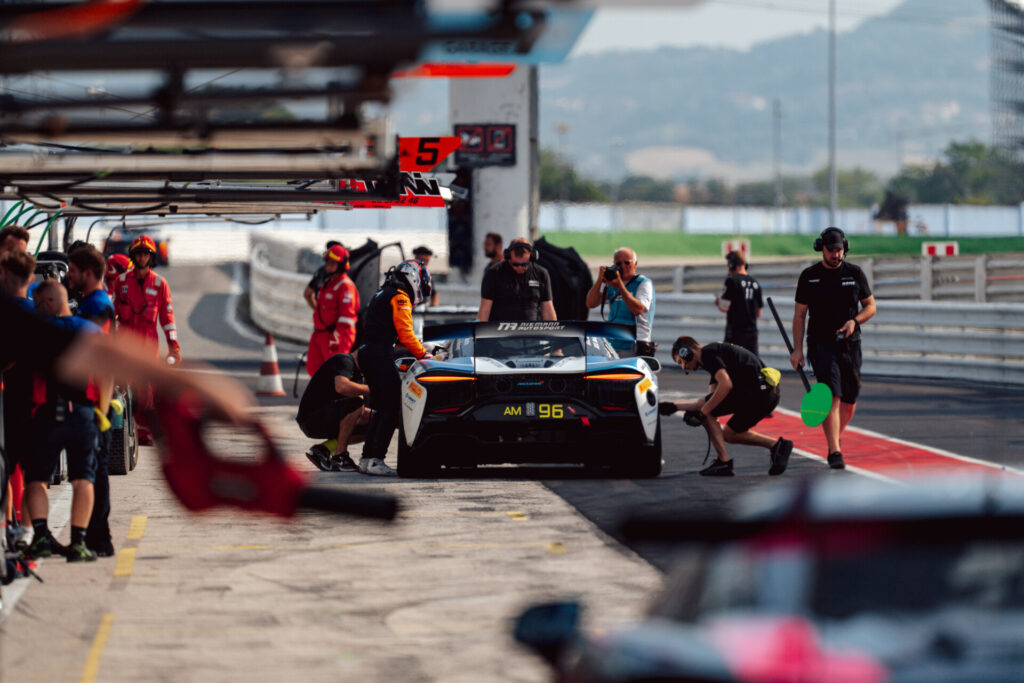
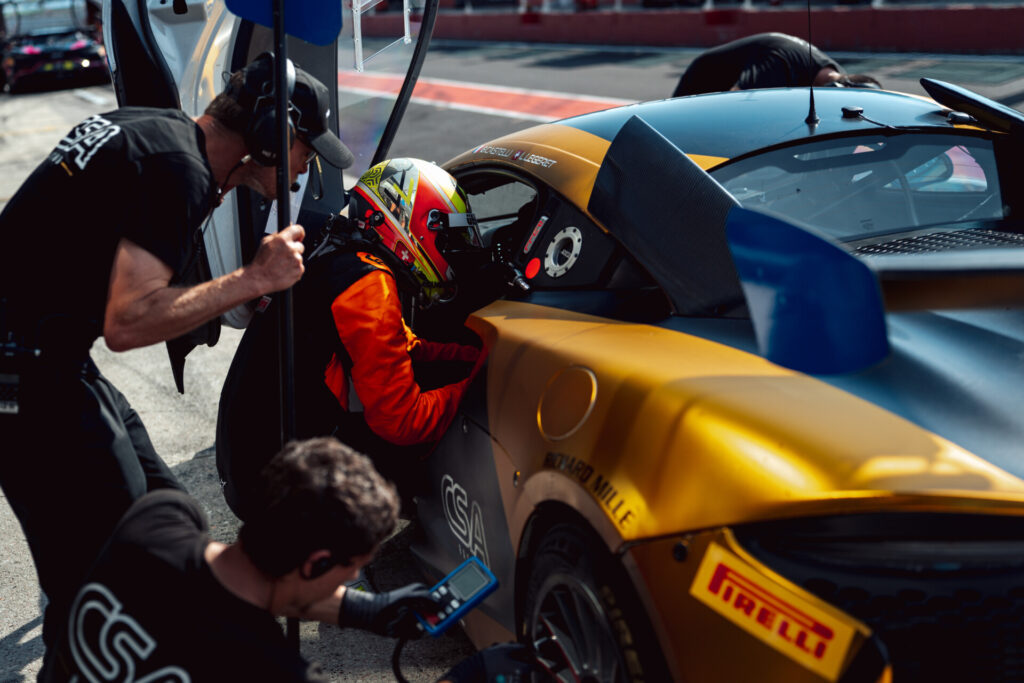
During the race Antonio supplies everything the cockpit cannot see. “They are sitting in the car, focused on the lap time, what’s going on with the drivers in front, trying to do the best pace possible. So you have to provide the data they don’t have. Where we are, how much is the gap to the car in front in tenths or seconds, who is coming behind, where are we in class, where are we overall, how many laps are left.” Then comes the pit window. “Remember the countdown for pit entry, remember to loosen your belts. Stationary time for this is about 60 seconds. So you need to drive around, drive in, get strapped, ready to go, in less than 60 seconds.”
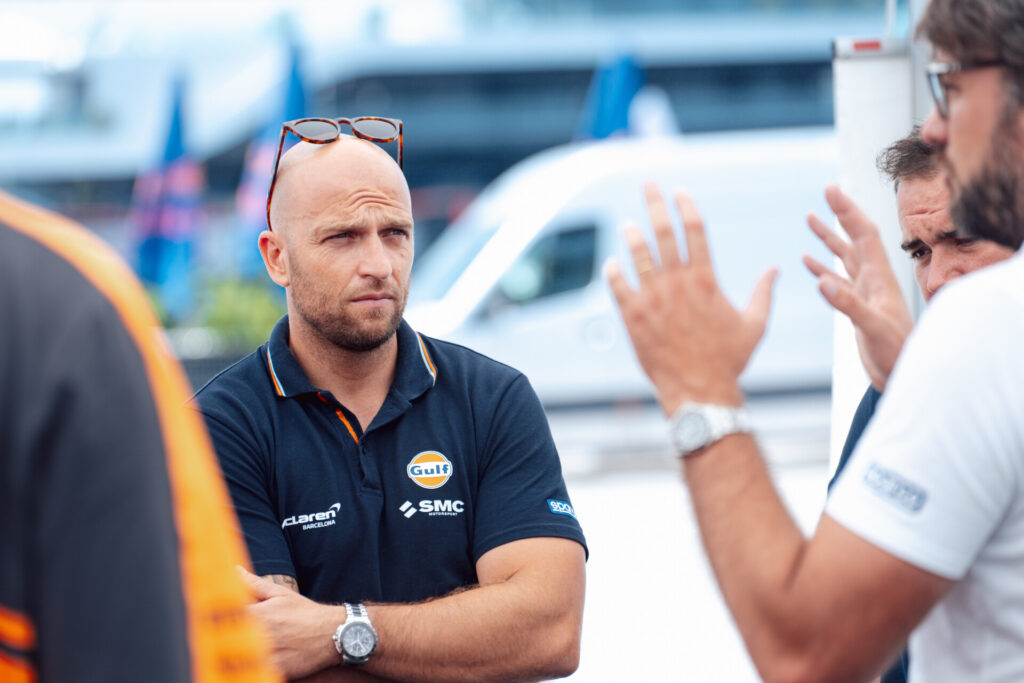
Setup is where the classes diverge. “An amateur will want the car a little bit more understeery, less twitchy in the back. Creating a setup for that amateur is not as aggressive as the one I would have on my car, because the car would be too edgy.” The objective, he says, is to move that target as the driver improves. “The goal is you have to keep the driver comfortable, but the fact he’s going fast. And those two things change during the development of those drivers, maybe during the same weekend, even.”
His satisfaction runs the opposite way to what you might expect. “With the Pros, we may be looking for two tenths all weekend. With a Pro-Am or with an Am, there’s lots more variables, and it’s more about the mental side of things.” He recalled a gentleman driver two seasons ago whose improvement across a campaign ended in podiums. “The satisfaction that you see on the ams is much bigger, because they don’t have fifteen years of racing behind them. These guys say, well, I improved two seconds from last time.”
He was equally matter of fact about accidents, which we had asked about with some trepidation. “In the grand scheme of things, question number one, and most important, is, is the driver okay?” After that it becomes process: stewards, recovery, permission to touch the car, data download, then repair. “From McLaren, there’s a truck full of parts. You can build more than one car with what they’ve got in this lorry, and that comes with every race series. Sometimes if there are lots of crashes, we can help each other between teams. It’s very, very rare that we cannot put the car back together in a race weekend.” The price is paid by the mechanics. “It quite likely requires the mechanics to work until late. Last one, we finished at 5am for then a 7am start the same day. But race teams always try to give the best for the drivers, because they are investing in this.”
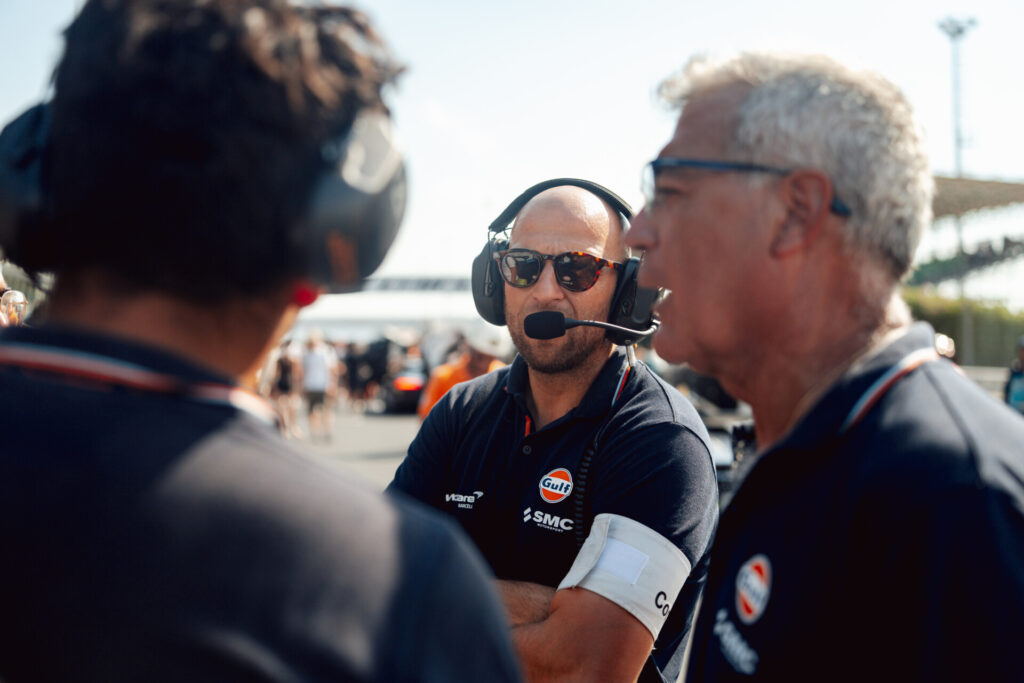
McLaren, he says, is present throughout. “The support is there. They can also compare the data of the car involved in the incident versus the rest of the data. There’s always constant contact on what is going on, what’s happened, what is the best way of solving that. And this applies not only in big accidents, it’s also when the car is not performing well. They are always available to help us.”
He also sees the series doing exactly what it was built to do. “There are examples on the series, like Tommy Pintos as a Pro, who has been here, shown himself to the world, and is developing his career. At the same time, there were amateurs that started in Am, they are now Pro, and probably trying to jump onto GT3s next year. If the drivers are committed, this is a really good way to continue going into more serious motorsport.” And for those who have no interest in progressing at all, he is just as enthusiastic. “There are guys over 60 years old, and they feel comfortable. They love it. They love the interaction. There used to be a guy that used to smoke cigars every weekend after driving. You can bring people to the hospitality.”
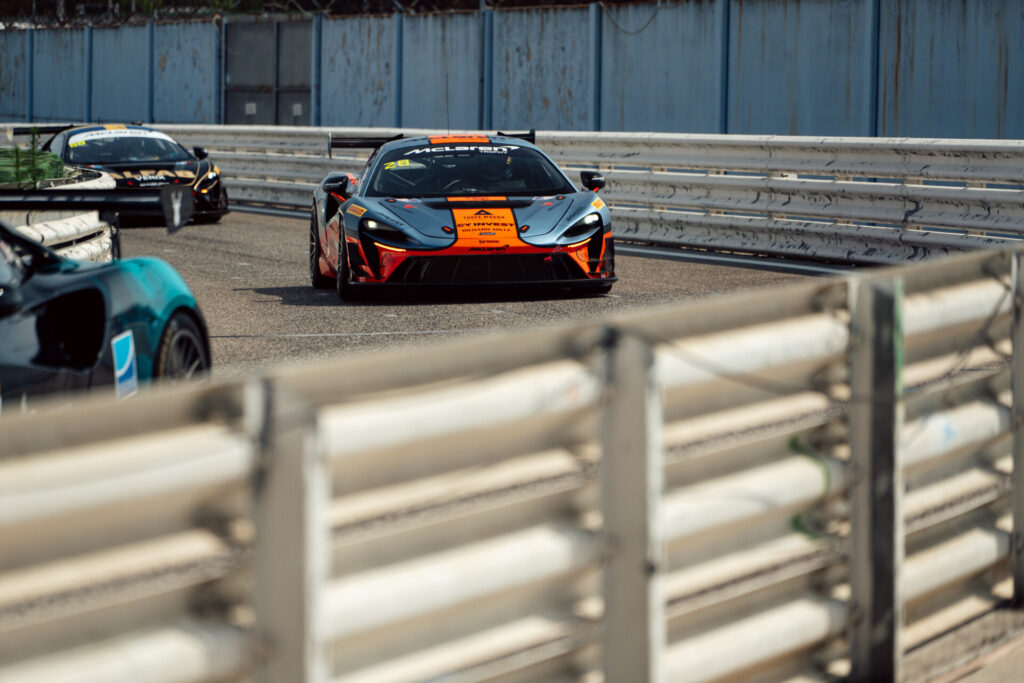
A Swedish family team with a business to run
Erik Behrens is Managing Director of ALFAB, one of Sweden’s leading heavy lifting and crane specialists, and he runs ALFAB Racing with two of his own employees as mechanics and his youngest daughter driving the truck and trailer between rounds. Given the choice between buying into an existing operation and building his own, he never really hesitated. “It’s just my philosophy about company, and it’s all about the team,” he said. “You see, I’m eating with my mechanics. For me, they are as important as the drivers, or the team owner. And the special thing with ALFAB is that it’s employees in the company, and it brings such a strong team spirit.”
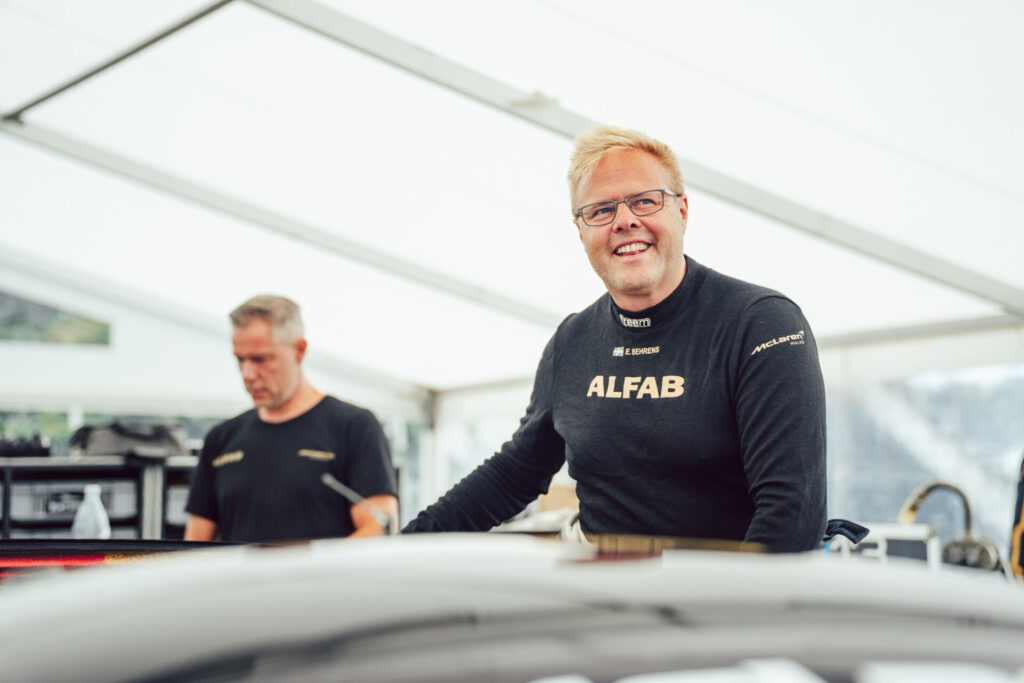
He is proof, and he knows it, that scale is not the entry requirement. “Look at us. Small Swedish team, and we are travelling around all of Europe. Like a family. You don’t need to be 40 persons, four cars.” The paddock, to his relief, has embraced the approach. “Some teams, they are 40 people, four cars, and for many people that’s scary. Then you think, okay, we need more people, we need to buy more cars. This is the perfect thing to show. They are two mechanics and a funny Swedish guy, and still on the track we are the guys to beat.”
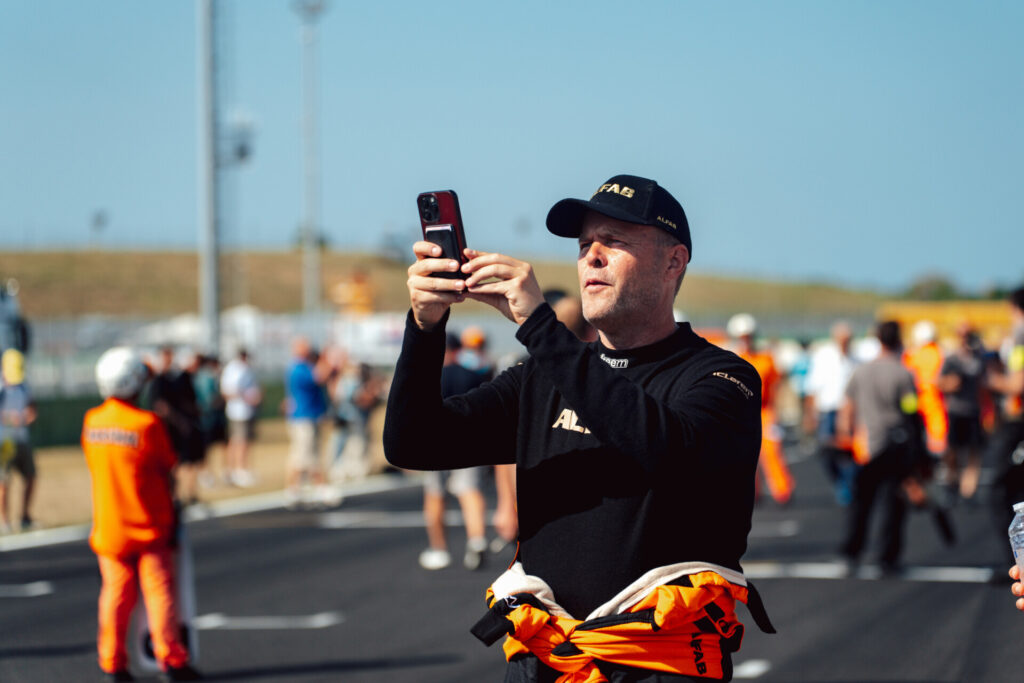
He came to the marque in 2017 with a 570S GT4 in Scandinavia, was encouraged into the Trophy series three seasons ago and now runs a full campaign alongside Alejandro Geppert, a Spanish professional in his early twenties, with McLaren Pro driver and motorsport commentator Joe Osborne coaching. The car wears black and gold in tribute to Ronnie Peterson, who reached Formula 1 from a background with no money at all, and the helmet has horns, because the paddock started calling him the Viking and he decided to lean into it. “When they come, they say, hey, the Viking, you’re here. So I bought a helmet with horns.”
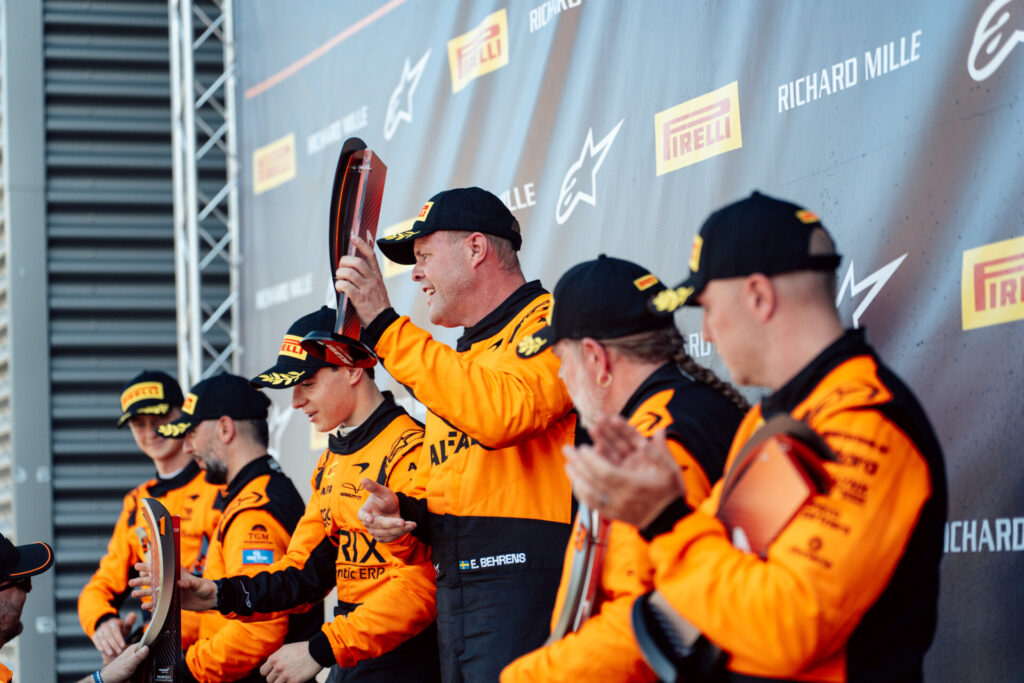
The hospitality, he insists, is not a garnish. “This is like the dream. You get food like a five-star hotel, you sit down, you watch the race, take a beer, or just take a coffee. It’s this package together.” The commercial return is real without being the reason he does it. “When I go around in Sweden, I speak with my customers, they ask me how is it going with the racing, and they follow. So it’s such a good thing for the business, we use it as a key for relations.” He explains that invitations are limited to preserve an intimate, VIP experience and that they rotate guests so different clients have the opportunity to attend. He also finds the paddock itself generates connections. “Many are motorsport interested. So it’s a perfect way of just a chit chat with guys.”
His own framing is the one we kept coming back to. “For me, this is an investment in lifestyle. It brings joy, brings energy, brings business. If you have fun, it’s the strongest force there is.” He runs the team the way he runs the company. “I took my business way of thinking into the racing. And it looks like it works.”
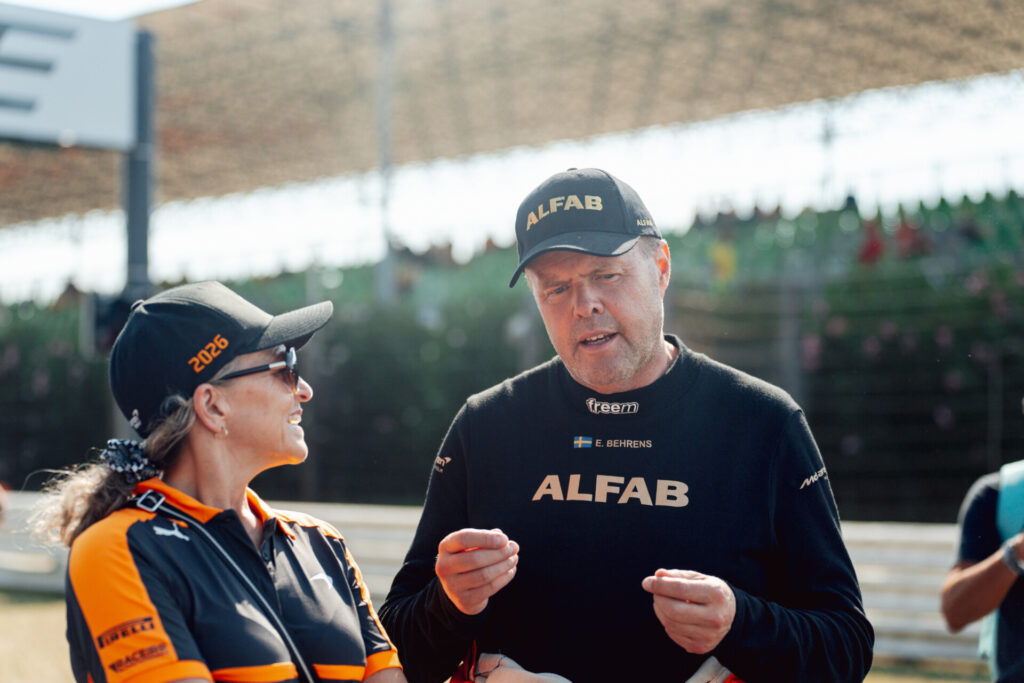
At fifty-two he is fitter than he has been in years. His father died of a heart attack at 65, which prompted a treadmill in the living room and 14,000 steps a day, up at six in the morning through Swedish winters until the neighbours declared him mad. It is not vanity: a fifty-minute stint in a cabin far hotter than the ambient air is a serious physical test. His description of it is the best we heard all weekend. “It’s like running slow, but you do it in a sauna. And it’s not just that you run. You try to do something that needs to be precise.”
The mental benefit, he reckons, is the underrated part. “After a race meeting, the brain is control-alt-delete. It’s like, boom, then shut down, and then it’s starting again. It gives you so much energy. So you find the solutions for the problems afterwards.” His ambition is refreshingly modest. “I’m 52, so for me McLaren Trophy is a really high level, but with the whole package, you have the hard and the joy. So we love being here, and we stay here as long as I can drive.”
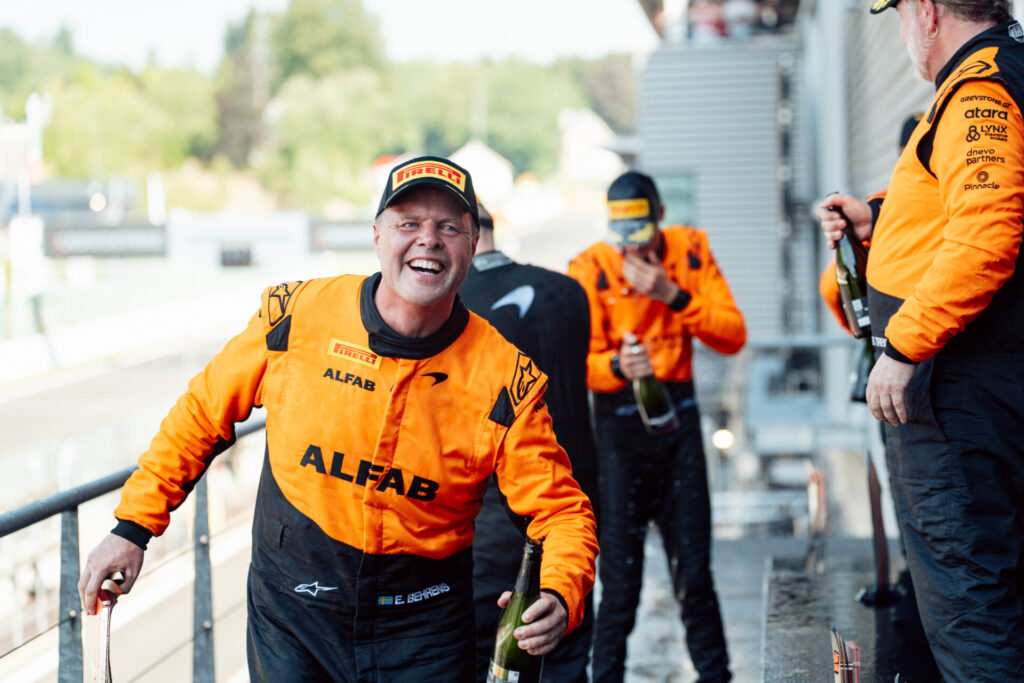
On the Sunday he collected no track limits warnings at all, which at this circuit was worth more than outright pace. He had been warned. “The safety guy came to me, he said, Erik, please be careful. I said, I’m fine, I understand.” He backed off, stayed clean, and watched rivals collect penalties. “In the end, all the others, they had limits warnings, and they made stupid things. So after everything, we’re back on total.”
A professional’s perspective
Dimitris Papanastasiou learned car control on Greek gravel roads at the age of ten, taught by an uncle who kept telling him to go faster, and discovered circuit racing while studying in the United Kingdom. He now races in the Pro-Am class, coaches in Greece and is building a small academy at home to get more Greek drivers into European competition.
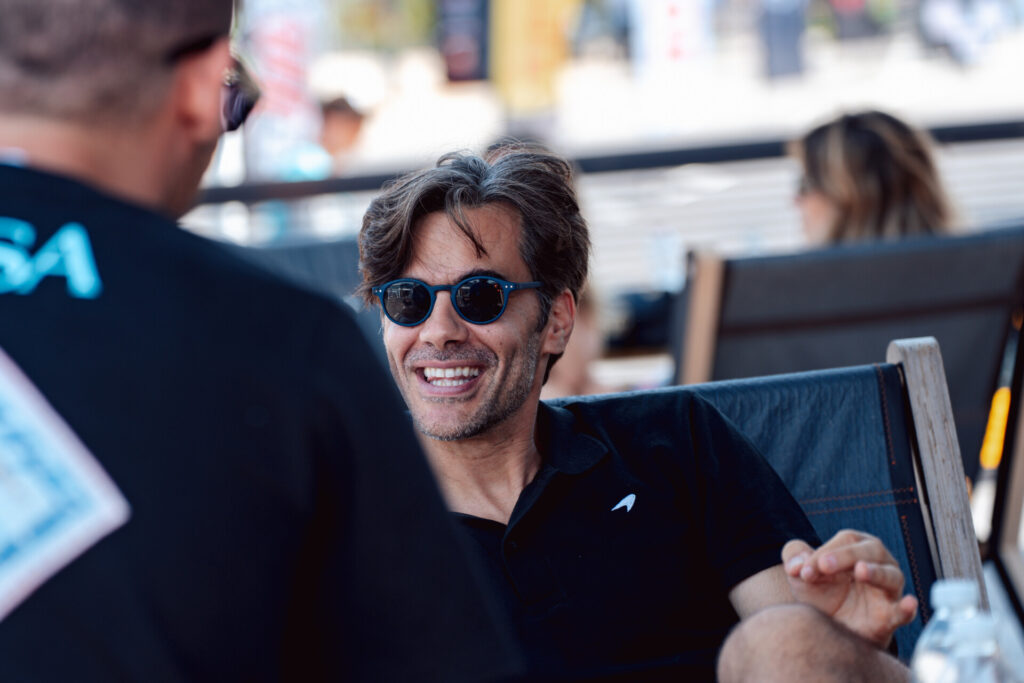
He is generous about the championship’s accessibility. “This is a very friendly championship for many reasons. First of all, the categories. They have the bronze, they have the Papaya Cup, which is also rare. I’ve never seen it in another trophy. Only McLaren does this. They give trophies and they recognise drivers over 60 years old. Trust me, I’m in my 40s, driving this car, even though it’s friendly, under the heat, it’s not easy.”
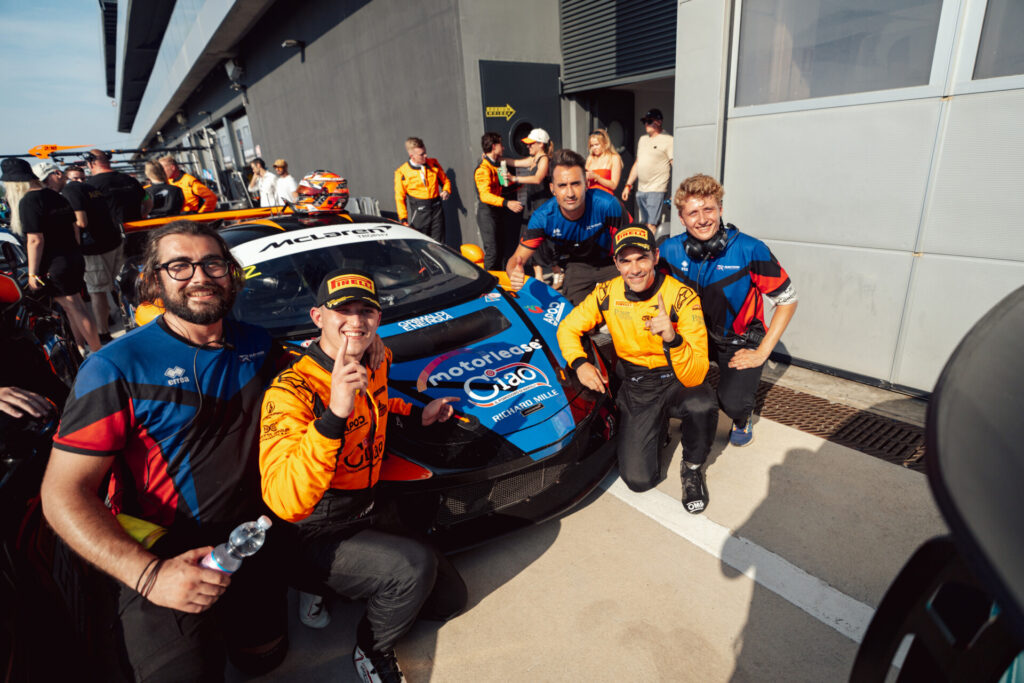
His view on whether a gentleman driver could genuinely do this is worth quoting at length, because it comes with evidence. “For a gentleman driver, an executive, coming to racing, he can definitely do it, but he would need a few tests as preparation.” His own sponsor, a Greek chief executive, asked whether he could try the car after seeing it on social media. “So we organised this for him last week here. The guy did amazing. We put a very experienced coach next to him. Every session, he was faster. He loved the car, he loved the feeling. And I think if he does two, three more tests, he will have the pace to be in the Am.”
He credits the car for much of that. “It’s very friendly to drive, because I’ve driven other cars, they’re not as easy to run. I think they’ve hit the sweet spot with this car.” The numbers support him. “The lap times here, this car is fast. We were only three, four seconds off the top GT World Challenge cars. We were lapping 37s, they’re doing 33s.” The setup philosophy is the same one his engineer described. “What you need as a gentleman driver, you need a bit of an understeer car. Understeer is when the rear is very stable, so you don’t feel it nervous, and you’re not afraid you’re going to spin.”
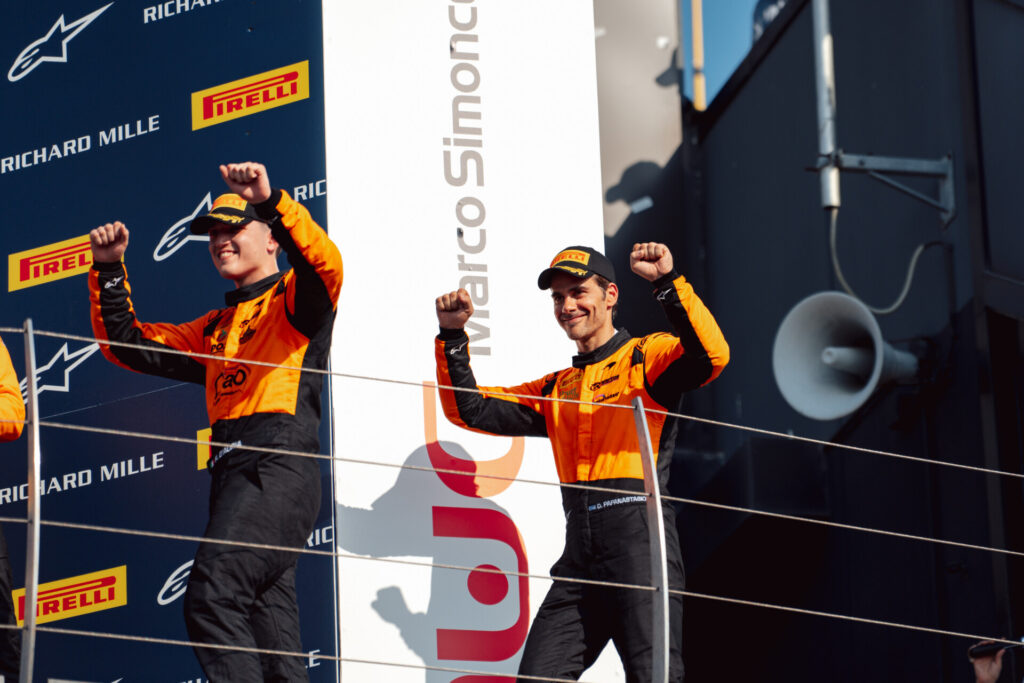
He rates the calendar as highly as the car. “The other thing that this championship does amazingly is the tracks. We are racing this year, four out of the five tracks are Formula 1 tracks. When I saw that on the calendar, I said to myself, I have to get into this championship.” He remembers arriving at the opening round and finding himself sharing a pit lane with the GT World Challenge field. “In Monza, when I arrived, it was a bit of a dream. And I pass by, I see Arthur Leclerc’s car. I felt really good. It felt special.”
The balance it allows is what keeps him here. “It’s perfect, because you don’t need a lot of testing. It’s just five weekends, two races. So you get a lot of racing, compacted. It hasn’t impacted my professional life. If I had to step up a series, you kind of have to leave other things on the side.” His family joins him at the rounds where the destination rewards them.
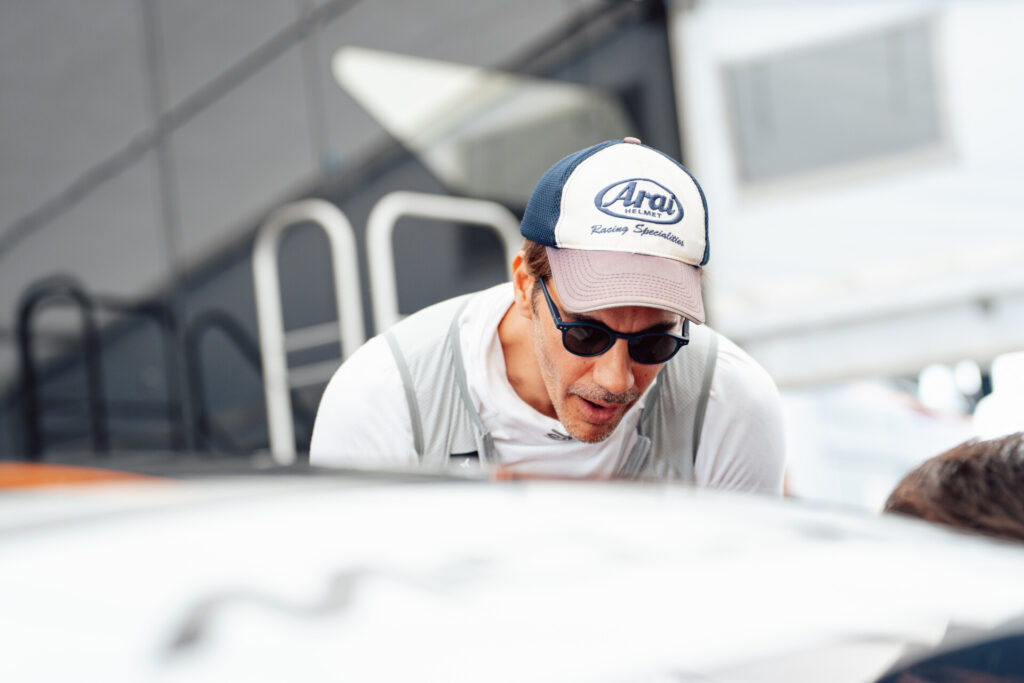
His advice to a newcomer is refreshingly practical. “They should talk to McLaren first of all, so they can hook them up with a team. All the teams are good. And get the seat time. They need to spend time in the car, because on the weekend of the race, you don’t have a lot of time in the car. You have five laps each free practice session, maybe ten if you’re lucky. And then it’s racing.” He is a strong believer in coaching supported by video. “Every car has very high quality video, with the controls of the car on it. You can see the steering wheel, the throttle application, the brake. So the coach can slow down the video and tell you, here, you can go. Human beings are very visual. If you tell the guy, you see that bollard over there, aim for it before the corner, he will do it. It doesn’t matter who you are.”
One more thing surprised him, and he raised it unprompted. “Before choosing a championship, I shopped around, and it’s very competitively priced for a European series. It’s close to regional championship prices. So if you want to race in Germany with another brand, you would pay more or less the same, and here you’re doing a European championship.” Nor is the end of the season an anticlimax. “The awards of this championship happen at the McLaren Technology Centre. Every driver is invited and you get to spend the night in the F1 team headquarters. Not a lot of people have this opportunity.”
Racing on a modest budget
Charlie Martin arrived at the championship by a door almost nobody else on the grid used. She has no family history in motorsport, no single wealthy backer and no team owner writing cheques on her behalf. She is a full-time professional who funds her own seat, round by round, out of sponsorship she generates herself, and she is candid that the driving is the smaller half of the job.
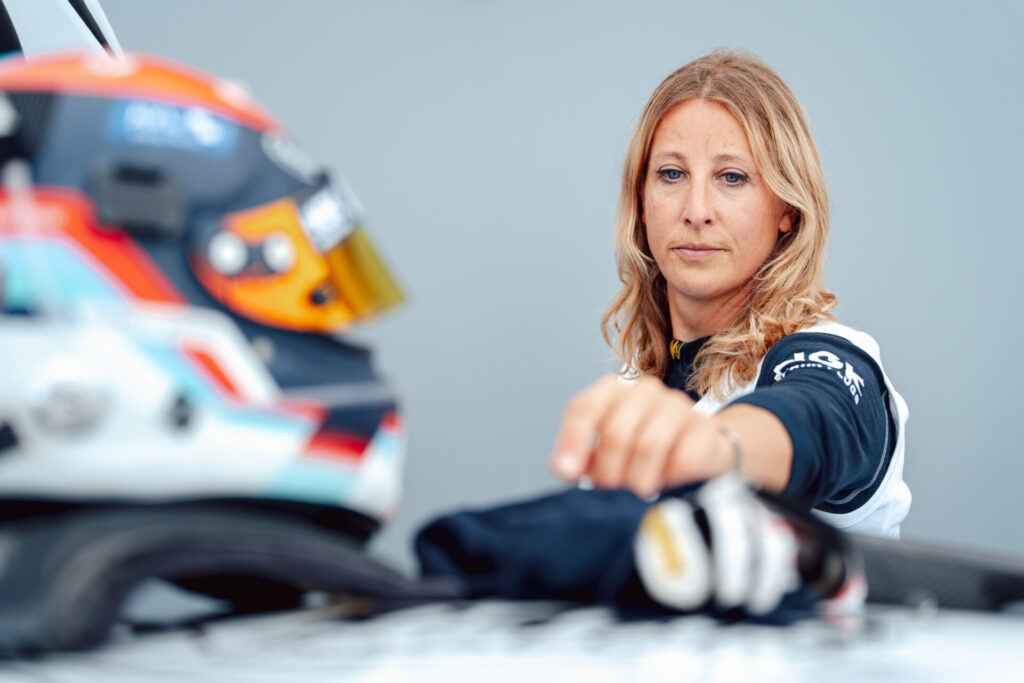
The beginning was about as modest as it gets. “I never did any karting. I started when I was out of university with £1,500 and a tent and a little Peugeot and a trailer,” she said. “It’s been hard work to continually move forward in my career, and I spent two thirds of my career running my own car because I just didn’t have the money to do it another way.” That improvisation became the skill set. “It’s meant I’m very versatile, very resourceful. You’re always trying to be creative and think of ways to market yourself, look at things that other drivers aren’t doing.”
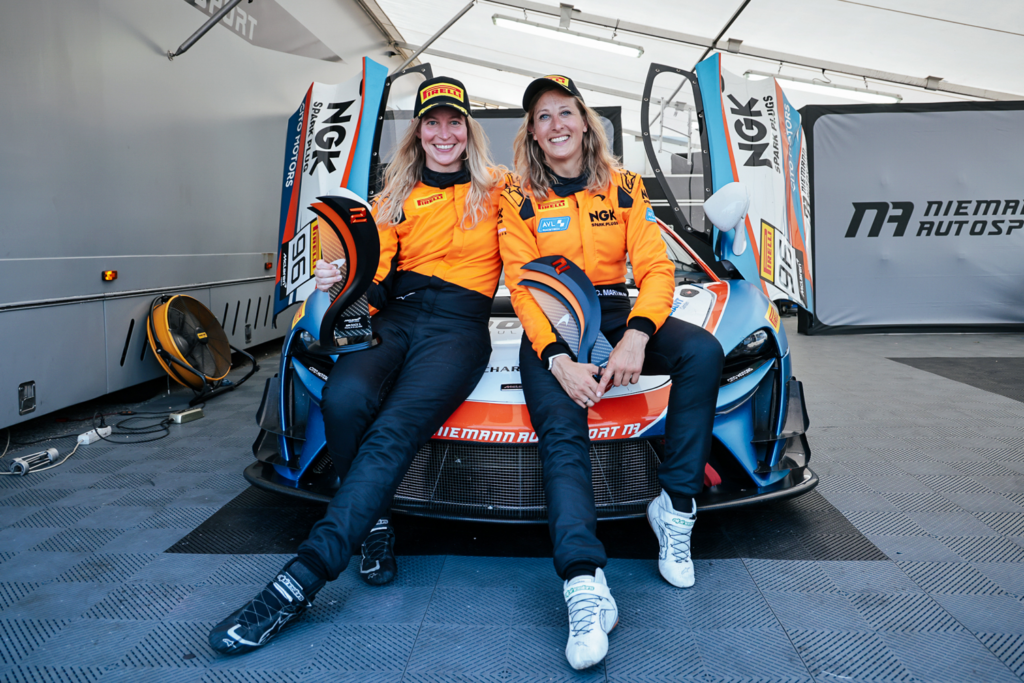
Central to that is a substantial social media presence and a content operation she runs alongside the racing. “I’m very active on social media, I make a lot of content, I do keynote speaking. I’m always trying to demonstrate to a brand or a manufacturer that I can do more than just turn up and drive the car.” The Artura test that led to this season came through a direct message. “Somebody actually reached out to me through my social media and said, look, I’m trying to get some drivers to a test that we’re putting on at Navarra in February,” which was at no cost to her and became an audition in both directions.
She is unsentimental about how sponsorship actually works, and dismissive of the fantasy version. “When people think about sponsorship, they think, oh great, someone essentially just gives you money to put a logo on the car and off you go racing. I think a lot of younger drivers come into racing with a distorted view of how it works.” The reality is a service business. “I’ve got to understand what the client’s requirements are. Are they interested in bringing clients out, doing hospitality? Do they do lots of internal events, which is something I would really try and tap into, doing keynote speaking around teamwork and performance.” She is blunt about the odds. “It’s a really time-consuming, complicated process. You put in a lot of energy hoping to strike gold, knowing most of it won’t lead anywhere.”
Cold approaches, she says, are close to worthless. “I’ve rarely had any success with just cold calling people. You’ve got to have some kind of personal relationship, or a warm referral through someone, because so much of it comes down to trust. It’s the same in business. If you understand somebody’s needs and what’s going to be interesting for them, and they trust you, then you can have a conversation.” She builds decks with tiered options as a starting point, then reshapes them around the partner. “Ultimately it’s about creating something that’s bespoke.” She caps her sponsor roster deliberately. “Ten’s probably the maximum that I can take on, because you want to be able to deliver value, you want to be able to give people the service and experience.”
Racing with McLaren, she says, hands her assets no independent driver could manufacture. “Being in a series like this with McLaren, there are some really unique things that I can offer to sponsors. The McLaren Technology Centre, being able to bring clients and sponsors around that for a full tour. Unless you’re a McLaren customer, it’s a very exclusive place. I don’t think you can just call up and say, can I come around and have a look.” She is taking around a dozen guests of one partner through the facility, production line included, and rates the brand association highly on its own terms.
She also has a driver’s assessment of the machinery. “I’ve had to adapt my driving a little after jumping into the Artura from a different manufacturer, but I found the car pretty easy to get to grips with. It’s very user friendly. McLaren have done a lot of work with it to make it work both for a Pro driver, but also for an Am driver who perhaps doesn’t have as much experience. There’s a lot of feel from the car, and we’ve got switchable traction control and ABS, so you can dial that in for the conditions and for the driver’s experience level.”
The sponsor’s perspective
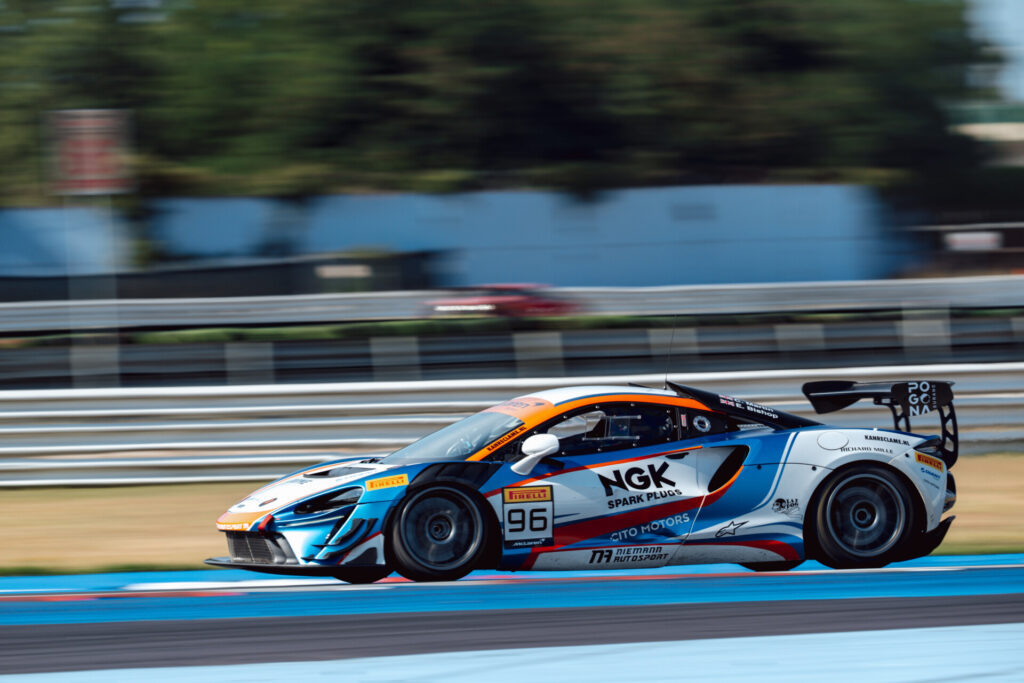
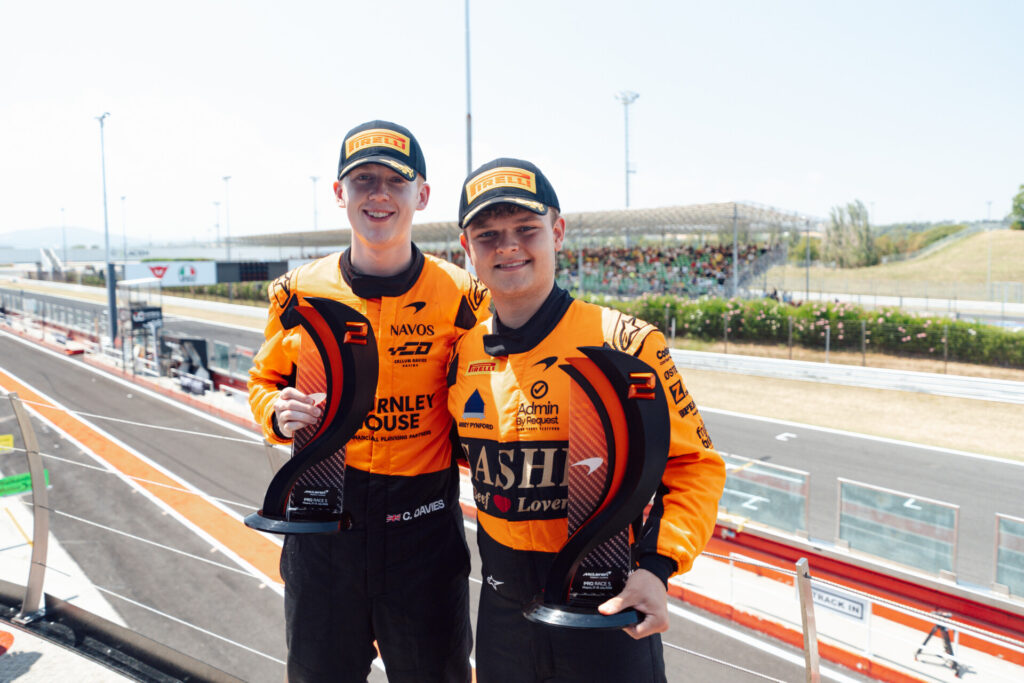
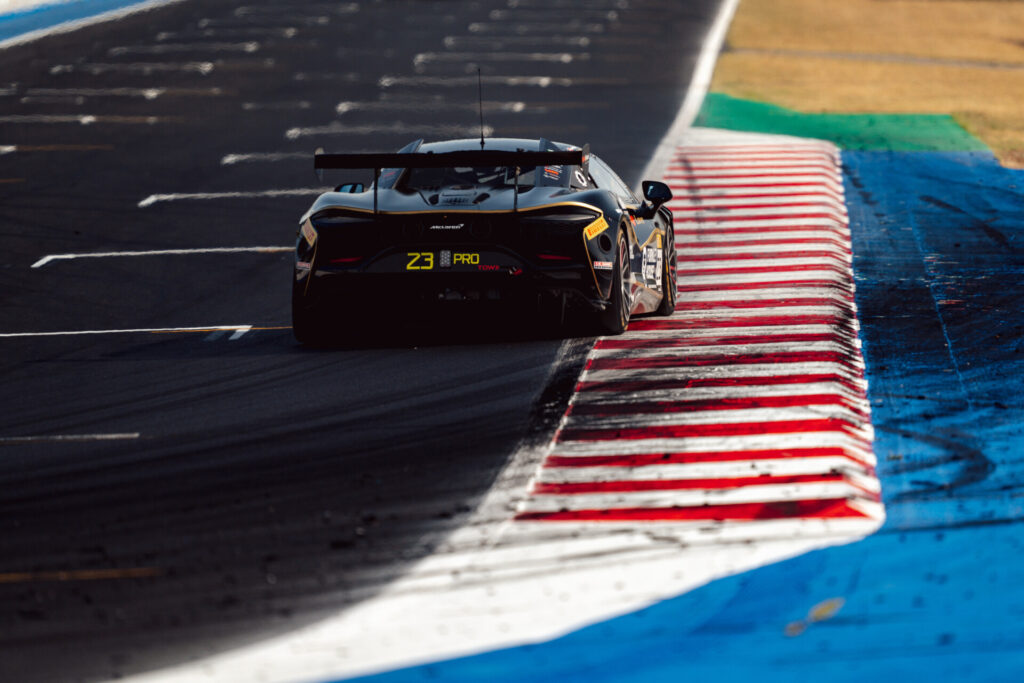
David Davies founded a technology business serving financial services after more than a decade on the board of a major wealth management firm. His son, Callum Davies, races in the Pro class of the exclusive McLaren Trophy Europe Championship, and the funding behind that campaign has given him an unusually clear view of what a race weekend is worth commercially. He is not affiliated to a team or a car perpetually – but this year races with Paddock Motorsport – his affiliation, as he puts it, is to the driver first.
The backing for the driver splits roughly in two. “Fifty per cent of the backers are silent, but very wealthy entrepreneurs with a passion to support a rising talent and be part of their journey. They’ll sometimes come to a race in the sunshine, but they just want to quietly arrive, sit in a corner, and maybe share a glass of wine with some nibbles whilst watching the racing, gaining satisfaction seeing Callum compete on the World stage.” The other half work the paddock hard and are usually fast paced businesses keen to see their brand perform well. One such business is linked to Financial Services with a significant high net worth client base, and attends every round, along with a small group of different VIPs every time. “They’re an acquisitive organisation as well, so they’ll bring ultra-high net worths, Chief Executives, VCs, and the companies that they’re looking to acquire. They’ll use the tracks, they’ll use the hospitality. That environment is ultimately like the USP for them.”
The comparison he keeps hearing from partners is the one that should make every reader sit up. Venture capital firms are telling him their people are turning down the golf day and the rugby game in favour of a race weekend, because the racetrack simply produces more business than the eighteenth hole ever did. “What surprised me most in the last three months is how that fraternity of people and companies are using this as a springboard. Especially in technology, they’re using this as a competitive advantage, and it’s paying dividends – literally. We’ve now brought people to Italy, Barcelona, and Spa Francorchamps in Belgium – and it’s not only brought them here, it’s then immediately had a profound impact on something happening business wise – and normally within weeks, not months.”
Volume has become the problem rather than the objective. “We’ve had too many enquiries,” he said, ruefully, explaining that he is hiring a full-time host for the next two rounds because he was spread too thin last time out. “As the father of a race driver, all of a sudden it’s like, excuse me, my son’s just about to race. You forget essentially why you’re there in the first place, but everyone is genuinely immersed.”
The mechanism is simply proximity around the paddock from dawn to dusk, and the demographics do the rest. “It’s all CXOs, it’s all founders, exited founders as well, a lot. More and more now, venture capital or private equity make up most in person conversations. Motor racing just ignites people. It doesn’t matter, male, female, young, or old. Every single race you’ll have a cohort of new people coming, who you’ve never met but within minutes it feels like strong bonds are built, and the consistent theme is they all like racing, and they’ve got a huge amount of disposable income and/or investable income.” Partnerships between businesses that have met in the garages almost inevitably follow up in days, without a cold call being placed anywhere, and all with a genuine desire to do business with likeminded individuals.
What he rates above all is the access McLaren GT racing grants, and he draws a pointed comparison. “Some people say, I’ve paid ten grand a weekend to go to the paddock club in F1, and the closest I can get is 50 foot away. He goes, oh, there’s an F1 car. Whereas here, they’re speaking to the drivers, they’re on the pit lane, fully emersed as an extended part of the team. It’s full VIP access.” Sponsors’ children can sometimes sit in the race car between sessions, which he describes as a dream come true for them and, one suspects, for their parents too. “When you dive into the support that McLaren give as well as combining a British driver, in a British brand, competing in one of Europe’s toughest championships, for me, it’s just unparalleled.”
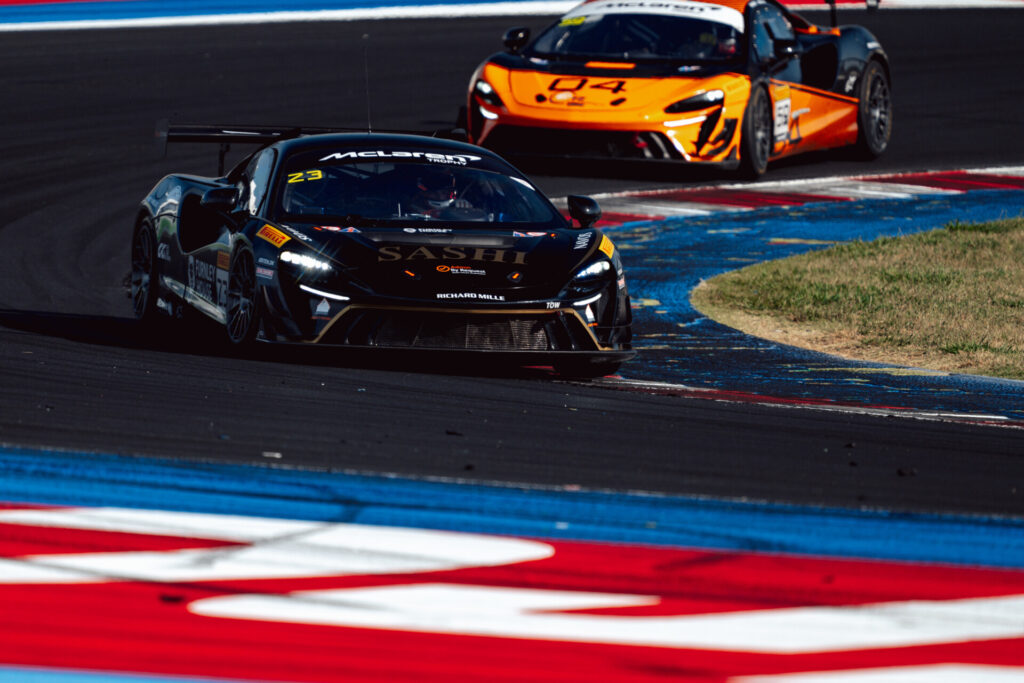
The car itself travels for him too. It has been to sponsor offices, and one partner wants it outside a hotel in London for an investor workshop with their logo on the flanks and Callum on his feet talking about motor racing and brings context such as dealing with pressured environments that has audiences captivated. The livery, black and gold, was chosen by the teams and drivers because it stood out and came with a story worth telling.
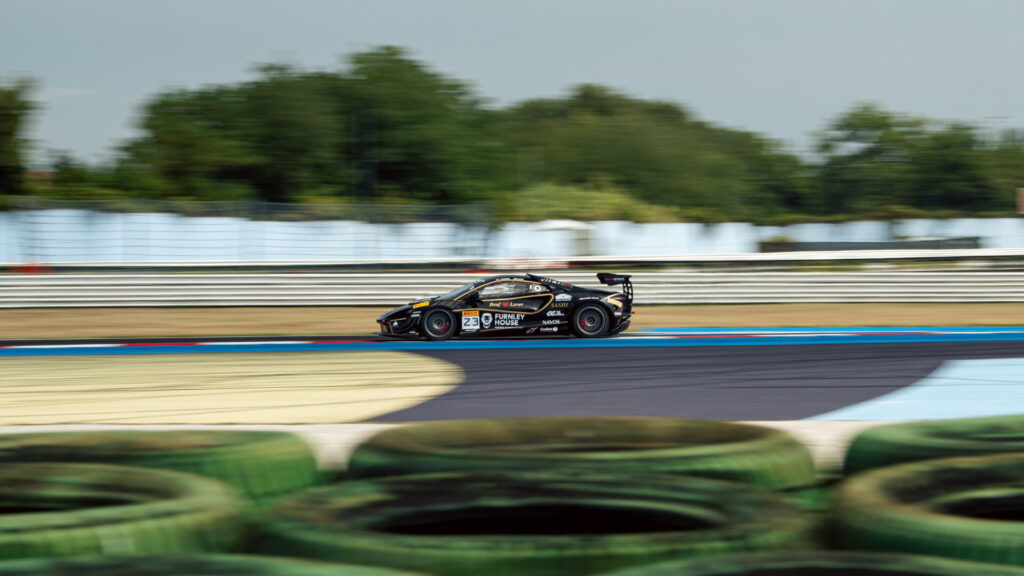
He is measured about progression. “The next step up would be GT3. But what we want to do with Callum is keep him grounded and not run before we can walk. Two seasons in the McLaren Artura GT4, one season in McLaren Trophy, and then ultimately go to GT3. Every step is a learning opportunity in a different car, in a different class, at different tracks.” He also sees the wider category rising. “GT racing has seen a massive resurgence.” Next season, he notes, the series they support is the main undercard to the 24 Hours of Le Mans – which is already bringing significant attention and queries.
Does the off-track success of the partnership match the on-track performance? At the halfway stage of the season, the answer is a resounding yes. Callum currently leads the Championship, having secured a podium finish at every round so far. At just 19 years old, he continues to make a significant impression both on the circuit and in the commercial arena, demonstrating the profile, performance and potential that make this partnership such a compelling proposition. It is, quite simply, proving to be a win-win.
The Race Centre and the weekend around it
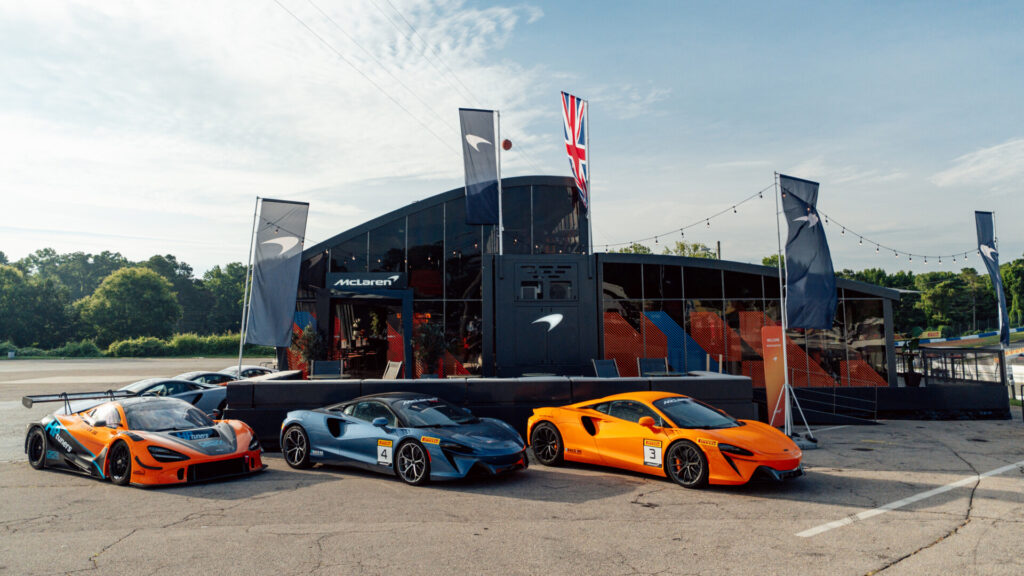
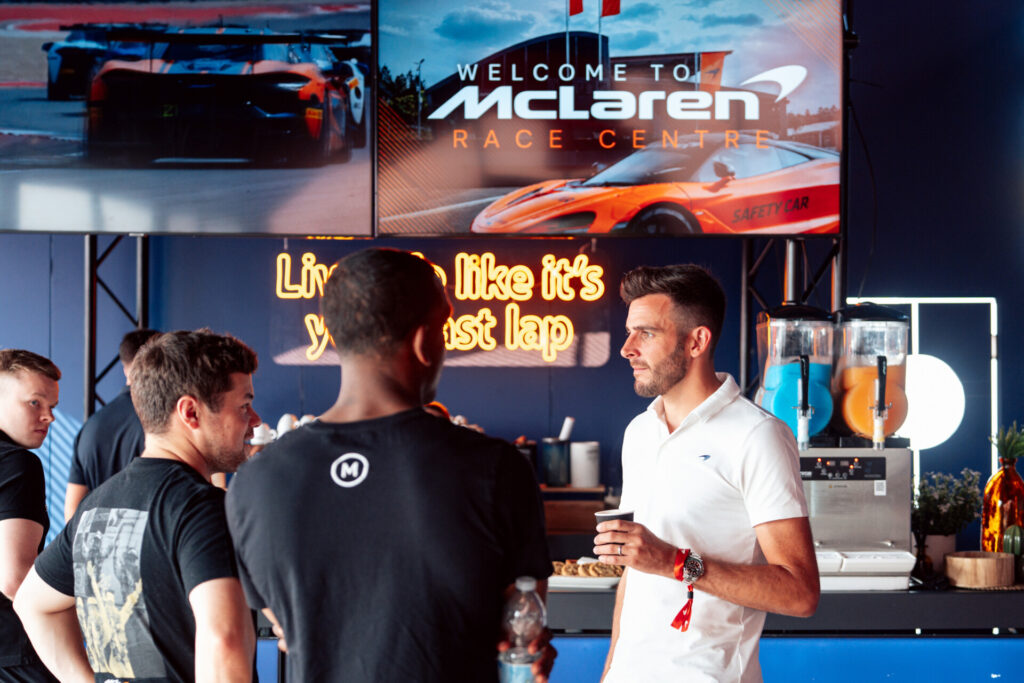
The McLaren Race Centre is a large modular building with terraces, a lounge and bar, a restaurant and office space, and it functions as the social centre of the championship. Breakfast, lunch, dinner and refreshments run throughout the day, prepared in a full commercial kitchen and included as part of the package. Drivers mention it unprompted, and not always seriously. “The food is almost five star,” one told us. “I was joking yesterday, I’m here more for the food than the races.”

The value is less about comfort than about who ends up sitting where. Team principals, engineers, professional drivers, owners and their guests eat at the same tables, and the conversation moves between setup, business and family without ceremony. Social events each weekend do the rest, and by the end of a season the grid behaves like a travelling company that happens to race each other on Saturday and Sunday afternoons.
Grid walk, pit stop and race control
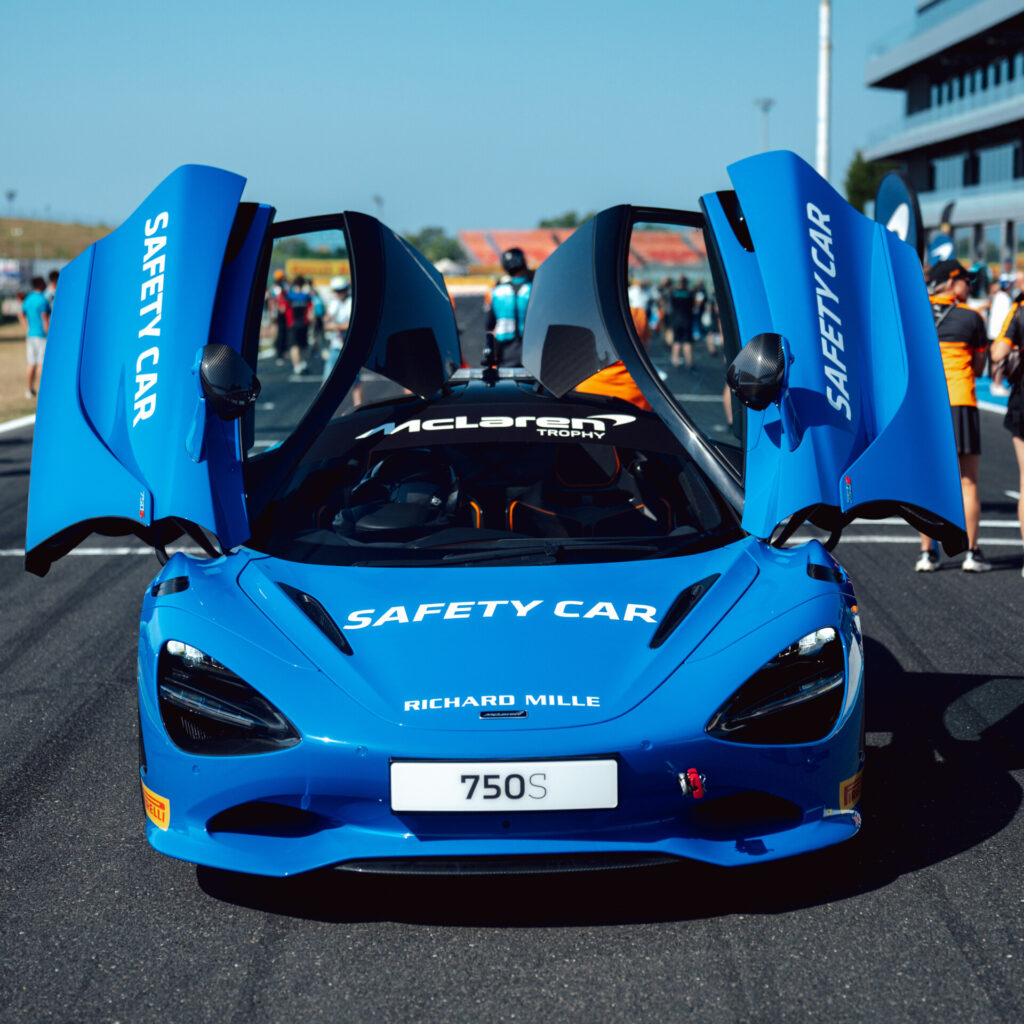
The grid walk before race one is a rare privilege, and it lasts until the moment it does not. Guests move between the cars as tyre blankets come off and drivers pull on gloves, the tension building steadily, then the call goes out to clear the track with a minute to spare. From our trackside position we watched a beautiful blue 750 lead the field away for a rolling start before peeling off and releasing them into the first racing lap.
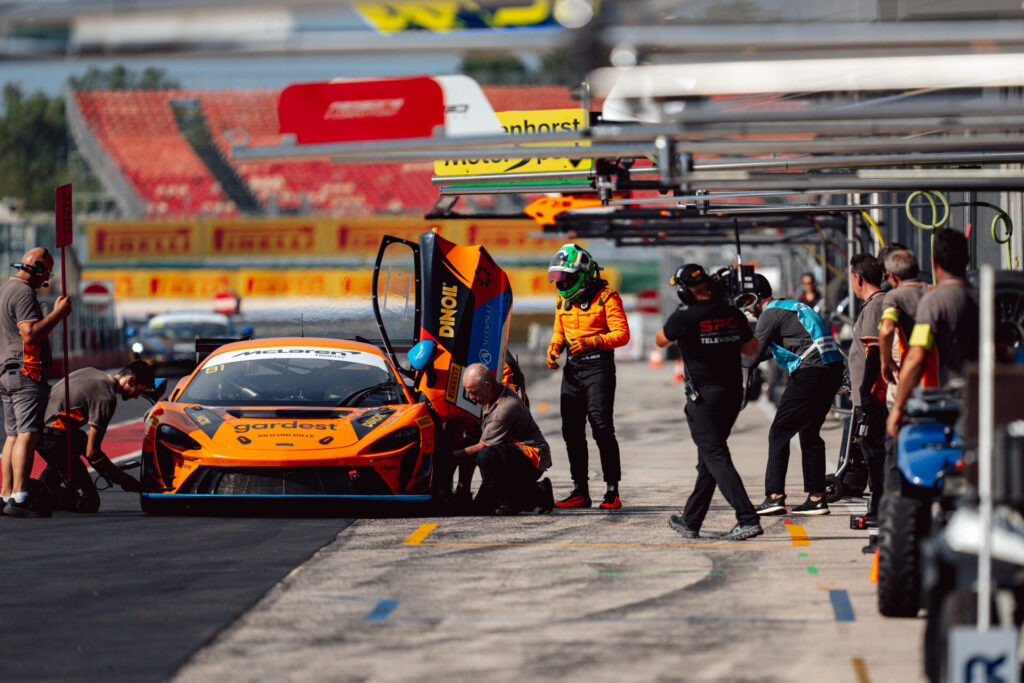
We watched race two from inside the garage, standing a few feet from the pit stop. The choreography of a driver change under a fifty-minute clock, with belts, radio, drinks tube and a stationary minimum to respect, is genuinely absorbing at close quarters, and access of that kind is not easily obtained elsewhere.
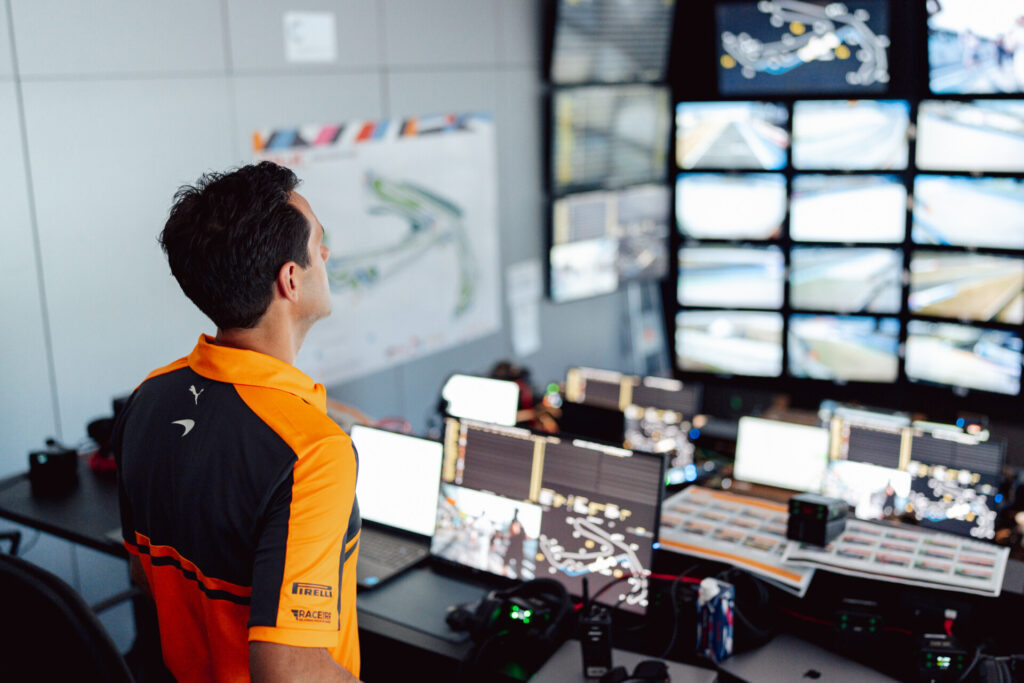
Race control completed the picture. Marshals, officials, timing and broadcast operate with the calm of an air traffic tower, and the standard of infrastructure explains why the championship visits the circuits it does. All of it is organised by McLaren, which is the practical reason owners and drivers can arrive on Friday and think about nothing but driving.
Two races, eight trophies
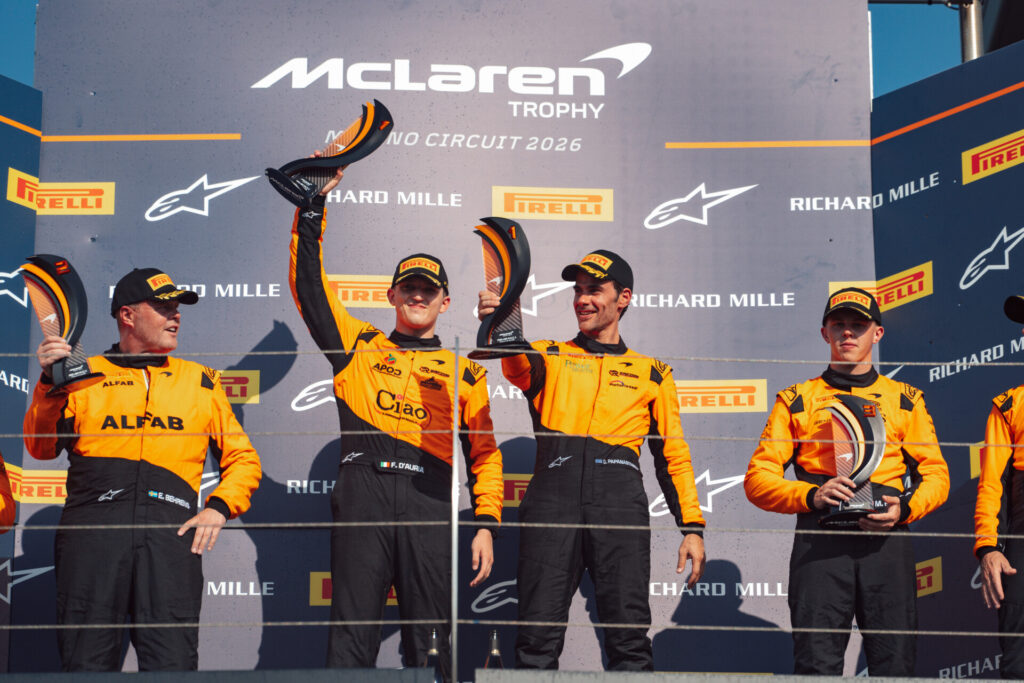
The racing itself was chaotic in the best sense. Paddock Motorsport arrived at a circuit new to the team and spent Saturday learning how to set up its trio of Arturas in searing track temperatures, then produced a triple podium in race one. Mark Smith, on his Trophy debut, gained five places on the opening lap, led the Am class throughout and held on despite a track limits penalty to take the team’s first class win of the season.
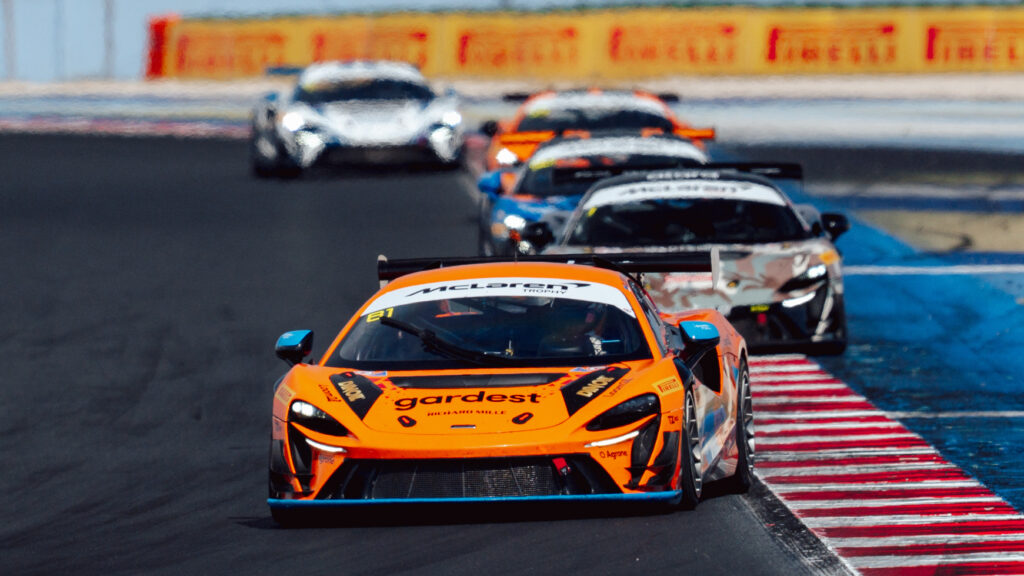
Luca Magnussen and Callum Davies took the flag sixth in the Pro class and were later promoted to second through penalties elsewhere, their fourth podium of the campaign. Matthew Higgins and David Coelho added third in Pro-Am, then repeated the result on Sunday after a safety car forced them out of sequence. Five podiums from six starts, eight trophies for the hand luggage, and the Pro class championship lead intact with two events remaining.
Why McLaren, and why now
We left Misano tired, sunburnt and thoroughly convinced. The championship is a properly competitive environment with real risk, real cost and real consequences, and nobody in the paddock pretends otherwise. What sets it apart is that the barrier to entry is a licence, a budget and a willingness to be coached, rather than a childhood spent in karts.
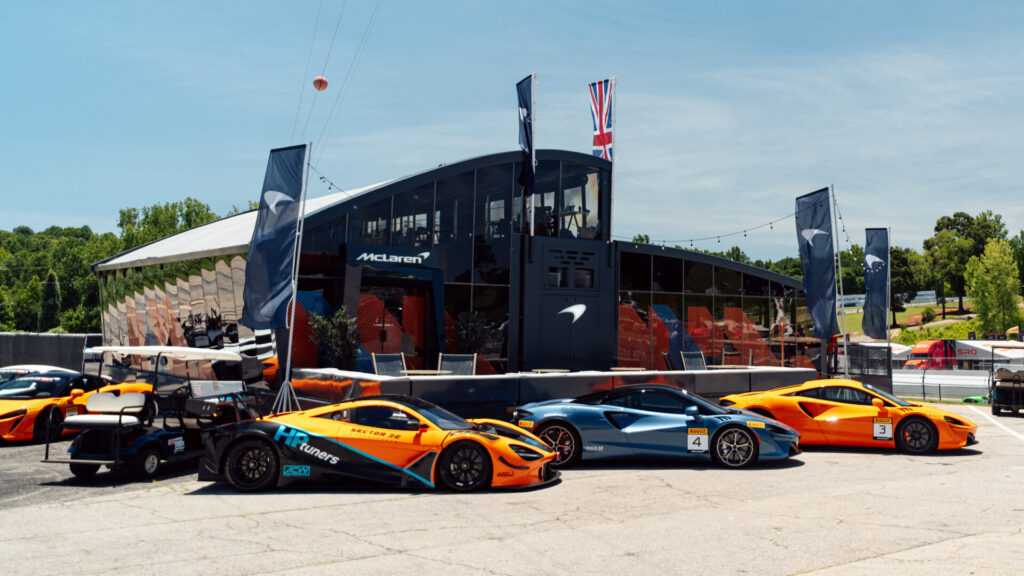
Choosing McLaren as the badge on the door brings a specific set of advantages, and they compound. Every car on the grid is identical, so nobody can hide behind machinery and there is no balance of performance to negotiate; the Artura Trophy Evo runs at its full 585PS, with Push-to-Pass on tap, and laps within a few seconds of a GT3 car. It has been engineered deliberately to flatter a gentleman driver while still rewarding a professional, which is why newcomers describe it as approachable and Pro class drivers describe it as fast.
The support is the part that makes the whole thing viable for someone with a business to run. McLaren technicians and support engineers travel to every round and work under the awnings of the customer teams, three trucks of spares arrive with them, and data and analysis are shared freely when something goes wrong. Smaller family-run outfits finish on the podium alongside large professional squads for precisely this reason. Coaching runs from the first track day through to race weekends, and the classes are structured so that you race people of similar experience rather than being fed to the front runners.
Then there is everything that surrounds the driving. Five weekends a year is a calendar a working life can absorb, with just under five hours of track time each visit and two fifty-minute races. Every race is streamed to a substantial audience, the paddock sits inside one of Europe’s highest-profile GT packages in front of packed grandstands, and the circuits are the ones you grew up watching, with Le Mans joining the roster as a supporting event in 2027. The Race Centre gives you a proper base to host clients, colleagues and family, the hospitality is included, and the season closes with an awards evening at the McLaren Technology Centre where champions have their names added to a trophy that lives in the cabinets at Woking.
The commercial dimension is not a fig leaf either. Sponsors are finding better conversations here than on a golf course, drivers are funding seats through partnerships, and owners are bringing clients into an environment where access is genuine rather than roped off at fifty feet. Add the health of it, the mental reset several drivers described, and the simple pleasure of being judged on a stopwatch rather than a job title, and the case makes itself.
So talk to McLaren, get your licence, buy the seat time, and be honest about your goals while the people around you set the pace of your progress. And if the only offer on the table for now is a hot lap in the passenger seat, take it without a second thought.