


Finding genuinely surprising restaurants in the UAE presents a particular challenge. After years of dining across the emirates, encountering establishments that break familiar patterns becomes increasingly rare. La Cava emerged on our radar almost accidentally, a venue with minimal social media presence and a reputation built primarily on its extensive wine collection rather than culinary ambition.
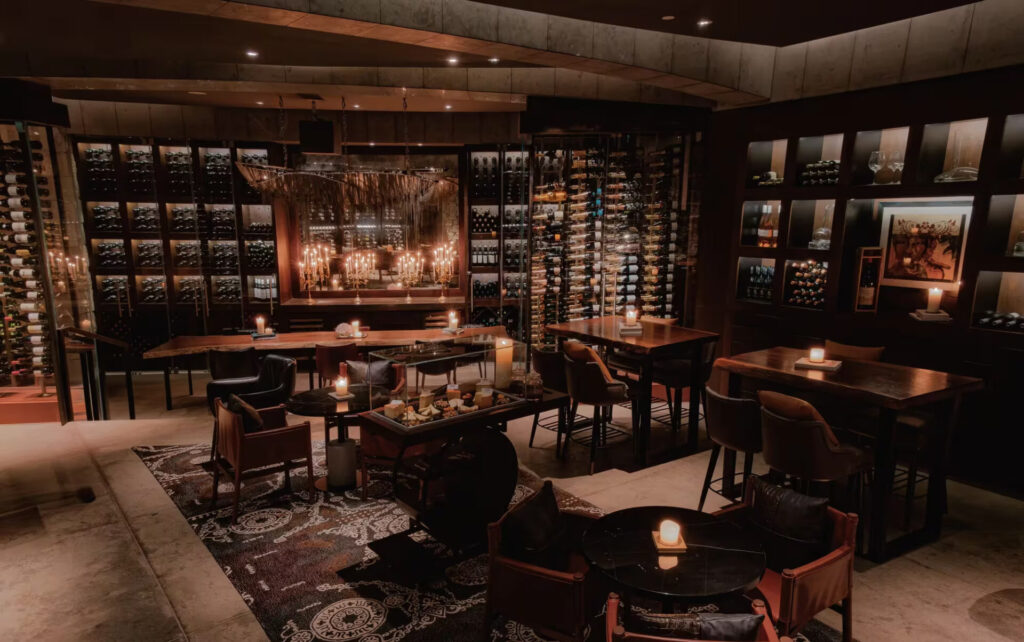
The restaurant occupies space within Rosewood Abu Dhabi on Al Maryah Island, yet maintains an identity distinct from the hotel’s other dining venues. Where properties typically promote their restaurants extensively, La Cava operates with notable discretion. Even hotel staff seemed occasionally uncertain about the venue’s current direction, a transition from pure wine bar to serious dining destination that has occurred gradually and without fanfare.
Our initial research revealed a strikingly limited menu, perhaps six or seven dishes in total. This minimalism, unusual for UAE hospitality where abundance typically prevails, actually heightened our interest. Experience suggests that restaurants willing to restrict their offerings demonstrate confidence in execution, focusing culinary energy on perfecting a narrow range rather than managing an unwieldy selection. La Cava, we hoped, would prove this theory correct.
The setting
Descending to La Cava feels like discovering a genuine secret rather than experiencing manufactured exclusivity. The space embraces its wine cellar origins authentically, avoiding the themed restaurant pitfalls that plague similar concepts. Dim lighting establishes immediate atmosphere without obscuring the surroundings, whilst candlelit tables cast warm pools of illumination across white linens.
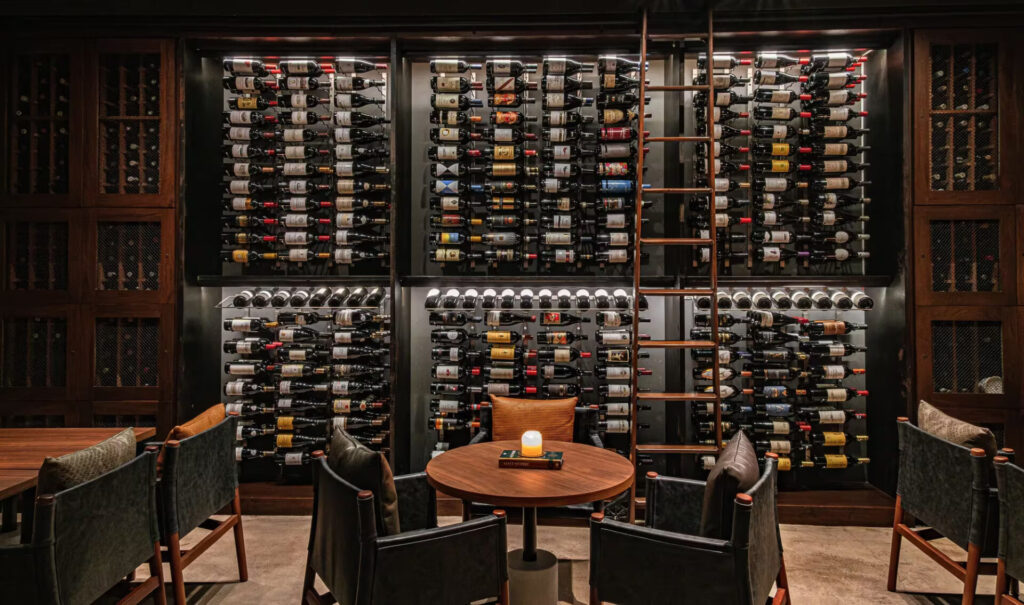
The room itself remains intimate by design. Only a handful of tables occupy the space, each positioned with generous separation that creates natural privacy. This isn’t the enforced intimacy of cramped seating but rather the comfortable distance that allows conversation to flow freely without awareness of neighbouring diners. The aesthetic leans towards classic European wine cellars, with dark wood, subtle architectural details, and an absence of contemporary flourishes that might date or distract.
Temperature and acoustics both registered as notably well-judged. The subterranean location provides natural insulation from Abu Dhabi’s climate, creating coolness without the aggressive air conditioning that often mars UAE dining. Sound behaves well in the space, conversations remain audible at your own table whilst others fade to pleasant ambient murmur. Background music, when present, operates at volumes that enhance rather than dominate.
The wine collection itself provides visual interest, bottles arranged in floor-to-ceiling storage that reinforces the cellar concept whilst remaining accessible. An expert sommelier oversees the selection, rotating monthly focuses on specific wine regions and offering guided tastings that explore origins, varietals, and tasting notes. On our visit, the emphasis fell on Spanish wines, appropriate given the menu’s Iberian influences.
The welcome
We arrived with reservation rather than walk-in confidence, uncertain what to expect from a venue operating somewhat under the radar. Our concerns dissolved immediately upon meeting the front-of-house team, whose warmth felt genuine rather than professionally manufactured. They seated us with care, ensuring we had both comfortable positioning and adequate privacy.
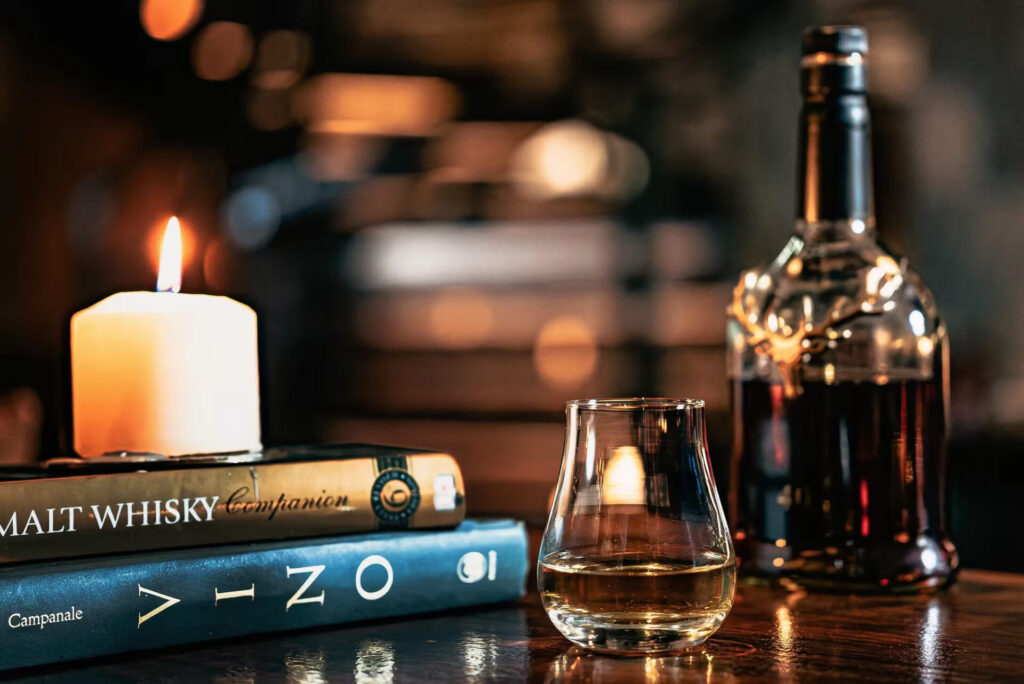
A welcome glass of sparkling wine arrived unprompted, the gesture setting a tone of generosity that would characterise the entire evening. Whilst sparkling wine prologues have become standard practice across premium dining, the quality here exceeded the perfunctory pours often offered. This was wine selected with attention, served at proper temperature, and presented without rushed explanation.
The sommelier approached our table shortly after we settled, offering context about the current wine programme and making recommendations based on our intended food choices. His knowledge ran deep without becoming performative, answering questions directly whilst avoiding the lectures that sometimes accompany wine expertise. We appreciated his willingness to discuss both premium and accessible options, never pushing towards the ceiling of the wine list but rather matching suggestions to our stated preferences.
Menu presentation came without elaborate ceremony. The single-page offering listed starters, mains focusing primarily on grilled meats, and a solitary dessert. This brevity, which might signal limitation elsewhere, here communicated focus and confidence. Each dish had been considered carefully, ingredients selected with precision, and preparation methods chosen to highlight rather than obscure quality.
Starters: Precision and restraint
We ordered two starters to share, wanting breadth of experience whilst preserving appetite for the main courses that clearly represented the kitchen’s primary focus. Croquetas arrived first, six golden spheres arranged simply on a white plate with a dash of garnish. The exterior achieved that difficult balance between structural integrity and delicate crispness, shattering cleanly at first pressure to reveal intensely creamy interiors.
The filling combined hollandaise with smoked beef, a pairing that might seem heavy on paper but demonstrated remarkable restraint in execution. The hollandaise brought richness without excess fat, its texture perfectly fluid whilst maintaining enough body to stay contained within the crisp shell. Smoked beef added savoury depth and subtle complexity, the smoking process evident but not overwhelming. Each croqueta provided two or three proper bites, the portion size generous enough to feel substantial without dulling the palate.
Calamares fritos followed, Mediterranean squid prepared in tempura style with squid ink aioli and banderilla pickles. The squid itself had been selected with obvious care, each piece tender and sweet without any hint of the rubberiness that plagues poorly sourced or carelessly cooked specimens. The tempura batter achieved remarkable delicacy, providing crunch and light coating whilst allowing the squid’s natural flavour to remain prominent.
Seasoning showed a careful hand throughout. Salt levels registered as precise rather than timid or excessive, whilst pepper and other aromatics added complexity without announcement. The squid ink aioli brought richness and umami depth, its dark colour providing visual drama against the golden tempura. Banderilla pickles cut through the richness with sharp acidity and textural contrast, preventing palate fatigue across multiple pieces.
Both starters demonstrated technical proficiency and ingredient quality that immediately elevated our expectations for what would follow. These were not afterthoughts or menu fillers but properly considered dishes that would stand scrutiny in any serious dining context.
Japanese Wagyu A5: Luxury justified
The first main course arrived with appropriate ceremony. Japanese Wagyu A5 from Hokkaido, a 150-gram portion of grade 9+ beef, commanded attention through sheer presence. The meat had been cut to showcase its extraordinary marbling, fat distributed throughout in intricate patterns that suggested both genetics and careful husbandry.
Accompanying the beef were Ganbara mushrooms and a confit egg yolk, both elements chosen to complement rather than compete. The mushrooms brought earthy depth and textural variety, their natural umami enhancing the beef’s complex flavour profile. The egg yolk, cooked to maintain liquid centre whilst developing structure around the edges, added richness and visual appeal when broken to flow across the plate.
The wagyu itself provided extraordinary texture unique to properly raised and graded Japanese beef. Each bite offered initial resistance before yielding almost immediately, the fat content creating an effect simultaneously indulgent and delicate. Temperature proved crucial here, the beef served warm enough to melt the intramuscular fat without overcooking the meat itself. The kitchen had clearly monitored doneness with precision.
Flavour developed progressively across each mouthful. Initial sweetness from the fat gave way to deeper, more complex beef notes, whilst the Maillard reaction on the exterior surfaces added caramelised richness. Salt and pepper seasoning remained light, allowing the wagyu’s inherent qualities to dominate. This was beef that justified its premium positioning through genuine superiority rather than marketing mystique.
The 150-gram portion size proved well-judged for a tasting menu approach, substantial enough to appreciate fully whilst leaving room for other courses. We savoured each piece slowly, recognising that beef of this quality demands attention and rewards careful consideration.
Australian Ribeye: An exceptional discovery
The Australian ribeye arrived with less fanfare than its Japanese counterpart, yet this 250-gram portion of grade 7+ wagyu would emerge as the evening’s defining experience. Presented simply with green salad, the steak commanded the plate through quality rather than elaborate plating. The exterior showed proper char and caramelisation, whilst the interior revealed perfect medium-rare throughout.
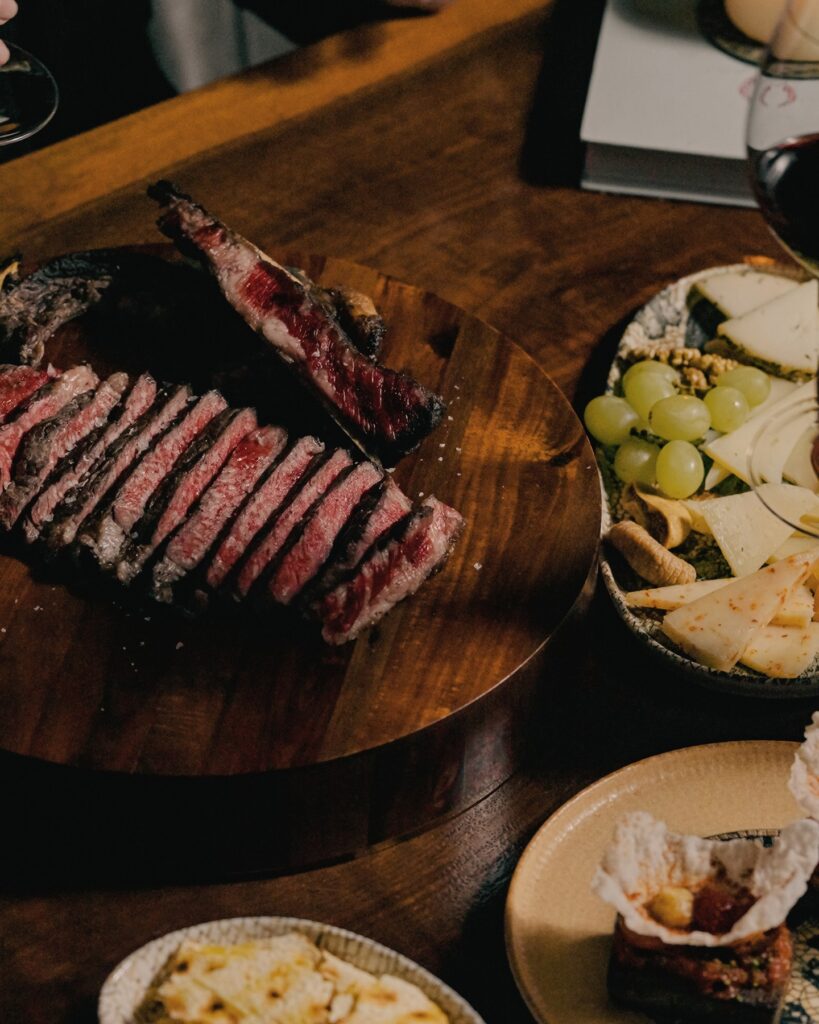
First impressions suggested a special treat. The knife passed through with minimal resistance, indicating both proper cooking and inherent tenderness. Visual inspection revealed generous marbling throughout, fat distributed evenly rather than concentrated in specific areas. The green salad, lightly dressed with quality olive oil and subtle acid, provided palate refreshment between bites without introducing competing flavours.
Tasting confirmed what appearance had suggested. This was steak of extraordinary quality, achieving that rare combination where every element aligns perfectly. The tenderness registered immediately, each bite yielding easily whilst maintaining enough structure to create proper mouthfeel. Juiciness remained consistent throughout, the meat retaining moisture without any sense of being undercooked or releasing excessive liquid.
Fat content proved crucial to the overall experience. The marbling melted during cooking, basting the meat from within whilst creating luxurious texture. Yet despite this richness, the steak never felt heavy or cloying. The balance between lean meat and intramuscular fat had been achieved through careful breeding and selection, then honoured through precise cooking that respected the ingredient’s inherent qualities.
Flavour developed in layers. Initial sweetness from the caramelised exterior gave way to deep beef notes, whilst subtle smokiness from the grill added complexity without dominating. The seasoning demonstrated restraint and precision, salt enhancing rather than masking, pepper providing gentle warmth that built gradually across multiple bites. Each mouthful reinforced our growing conviction that this ranked among the finest steaks we had encountered.
The entire table reached consensus without prompting. This was exceptional beef, cooked by someone who understood both the ingredient and the techniques required to showcase it properly. We found ourselves eating more slowly as the steak progressed, attempting to extend the experience and commit details to memory for future comparison.
Meeting the chef
Following our compliments through service staff, the chef emerged from the kitchen to accept our praise personally. This young professional, whose modesty belied his obvious skill, proved gracious and genuinely pleased by our response. Our conversation revealed an accomplished cook still early in his career, driven by ambition and commitment to excellence rather than ego or recognition.
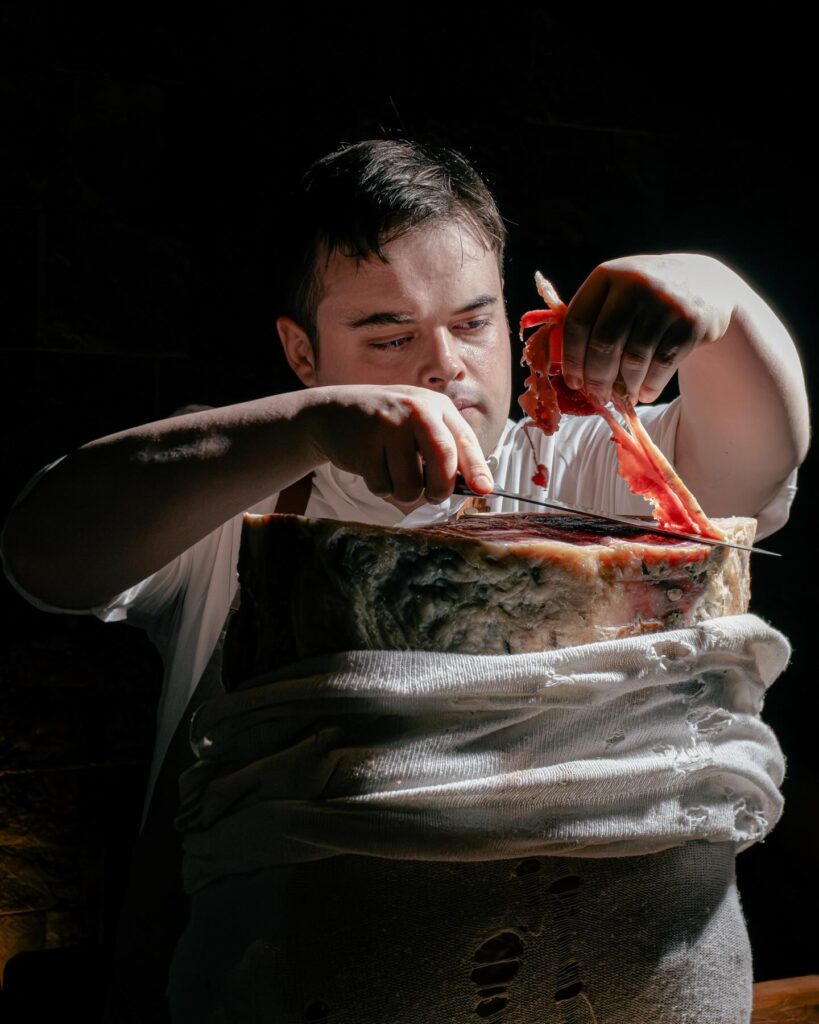
He explained his philosophy regarding the limited menu, confirming our suspicion that restriction enables focus. With fewer dishes to manage, he and his team can source ingredients with greater care, prepare elements with proper attention, and execute each plate to exacting standards. The ribeye, he noted, requires specific sourcing and dry-aging protocols that would become impossible to maintain across a broader menu.
His approach to cooking steak emphasised simplicity and respect for the ingredient. Quality beef, he argued, requires minimal intervention. Proper seasoning, precise temperature control, adequate resting, and careful timing matter far more than elaborate techniques or complex accompaniments. The green salad served alongside our ribeye reflected this philosophy, providing refreshment and contrast without distraction.
We discussed his aspirations briefly, sensing someone destined for significant achievement if current trajectory continues. His talent already exceeds his recognition, a situation that seems unlikely to persist as word spreads about La Cava’s transformation. He deserves the attention that will inevitably follow, though we confess to some selfishness in hoping discovery remains gradual enough to preserve the venue’s current intimate character.
Basque cheesecake: The singular conclusion
Dessert at La Cava offers no choice. A single Basque cheesecake represents the menu’s sweet conclusion, prepared with the same focus and attention that characterises savoury courses. This restriction, which might frustrate diners seeking variety, actually reinforces confidence. The kitchen has perfected one dessert rather than managing multiple preparations, ensuring consistency and quality.
The cheesecake arrived at our table freshly prepared, still bearing warmth from the oven. Basque-style cheesecake differs significantly from its American counterpart, achieving lighter texture despite rich ingredients. The exterior develops deep caramelisation during high-temperature baking, creating colour and flavour complexity whilst the interior remains creamy and barely set.
Peruvian chili morita brought unexpected warmth to the composition, its gentle heat building gradually rather than announcing itself immediately. This subtle spicing added dimension and prevented the richness from becoming monotonous across multiple bites. Cherry compote provided fruity sweetness and acid balance, its tartness cutting through cream and cheese whilst the fruit’s natural pectin contributed textural interest.
Vanilla ice cream accompanied the warm cheesecake, the temperature contrast enhancing both elements. The ice cream itself showed proper vanilla character, made with real beans rather than extract, its cold smoothness providing relief from the cheesecake’s intensity. Together, the components created a dessert that felt indulgent without being heavy, satisfying without overwhelming.
The portion proved generous enough to share comfortably between two diners, though we noted other tables ordering individual serves without apparent struggle. This was dessert that rewarded complete attention, each element contributing to a whole greater than its parts. The kitchen’s decision to perfect one dessert rather than offering multiple options showed wisdom that the final result justified entirely.
Reflections and return
We departed La Cava with the rare satisfaction that comes from genuine discovery. This was not dining that met expectations but rather exceeded them in ways we had not anticipated. The Australian ribeye alone would justify return visits, yet the entire experience demonstrated quality and focus that deserve recognition and reward.
The venue’s low profile seems almost deliberate, a conscious choice to build reputation through quality rather than marketing. Minimal Instagram presence and limited menu might discourage some potential diners, yet these same factors attract those who value substance over appearance. La Cava operates for people who understand that excellence often announces itself quietly.
Location within Rosewood Abu Dhabi provides both advantage and challenge. Hotel guests can discover the venue easily, yet its basement position and separate identity mean casual traffic remains limited. This creates an atmosphere of discovery, the sense that you have found something special rather than simply selecting from obvious options. We encountered this feeling repeatedly throughout our visit, the pleasure of uncovering quality that exists without fanfare.
The wine programme deserves mention beyond our initial comments. With monthly regional focuses and expert sommelier guidance, the venue offers education alongside enjoyment. Pairing suggestions enhanced our meal considerably, each wine chosen to complement specific dishes whilst offering individual interest. The collection’s breadth, spanning accessible to premium, ensures options exist regardless of budget or preference.
Service throughout the evening maintained professional standards without formality that would feel inappropriate to the setting. Staff demonstrated genuine knowledge about both food and wine, answering questions directly and making recommendations that proved consistently accurate. Their enthusiasm for the restaurant felt authentic, the pride of people working somewhere they genuinely respect.
We have already scheduled our return visit, such was the impact of this single dinner. La Cava represents everything we value in dining: quality ingredients, technical skill, thoughtful composition, and genuine hospitality. The chef and his team have created something special in this intimate basement space, a restaurant that rewards those willing to look beyond obvious choices and trust in focused execution over empty abundance. Abu Dhabi’s dining scene, already competitive and sophisticated, benefits enormously from venues like this that prioritise excellence above all else.