


Automated coffee systems are bringing a wider range of preparation choices into the home kitchen. A newly announced machine from Loewe Technology combines two coffee-bean grinders, adjustable drinks and a connected interface in a single appliance, reflecting how premium kitchen equipment is increasingly built around personal routines as well as performance.
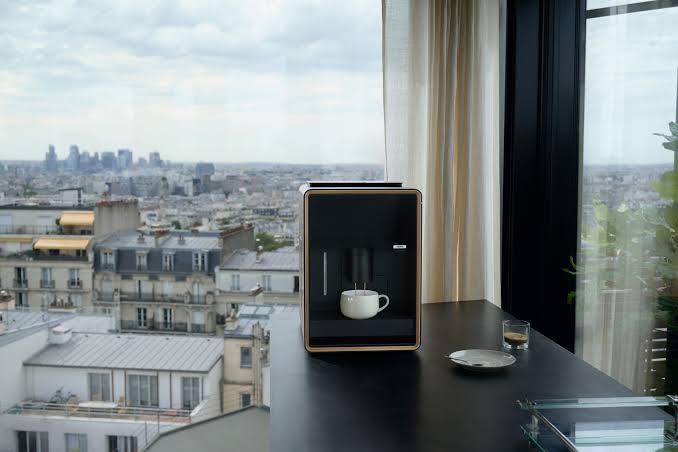
The aura.matic stores two varieties of coffee separately and allows users to switch between them or combine them. Its controls also support saved preferences for up to six people, positioning the appliance for shared households where tastes and schedules differ.
More choice within one appliance
Two coffees, separate settings
The machine uses two stainless steel conical grinders, each holding a different coffee. A user can select either variety or blend them, rather than emptying one hopper to change the beans. That arrangement makes it possible to keep a regular coffee and a decaffeinated option ready at the same time, or to vary a cup according to the time of day.
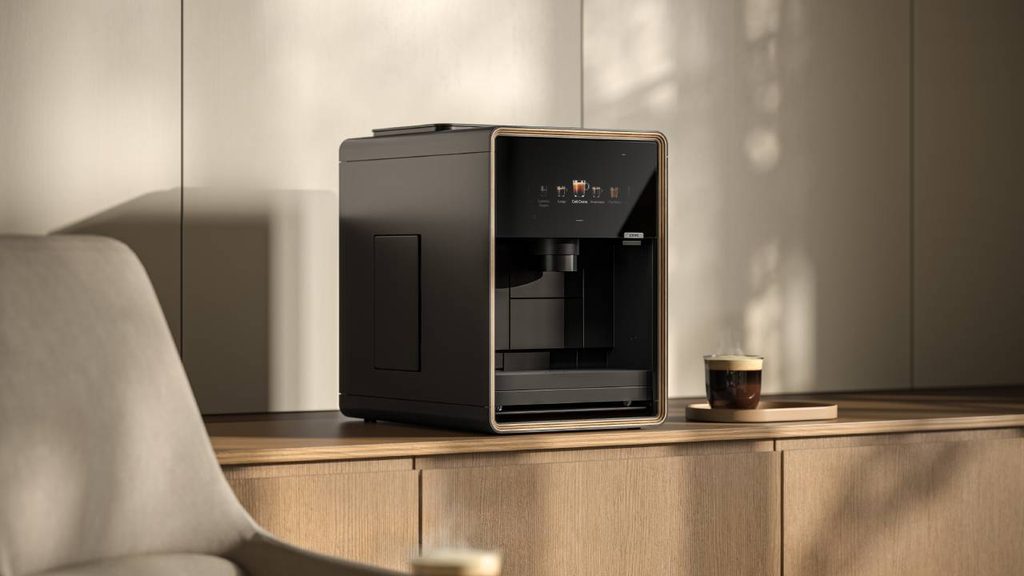
Its brewing system includes a removable 20-gram unit and two thermoblocks, one for coffee and one for milk. The design is intended to manage temperature for each part of a drink, while the removable brewing unit can be taken out for cleaning. The machine offers 18 pre-set specialities, with adjustments available to suit individual preferences.

Profiles for a shared kitchen
A seven-inch touch display provides the on-machine controls. The accompanying app can save drink settings in as many as six profiles and supports remote preparation. An integrated cup-detection sensor checks that a cup is positioned before brewing starts, adding a practical safeguard to the automated sequence.
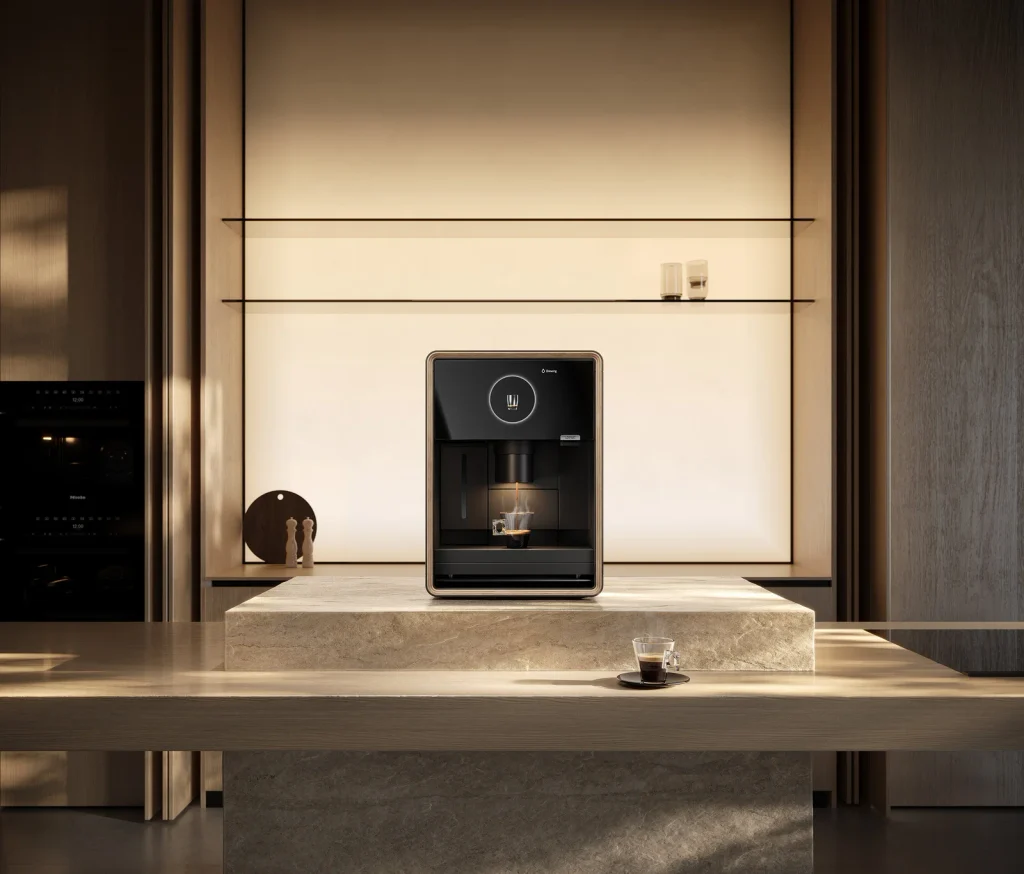
These functions address a familiar domestic challenge: one appliance may serve people who prefer different strengths, milk settings or coffee varieties. Stored profiles can reduce repeated adjustments, while the two-bean arrangement keeps more than one option available without requiring a separate grinder or machine for each preference.
Design that responds to the kitchen
Materials and visibility
The aura.matic combines an aluminium housing, a glass door and a wooden frame. Its 360-degree design presents the appliance from multiple sides, while the manually operated glass door can reveal the machine during use and conceal it when closed. Those details make the appliance part of the kitchen’s visual layout, not simply equipment that sits beside the kettle.
That approach reflects a broader design consideration for countertop technology. As kitchens become shared spaces for cooking, work and socialising, appliances are expected to fit the room when idle as well as function well when switched on. Materials such as wood and glass can soften the appearance of a machine built around metal components and digital controls.
Convenience and upkeep
Automation can make preparation more consistent, but maintenance remains part of everyday use. The removable brewing unit is designed to simplify cleaning, and the machine’s integrated milk system supports drinks that use milk. Users still need to follow the manufacturer’s care instructions for the grinders, brewing unit and milk components to keep the system working as intended.
The combination of remote controls, user profiles and cup detection also makes convenience dependent on setup. A household must configure its preferred drinks and connect the app before those features become useful. The benefit is therefore less about removing every step than about making repeated preparation more predictable for different people.
Personalisation becomes part of the coffee routine
For many households, coffee is both a daily habit and a point of difference. A dual-bean system makes that variation part of the appliance itself, while saved profiles give each user a way to return to familiar settings. The same machine can support quick preparation on a busy morning and a more deliberate cup later in the day.
The aura.matic is listed with a price of £5,000 or €5,000, with availability stated for later in 2026. Its specification brings together personalisation, cleaning access and a design intended to sit comfortably in a considered kitchen. Together, these features show how home coffee equipment is combining beverage preparation with the needs of a shared and carefully arranged living space.