


Few British cities have a reason for being quite so warm. Bath owes its name, its plan and its lasting draw to hot springs that rise through the limestone at around 46 degrees Celsius, the only natural thermal waters in the country. The Romans built their baths here and named the settlement Aquae Sulis. Modern visitors arrive for the same asset, now channelled through a contemporary spa set within a UNESCO World Heritage cityscape.
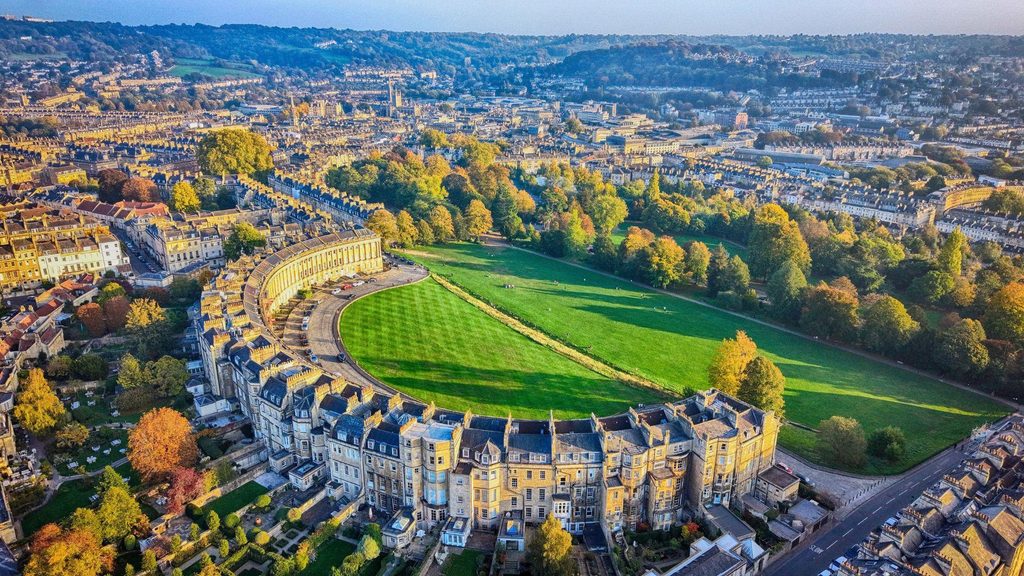
The result is a Bath city break that runs at a gentler pace. Days fold around bathing, walking and long dinners, with honey-coloured stone terraces lending every view a composed elegance. In autumn, when visitor numbers ease and the pale stone catches low light, the city makes a persuasive case for a weekend away.
A spa city in the true sense
The distinction matters more than it might first appear. Plenty of destinations describe themselves as spa cities; Bath is one of the few with geology on its side. The springs deliver more than a million litres of naturally warm, mineral-rich water each day, a resource that has been in continuous use, in one form or another, for some two thousand years.
The rooftop pool and the Wellness Suite
Thermae Bath Spa puts the waters to contemporary use. The Minerva Bath is the largest of its thermal pools, while the Wellness Suite gathers steam rooms and heated spaces for slower spells between soaks. The centrepiece for many visitors is the open-air rooftop pool, where warm water sits level with the surrounding rooftops.

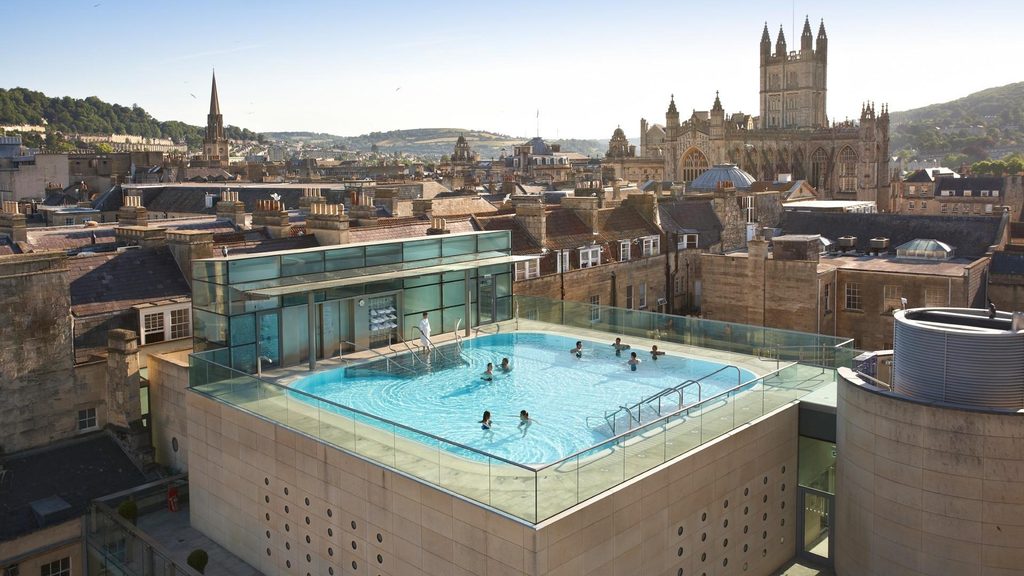
From the water, the view takes in church spires and terraced facades, an unusual vantage point over a World Heritage skyline. Few bathing experiences in Britain place swimmer and city quite so close together, and it accounts for much of the spa’s appeal to visitors planning a restorative break.
Streets that reward the wanderer
Bath is compact enough to explore on foot, and the geometry of the city encourages exactly that. The Royal Crescent, thirty houses set in a sweeping curve, was completed in the 1770s and remains one of the most photographed residential terraces in Europe. The Circus, a complete ring of Georgian facades begun by the elder John Wood in 1754, sits a short walk away and forms the city’s architectural heart.
From crescents to the abbey
Between the great terraces and the river, the streets narrow into lanes of independent shops and arcades. Pulteney Bridge, completed in 1774, carries shops across its full span, one of the few bridges in Europe to do so. Bath Abbey rises at the centre, its Gothic front dominating the main square.
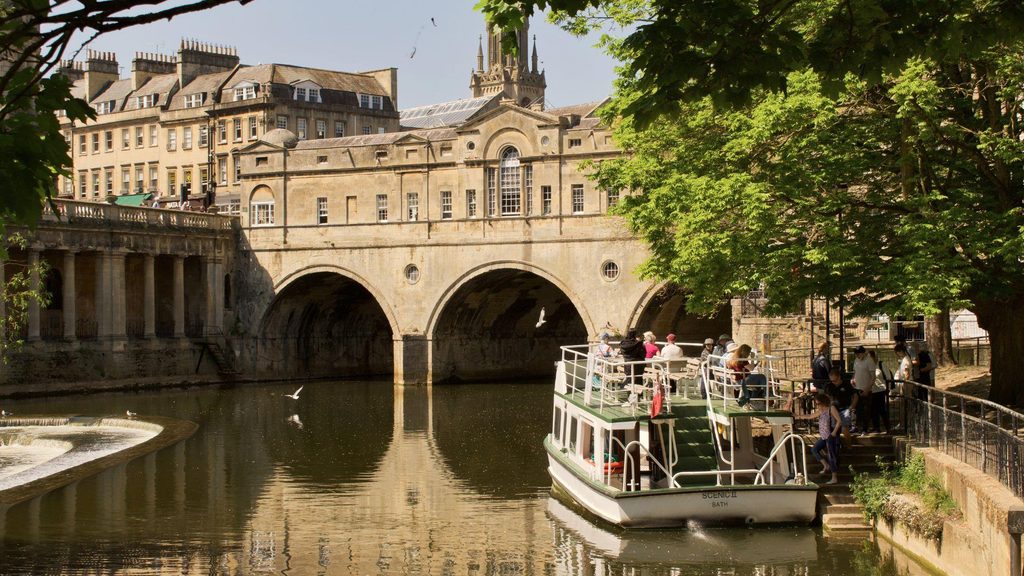
The city’s literary associations endure alongside the architecture. Jane Austen lived in Bath in the early nineteenth century, and two of her novels are set among its rooms and promenades. That heritage keeps a cultural thread running through the modern city, from museum interiors to organised walking routes.
Boutique stays and a Michelin table
Independent hotels in Georgian streets
The Queensberry Hotel, an independently owned townhouse hotel on a quiet Georgian street minutes from the centre, sets the tone for the city’s stay. Original cornicing, panelling and tall sash windows frame interiors that mix period detail with contemporary design, and the location places the main sights within an easy walk.
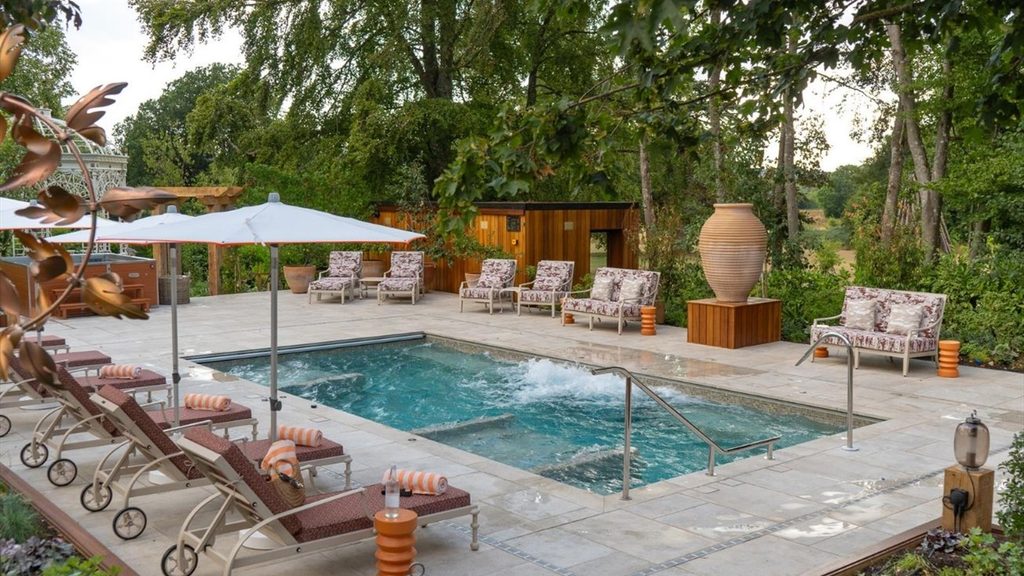
The Francis Hotel has added a spa to its own offer, with treatment rooms, a relaxation lounge and a courtyard for guests to unwind in before or after appointments. Aromatherapy treatments built around plant-based oils are among the programmes available.
The Olive Tree
Dining in Bath reaches its most decorated table at The Olive Tree, the city’s Michelin-starred restaurant, where chef Chris Cleghorn builds menus around British produce. Dishes arrive built on seasonal ingredients, from coastal seafood to farm-reared meat, and the kitchen sits within walking distance of the city centre hotels.
For anyone planning an autumn city break, Bath combines a rare natural asset with architecture, literature and dining in a compact centre. The essentials of the visit, a rooftop soak, a slow circuit of the crescents and a long evening at table, can all be achieved without straying far from the thermal water that started it all.