



Scott Blum, the entrepreneur behind Buy.com, Luxury Card, and Yoga Today, noticed a gap no yacht could fill: a vessel designed for active living and holistic wellbeing. As a seasoned yacht owner, he found the industry had yet to embrace the wellness revolution reshaping luxury travel and hospitality.
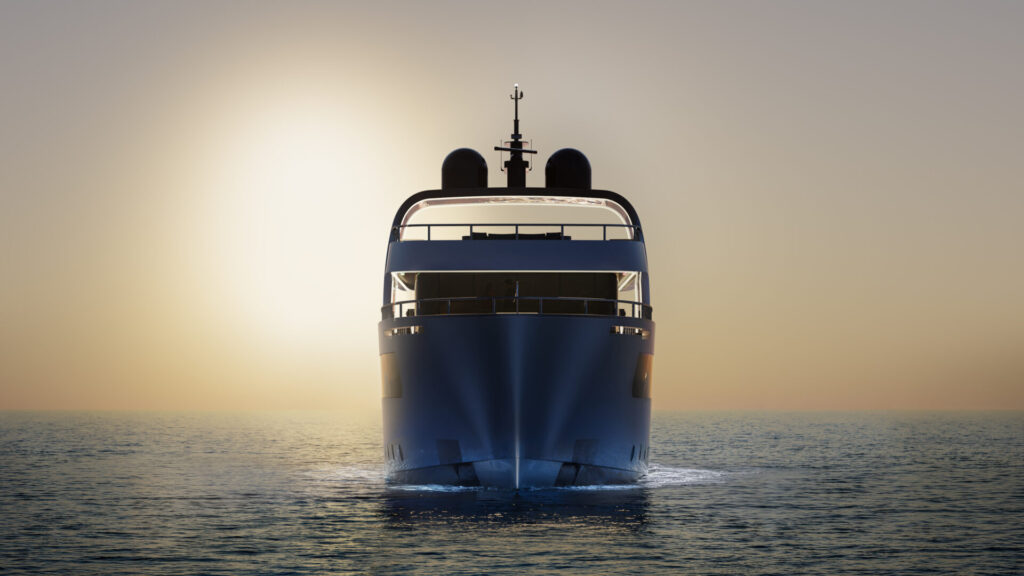
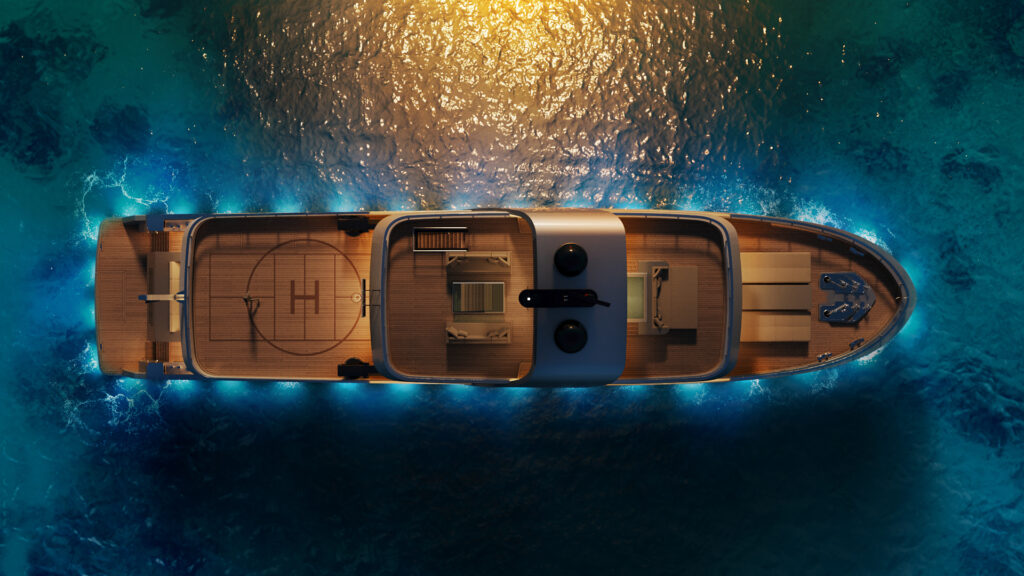
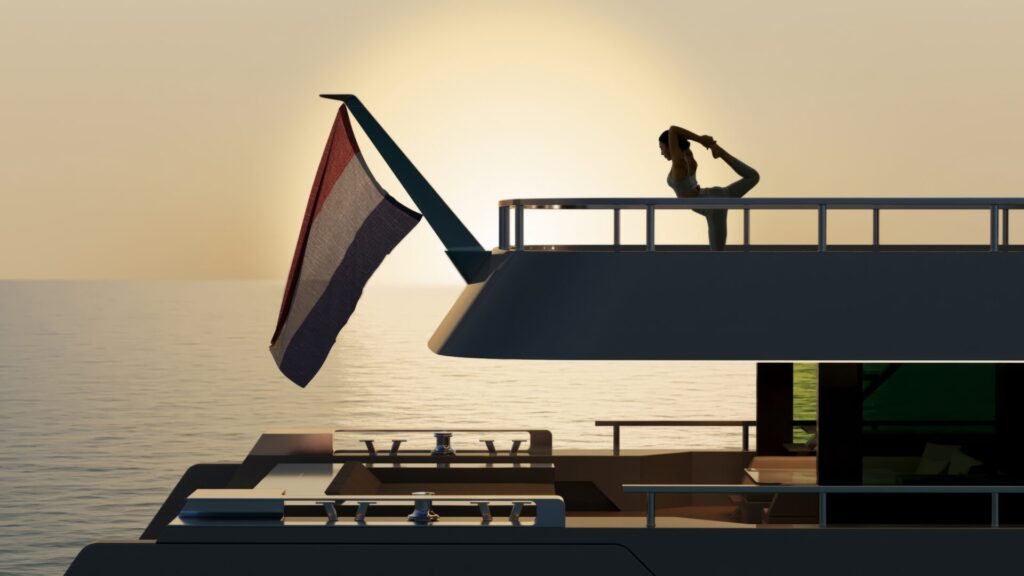
Rather than compromise, Blum partnered with award-winning Dutch designer Bernd Weel to create Sea Rover, a 42.5-metre yacht Dutch Design calls the world’s first wellness-first vessel. Four years of design work brought California-inspired minimalism, a bridge deck spa with 360-degree ocean views, and amenities usually reserved for much larger yachts including a full sport court, Japanese onsen-style tub, infrared therapy wall, and dual plunge pools—into a 140-foot design.
After building Buy.com into one of the largest online retailers in the early 2000s and later developing premium ventures such as Luxury Card, what specific insights from these diverse entrepreneurial experiences informed your approach to creating Dutch Design and the Sea Rover yacht?
“Three guiding principles have shaped Dutch Design from the outset. The first is the belief that a true luxury product is built through intentionality, where every material, feature, and interaction feels considered and elevated. The second is the importance of innovation; industries only move forward when someone is willing to introduce ideas that have not been explored before.
“The third is an unwavering commitment to your customer; I have always believed in delivering what I would describe as a six-star level of service, and that philosophy was woven into the Sea Rover project from day one.”
The wellness industry has grown substantially over the past decade, yet the yachting sector has remained largely traditional in its design philosophy. When you first identified this gap in the market during your search for a wellness-first vessel, what were the specific features or amenities you found conspicuously absent from existing yachts that convinced you to develop your own solution?
“On most yachts, the fitness space is hidden in a dark corner or at the very bottom of the boat. We reversed that entirely. On Sea Rover, the wellness offering is located on the main deck and features a dedicated spa room, an indoor gym, and an outdoor fitness area that function as one holistic environment.
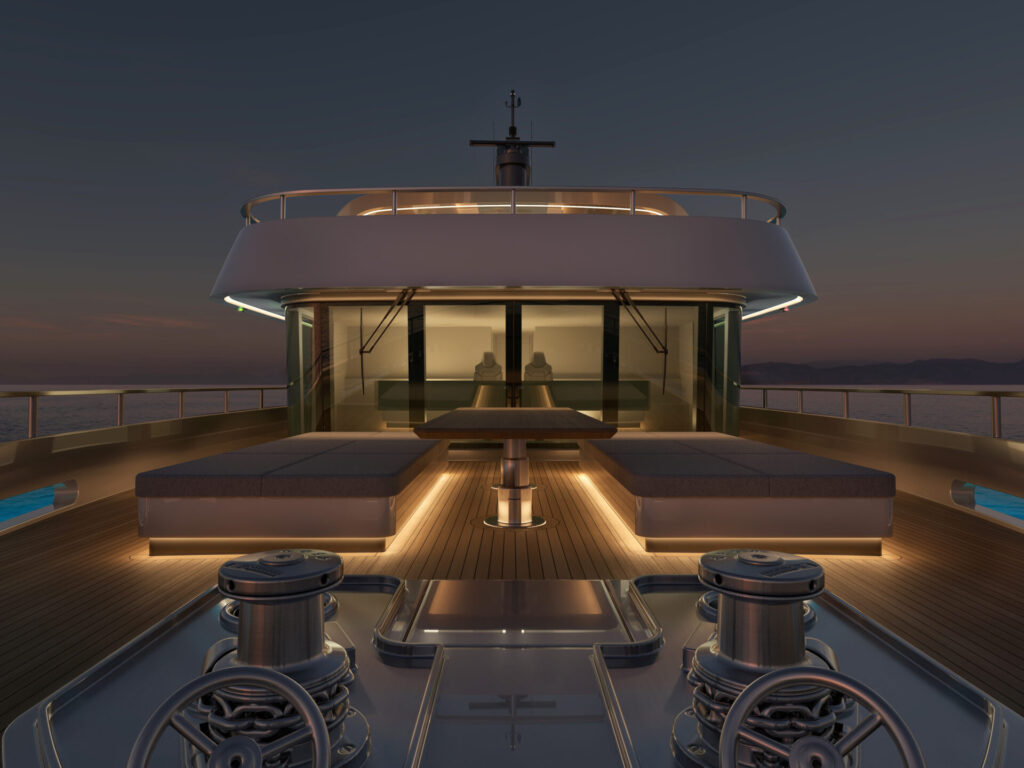
“We also approached the interior design differently, as many yacht interiors rely on bold color and ornate finishes. We wanted a restorative atmosphere grounded in soft tones and minimal color. The palette is guided by research into how different tones influence mood and physiology, and those insights are reflected throughout the design. The result is an environment that supports wellness both physically and emotionally, which has not been seen in the marine space.”
Sea Rover incorporates features typically found on 300-foot yachts into a 42.5-metre design, including a bridge deck spa, gym, sport court, and an innovative glass-walled engine room passage. How did you and Bernd Weel navigate the engineering complexities of condensing these amenities whilst maintaining the functionality and comfort that owners would expect from a much larger vessel?
“From the very start of the engineering and design process, Bernd and I agreed that the essential spaces could not be compromised. Delivering that within a smaller footprint required four years of serious engineering work. We first explored a 35-meter layout, and it did not function as intended. At 40 meters, the flow still was not right. Even at 42 meters, we were close but not fully there. Only at 42.5 meters did every space integrate properly, it was all about trial and error until we achieved what we set out to create.”
You and Bernd Weel dedicated four years to perfecting Sea Rover, refining every detail to perfection. Looking back at this deliberate creative process, which specific design evolution or breakthrough moment proved most crucial in achieving the exceptional vessel that will be delivered in 2028?
“There were several defining moments. One was the development of the “Lightwell”, which is a vertical architectural staircase that carries light from the top of the yacht through the center of the vessel, and it completely transformed the interior.
“Another was the creation of the glass-walled engine room passage, as traditionally, engine rooms are hidden. We chose to highlight the engineering in the same way that a high-performance car displays its engine under glass, which has never been done in this way on a yacht before.”
Dutch Design’s headquarters in Amsterdam, a historic canal house designed around Japanese minimalism, serves as an immersive experience space where prospective owners can stay and understand the yacht’s aesthetic before purchase. How did your experience building premium brands influence this decision to create an immersive environment, and what response have you received from potential owners who’ve experienced this unique presentation?
“My experience with premium brands has shown how powerful environments can be in shaping perception. The canal house mirrors the calm and intentional aesthetic of Sea Rover. When committed buyers are invited to step into that space, they immediately understand the design language in a deeper way. The experience offers owners the opportunity to meet with our design team to explore custom finishes and collaborate on the vessel’s final design decisions.”
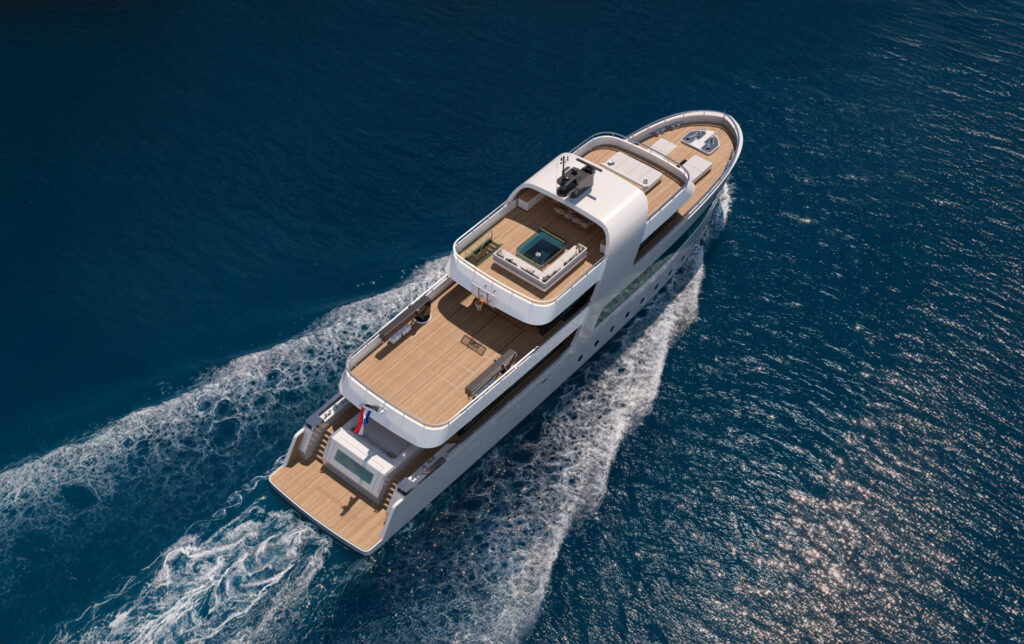
You’ve strategically chosen to offer Sea Rover as an exclusive series of just 10 semi-custom yachts, ensuring each vessel receives meticulous attention and personalisation. From a business strategy perspective, what advantages does this curated approach provide in terms of maintaining the exceptional quality standards, owner experience, and long-term vessel value appreciation that define the Sea Rover offering?
“The vision was to create something that feels similar to a custom home: personal, meticulously crafted, and truly one of one. Many large yacht builders follow a volume model, producing the same design repeatedly, which can dilute long-term value. By combining exceptional quality, a strong brand identity, and very low production numbers, these 10 vessels are positioned to retain their value over time.”
Wellness-focused amenities such as the infrared therapy wall, dual hot and cold plunge facilities, and the 360-degree views from the bridge deck gym suggest a deep understanding of how active owners actually use their vessels. How did your own experiences as a seasoned yacht owner shape these specific design decisions, and what feedback from other yacht owners influenced the final configuration?
“The design and features aboard Sea Rover reflect a blend of perspectives. We used my experience as an owner, Bernd’s expertise, the insights of our captains, and feedback from guests to inform a well-rounded point of view that speaks to all aspects of the vessel and considers a variety of touchpoints.”
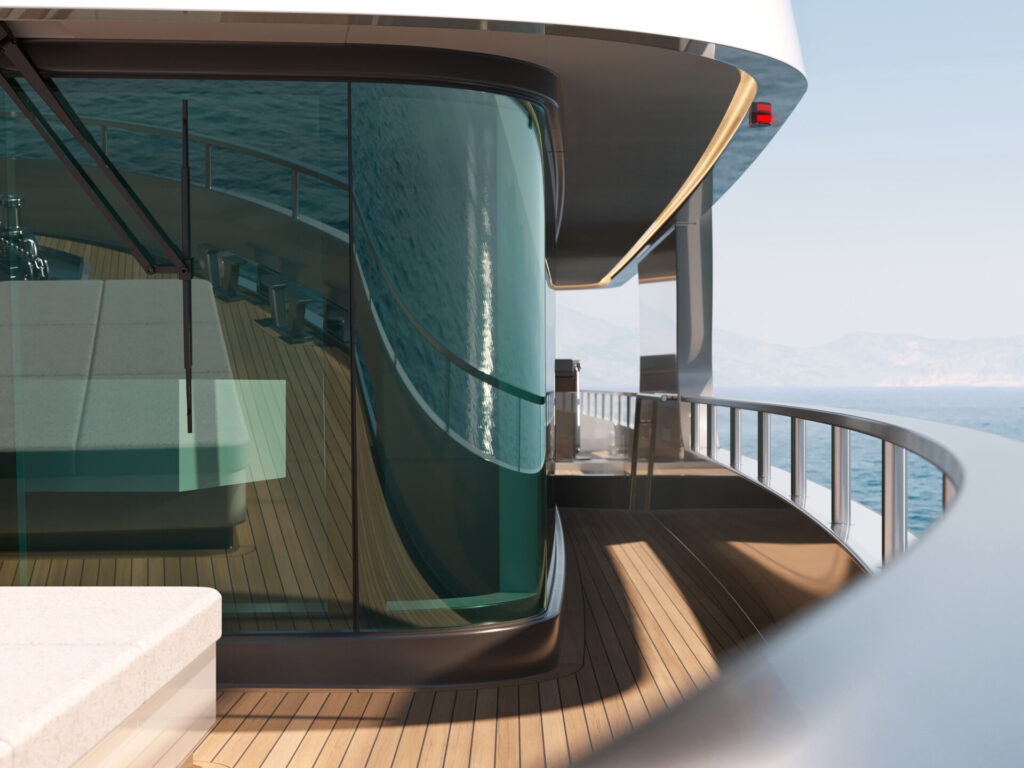
The partnership with PENT. fitness demonstrates a commitment to bringing best-in-class wellness brands aboard. As you continue to develop Dutch Design’s reputation in the marine sector, what opportunities do you envision for collaboration between the yachting industry and other lifestyle sectors that have traditionally operated independently?
“There is significant potential for collaboration with best in breed luxury brands and we plan to do just that. In many areas of the luxury space, cross category partnerships are common, while in yachting, they are incredibly rare. We are planning several collaborations ahead of our first vessel delivery across wellness, sleep, style, hospitality, and many other aspects of the onboard experience.”
With Sea Rover setting what you describe as a new standard in the yachting industry by prioritising wellness alongside traditional luxury, how do you anticipate this wellness-first philosophy will influence broader trends in yacht design over the next decade, and what role do you see Dutch Design playing in shaping that evolution?
“I believe that Sea Rover sets a new benchmark for what a modern yacht can be. Whether others choose to follow the path we are paving remains to be seen, but we already know that certain elements are drawing attention. If our work inspires others to take wellness seriously or to pursue more ambitious innovation, that is a positive step for the industry. Dutch Design is leading that conversation and we are committed to continuing that role.”