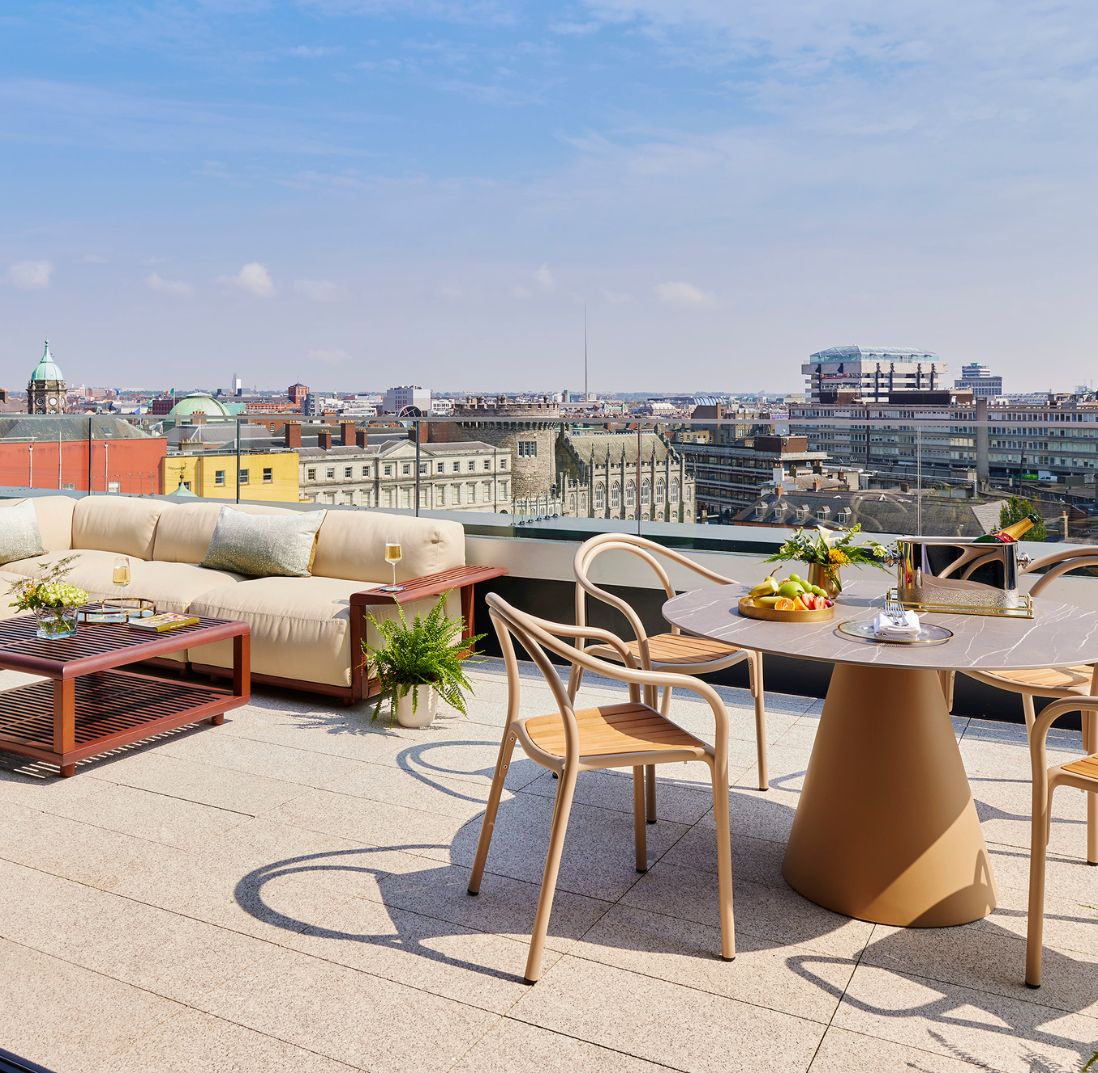


A Dublin city break with room to rest
A city break can promise culture, dining and long walks, yet still leave little room to pause. In Dublin, where historic streets and contemporary city life sit close together, a growing hospitality idea brings restorative facilities into the centre of the itinerary. The Chancery, a 150-room hotel beside Dublin Castle, presents that combination through calm guest rooms, destination dining and an on-site Wellness Hub.
The concept reflects a wider shift in how visitors use urban hotels. Rather than treating the room as a place to sleep between activities, a stay can include deliberate time for rest, movement and recovery. That approach may appeal particularly to visitors balancing sightseeing with work or seeking a slower pace without leaving the city behind.
A base beside the city’s historic core
The hotel’s location places it in central Dublin, near the castle and within reach of established cultural landmarks. From there, visitors can shape a day around museums, libraries, churches and the city’s streets, returning to the hotel between outings rather than planning every hour around transport.
That convenience can change the texture of a short break. A morning walk need not become a race to catch a transfer, and an afternoon pause can be part of the day rather than a compromise. The city remains close, but the schedule can have more breathing space.
Wellness as part of the urban stay
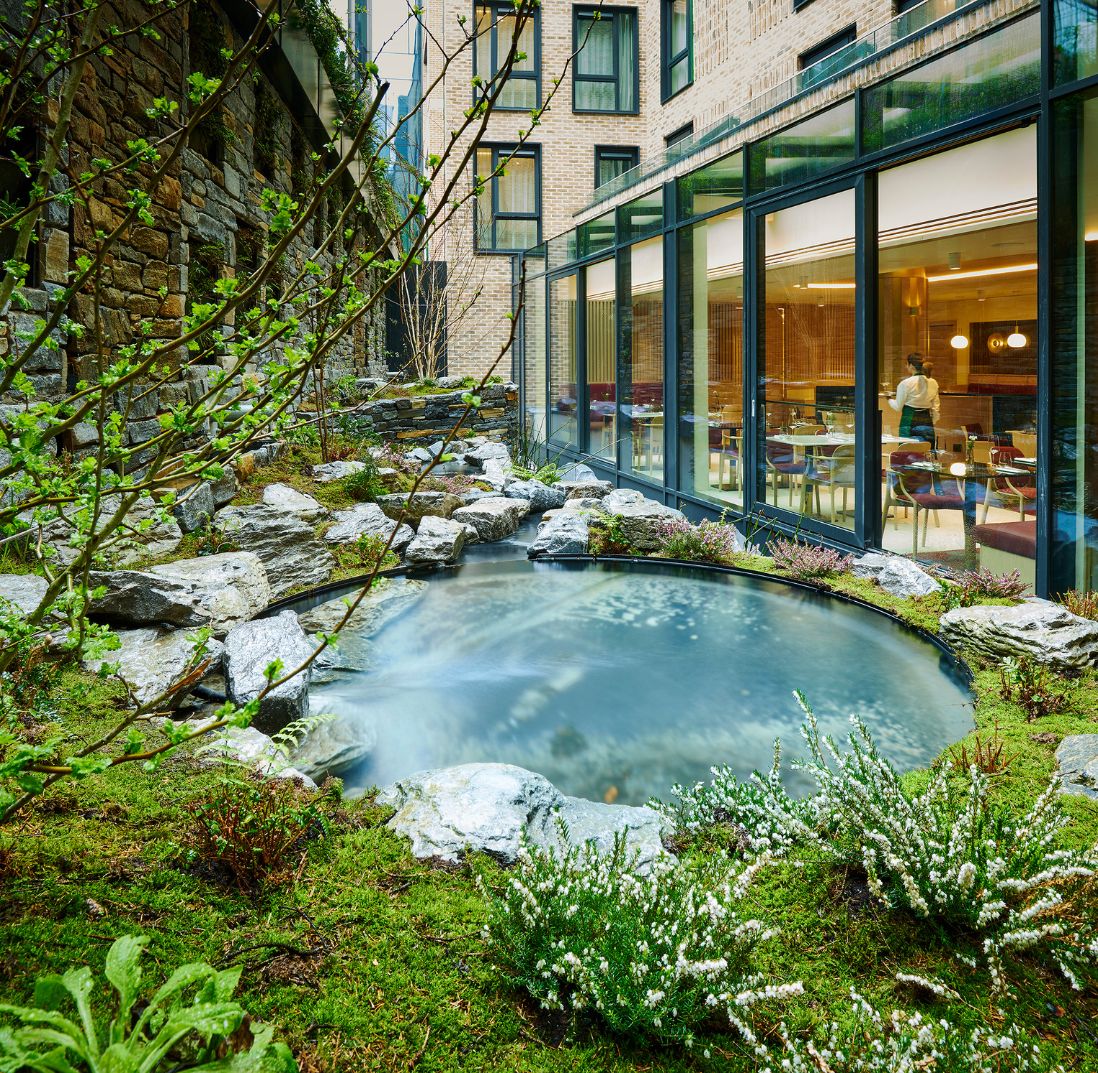
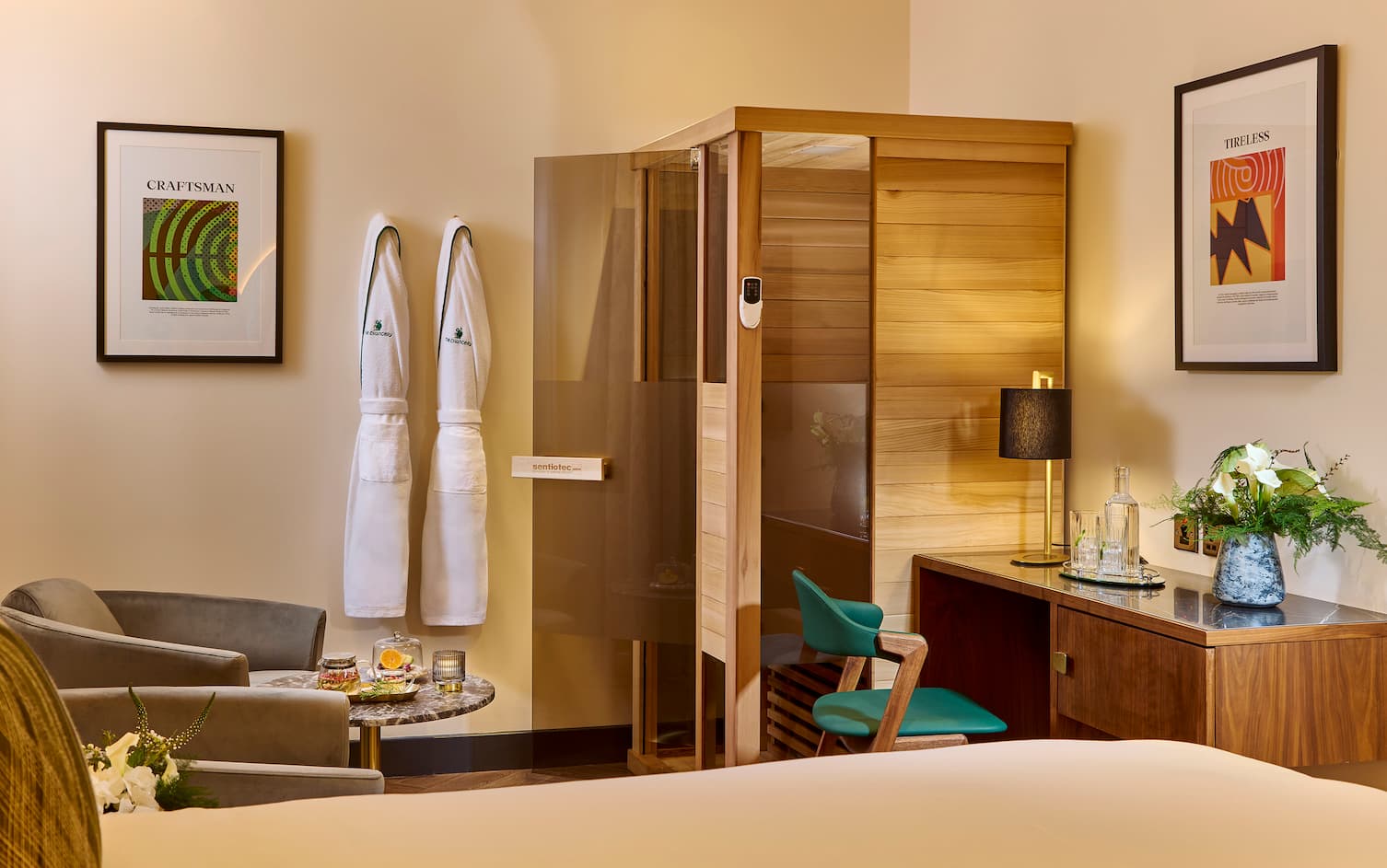
The Chancery’s official description places its Wellness Hub alongside its dining and accommodation as a central part of the guest experience. The hotel describes the facility as a place to unwind after travel and city activity. Its presence gives visitors the option of balancing a day out with time set aside for relaxation on site.
Room design that favours calm
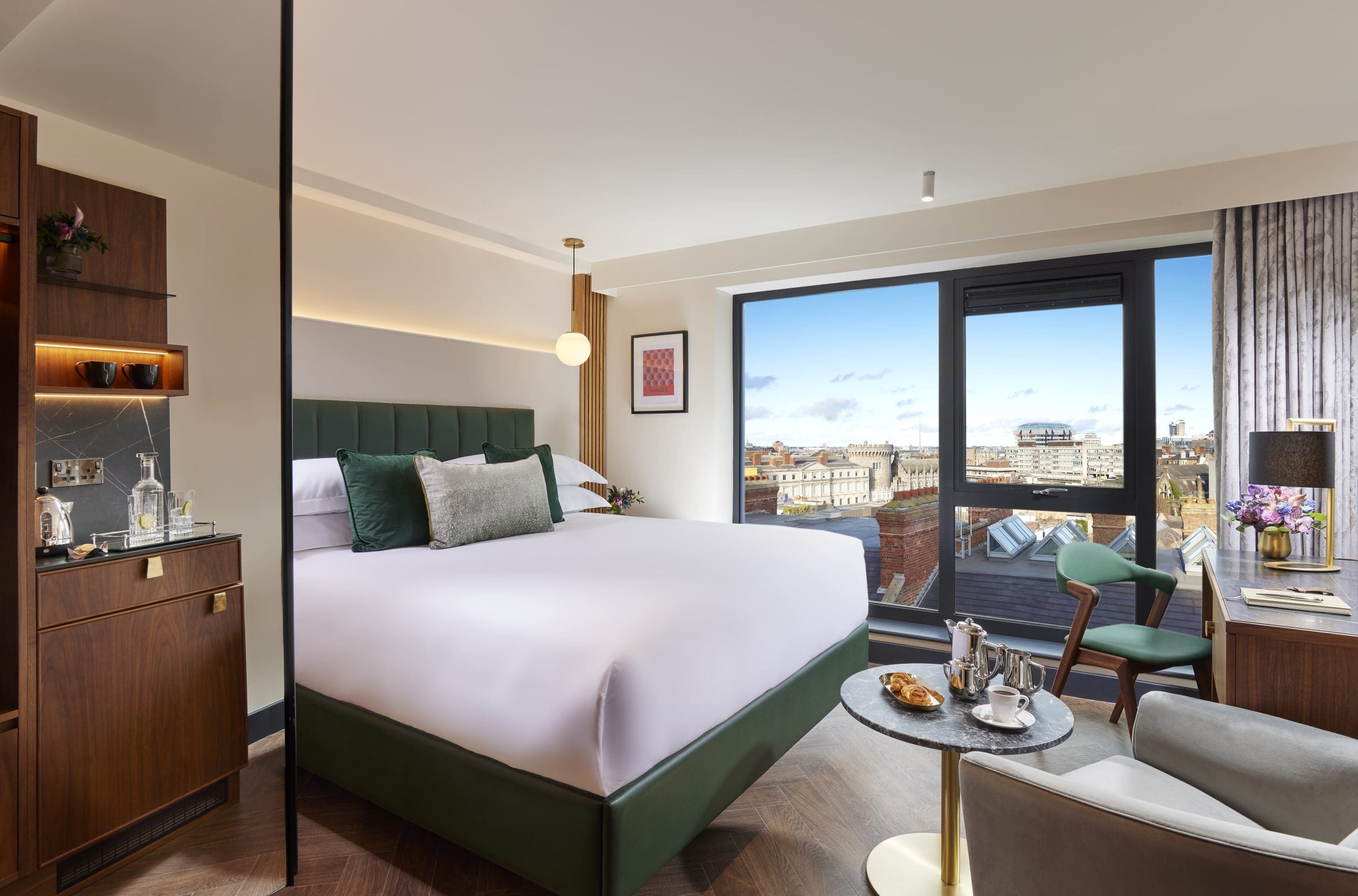
The hotel describes its bedrooms as pared-back and practical, using natural materials and a restrained design approach. Its stated room features include herringbone hardwood floors, bedside USB ports, electronically controlled blinds and lighting, and Irish-made King Koil mattresses. These details point to comfort built around everyday use rather than ornamental excess.
For guests, thoughtful control over light and a comfortable place to rest can make a difference after a full day on foot. A quieter room also creates a useful contrast with the activity outside, making it easier to alternate between exploration and downtime.
Space to pause between plans
A wellness facility within a city hotel can remove the need to travel elsewhere for a moment of quiet. It allows visitors to leave open space in an itinerary, whether that means a slower start, a mid-stay pause or time to decompress after an evening in town.
The value is not in packing more into the visit. It lies in having options close at hand and choosing them according to energy, weather and interest. For visitors who prefer an unhurried city break, that flexibility can be as important as proximity to attractions.
Dining and design rooted in place
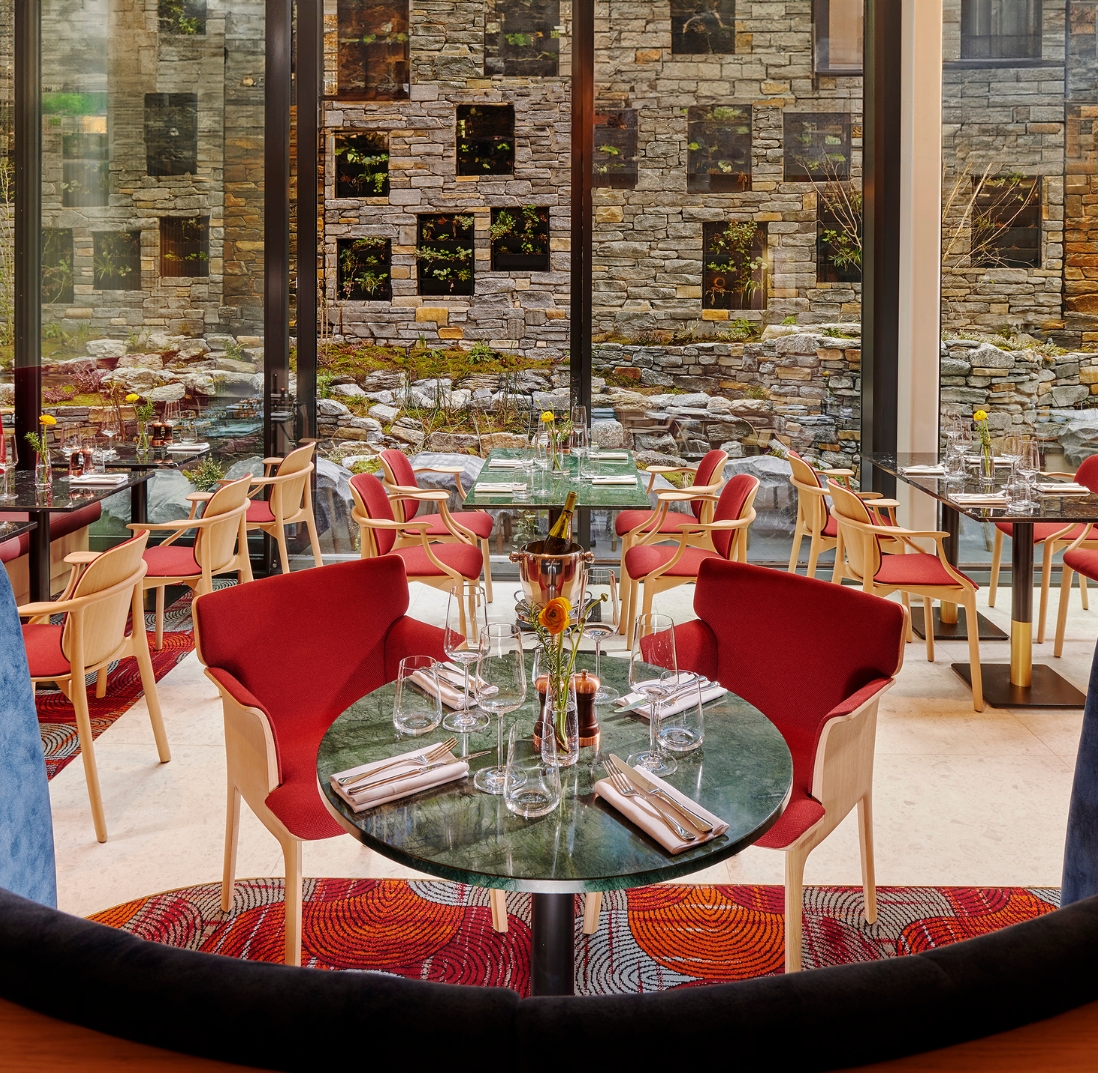
The hotel’s restaurant, Fawn, is described as drawing on Italian influences and serving as more than a dining room reserved for overnight guests. That framing connects the property with Dublin’s wider food culture, while its central location makes dinner one part of an evening rather than the sole reason to remain on site.
Contemporary hospitality with local character
The Chancery says its design responds to the character of historic Dublin, combining contemporary hospitality with references to the surrounding city. Natural materials and warm communal spaces feature in its account of the interiors, while the rooms use a calmer palette and practical details.
The hotel also states that it is LEED Gold certified and that sustainability was considered from conception through construction. That claim places environmental performance within its account of the building, rather than presenting design as a purely visual exercise.
Making a city break feel less hurried
Dublin’s compact centre supports an itinerary that can be adjusted as the day unfolds. Visitors can move between historic sites, neighbourhood streets and meals, then return to the hotel for quiet time without turning rest into a separate excursion. The Chancery’s combination of central accommodation, a Wellness Hub and dining gives one example of how an urban stay can accommodate both activity and pause.

A flexible approach to travel
Not every visitor wants a tightly scheduled break. Some prefer a clear anchor point, a few places of interest and room for spontaneous discoveries. A centrally placed hotel with restorative facilities can support that style by keeping everyday comforts close while leaving the city accessible.
For women travelling alone, with friends or as part of a family, a considered base can also make the practical side of a visit simpler: time to reset, a place to return to and fewer journeys across town. The most memorable city breaks are not always the busiest. Sometimes the appeal is having enough space to enjoy Dublin at a pace that feels personal.