



Gianvito Mangano is the Owner and Director of Operations of Canne Bianche Lifestyle Hotel, a five-star luxury property situated along the coast of Torre Canne, Puglia. His path in hospitality began before his formal studies, with early experience at Dorchester Collection’s 45 Park Lane in London, followed by a front office internship at Baglioni Hotel London. He went on to graduate from the École hôtelière de Lausanne in 2019, one of the world’s most respected institutions for hospitality management.
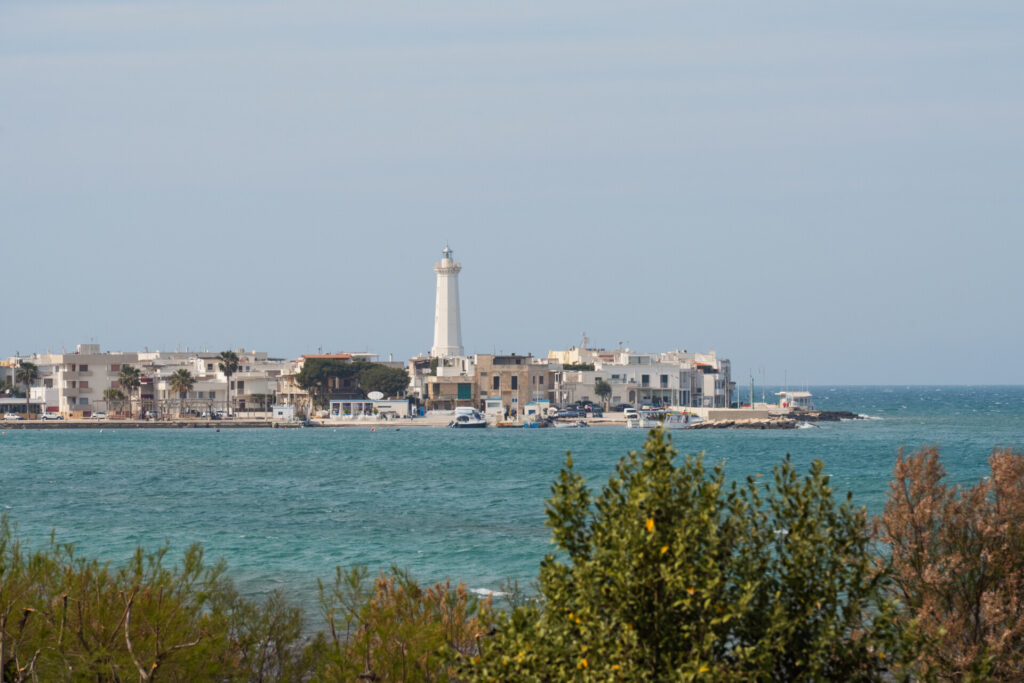
Returning to Canne Bianche that same year, Gianvito has played a central role in the hotel’s evolution from a four-star to a five-star property, guiding its development into a recognised name within international luxury travel. Under his leadership, the hotel joined Small Luxury Hotels of the World and secured a place within several leading global programmes, including SELECT Preferred Partner in 2020 and Serandipians in 2023, before joining Virtuoso’s portfolio of luxury travel partners in 2025. The property has also been awarded a MICHELIN Key in both 2024 and 2025, and is now proudly recognised as a One MICHELIN Key property.
You trained at the École hôtelière de Lausanne and gained early experience at two of London’s most celebrated hotel addresses before returning to lead Canne Bianche. How did that combination of world-class education and international exposure inform the vision you brought back to Puglia?
“My experience at École hôtelière de Lausanne gave me a structured understanding of hospitality as a system, where operations, finance, and guest experience all need to align to create long-term value. That was reinforced in London, where I worked in highly demanding environments that emphasised precision, consistency, and attention to detail at every level.
“At the same time, I was fortunate to return to a property that already had a strong identity and ambition. My father had built the foundations of Canne Bianche with a clear vision rooted in authenticity and care. My role was therefore not to reinvent, but to bring order and structure, refining what had been created, introducing more disciplined processes, and elevating the overall standard.
“The real value of my international exposure was understanding how to translate global best practices into a local context without losing identity. That balance between structure and authenticity has shaped the vision we continue to develop today.”
Canne Bianche achieved its five-star designation in 2019, and has since earned the Michelin One Key Award for two consecutive years, joined Small Luxury Hotels of the World, and become a Virtuoso Preferred Partner. What has been the strategic thinking behind building that portfolio of recognition, and what does it signal to the international market?
“When I joined the hotel, it coincided with our first year as a five-star property. That meant we were effectively repositioning ourselves, and much of the work in terms of communication, segmentation, and international outreach still had to be built.
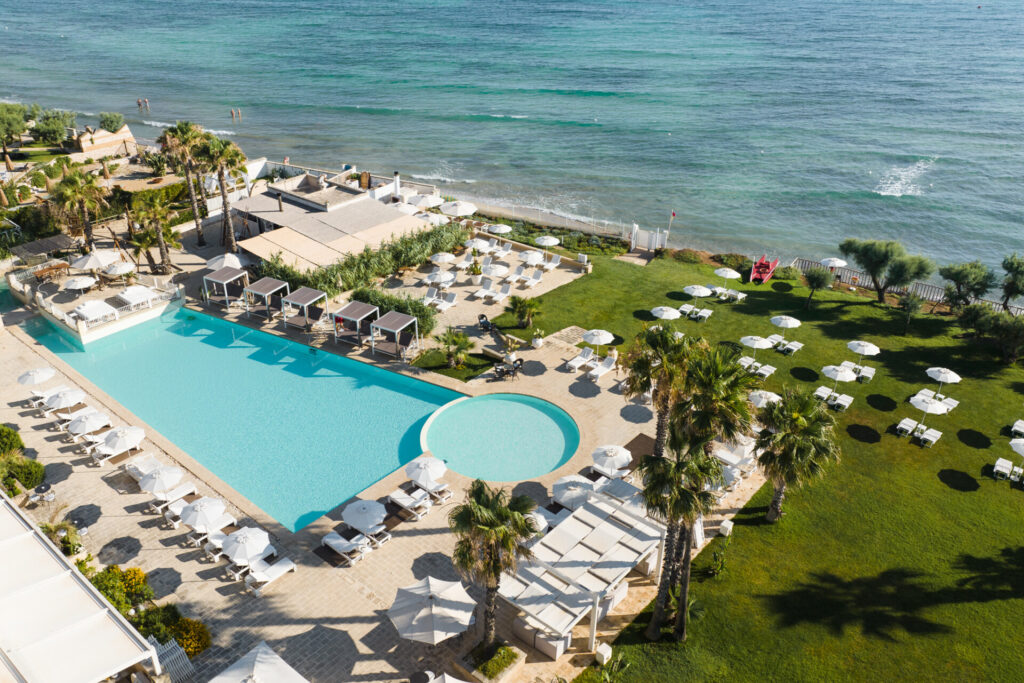
“Together with our Sales Director, Nicola Semeraro, we approached this phase strategically. We analysed which markets were already showing strong interest in Puglia and identified the right distribution channels and partnerships to access them. From there, we developed a clear roadmap and executed it consistently.
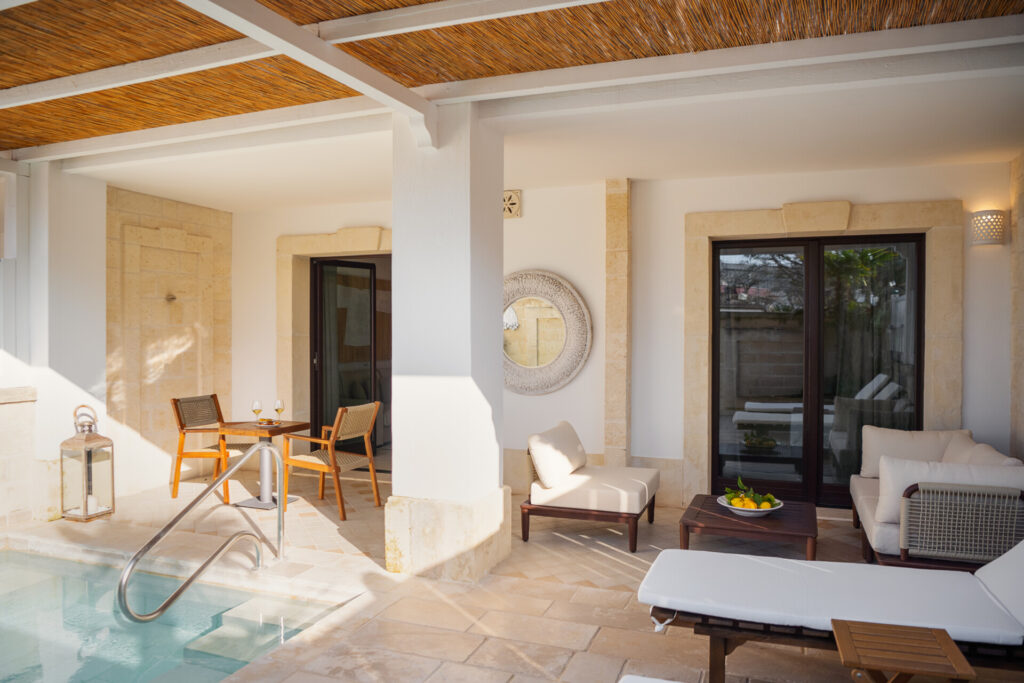
“The recognitions we have achieved (Michelin One Key, inclusion in Small Luxury Hotels of the World, partnership with Virtuoso and more) were never objectives in isolation, but rather the result of a coherent positioning strategy. Today, they signal credibility, consistency, and alignment with the expectations of the international luxury traveller, reinforcing our presence in the markets that matter to us.”
Puglia has established itself as one of Italy’s most sought-after destinations while retaining a distinct sense of place. How have you shaped Canne Bianche’s identity around that regional character, and why do you believe authenticity has become such a powerful asset in luxury hospitality?
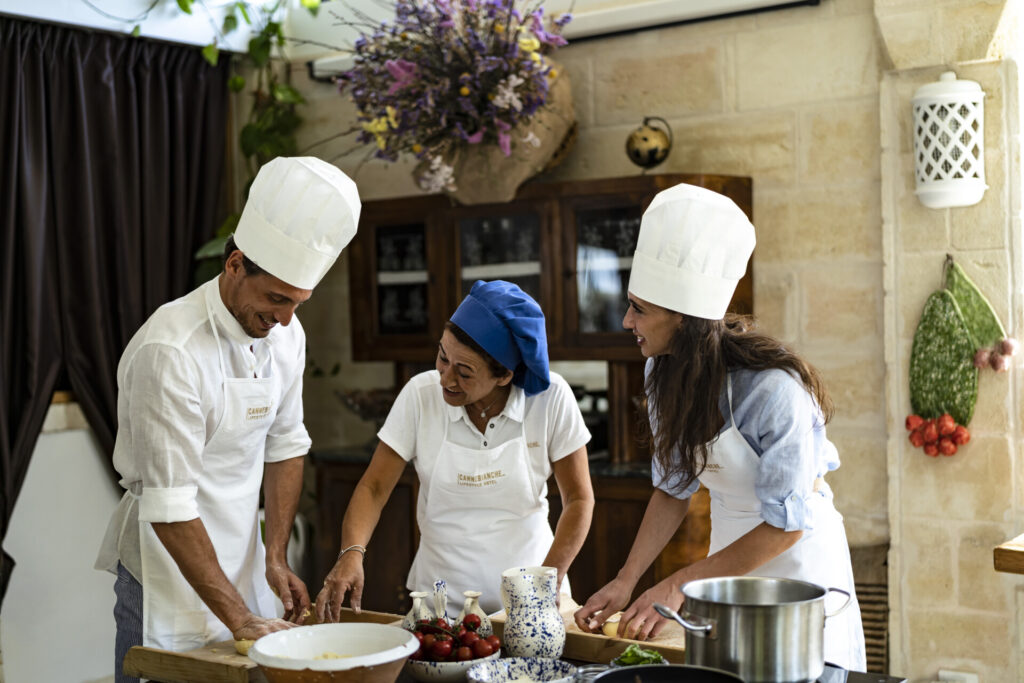
“We are very fortunate to operate in a region like Puglia, which offers an extraordinary diversity of experiences: from gastronomy and culture to nature and traditions. This allows us to respond to a wide range of guest expectations, but always starting from the same principle: everything we offer must be rooted in the territory.
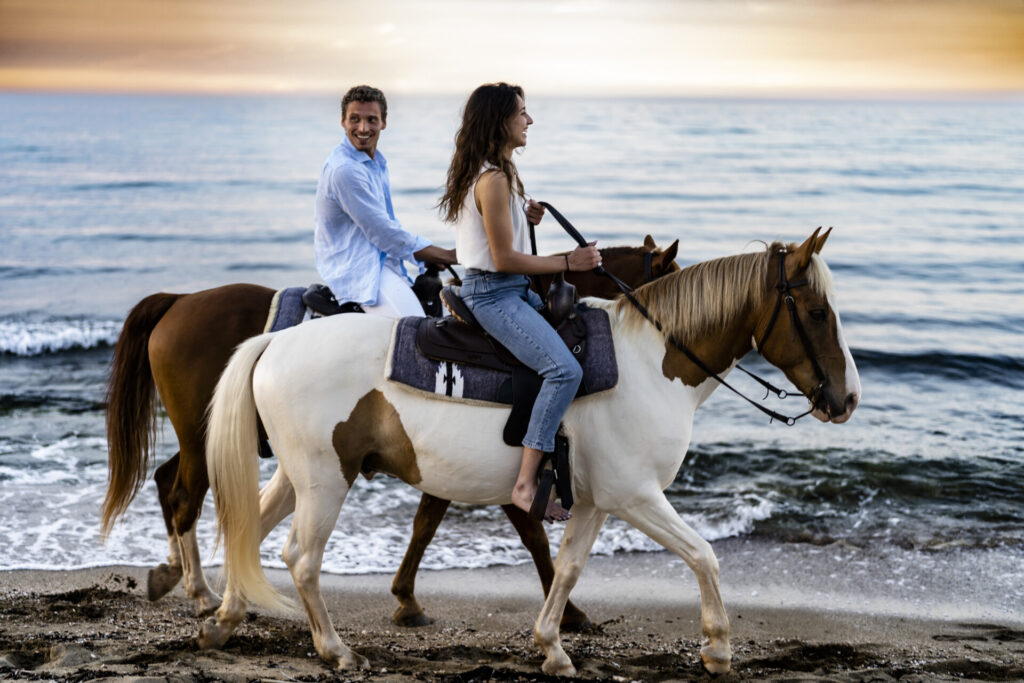
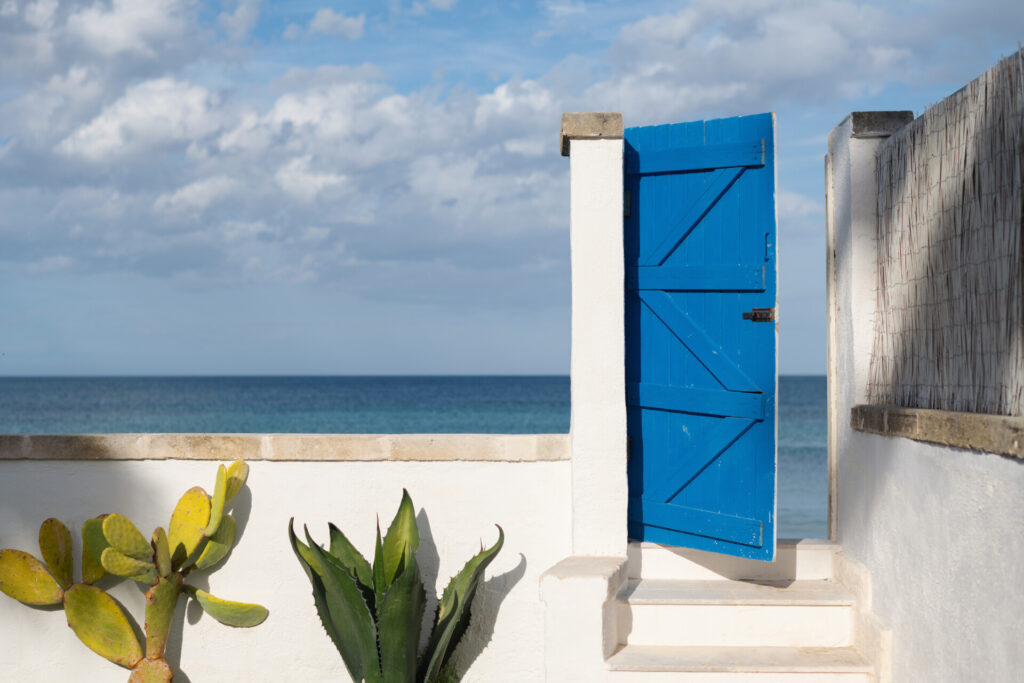
“At Canne Bianche, we make a conscious effort to constantly remind our guests where they are, not only through activities and excursions, but through cuisine, materials, design choices, and the people they interact with. Our goal is not to replicate a global luxury model, but to interpret luxury through the lens of our region.
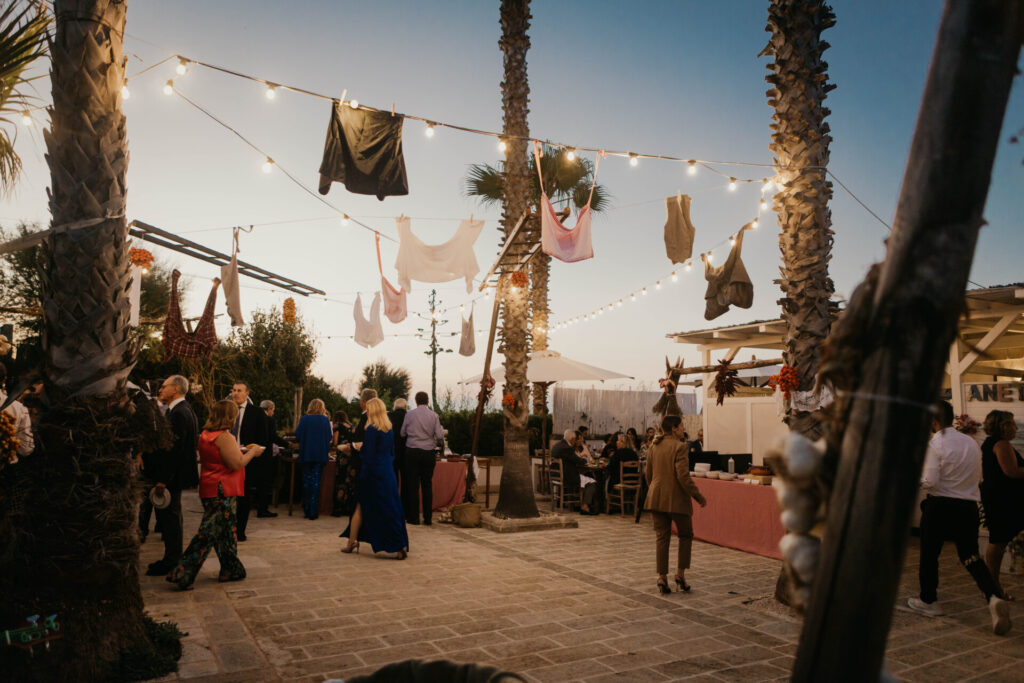
“Authenticity has become a powerful asset because the profile of the traveller has evolved. Today’s guests are increasingly experiential: they are not simply looking for comfort, but for meaning and connection. In a world that is highly standardised and technology-driven, places that can still offer a genuine sense of identity stand out. Puglia is one of those places, and our role is to translate that into a coherent and high-level hospitality experience.”
Personalisation sits at the heart of the modern luxury experience. What is your philosophy for delivering stays that feel genuinely individual, and how do you build that thinking into the broader strategy of the hotel?
“For us, personalisation is not something that happens during the stay. It begins well before the guest arrives. We have developed a structured approach through our concierge team, which establishes contact in advance to understand preferences, expectations, and travel motivations.
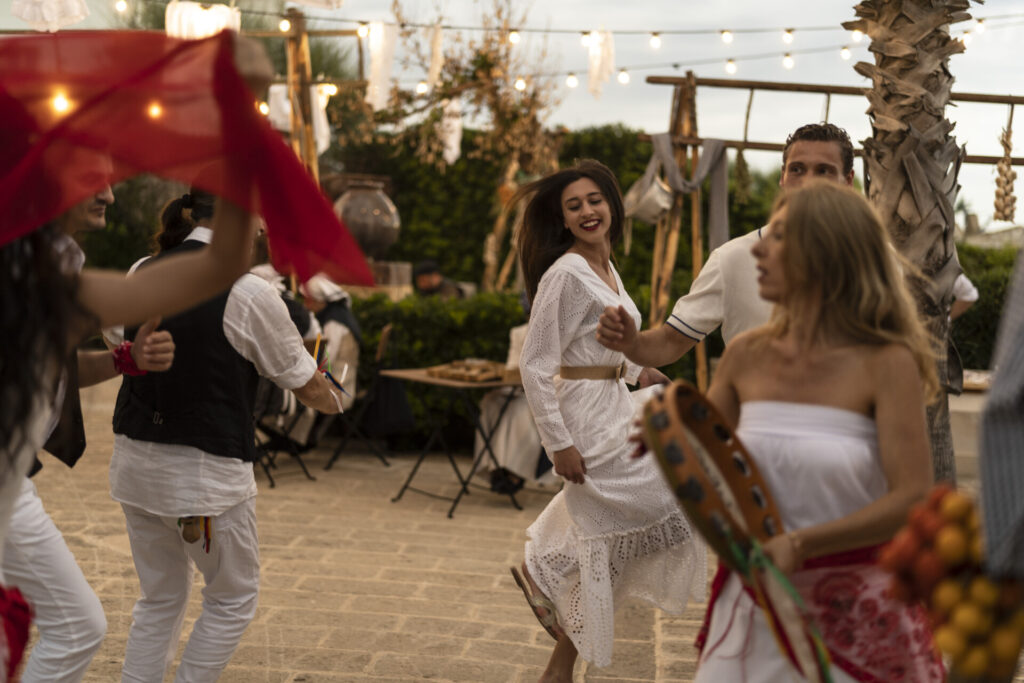
“This early interaction allows us to curate experiences that are aligned with each guest’s personality, rather than offering a standardised set of options. The objective is to create a sense of naturalness and relevance, so that everything feels intuitive rather than orchestrated.
“From a strategic perspective, this requires strong internal organisation, information flow, and team alignment. What the guest perceives as effortless is actually the result of a well-coordinated process behind the scenes. True luxury today lies in this ability to combine structure with spontaneity, delivering experiences that feel both personal and authentic.”
You lead the property alongside your father, Antonio, who remains closely involved in its strategic direction. Family-led businesses at this level bring a particular kind of long-term thinking. How has that partnership shaped the way you approach growth and decision-making?
“Working alongside my father creates a very strong and complementary dynamic. While I bring a background shaped by formal education and international exposure, he represents the classic self-made entrepreneur, someone with deep intuition, resilience, and the ability to navigate complex situations with clarity.
“I have learned a great deal from his approach, particularly in terms of long-term vision and adaptability. At the same time, I contribute a more structured and analytical perspective, especially when it comes to processes, performance, and strategic planning.
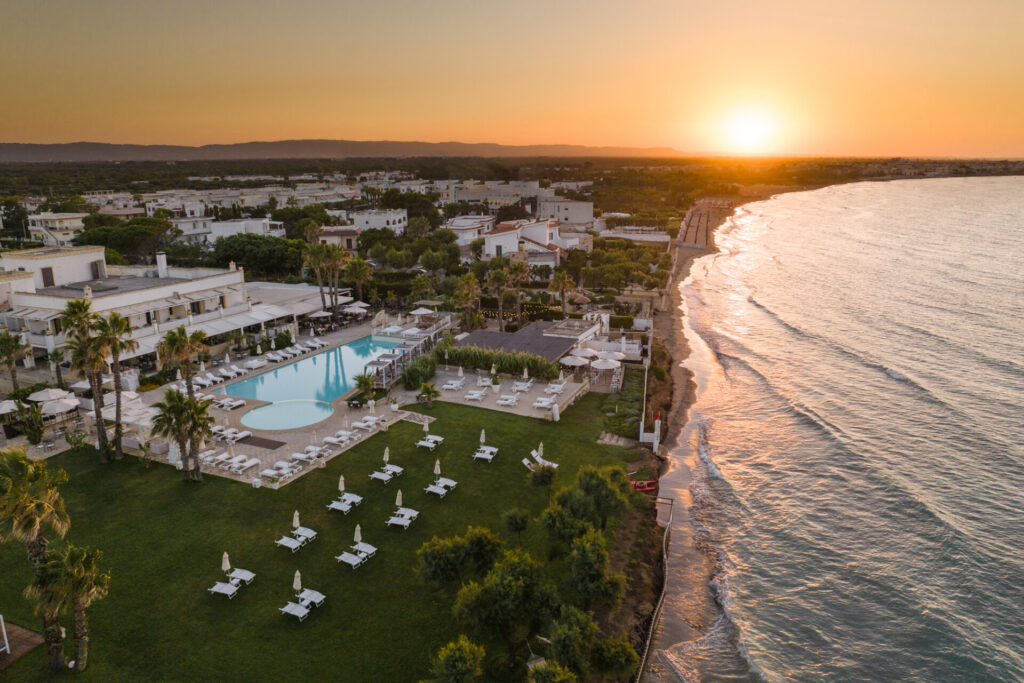
“This balance allows us to approach growth in a measured way, combining ambition with prudence. Being a family-led business also means we are not driven by short-term returns, but by the desire to build something sustainable, beautiful and coherent over time. That mindset influences every major decision we take.”
Architecture and design are personal passions of yours, and that sensibility is clearly visible in the way the hotel presents itself. How much does considered design contribute to the guest experience, and how do you think about the physical environment as a strategic tool?
“Design plays a fundamental role in shaping perception and experience. At Canne Bianche, this aspect is particularly meaningful because the entire property has been developed through my father’s personal taste and sensitivity, without relying on external designers. Every space reflects a very instinctive yet refined aesthetic vision.
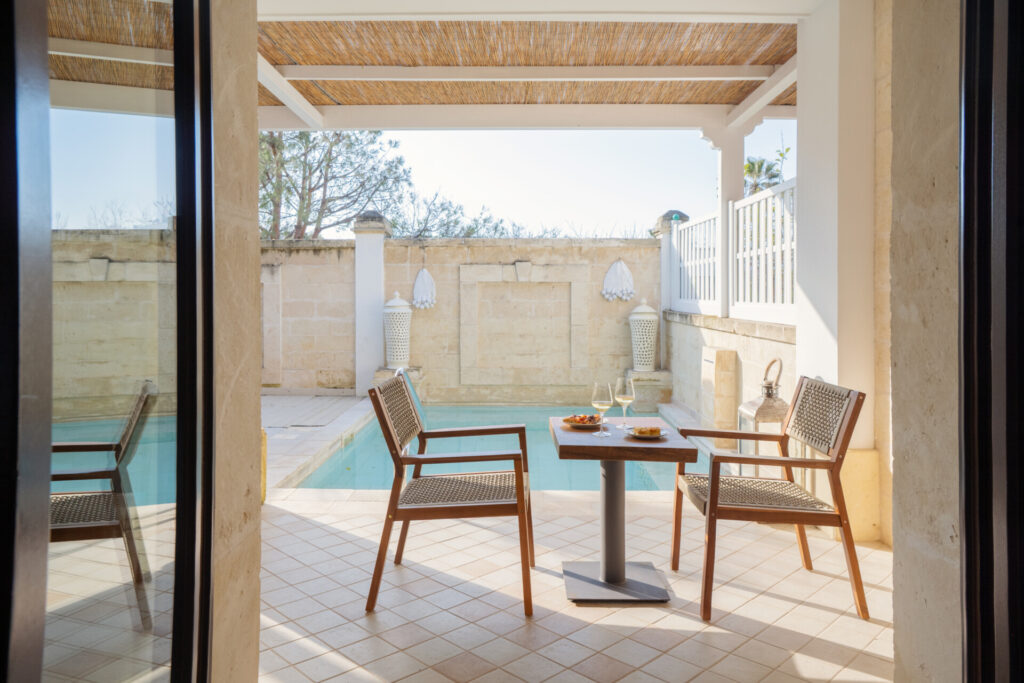
“I have developed interest in this area as well, and I increasingly look at design through the concept of “servicescape”, the idea that the physical environment, combined with sensory elements such as light, materials, sounds, scents, and so on contributes to communicating a clear and consistent message.
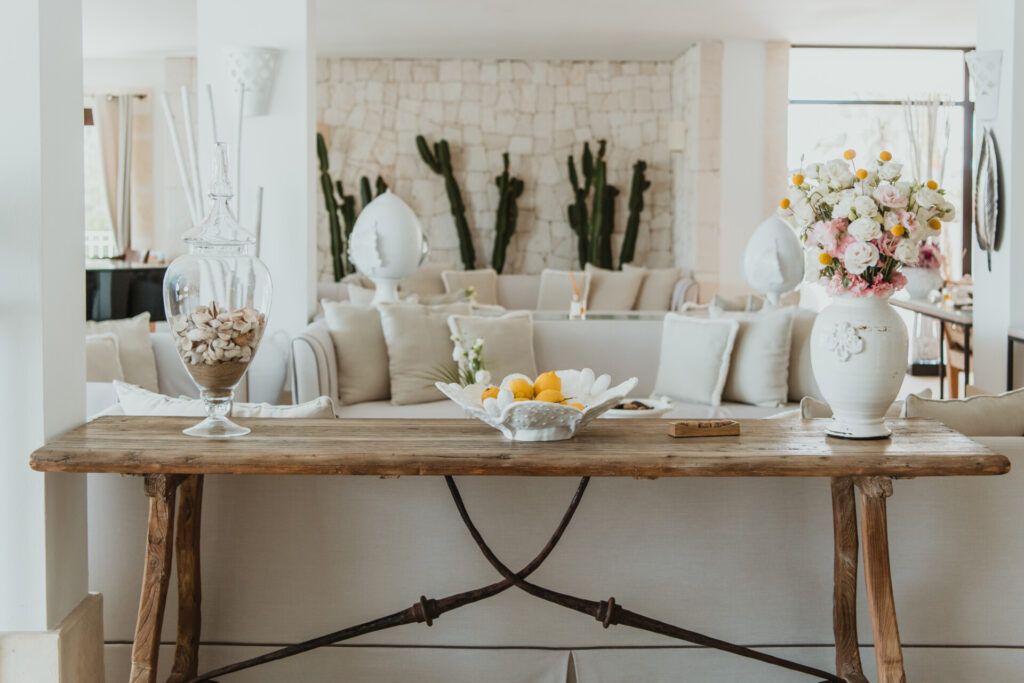
“In this sense, design is not only aesthetic, but strategic. It sets expectations, reinforces identity, and supports the overall guest journey. When done well, it becomes an integral part of the experience, even if the guest is not consciously aware of it.”
Looking ahead, what is your vision for Canne Bianche over the next five years, and how do you see the role of boutique five-star properties evolving within the wider luxury travel market?
“Over the past seven years, we have achieved a strong level of positioning, placing Canne Bianche alongside well-established international brands. From a commercial perspective, we are reaching a phase of consolidation, where the focus shifts from growth to refinement.
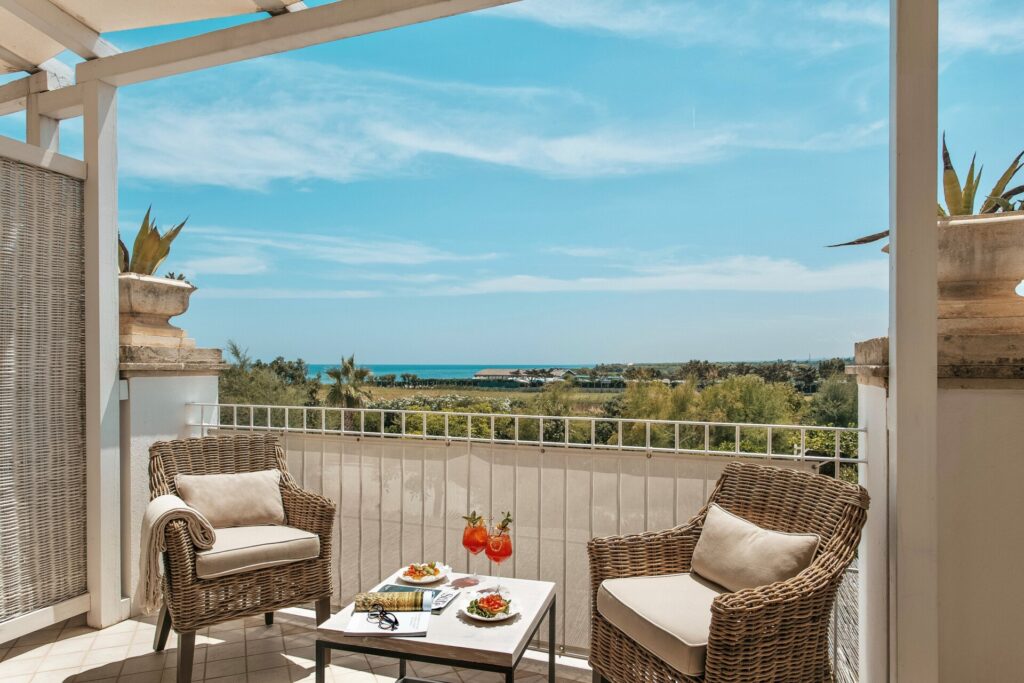
“Our priority moving forward is to continue enhancing the quality of our service while preserving the identity that defines us. At the same time, we are exploring opportunities to expand within the region, with the aim of creating a portfolio of properties that can cater to different types of travellers, while remaining coherent with our vision and values.
“More broadly, I believe boutique five-star properties will continue to gain relevance in the luxury market. Travellers are increasingly looking for individuality, authenticity, and a strong sense of place, elements that are often difficult to achieve at scale. In this context, smaller, well-positioned properties have a significant competitive advantage.”