



Jenny Oh is General Manager of The Rex, one of Manchester’s most recognised boutique hotels. Originally from Seoul, South Korea, she began her career as a waitress and has spent over 25 years building an career that spans some of the most demanding and prestigious environments in the sector, from luxury five-star properties and boutique hotels to complex pre-opening operations and high-volume city centre destinations.
Over the course of her career, Jenny has earned a reputation for building high-performing teams, raising operational standards, and creating guest experiences that go well beyond expectation. Her approach to leadership places people at the centre, fostering cultures of learning, development and continuous improvement that have produced measurable results at every level of the organisations she has led.
She joined Leonardo Hotels in October 2024, taking on the General Manager role at The Rex at a pivotal moment in the hotel’s history, leading the property through its transition from Hotel Gotham to The Rex and positioning it as one of the most compelling hospitality destinations in the north of England.
You started your career as a waitress and have spent 25 years working across boutique, luxury, pre-opening, and high-volume properties before taking the General Manager role at The Rex. What has that breadth of experience taught you about what good hospitality leadership actually requires?
“I often joke that I started at the very bottom of the ladder, but honestly, I wouldn’t change it for the world. Starting as a waitress taught me lessons that I still use every day as a General Manager. Over 25 years, I’ve worked in luxury hotels, boutique properties, busy city-centre operations and pre-openings, and what I’ve learned is that hospitality leadership has very little to do with hierarchy and everything to do with people.
“The best leaders understand what it’s like to be the person serving breakfast at 6am, cleaning a room under pressure, or handling a difficult guest at reception. If you’ve done those jobs yourself, you gain a level of empathy and understanding that can’t be taught in a classroom.
“For me, leadership is about creating an environment where people can succeed. It’s about being visible, listening, coaching, and helping people grow. Some of the proudest moments of my career aren’t awards or financial results. They’re seeing people who started in junior roles progress into management positions and knowing I played a small part in that journey.

“Hospitality is a people business. Guests remember how you made them feel, and teams remember how you made them feel too. The two are closely connected.”
The Rex is housed in a former bank on King Street, a building with deep roots in Manchester’s commercial and social history. How does that history shape the way the hotel operates today, and how do you balance preserving that character with keeping the experience feeling current?
“One of the things I love most about The Rex is that you can feel the history the moment you walk through the door.
“King Street has always been at the heart of Manchester’s commercial story, and the building itself has witnessed generations of business leaders, entrepreneurs and decision-makers passing through its doors. That’s something we’re very proud of. At the same time, history alone isn’t enough. Guests don’t stay with us because the building is old; they stay because of the experience they have today.

“The challenge is respecting the character and heritage while making sure everything feels relevant and exciting for modern travellers. We want guests to appreciate the architecture, the story and the sense of place, but we also want them to enjoy exceptional food and drink, contemporary design, great technology and genuinely warm service.
“I think Manchester does this really well as a city. It respects its past but is always looking forward. In many ways, The Rex reflects that same spirit.”
You described the move from Hotel Gotham to The Rex as “an expressive upgrade.” For a hotel with such an established following, how do you evolve the identity whilst maintaining what people already value?
“That’s probably one of the biggest challenges when a brand evolves. The reality is that people fell in love with Gotham for a reason. It had personality, character and a loyal following, so it would have been a mistake to throw all of that away.
“For me, the transition to The Rex isn’t about abandoning the past. It’s about building on it. We wanted to keep the confidence, individuality and sense of occasion that guests already loved while creating something that feels more open, contemporary and connected to Manchester today.
“When you’re managing change, whether it’s a hotel, a business or a team, people need to understand what isn’t changing as much as what is changing. Guests still want great service, memorable experiences and a sense of belonging. Those fundamentals remain exactly the same.
“The name may have changed, some of the experiences may evolve, but the heart of hospitality remains unchanged.”
Reserve, the private members’ club overlooking city, has become one of Manchester’s most sought-after spaces. What is behind that demand, and what does it tell us about what people value in a hotel today?
“I think what makes Reserve special is that it offers something people are increasingly looking for a genuine sense of belonging.
“The view is incredible, of course, and the design and atmosphere are beautiful, but there are lots of places with nice views. What people really remember is how a place makes them feel.
“Reserve has become a space where people can meet, connect, celebrate, work, entertain clients, or simply escape the pace of the city for a few hours. There’s an intimacy to it that feels quite rare today.
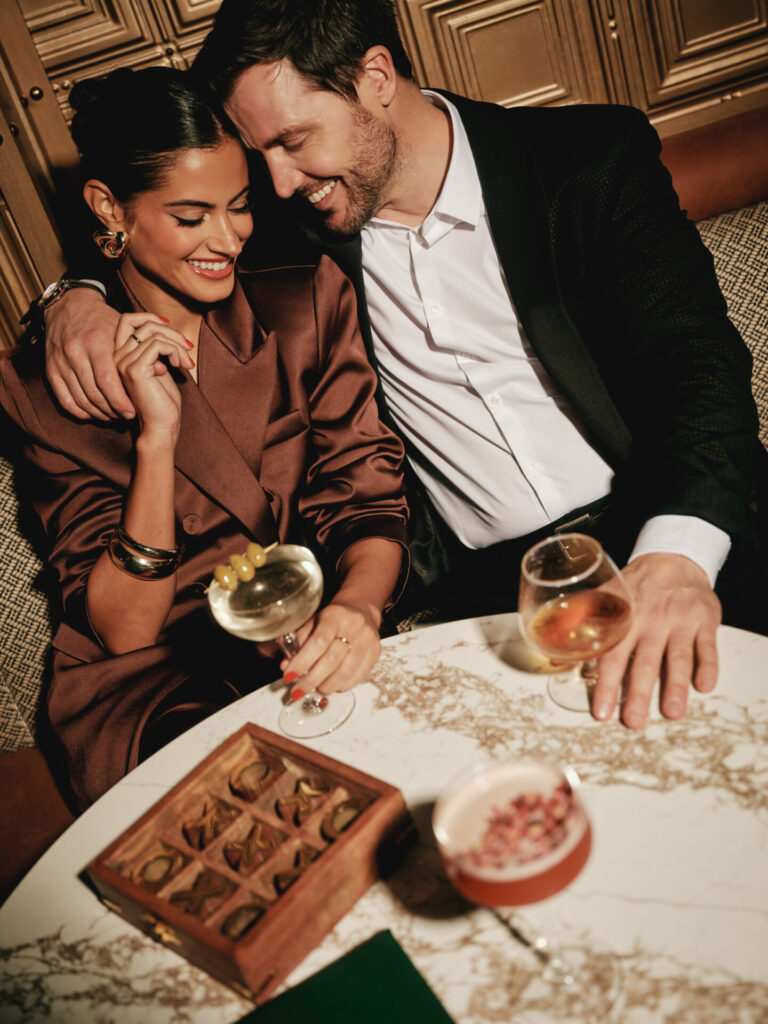
“What I find interesting is that guests are looking for experiences rather than just products. They’re not simply booking a hotel room, ordering a cocktail or having dinner. They want to feel part of something. They want authenticity, personality and meaningful interactions.
“That’s particularly true in Manchester. It’s a city built on relationships and community, and I think Reserve has captured some of that spirit. The demand tells me that people still value human connection, perhaps now more than ever.”
Many businesses go through periods of significant change, whether that is a rebrand, a restructure, or a shift in direction. You stepped into The Rex at precisely that moment. What have you learned about managing change well, and what do you think the most successful businesses do differently when they go through it?
“One thing I’ve learned is that people don’t naturally resist change they resist uncertainty. When I joined, the hotel was going through a significant transformation. There was excitement, but there were also questions and concerns from both employees and guests. That’s completely normal.
“For me, the key is communication. People don’t expect leaders to have every answer immediately, but they do expect honesty, visibility and consistency. They want to understand why decisions are being made and where the business is heading. I’ve also learned that culture becomes even more important during periods of change. If people feel supported, trusted and included, they’re far more likely to embrace new ideas.

“The most successful businesses I’ve worked with don’t see change as a project with a finish line. They create a culture where adapting, learning and evolving is part of everyday life.
“Hospitality changes constantly because guest expectations change constantly. The businesses that thrive are usually the ones that remain curious, listen carefully and never become complacent.”
At a hotel like The Rex, the quality of the guest experience is directly tied to the quality of the people delivering it. Staff retention and team development are priorities for every people-led business. What have you learned about what talented people actually need from their leaders, and what do the businesses that get it right tend to have in common?
“This is a subject that’s incredibly important to me personally. I came to the UK from South Korea many years ago, and throughout my career there were people who believed in me, gave me opportunities and encouraged me to take the next step, often before I believed I was ready myself. Because of that, I’ve always felt a responsibility to do the same for others.
“What I’ve learned is that talented people don’t just want a salary or a job title. They want to feel valued. They want to know that their contribution matters. They want opportunities to learn, develop and progress.
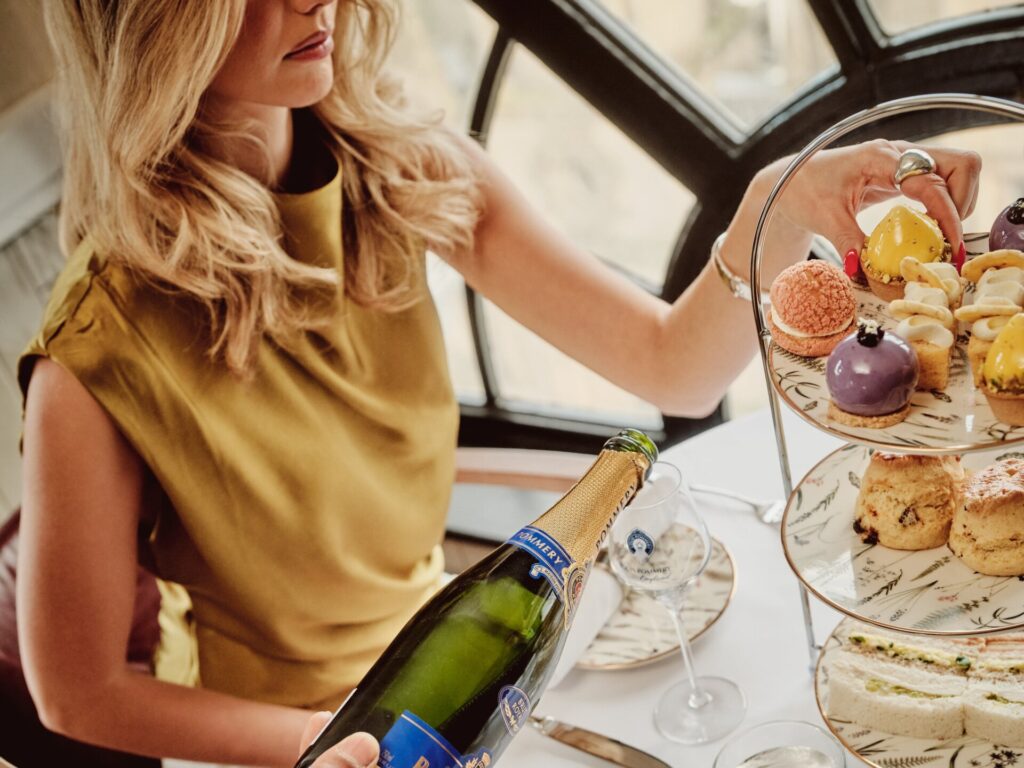
“Some of the most talented people I’ve worked with haven’t necessarily been the loudest people in the room. Often they’re the individuals who simply need someone to invest time in them and help them build confidence.
“The businesses that get this right create environments where people feel safe to learn, make mistakes and grow. They celebrate success, but they also support people when things don’t go perfectly.
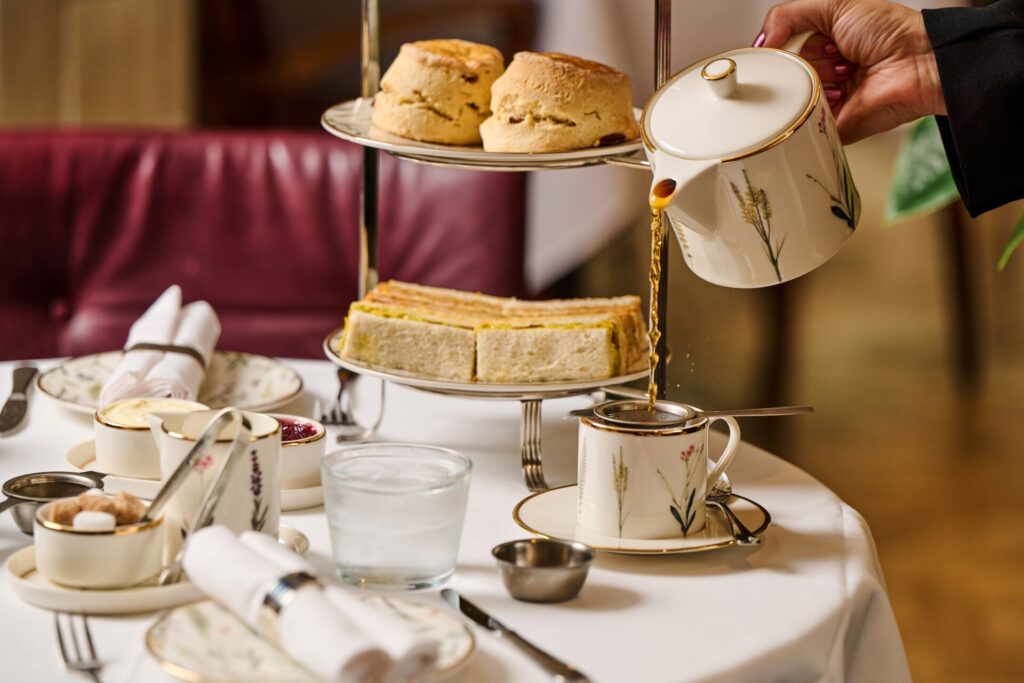
“As leaders, I think our role is to help people become the best version of themselves. When you genuinely invest in your team, the guest experience naturally follows.”
Manchester is one of the UK’s most commercially active cities, with a business community that has real ambition and a growing international profile. How much of an advantage is that for a hotel like The Rex, and how deliberately do you lean into it?
“It’s a huge advantage and I might be slightly biased as an adopted Mancunian but Manchester has an energy that is diHicult to describe unless you’ve experienced it. It’s ambitious, entrepreneurial, creative and incredibly welcoming. There’s a confidence about the city today that continues to attract businesses, investors and visitors from around the world.

“As someone who originally came from Seoul, I’ve always been fascinated by cities that constantly reinvent themselves, and Manchester is one of those places. It respects its heritage but never stands still.
“For The Rex, being located on King Street places us right in the heart of that activity. We welcome entrepreneurs, business leaders, creatives, investors, sports teams, visitors and local residents every day. The diversity of people coming through our doors is one of the things I love most about the role.

“We lean into Manchester’s business community very deliberately. We want The Rex to be more than somewhere people sleep. We want it to be somewhere people connect, collaborate and build relationships.
“Ultimately, hotels are about bringing people together, and Manchester gives us an incredible platform to do exactly that. The city’s success and ambition create opportunities not just for businesses like ours, but for everyone who chooses to be part of it.”